
Property Management & Operations
Real Estate Portfolio Management Softwares | Best Tools
by Platuni | 24 Feb, 2026 | 8 mins read
Platuni
24 February, 2026
8 mins read

If you want your real estate investments to perform at their best, you need a system to track them. Real estate portfolio management software gives you that system, helping you organize your properties, monitor financials, and streamline day-to-day operations.
Without proper tools, it’s easy to lose track of rent payments, maintenance schedules, or lease renewals, which can hurt your bottom line. With the right software, you can automate reporting, generate actionable insights, and focus on strategic decisions instead of tedious administrative tasks.
In this guide, we’ll explore the best real estate portfolio management software, highlight their key features, and provide practical advice for selecting the right platform for your portfolio size. You’ll discover how these tools can improve returns, reduce operational friction, and give you the confidence to scale strategically.
Also Read: HOA Special Assessment Explained | Meaning and Examples
What Is Real Estate Portfolio Management Software?
Real estate portfolio management software is a centralized digital platform designed to help investors, asset managers, and property owners oversee multiple real estate assets from a single dashboard. Unlike basic property management tools that focus on rent collection or maintenance tickets, real estate portfolio management software provides high-level financial analytics, asset performance tracking, capital planning, and strategic decision-making insights.
Why Is Real Estate Portfolio Management Important?
Effective real estate portfolio management determines whether your assets merely exist, or actively compound wealth. Without structured oversight, even profitable properties can underperform. Here’s why real estate portfolio management is critical:
- Performance Visibility: You gain a clear overview of which properties are outperforming and which are dragging down returns.
- Risk Diversification: Proper portfolio management helps you balance asset classes (residential, commercial, mixed-use), locations, and tenant types to reduce exposure.
- Capital Allocation Efficiency: Instead of reinvesting blindly, you can strategically deploy capital into high-performing assets or emerging markets.
- Debt Optimization: Managing leverage across multiple properties ensures healthy loan-to-value ratios and prevents overexposure.
- Cash Flow Stability: Tracking lease cycles and vacancy patterns protects against unexpected income dips.
- Exit Strategy Planning: Knowing when to refinance, hold, or dispose of an asset becomes clearer with portfolio-level data.
Also See: Leasing Management Software | Tools for Lease Tracking
How Does Real Estate Portfolio Management Software Improve Investment Performance?
Real estate portfolio management software improves performance by shifting investors from guesswork to data-driven strategy. Below are key ways it enhances investment outcomes:
#1. Data-Driven Decision Making
Real estate portfolio management software transforms raw property data into structured financial intelligence. Hence, instead of relying on periodic manual reports, investors gain real-time visibility into rental income, operating expenses, net operating income (NOI), cash-on-cash returns, debt service coverage ratios, and capital expenditure trends across all assets. This centralized financial clarity reduces blind spots and eliminates delayed reporting errors. Similarly, the result is faster, more confident decision-making grounded in measurable performance rather than assumptions.
#2. Portfolio Optimization
Typically, high-performing portfolios are built on strategic allocation, not emotional attachment to properties. So, real estate portfolio management software enables side-by-side comparison of assets based on yield, occupancy rates, appreciation trends, risk exposure, and long-term growth potential.
Therefore, this level of insight enables investors to rebalance their holdings, divest underperforming properties, reinvest in higher-yield segments, or adjust pricing strategies where necessary. Instead of treating properties as isolated investments, the software frames them as interconnected components of a broader capital strategy, allowing for smarter scaling and disciplined expansion.
#3. Risk Identification and Forecasting
Market volatility, tenant turnover, interest rate fluctuations, and regulatory changes can erode returns if not anticipated. This is why advanced real estate portfolio management software incorporates forecasting tools that model different financial scenarios, such as vacancy spikes, refinancing adjustments, rent control impacts, or economic downturns. By simulating future conditions, investors can stress-test their portfolio before real risks materialize. This proactive approach strengthens resilience, improves capital preservation, and allows strategic adjustments like restructuring debt, building cash reserves, or diversifying geographically before performance is compromised.
Also Read: Home Maintenance Checklist by Month for Property Owners
#4. Operational Efficiency & Scalable Growth Infrastructure
As portfolios expand, operational complexity increases. Manual systems quickly become bottlenecks that limit growth. Here, real estate portfolio management software automates rent collection tracking, lease administration, maintenance scheduling, compliance reminders, and financial reporting.
Furthermore, automation reduces administrative errors, lowers operational costs, and improves tenant management consistency. More importantly, it creates a scalable infrastructure that supports portfolio expansion without proportionally increasing management stress or overhead. Therefore, investors can focus on acquisition strategy and long-term value creation, knowing the operational backbone of their portfolio is structured, streamlined, and performance-oriented.
Key Features to Look for in Real Estate Portfolio Management Software
Choosing the right real estate portfolio management software means focusing on features that enable clarity, control, and long-term growth. Not all systems are created equal; the best solutions combine financial intelligence, automation, and scalability. Below are the key capabilities that separate useful software from transformational tools:
Also See: Property Management SOPs: Templates and Examples
#1. Centralised Financial Dashboards
Your software should consolidate income, expenses, debt, cash flow, and valuation metrics in one secure interface. Dashboards that update in real time help you see the whole portfolio’s performance at a glance, rather than piecing together separate reports.
#2. Multi-Asset & Multi-Entity Support
Great portfolio software handles multiple property types, from residential, commercial, single-family, multi-family, and provides consolidated reporting across entities or companies. This is critical for investors with diversified holdings.
#3. Performance Analytics & Benchmarking
Look for tools that offer built-in analytics: internal rate of return (IRR), net operating income (NOI), cash-on-cash return, occupancy trends, and valuation growth curves. Benchmarking capabilities let you compare assets and identify underperformers.
#4. Forecasting and Scenario Planning
Leading solutions include forecasting modules that simulate future cash flows under various conditions like rent increases, interest rate shifts, or economic downturns. This helps you plan proactively rather than reactively.
Also See: Property Manager Tools | Essential Software and Systems
#5. Document and Compliance Management
Your software should securely store leases, contracts, inspections, tax records, and compliance documentation. Normally, version control, audit trails, and easy retrieval reduce risk and simplify due diligence or audits.
#6. Integration with Accounting & Third-Party Tools
Seamless integration with accounting systems, CRM platforms, rent collection portals, and third-party data services prevents double entry and enhances accuracy. This fussion is essential for streamlined operations.
#7. Automation & Workflow Management
Automation removes manual bottlenecks from scheduled reporting and alert notifications to automated lease reminders, rent tracking, and maintenance workflows. This improves consistency and frees up managerial time for strategic work.
#8. Scalability and Customisation
Your software should grow with your portfolio. Customisable dashboards, user roles, and reporting filters allow you to tailor the platform to your operational needs without migration headaches later.
Also Read: QuickBooks for Landlords: Setup and Best Practices
Software Categories by Portfolio Size
| Portfolio Size | Software Category | What It Typically Includes |
|---|---|---|
| 1-10 units (individual landlords) | Entry-level / DIY tools | Rent collection, digital leases, basic maintenance requests |
| 10-100 units (growing portfolios) | Mid-market portfolio software | Automation, team collaboration, API access, analytics |
| 100-1,000+ units (professional operators) | Full portfolio management platforms | Multi-entity reporting, forecasting, benchmarking, deep integrations |
| 1,000+ units / institutional | Enterprise real estate portfolio management software | Custom configurability, compliance suites, SSO, dedicated support |
How To Choose the Best Real Estate Portfolio Management Software for My Portfolio Size
Selecting the right real estate portfolio management software depends on how many assets you manage, the complexity of your holdings, and your long-term growth strategy. Not every solution fits every investor. What works for a ten-unit portfolio may not serve a 500-unit or global portfolio. Below is a practical decision criteria:
#1. Start With Your Current Operational Needs
Assess which tasks take the most time or cause the most errors: financial reporting, rent tracking, maintenance coordination, compliance, or performance analysis. If you struggle with basic rent and lease tracking, a simpler platform might suffice. If your pain points are strategic analytics or forecasting, choose software with advanced financial modelling.
#2. Match Feature With Portfolio Complexity
Generally, smaller portfolios benefit from straightforward, easy-to-use tools that handle rent collection, lease records, and basic financial tracking. Larger portfolios require deep analytics, scenario modelling, cross-asset reporting, multi-entity support, and more robust integration with accounting systems.
Also See: Multifamily Property Insurance: Coverage Explained
#3. Consider Scalability & Future Growth
Your software should support not just where you are now, but where you plan to be. A scalable platform can handle additional entities, properties, and markets without requiring new software or complex migrations. Therefore, look for solutions that offer tiered pricing or enterprise modules that unlock advanced features as you grow.
#4. Evaluate Integration Capabilities
If you’re using separate systems for accounting, rent collection, maintenance, or CRM, make sure your portfolio management software can integrate with them. Integration eliminates redundant data entry and improves consistency across your tech stack.
#5. Usability and Onboarding Support
Even powerful software is useless if it’s too difficult to use. Consider platforms that offer guided onboarding, training resources, and responsive support. Moreover, user adoption is critical, especially when multiple stakeholders (investors, accountants, property managers) will rely on the system.
#6. Budget Relative to Value Delivered
Compare subscription costs, implementation fees, and any transaction charges against the value you’ll gain in time saved, risk reduced, and insights unlocked. Sometimes a slightly more expensive solution delivers far greater long-term ROI because it prevents errors and enhances strategic decision-making.
#7. Test With Demos or Trials
Before committing, use free trials or personalised demos to evaluate real workflows. This hands-on experience reveals whether the software fits your day-to-day needs and strategic goals better than abstract feature lists.
Also Read: Rental Property Excel Templates for Landlords
Best Real Estate Portfolio Management Software
Choosing the right real estate portfolio management software can transform how you manage assets, track performance, and plan growth.
| Software | Starting Price | Minimum Portfolio | Free Trial | Best For |
|---|---|---|---|---|
| Platuni | $0 to start; Growth from $1.39/unit/mo; Enterprise custom | None (Starter fits 1 unit) | Yes, all tiers | Investors who want one platform that scales from a single unit to institutional portfolios |
| AppFolio | From $1.40/unit/mo (Core plan) | 50 units | No (demo only) | Mid-size to large portfolios ready to commit to an annual contract |
| Yardi Voyager | Custom quote only | Not publicly stated | No (demo only) | Large, complex, or institutional portfolios needing deep configurability |
| Buildium | From $62/mo (Essential plan) | None stated | Yes, 14-day trial | Small-to-mid portfolios wanting an accessible entry point |
| RealPage | Custom quote | Not publicly stated | No (demo only) | Large-scale, multi-property-type operators needing advanced analytics |
Below are some of the most effective and widely adopted solutions across different investor profiles:
#1. Platuni
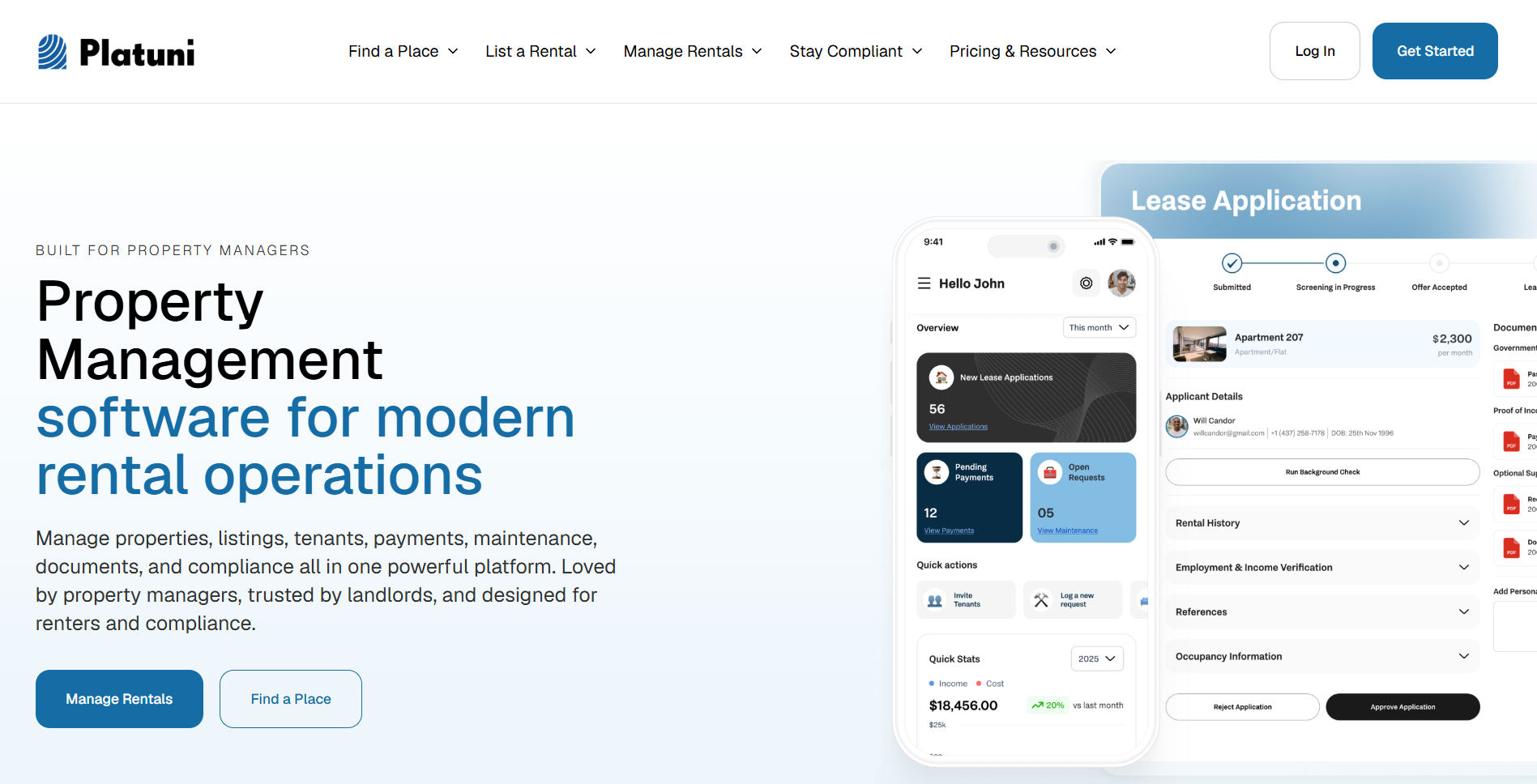
Platuni is a next-generation real estate portfolio management software designed for investors who want more than fragmented tools and spreadsheets. It centralizes financial performance tracking, rent management, asset reporting, compliance documentation, and operational workflows into a single intelligent dashboard.
Furthermore, Platuni allows investors to make proactive, data-driven decisions, identify underperforming properties, and optimize returns across diverse portfolios. It achieves this through real-time insights into cash flow, occupancy trends, expense ratios, and asset appreciation.
Similarly, Platuni is renowned for its scalability and automation. The platform grows with your portfolio, supporting both small and large multi-asset holdings without operational friction. It also automates reporting, streamline documentation, and integrative workflow management to reduce administrative burden, allowing investors to focus on strategic growth.
Download the Platuni Property Manager App Today
#2. AppFolio
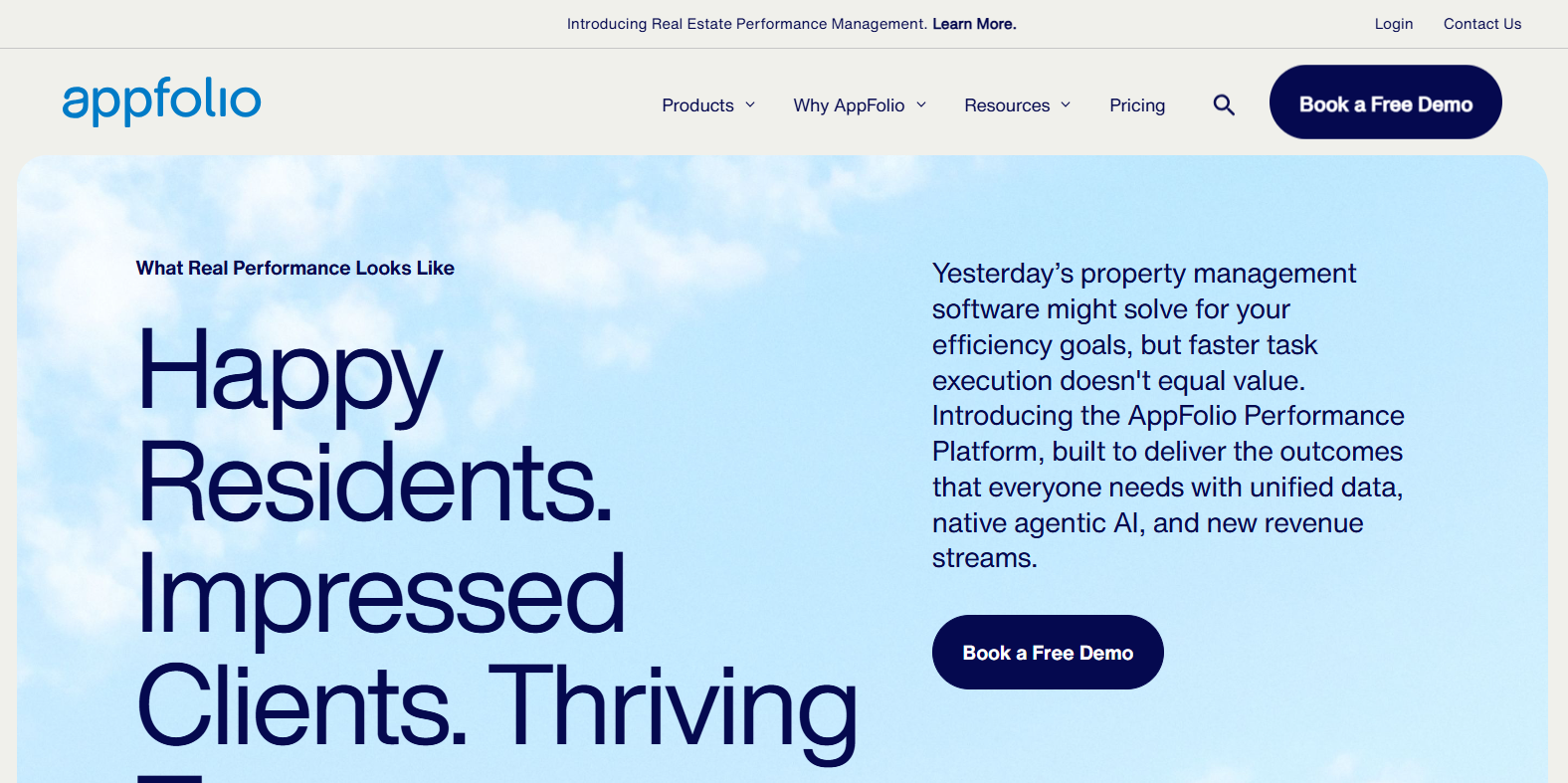
AppFolio is a rich, cloud-based solution designed for medium to large portfolios. It offers automated accounting, online rent payments, maintenance coordination, and marketing tools. Its mobile app ensures managers can oversee performance and communicate with stakeholders from anywhere.
#3. Yardi
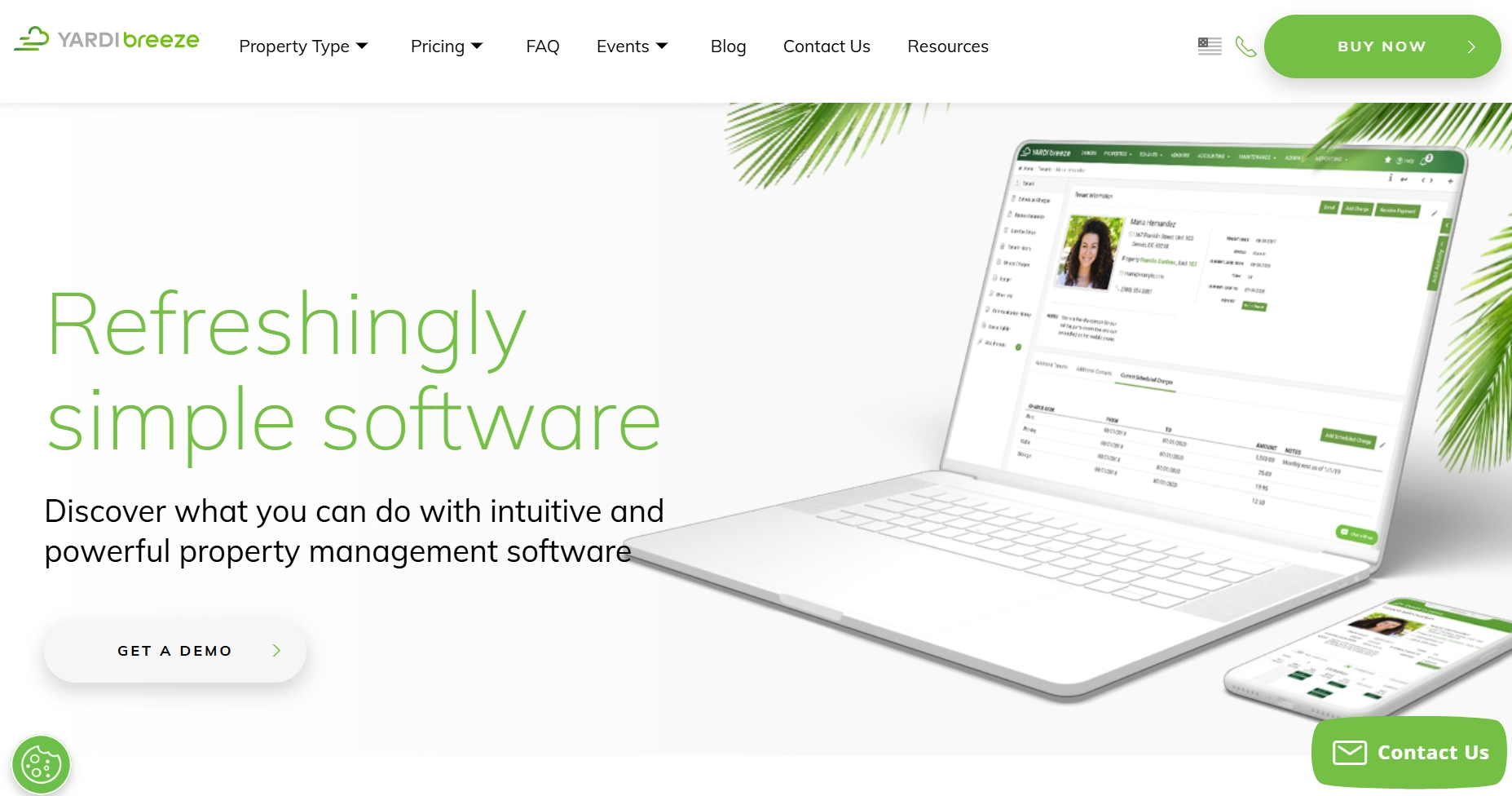
Yardi provides enterprise-grade portfolio management with advanced analytics, multi-entity support, and robust integration capabilities. It’s particularly strong in large commercial portfolios or mixed-use real estate that requires detailed reporting and custom workflows.
#4. Buildium
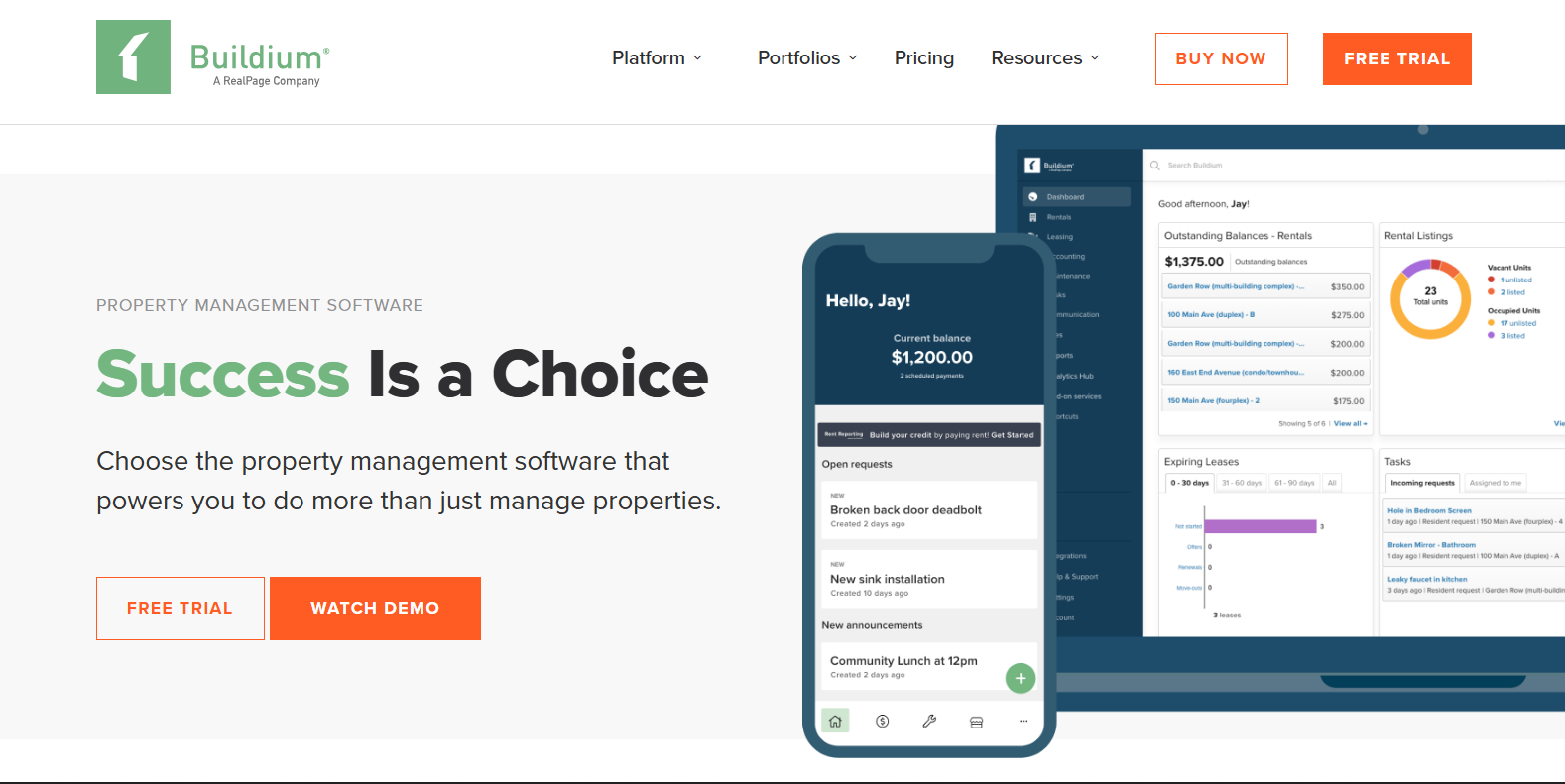
Buildium is excellent for small to mid-sized portfolios. Its strengths lie in rent tracking, tenant communication, straightforward accounting, and online portals. Buildium’s have an approachable interface that makes it a strong choice for investors transitioning from manual systems.
#5. RealPage

RealPage is a popular platform with extensive tools for financial performance analysis, market benchmarking, and portfolio optimization. It is suited for professional operators with complex assets and larger unit counts.
Also Read: Are Landlords Responsible for Pest Control?
Tips for Real Estate Portfolio Management
Successful real estate portfolio
management blends disciplined systems with keen strategic thinking. Here are practical, high-impact tips that help preserve and grow your portfolio:
- Define your goals and align your portfolio with a clear strategy
- Use data to protect cash flow by tracking occupancy rates, rent collections, operating expenses, and net operating income (NOI) consistently.
- Diversify intelligently
- Maintain strong documentation and compliance
- Forecast and plan for capital needs
- Review performance regularly
- Build a trusted advisory network like professionals, accountants, attorneys, brokers, and property managers.
- Prioritise tenant experience
- Stay informed about market trends
- Automate wherever possible
Also Read: Common Landlord-Tenant Issues and How to Resolve Them
Common Challenges and How to Overcome Them
Even experienced investors run into the same operational traps as their portfolios grow. Here's what tends to derail performance, and how the right systems close the gap:
- Fragmented data across spreadsheets and disconnected tools. When financials live in one system and leases in another, small errors compound into real blind spots. A centralized dashboard (see Key Features above) eliminates the reconciliation work entirely.
- Reactive instead of proactive reporting. Waiting for a monthly report to spot a vacancy trend means you're already behind. Real-time dashboards catch the dip while there's still time to act.
- Inconsistent lease and compliance tracking across entities. As you add properties or entities, manual tracking breaks down first here, missed renewals and compliance deadlines are expensive to fix after the fact. Automated reminders close this gap.
- Forecasting blind to rate or vacancy shocks. Many investors only model their current numbers, not what happens if rates rise or a unit sits vacant for two extra months. Built-in scenario planning (see Forecasting and Scenario Planning above) stress-tests your portfolio before those risks materialize.
- Scaling operations without scaling headcount. Every new property shouldn't mean proportionally more admin work. Automation is what lets a portfolio double in size without doubling the management burden.
Frequently Asked Questions About Real Estate Portfolio Management Software
Can Real Estate Portfolio Management Software Help With Risk Management?
Yes. Advanced platforms monitor lease expirations, tenant concentrations, geographic exposure, debt obligations, and market trends to help investors anticipate risks and adjust strategies proactively.
Is Real Estate Portfolio Management Software Worth It for Small Investors?
Even small investors gain value by automating reporting, tracking rent and expenses, and gaining visibility into property performance, which helps avoid errors and supports smarter growth decisions.
Can Platuni Streamline Multi-Property Management?
Yes. Platuni consolidates financial tracking, maintenance workflows, compliance, and tenant management into a single dashboard, making portfolio oversight more efficient and strategic.
How Does Platuni Help Investors Make Data-Driven Decisions?
Platuni offers real-time dashboards, performance analytics, and forecasting tools that allow investors to evaluate assets, compare returns, identify risks, and plan capital allocation efficiently, all in one platform.
Can Real Estate Portfolio Management Software Automate Reporting?
Yes. Most platforms automatically generate financial statements, occupancy reports, expense summaries, and performance analytics, saving time and reducing manual errors.
How Secure Is Real Estate Portfolio Management Software for Sensitive Data?
Reputable platforms use encryption, secure cloud storage, access controls, and audit trails to protect tenant information, financial data, and compliance records.
Does Real Estate Portfolio Management Software Help With Asset Allocation?
Yes. By comparing performance metrics, monitoring market trends, and analyzing risk exposure across properties, these platforms enable investors to optimize portfolio allocation and improve long-term returns.
Stay Informed
Subscribe to the Platuni B2B Newsletter to receive industry insights,
new feature announcements, and exclusive growth reports
Related Posts

SEPTEMBER 22, 2026
How to Build a Rental Maintenance Workflow From Request to Completion
Defines what should happen after a maintenance request comes in, logging, prioritizing, assigning, verifying, and documenting the repair through to completion.
Learn more
SEPTEMBER 22, 2026
QuickBooks vs Property Management Software for Rental Properties
Explains why QuickBooks and property management software solve different problems, and when a landlord needs one, the other, or both.
Learn more