
Property Management & Operations
Are Landlords Responsible for Pest Control?
by Platuni | 17 Jan, 2026 | 10 mins read
Platuni
17 January, 2026
10 mins read

Are landlord responsible for pest control? In most rental situations, the answer is yes. Housing laws and the implied warranty of habitability require landlords to provide safe, livable, and pest-free homes. When pests threaten health or enter through building defects, landlords must fix the issue and pay for proper treatment.
Yet the rules are not always simple, and both tenants and property owners often ask:
- Are landlord responsible for pest control in every situation?
- What if the tenant caused the infestation?
- Do different pests change who pays?
- How do lease agreements affect responsibility?
- What happens if a landlord ignores the problem?
These questions show why clear answers matter for both legal protection and everyday living.
This guide explains when are landlord responsible for pest control, when tenants may share the duty, and how to avoid conflicts. You will also learn best practices, cost expectations, and legal options so pest problems never turn into long disputes.
Also Read: What Are Landlords Responsible For? Legal Duties Explained
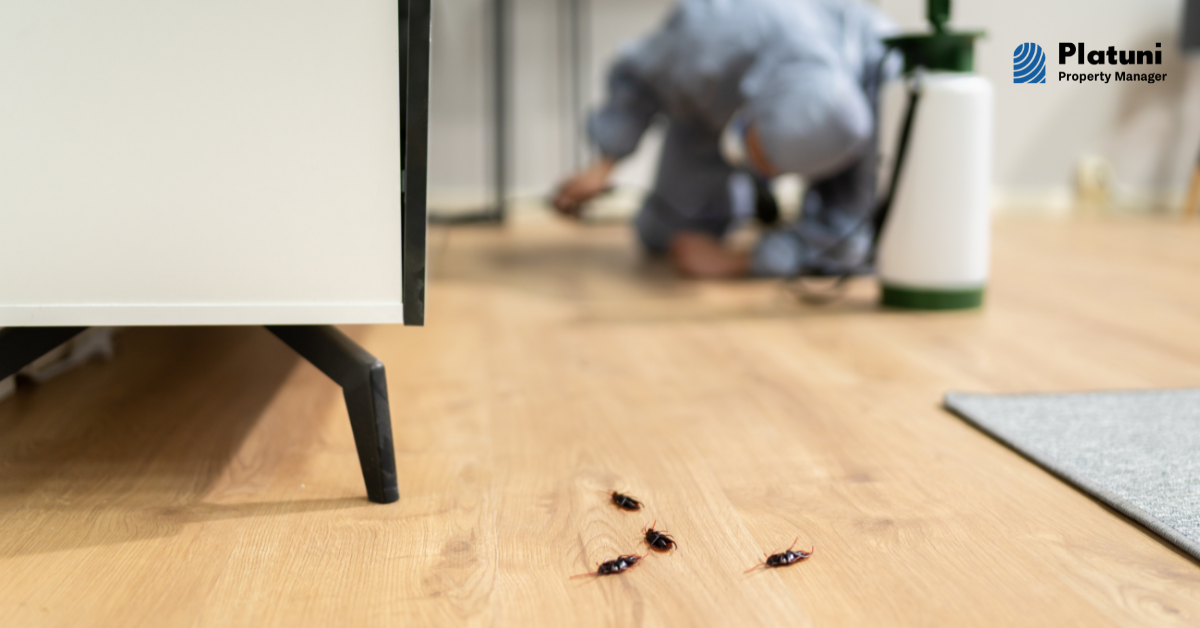
Who Pays? Understanding Landlord vs. Tenant Responsibility for Pest Control
When people ask are landlord responsible for pest control, they are really asking about habitability. Most housing laws require landlords to provide properties that are safe, sanitary, and fit for human living. Pests such as rodents, bed bugs, roaches, and termites can cause health risks and property damage, which makes them a habitability issue.
In general, landlords must:
- Deliver a pest-free unit at move-in
- Fix infestations linked to structural defects
- Address pests that affect multiple units or common areas
- Respond promptly to tenant reports
This obligation forms the foundation of landlord and pest control law in most jurisdictions. Understanding when are landlord responsible for pest control helps avoid disputes and legal trouble.
#1. Pre-Existing Infestations
If pests existed before a tenant moved in, the landlord must fix the problem. Examples include:
- Rodents nesting in walls before occupancy
- Cockroaches already present in kitchens
- Termites damaging wood due to long-term moisture
Landlords must arrange and pay for professional treatment and correct the underlying causes.
#2. Structural Defects
Pests often enter because of building problems. If pests come through:
- Cracks in walls or floors
- Broken window seals
- Gaps around pipes or vents
- Leaking plumbing that creates moisture
Then are landlord responsible for pest control applies fully. Tenants cannot be blamed for conditions they cannot repair.
#3. Habitability and Health Codes
Most state and city housing codes require rental units to remain pest-free. If pests make a home unsafe, landlords must act. For example:
- Rats in kitchens
- Bed bugs in bedrooms
- Widespread cockroach infestations
Failure to act can allow tenants to withhold rent, file complaints, or even terminate leases in severe cases.
#4. Multi-Unit Properties
In apartments and multi-family buildings, landlords must manage pest control in:
- Common areas
- Shared trash rooms
- Hallways and basements
If pests move between units, landlords must coordinate building-wide treatment. In these settings, are landlord responsible for pest control is almost always the rule.
Also Read: Is a Property Manager a Landlord or Something More?
When Tenants May Be Responsible for Pest Control
While are landlord responsible for pest control is true in most cases, tenants may carry responsibility when their actions directly cause the problem.
#1. Tenant Negligence
Tenants may be responsible if pests result from:
- Leaving food uncovered
- Failing to take out garbage
- Excessive clutter or hoarding
- Poor hygiene practices
If the infestation can be clearly traced to tenant behavior, the tenant may be required to pay for treatment.
#2. Failure to Report Early
Tenants must report pest problems promptly. Delayed reporting can allow infestations to spread. If a tenant waits weeks to report bed bugs or rodents, responsibility may shift because the delay worsened the issue.
#3. Lease Agreement Clauses
Some leases outline pest control duties. Common terms include:
- Landlord handles major infestations
- Tenant handles minor pests
- Tenant must maintain cleanliness
A lease does not override habitability laws, but it can clarify shared responsibilities.
How to Determine Who Pays for Pest Control
To decide whether are landlord responsible for pest control in a specific case, follow these steps:
#1. Review the Lease Agreement
The lease often states:
- Who pays for routine pest treatments
- Tenant duties for hygiene and reporting
- Landlord duties for structural and major infestations
This is the first and most important reference point.
#2. Document the Infestation
Both parties should keep:
- Photos and videos
- Written logs of sightings
- Copies of notices and emails
Clear evidence supports fair decisions.
#3. Consult a Pest Control Professional
Professionals can identify:
- Structural entry points (landlord responsibility)
- Food-based attraction or neglect (tenant responsibility)
Their reports often settle disputes.
#4. Check Local Laws
State and city rules vary. Some states require landlords to always handle bed bugs. Others allow costs to shift if tenants caused the problem. Knowing local law clarifies when are landlord responsible for pest control applies
| Pest Type | Typical Responsibility | Reason |
|---|---|---|
| Bed bugs | Landlord | Health risk, spreads between units |
| Rodents | Landlord | Structural entry points |
| Termites | Landlord | Structural damage |
| Cockroaches | Usually landlord | Habitability concern |
| Ants/Spiders | Sometimes tenant | Minor, often cleanliness-related |
This table shows that in most serious cases, are landlord responsible for pest control remains the standard.
Also Read: When to Hire a Landlord-Tenant Disputes Attorney: A Complete Guide
Preventive Pest Control: Best Practices for Landlords
Landlords can reduce risk and cost through prevention.
#1. Include Pest Control Clauses in Leases
Clear language should:
- Define landlord duties
- Outline tenant hygiene responsibilities
- State reporting procedures
Clarity prevents conflict.
#2. Schedule Routine Inspections
Regular checks allow early detection of:
- Cracks and holes
- Moisture damage
- Trash and drainage issues
Prevention costs far less than emergency extermination.
#3. Use Licensed Pest Professionals
Professional services ensure:
- Safe treatment methods
- Compliance with regulations
- Documentation for legal protection
#4. Maintain the Property Exterior
Key actions include:
- Sealing entry points
- Trimming vegetation away from buildings
- Fixing leaks and drainage
These steps support long-term compliance with are landlord responsible for pest control obligations.
What Tenants Should Do When They Find Pests
Tenants also play a role in shared pest prevention.
- Document immediately with photos and notes
- Check the lease for pest clauses
- Notify the landlord in writing
- Cooperate with treatments
- Follow up if delays occur
These actions protect tenant rights while helping landlords resolve issues faster.
Also Read: How to Reduce Tenant Turnover and Increase Retention
Legal Rights and Responsibilities
Tenant Rights
Tenants have the right to:
- A pest-free, habitable home
- Timely repairs for infestations
- Legal remedies if landlords fail to act
When are landlord responsible for pest control is ignored, tenants may contact health departments, withhold rent in some states, or seek legal help.
Landlord Rights
Landlords may:
- Access units with proper notice for inspections
- Hire professionals
- Require tenant cooperation
- Enforce lease terms
These rights allow landlords to fulfill their pest control duties effectively.
Cost of Pest Control
| Service Type | Average Cost |
|---|---|
| One-time treatment | $300–$550 |
| Rodent removal | $150–$600 |
| Cockroach treatment | $100–$400 |
| Bed bug treatment | $500–$2,000+ |
Preventive maintenance lowers these costs significantly. Since are landlord responsible for pest control in most major cases, budgeting for these expenses is essential.
State and Local Variations
Laws differ by location:
- New Jersey: Landlords must treat bed bugs regardless of cause
- Ohio: Responsibility may shift if tenant caused infestation
- New York: Landlords must maintain pest-free housing but may charge tenants for negligence
Always confirm local rules to know when are landlord responsible for pest control applies.
Health and Safety Implications
Pests can cause:
- Allergies and asthma
- Food contamination
- Bites and infections
- Structural damage
Because of these risks, landlords must act quickly. Health hazards reinforce why are landlord responsible for pest control is central to housing law.
Conclusion
Are landlord responsible for pest control? In most rental situations, the answer is yes. Landlords must provide safe, habitable, pest-free homes, fix infestations caused by structural issues, and respond promptly to health hazards. Tenants, however, must keep their units clean, report issues quickly, and follow lease terms.
Clear communication, preventive maintenance, and well-written leases ensure everyone understands their role. When both parties act responsibly, pest problems stay manageable, legal disputes decrease, and rental homes remain healthy places to live.
Also Read: Common Landlord-Tenant Issues That Require an Attorney
Frequently Asked Questions on Pest Control
Are landlord responsible for pest control in all cases?
Usually yes, especially for infestations tied to building defects or health risks.
Can tenants break a lease due to pests?
In severe cases affecting habitability, some laws allow tenants to terminate the lease.
Does the lease override the law?
No. Lease clauses cannot remove a landlord’s duty to provide habitable housing.
Who pays if tenants caused the infestation?
Tenants may be required to cover costs if negligence is proven.
Stay Informed
Subscribe to the Platuni B2B Newsletter to receive industry insights,
new feature announcements, and exclusive growth reports
Related Posts

SEPTEMBER 18, 2026
How Property Management Software Improves NOI
Five specific levers, vacancy, delinquency, maintenance cost, admin labor, and compliance risk, where property management software actually moves the numbers.
Learn more
SEPTEMBER 15, 2026
How to Choose Property Management Software by Portfolio Size (1 to 500+ Units)
A decision framework for picking property management software based on portfolio size, covering what changes at each bracket from a single unit to 500 or more.
Learn more