
Property Management & Operations
Property Management SOPs: Templates and Examples
by Platuni | 15 Feb, 2026 | 8 mins read
Platuni
15 February, 2026
8 mins read
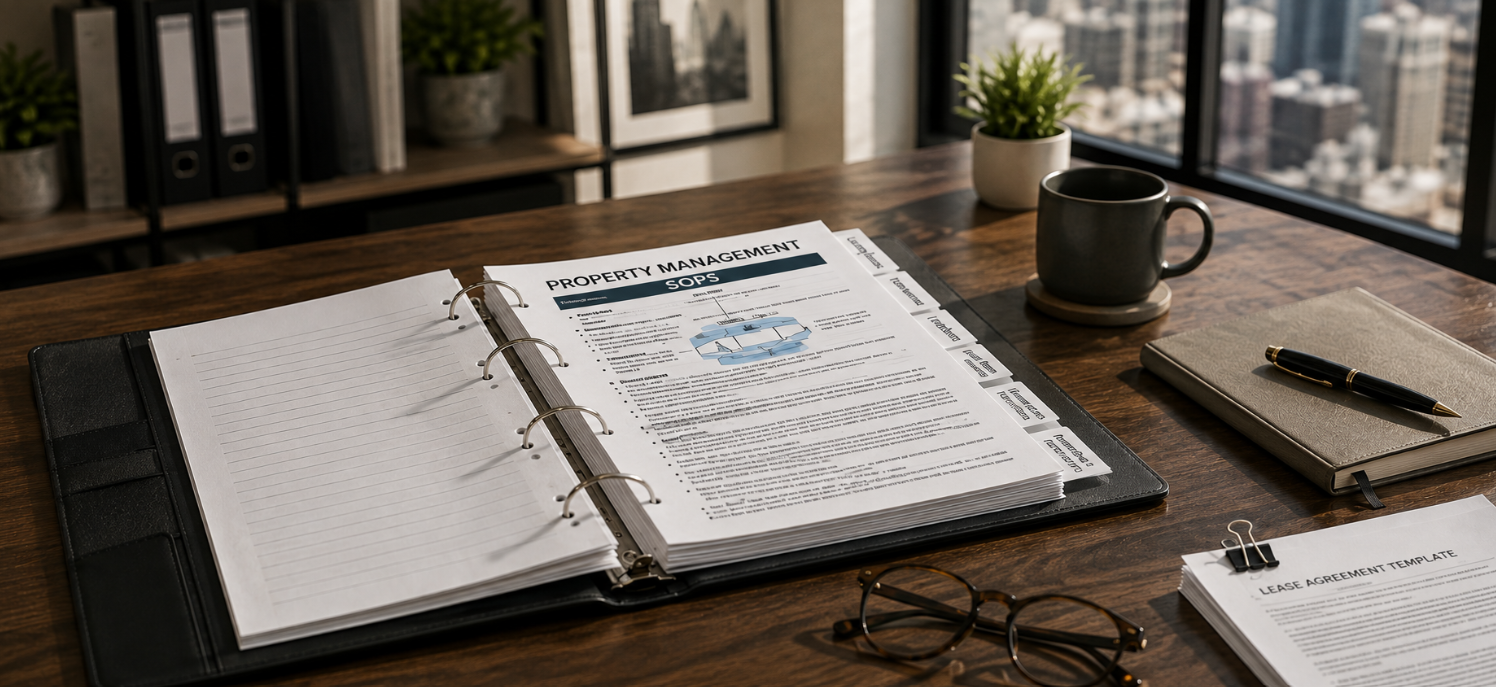
What separates a struggling property operation from a scalable one? Often, the answer lies in well-documented property management standard operating procedures. Without structured processes, daily tasks like tenant screening, maintenance coordination, and rent collection can quickly become inconsistent and reactive. According to the U.S. Small Business Administration (SBA), documented procedures improve efficiency and reduce errors in growing organizations. That principle applies directly to property management.
So, what happens when property managers rely solely on experience instead of structured systems? Gaps appear, missed maintenance deadlines, inconsistent communication, and compliance risks. According to Forbes Business Council, process standardization is one of the key drivers of operational scalability. In rental property operations, this means repeatable systems that protect revenue and tenant satisfaction.
In this post, we’ll explore what property management standard operating procedures are, why they matter, core areas they should cover, ready-to-use templates, and examples. We’ll also touch on how platforms like Platuni can help centralize and automate SOP execution, making consistent property management easier to maintain.
Also See: Renters Insurance | What It Covers and When It’s Required
What Are Property Management Standard Operating Procedures (SOPs)?
Property management standard operating procedures are documented step-by-step guidelines that define how routine property management tasks should be performed. They cover daily, weekly, and long-term operations such as tenant onboarding, rent collection, maintenance handling, inspections, communication, and compliance. Instead of relying on individual judgment, SOPs ensure that every task is completed consistently, accurately, and in line with best practices.
At the core, property management SOPs turn experience into repeatable systems. Hence, they provide clear instructions for property managers, staff, and third-party vendors, reducing errors and ensuring continuity even when team members change. Similarly, well-written SOPs serve as training tools, helping new managers quickly understand expectations and workflows without constant supervision.
Also Read: Chicago Landlord-Tenant Ordinance: What You Need to Know
Importance of Property Management Standard Operating Procedures
Property management standard operating procedures are essential because they create structure, accountability, and consistency across all operations. Without SOPs, property managers risk inconsistent tenant experiences, delayed responses, and compliance issues. Below are more importance of SOPs:
- Ensures operational consistency by standardizing how property management tasks are performed across all properties.
- Reduces errors and miscommunication by clearly defining roles, responsibilities, and workflows.
- Improves tenant satisfaction through timely responses, predictable service quality, and professional interactions.
- Supports legal and regulatory compliance by ensuring all processes follow housing laws and safety requirements.
- Enhances efficiency and productivity by eliminating guesswork and streamlining daily operations.
- Simplifies training and onboarding for new property managers and staff with documented procedures.
- Protects landlords from risk and liability by maintaining proper documentation and audit trails.
- Enables scalability and remote management as standardized procedures make growth manageable and repeatable.
Also Read: What a Landlord Cannot Do in Oregon: Legal Rules
Core Areas Covered by Property Management SOPs
Effective property management standard operating procedures cover every critical function required to operate rental properties smoothly, consistently, and legally. These core areas ensure that daily operations, tenant interactions, and long-term asset management follow clearly defined processes. Here are some key areas covered by property management SOPs.
Tenant Management and Leasing Operations
Property management SOPs outline standardized processes for tenant screening, onboarding, lease execution, renewals, and move-outs. These procedures ensure fair housing compliance, consistent tenant experiences, and proper documentation across all properties.
Rent Collection and Financial Management
Financial SOPs define how rent is collected, tracked, reconciled, and reported. They also cover late payment handling, expense approvals, budgeting, and financial audits. Clear financial procedures reduce revenue leakage and improve accountability.
Also See: What Are the Renters’ Rights in Texas? Legal Overview
Maintenance and Repairs Management
Maintenance-related SOPs establish how repair requests are received, prioritized, assigned, and completed. They include response timelines, vendor selection criteria, emergency protocols, and documentation standards to protect property condition and tenant safety.
Communication and Issue Resolution
Communication SOPs specify how property managers interact with tenants, vendors, and stakeholders. They define response time expectations, approved communication channels, escalation paths, and documentation requirements for disputes or complaints.
Inspections and Property Condition Monitoring
Inspection SOPs guide routine, move-in, move-out, and annual inspections. They outline scheduling, reporting formats, photo documentation, and follow-up actions to ensure properties remain compliant and well-maintained.
Legal Compliance and Risk Management
Compliance SOPs ensure adherence to local housing laws, safety regulations, eviction procedures, and data protection requirements. These procedures help mitigate legal risks and protect both landlords and tenants.
Also See: Multifamily Property Insurance: Coverage Explained
Examples of Property Management SOPs
Well-defined property management standard operating procedures translate daily tasks into consistent, repeatable actions. Below are real-world examples showing how SOPs function in active property management environments.
Tenant Onboarding SOP
- This SOP ensures every new tenant experiences a smooth and compliant move-in process.
- Receive and review completed rental applications
- Conduct background, credit, and income verification
- Approve or reject applicants based on predefined criteria
- Issue digital lease agreements and collect signatures
- Schedule move-in inspection and document property condition
- Provide tenants with house rules, payment instructions, and contact details
Also Read: What Is Loss of Use Renters Insurance? Explained
Rent Collection and Arrears Management SOP
- A rent collection SOP maintains consistent cash flow while minimizing disputes.
- Define rent due dates and accepted payment methods
- Send automated reminders before and after due dates
- Apply late fees according to lease terms
- Escalate unpaid rent through notices and follow-up actions
- Document all payment activities and communications
Maintenance and Repair Request SOP
- Maintenance SOPs ensure tenant issues are handled efficiently and transparently.
- Accept maintenance requests through approved channels
- Categorize requests by urgency (emergency vs non-emergency)
- Assign vendors based on service level agreements
- Track work progress and completion timelines
- Verify repairs and document outcomes
- This SOP protects property value while improving tenant satisfaction.
Also Read: Rental Property Excel Templates for Landlords
Tenant Communication and Issue Resolution SOP
- This SOP standardizes how complaints, inquiries, and disputes are handled.
- Acknowledge tenant messages within a defined timeframe
- Log communications for accountability
- Escalate unresolved issues through predefined steps
- Provide written resolutions and follow-up confirmations
Property Management SOP Templates
Typically, operations depend on structured property management standard operating procedures that guide recurring tasks. Below are commonly used SOP templates for everyday property management.
Daily Operations SOP Template
- Check rent payments and pending balances
- Review new maintenance requests
- Respond to tenant communications
- Update property records and logs
- Weekly Operations SOP Template
- Review outstanding maintenance work
- Reconcile rent payments and expenses
- Follow up on late payments
- Inspect vendor performance
Also Read: QuickBooks for Landlords: Setup and Best Practices
Monthly Operations SOP Template
- Prepare financial summaries and reports
- Review lease renewals and expirations
- Schedule property inspections
- Update compliance documentation
- Move-In and Move-Out SOP Template
- Conduct property inspections
- Document damages with photos
- Calculate security deposit deductions
- Close tenant accounts and update records
Emergency Response SOP Template
- Define emergency situations
- Provide emergency contact protocols
- Assign immediate response actions
- Document incident reports
Key Daily Operations SOP Templates
Daily property management standard operating procedures ensure that essential tasks are handled consistently, efficiently, and without oversight gaps. These SOP templates guide property managers through routine activities that keep rental operations running smoothly.
Daily Rent Monitoring SOP
- Review incoming rent payments
- Identify late or partial payments
- Send automated or manual payment reminders
- Update tenant payment records
Tenant Communication SOP
- Check all approved communication channels
- Acknowledge inquiries within a defined timeframe
- Log communications for reference
- Escalate urgent issues promptly
Maintenance Request Intake SOP
- Review new maintenance submissions
- Classify issues by urgency
- Assign tasks to approved vendors or maintenance teams
- Track response and resolution timelines
Property Records Update SOP
- Update lease status changes
- Log completed maintenance work
- Record tenant notices and complaints
- Store supporting documents and photos
- Accurate records support compliance and informed decision-making.
Compliance and Safety Check SOP
- Monitor outstanding compliance items
- Flag potential safety issues
- Track deadlines for inspections or certifications
- Document corrective actions
How to Create Effective Property Management SOPs
Creating effective property management standard operating procedures requires clarity, structure, and real-world alignment with daily operations. Follow these steps to build SOPs that actually work.
Step 1: Identify Core Property Management Processes
Start by listing all recurring tasks such as tenant onboarding, rent collection, maintenance handling, inspections, and communication. Focus on processes that directly affect tenants, compliance, and revenue. This ensures your SOPs cover the most critical areas of property management.
Download the Platuni Property Manager App Today
Step 2: Document Each Process in Clear, Simple Steps
Break every task into actionable steps that can be followed without supervision. Avoid vague language and focus on who does what, when it should be done, and how it should be executed. Clear documentation reduces confusion and ensures consistency across all properties.
Step 3: Define Roles and Responsibilities
Every SOP should specify the responsible party, property manager, assistant, accountant, or vendor. Assigning ownership prevents tasks from being overlooked and creates accountability within your property management operations.
Step 4: Include Timelines and Escalation Rules
Effective SOPs define response times, deadlines, and escalation paths. For example, maintenance requests may require acknowledgment within 24 hours and escalation if unresolved after a set period. This keeps operations proactive rather than reactive.
Also See: Tenant Retention Strategies That Actually Work
Step 5: Standardize Tools and Documentation
Specify which tools, forms, and systems should be used for each process. Consistency in documentation and software ensures smooth execution and easy tracking, especially when managing multiple properties or teams.
Step 6: Test, Review, and Refine
Before full implementation, test SOPs in real situations. Gather feedback from staff, identify gaps, and refine procedures. SOPs should evolve as operations scale or regulations change.
Also Read: Complete Property Management Checklist | Full Guide
Frequently Asked Questions About Property Management Standard Operating Procedures
Can property management SOPs be used for remote management?
Yes. SOPs provide structured workflows that can be followed from anywhere. When digitized on platforms like Platuni, they allow managers to monitor tasks, track compliance, and communicate with staff remotely.
How often should property management SOPs be updated?
SOPs should be reviewed at least quarterly or annually. Updates are necessary when regulations change, new technology is implemented, or operational processes evolve.
Can property management SOPs prevent legal issues?
Yes. SOPs ensure that processes like tenant screening, lease signing, inspections, and evictions follow local laws and regulations, reducing the risk of disputes and legal exposure.
How can I digitize property management SOPs?
SOPs can be digitized using platforms like Platuni, where workflows, checklists, and task assignments are tracked online. This enables automation, reporting, and real-time updates for all team members.
How do I ensure my team follows property management SOPs consistently?
Consistency is achieved by training staff on the documented procedures, monitoring compliance regularly, and using checklists or dashboards to track task completion. Likewise, digitized SOPs make it easier to enforce adherence.
Can I customize SOPs for different types of properties?
Absolutely. Each property type, residential, commercial, or mixed-use, may have unique requirements. Hence, SOPs should be adapted to reflect property size, tenant demographics, maintenance needs, and compliance standards.
How does Platuni help implement property management SOPs effectively?
Platuni centralizes SOPs, task assignments, and tenant data in one platform. Managers can track workflows, set reminders, and monitor compliance in real-time, ensuring procedures are followed across multiple properties without manual oversight.
How do SOPs help with audits and compliance reporting?
SOPs create clear documentation of all property management activities, making audits easier and more transparent. They provide a verifiable record of tenant interactions, maintenance, inspections, and financial transactions, ensuring compliance with legal and regulatory standards.
Stay Informed
Subscribe to the Platuni B2B Newsletter to receive industry insights,
new feature announcements, and exclusive growth reports
Related Posts

SEPTEMBER 22, 2026
How to Build a Rental Maintenance Workflow From Request to Completion
Defines what should happen after a maintenance request comes in, logging, prioritizing, assigning, verifying, and documenting the repair through to completion.
Learn more
SEPTEMBER 22, 2026
QuickBooks vs Property Management Software for Rental Properties
Explains why QuickBooks and property management software solve different problems, and when a landlord needs one, the other, or both.
Learn more