
Technology & Automation
Leasing Management Software | Tools for Lease Tracking
by Platuni | 22 Feb, 2026 | 10 mins read
Platuni
22 February, 2026
10 mins read

Leasing management software is no longer optional in modern property management. Today, over 60% of landlords utilize digital tools to track leases, collect rent, and manage tenant information. Manual systems are simply too slow and error-prone for today’s fast-paced rental market.
Moreover, these platforms centralize lease data, automate reminders, provide online payment processing, and generate reports for performance tracking. They reduce missed payments, late fees, and administrative headaches while giving landlords and property managers real-time control over their portfolios. Meanwhile, there is a lot of software out there, and this can make it difficult to know the reliable tools to use. This is why we've put together this article.
In this post, we’ll explore everything you need to know about leasing management software. We will also examine the top features of leasing management software, explain how to choose the best platform for your needs and we also highlight some of these softwares.
Also See: Landlord Negligence Compensation | How Much Can You Get
What Is Leasing Management Software?
Leasing management software is a digital platform designed to help landlords, property managers, and real estate professionals manage lease agreements, tenant records, rent payments, and renewal schedules from a centralized system. Instead of relying on spreadsheets or paper files, users can automate lease tracking, store documents securely, and monitor property performance in real time. Modern leasing management software often integrates features such as digital signatures, payment processing, reporting dashboards, and automated reminders. This ensures lease data remains organized, accurate, and easily accessible whenever needed.
How Does Leasing Management Software Work?
Leasing management software collect and organise lease-related data within a centralized digital system, usually cloud-based for remote access. When a lease is created, key details such as tenant information, rent amount, payment due dates, lease duration, and renewal terms are entered into the platform. The software then automates workflows based on this data.
For example, it can automatically send rent reminders before due dates, generate late payment notifications, track outstanding balances, and alert property managers when leases are nearing expiration. Many systems also integrate tenant portals, allowing renters to make online payments, access lease documents, and submit maintenance requests.
Additionally, leasing management software often generates financial and operational reports, helping property managers analyze occupancy rates, payment trends, and lease performance. This real-time visibility improves decision-making and reduces the risk of missed deadlines or compliance issues.
Also Read: Colorado Landlord-Tenant Law | Complete Legal Overview
Benefits of Using Leasing Management Software
Leasing management software streamlines lease administration by replacing manual processes with automated systems. It enhances efficiency, improves record accuracy, and provides better oversight of rental operations. Below are more benefits of using leasing management software.
- Improved Organization: Centralizes lease documents, tenant data, and payment records in one secure system.
- Time Efficiency: Automates repetitive tasks such as rent reminders and renewal notifications.
- Reduced Errors: Minimizes manual tracking mistakes and lost documentation.
- Better Cash Flow Management: Tracks rent payments and outstanding balances in real time.
- Enhanced Transparency: Provides clear documentation that supports dispute resolution and compliance.
Also Read: What a Landlord Cannot Do in Illinois: Legal Rules
Key Features of Leasing Management Software
The most effective leasing management platforms combine automation, secure data storage, and real-time tracking to streamline property management tasks. Some of its key features include:
- Lease Tracking & Automation: Monitor lease start and end dates, renewal timelines, and important milestones with automated alerts.
- Digital Document Management: Store lease agreements, addenda, and tenant records securely in one centralized system.
- Online Rent Collection: Enable digital payments, track transactions, and generate payment histories instantly.
- Tenant Portals: Allow tenants to access lease documents, submit requests, and communicate directly with management.
- Reporting & Analytics: Generate financial reports, occupancy summaries, and lease performance insights.
- Compliance Management: Maintain accurate records to meet legal and regulatory requirements.
Also See: Rent Payment Systems | Best Ways to Collect Rent Online
Who Needs Leasing Management Software?
Leasing management software is valuable for anyone responsible for handling lease agreements and rental operations. It is especially beneficial for individuals and organizations managing multiple properties or units such as:
- Residential Landlords: To automate rent collection and track lease renewals efficiently.
- Commercial Property Owners: To manage complex lease structures and long-term contracts.
- Property Management Companies: To oversee multiple tenants, properties, and financial records in one system.
- Real Estate Agencies: To streamline leasing processes and improve documentation.
- Growing Rental Portfolios: For landlords expanding their properties who need scalable, organized systems.
Also Read: Is Landlord Responsible for Mold? Laws and Obligations Explained
How Do I Choose the Best Leasing Management Software?
Selecting the best leasing management software requires a careful evaluation of features, usability, scalability, and long-term value. Below is a detailed breakdown of the key factors to consider:
#1. Core Features and Functionality
The foundation of any strong leasing management software lies in its features. Hence, it should offer automated lease tracking, digital document storage, rent collection tools, renewal reminders, reporting dashboards, and tenant communication portals. These core functions ensure that all lease-related activities are centralized and streamlined.
#2. Ease of Use and User Experience
Even the most powerful system is ineffective if it is difficult to navigate. Therefore, the best leasing management software should have a clean interface, logical navigation, and minimal learning curve. Likewise, property managers should be able to input lease details, generate reports, and monitor payments effortlessly. Similarly, tenants should find it simple to access documents and make payments without confusion.
Also Read: Common Landlord-Tenant Issues and How to Resolve Them
#3. Integration Capabilities
A high-quality leasing management system should integrate smoothly with accounting platforms, payment gateways, CRM tools, or other property management systems you already use. Integration reduces manual data entry, prevents errors, and creates a more cohesive operational workflow. Typically, seamless connectivity between systems improves overall efficiency.
#4. Scalability and Flexibility
Your property portfolio may grow over time. The right leasing management tool should scale with your business, accommodating additional properties, tenants, and users without performance issues. Furthermore, flexible pricing plans and customizable features are indicators of a scalable solution that adapts to evolving business needs.
#5. Security and Data Protection
Leasing software stores sensitive tenant and financial information. Therefore, strong security measures such as data encryption, secure login authentication, and protected payment processing are essential. Reliable systems should also comply with relevant data protection regulations, helping reduce legal and operational risks.
Also Read: Who to Report Landlords To | Tenant Complaint Guide
#6. Pricing Structure & Customer Support
Finally, consider the total cost of ownership. Evaluate subscription fees, transaction costs, and any hidden charges. A transparent pricing model ensures you can budget effectively. Equally important is responsive customer support. Similarly, lookout for access to onboarding assistance, tutorials, and technical help. This ensures that issues are resolved quickly and operations remain uninterrupted.
Best Lease Management Software
#1. Platuni
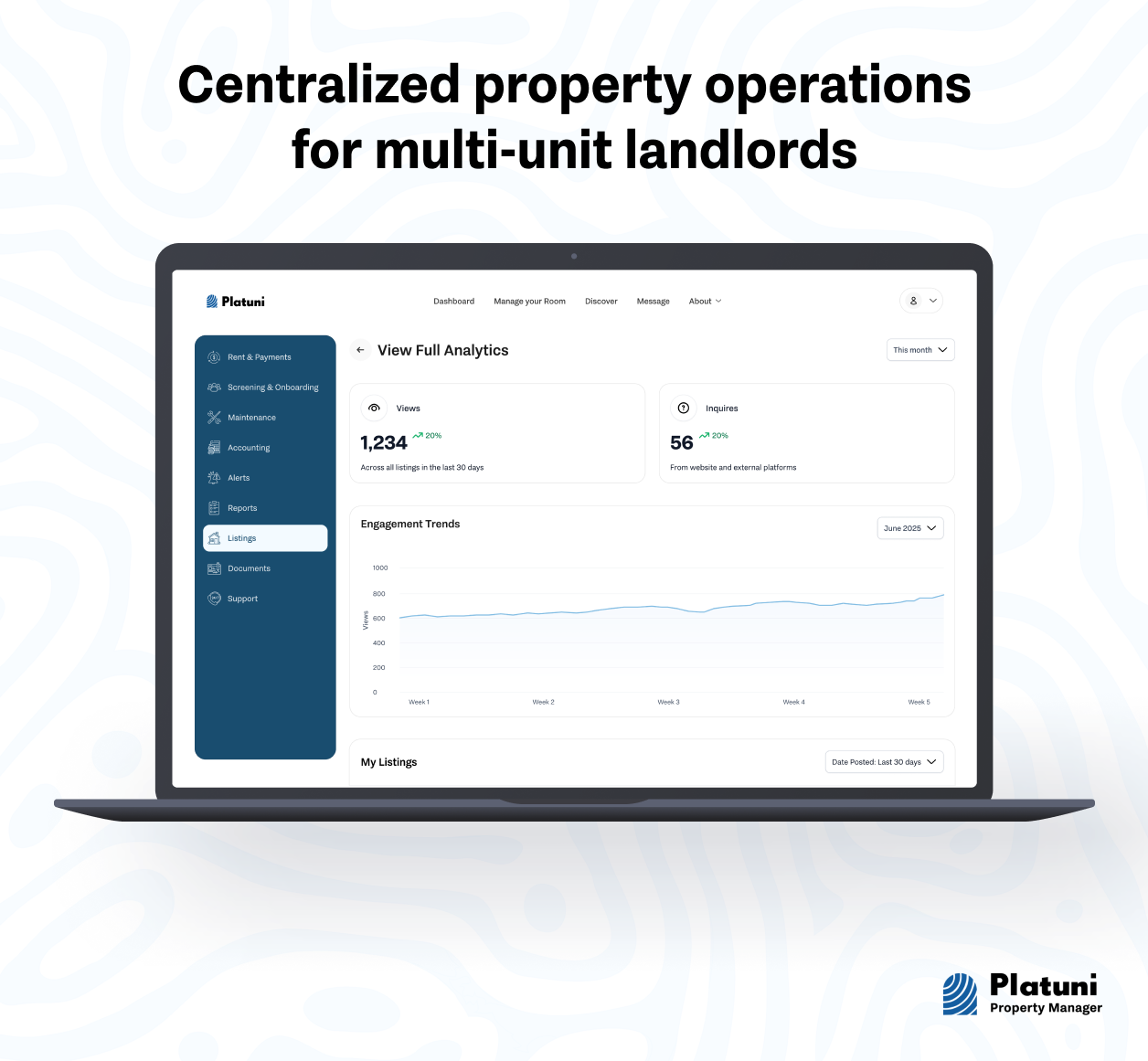
Platuni is a modern lease management platform designed to simplify every aspect of property operations. It centralizes lease tracking, tenant communication, rent collection, and document storage into one intuitive dashboard, giving landlords and property managers real-time visibility and control. At Platuni, we also offer automated reminders for rent payments, lease expirations, and renewals to ensure nothing is missed, while tenants enjoy a self-service portal for accessing leases, submitting requests, and making payments.
Some unique features of Platuni that make lease tracking and management efficient include:
- Automated Lease Tracking: Monitor start/end dates, renewals, and key milestones without manual checks.
- Integrated Rent Collection: Ability to link payments directly to lease records for easy financial tracking.
- Tenant Portal: Tenants can view documents, pay rent, and submit maintenance requests online.
- Document Management: Store and organize leases, addenda, and compliance records securely in one place.
- Reporting & Analytics: Generate insights on occupancy, rent collection trends, and lease performance.
Download the Platuni Property Manager App Today
#2. Buildium
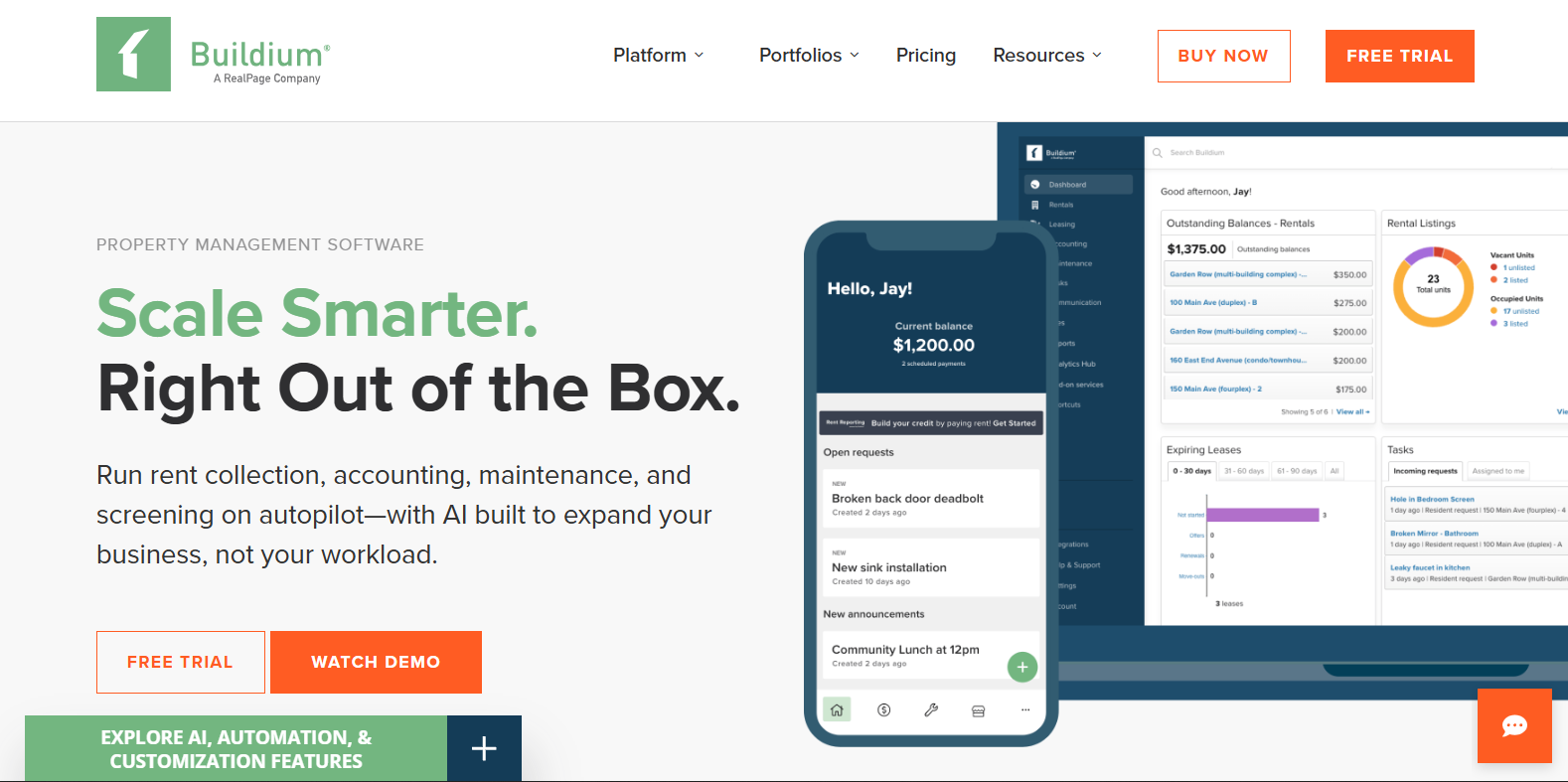
Buildium is a popular property management solution known for its robust lease management capabilities. It supports lease tracking, automated notifications, digital document storage, and online rent collection. Similarly, Buildium includes accounting features, vendor management, and tenant screening, making it an all-in-one solution for both residential and small commercial portfolios. Its reporting tools allow managers to analyze lease performance and occupancy trends, providing valuable insights for decision making.
#3. AppFolio Property Manager
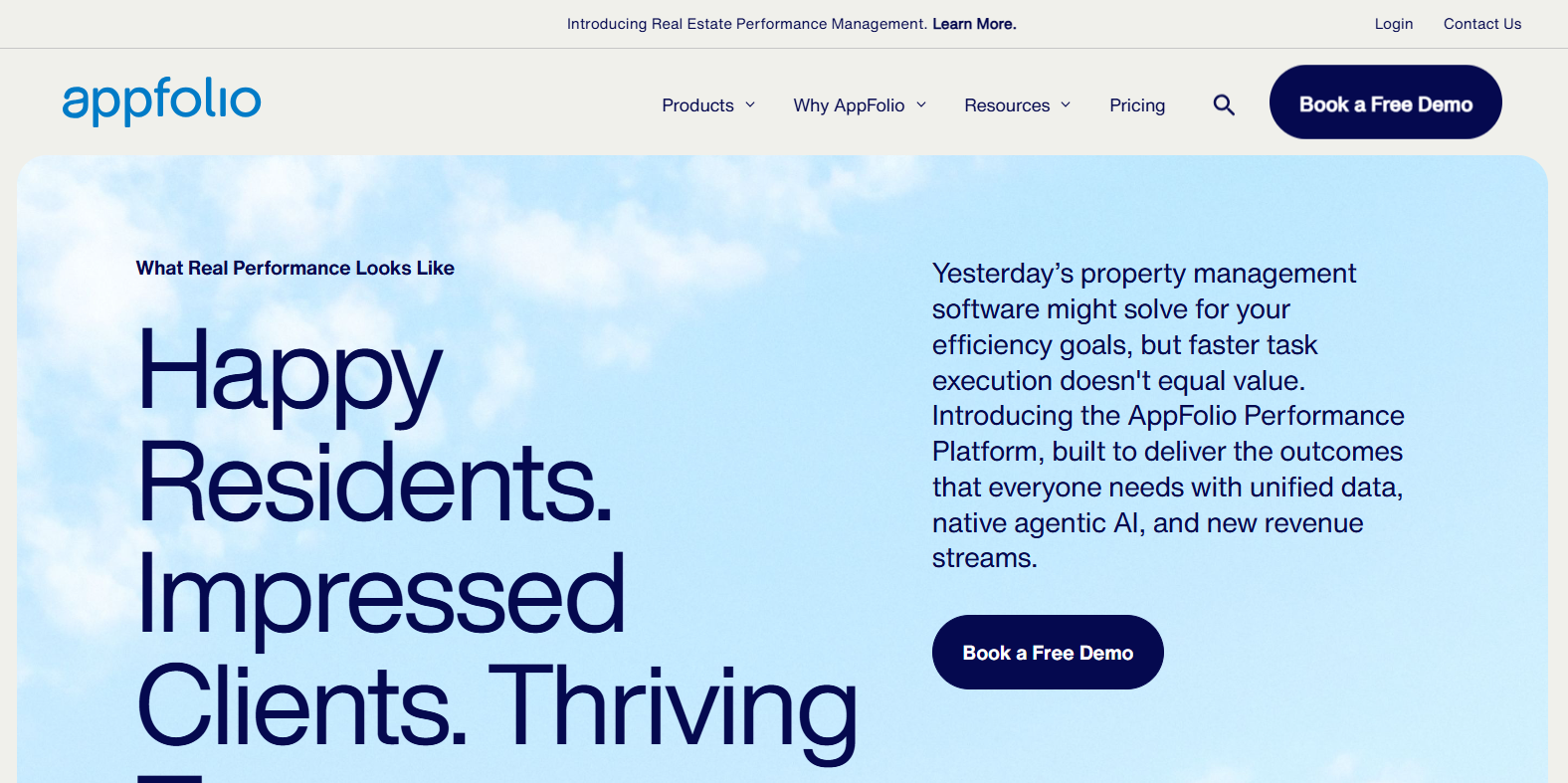
AppFolio is a comprehensive lease management system designed for growing property portfolios. It offers automated lease tracking, online rent payments, maintenance request management, and built-in communication tools. AppFolio also provides advanced reporting and analytics, mobile access for on-the-go management, and integration with popular payment gateways. It’s especially useful for users managing multiple properties or seeking scalable tools with enterprise-level capabilities.
Also Read: Are Landlords Responsible for Appliances?
#4. Yardi Breeze
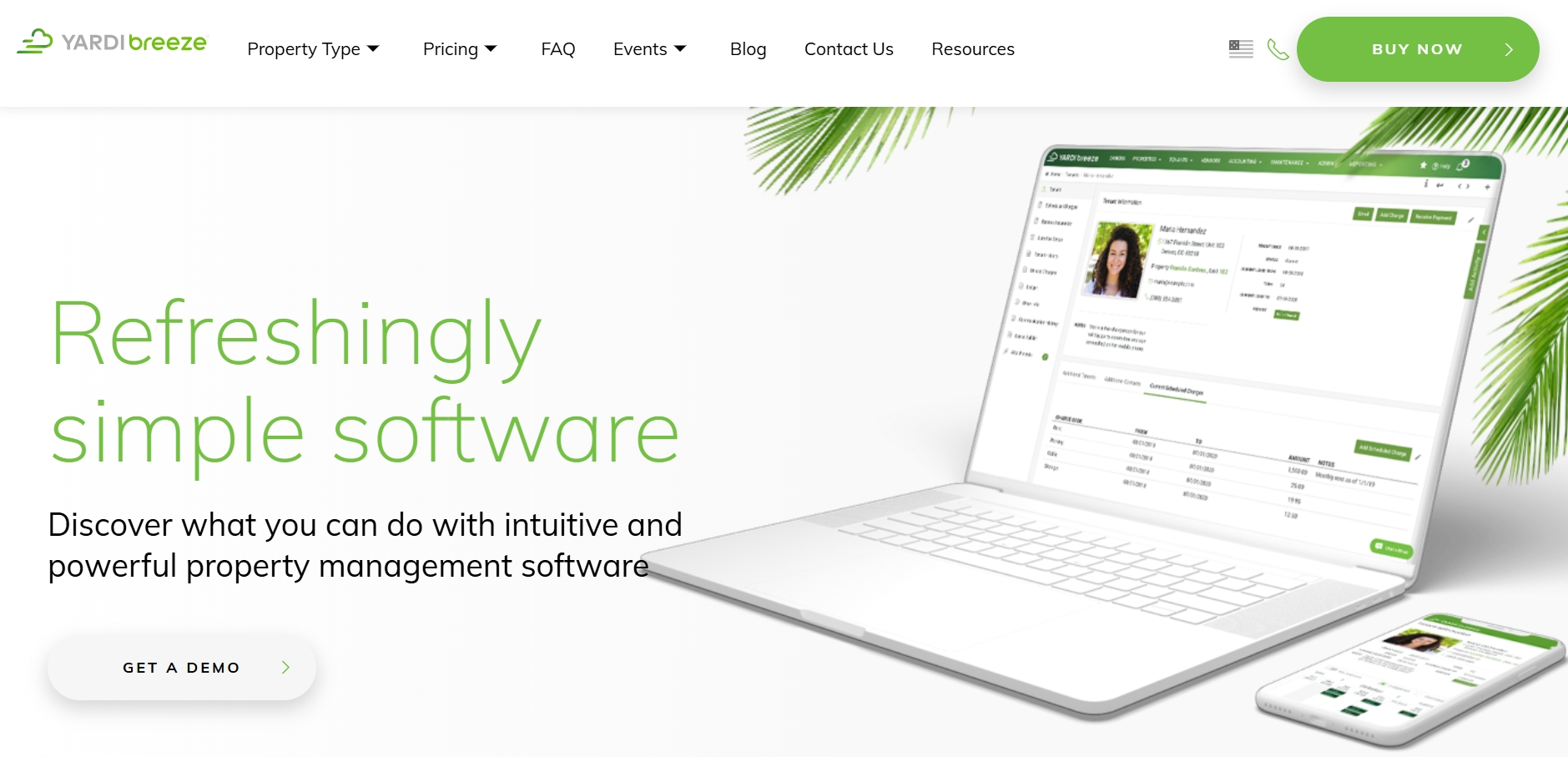
Yardi Breeze is a user-friendly lease management software ideal for landlords and small-to-medium property management teams. It offers streamlined lease tracking, secure online payments, digital documentation, tenant screening integration, and customizable alerts. Typically, Yardi Breeze emphasizes ease of use without sacrificing core functionality, making it a strong choice for those who want powerful tools without a steep learning curve. Its responsive interface also makes reporting and analytics accessible for portfolio oversight.
#5. TenantCloud
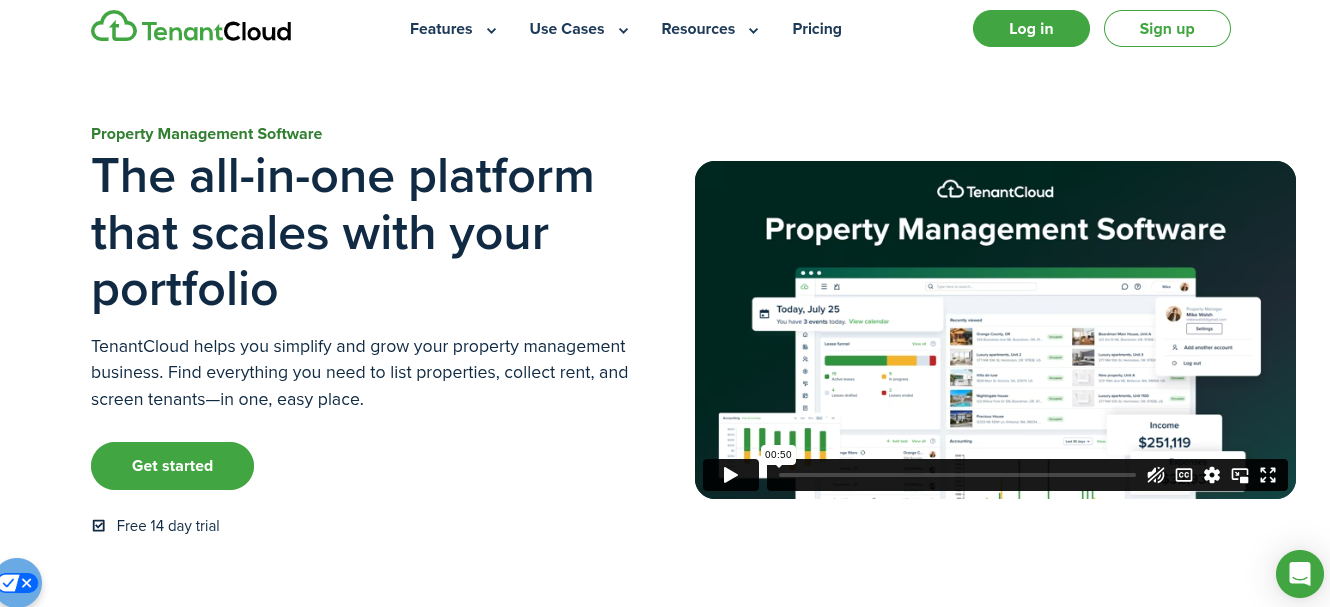
TenantCloud is an affordable lease management platform that provides essential tools for tracking leases, processing online rent payments, storing documents, and communicating with tenants. It’s particularly attractive to small landlords or those with a modest number of units. TenantCloud includes automated reminders for renewals and payments, basic financial reporting, and mobile access. While it may not have all the advanced features of enterprise systems, it offers excellent value and ease of setup.
Also See: Rental Report History | How to Check and Understand It
Frequently Asked Questions About Leasing Management Software
How Does Leasing Management Software Improve Efficiency?
By automating lease tracking, rent reminders, and document management, leasing management software reduces administrative workload, minimizes errors, and allows property managers to focus on tenant experience and portfolio growth.
Can Leasing Management Software Handle Multiple Properties?
Yes. Most modern leasing management platforms are designed to scale, allowing property managers to oversee multiple properties, units, and tenants from a single dashboard with real-time visibility.
How Secure Is Leasing Management Software?
Reliable leasing management software uses encryption, secure cloud storage, and access controls to protect sensitive tenant and financial data, ensuring compliance with data protection regulations.
Can Platuni Integrate Rent Reporting With Lease Management?
Yes. Platuni allows landlords to link rent payments and tenant histories directly to lease records, creating a verified and organized rental history that improves transparency and supports future tenant screening.
Is Leasing Management Software Worth the Investment?
For landlords managing multiple properties, yes. It saves time, reduces administrative errors, improves tenant communication, and provides accurate reporting, making it a cost-effective solution for streamlining operations.
Can Leasing Management Software Automate Rent Collection?
Absolutely. Most platforms, including Platuni, allow tenants to pay online with automatic recording in lease records, reducing late payments and manual follow-ups.
Stay Informed
Subscribe to the Platuni B2B Newsletter to receive industry insights,
new feature announcements, and exclusive growth reports
Related Posts
SEPTEMBER 21, 2026
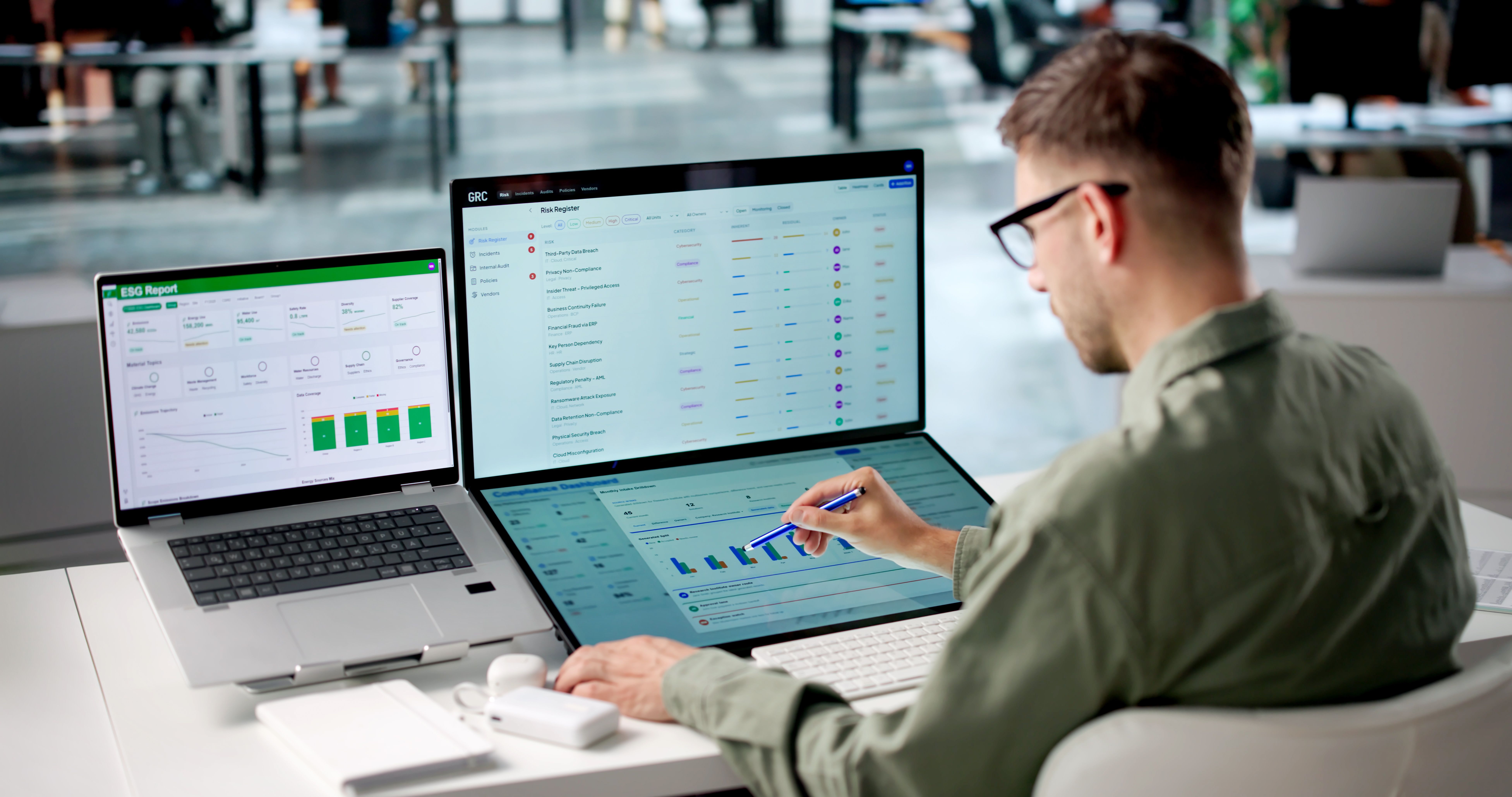
How to Automate Rental Property Management: 10 Tasks Landlords Can Stop Doing Manually
Ten repetitive landlord tasks, rent reminders, payment checks, report building, that automation can take over while judgment calls stay with the landlord.
Learn more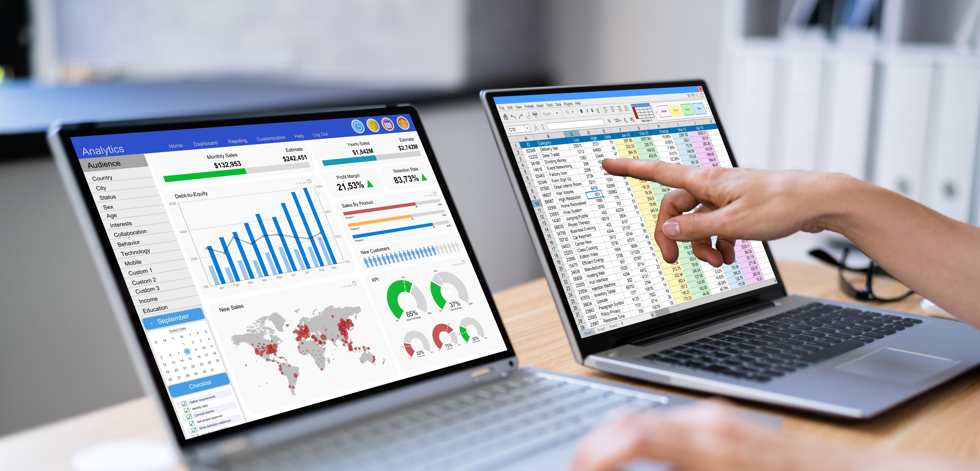
SEPTEMBER 18, 2026
Leasing Automation Software for Property Managers: What It Automates & What It Costs (2026)
Which steps in the leasing workflow are actually worth automating, what that automation costs, and who it isn't worth it for.
Learn more