
Property Management & Operations
North Carolina Eviction Process: Laws & Timeline in 2026
by Platuni | 22 Apr, 2026 | 6 mins read
Platuni
22 April, 2026
6 mins read
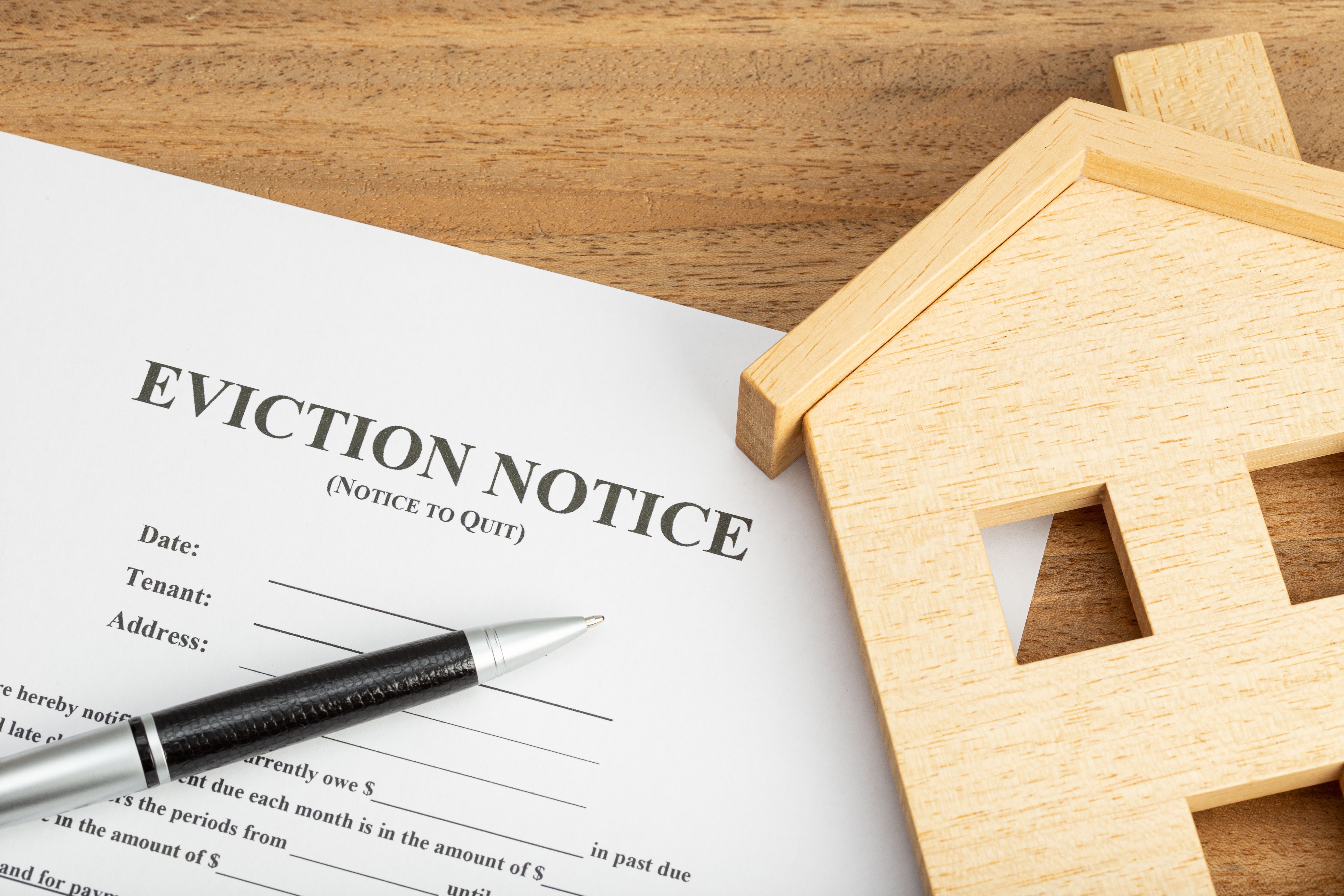
Evictions are stressful, both for landlords and tenants. Imagine owning a rental property in Charlotte or Raleigh and suddenly facing a tenant who hasn’t paid rent for two months. Without knowing the proper legal steps, landlords can easily make mistakes that delay the process or even result in penalties. According to the North Carolina Judicial Branch, following the proper North Carolina eviction process is essential to regain possession lawfully.
Many landlords assume eviction is as simple as changing locks or posting a notice, but in North Carolina, these “self-help” methods are illegal. Tenants are protected under state law, and improper procedures can backfire. Typically, summary ejectment is the standard method for eviction in North Carolina, and the courts require precise steps, including notices and formal filings.
This article will guide you through the North Carolina eviction process step by step. You will learn the legal grounds for eviction, notice requirements, court procedures, timelines, and tenant rights. Below are the main points we’ll cover:
- Legal grounds for eviction
- Required notices before filing
- Step-by-step eviction process
- Tenant rights and defenses
- Post-eviction procedures
Also Read: North Carolina Landlord Tenant Rental Laws & Rights for 2026
What Are the Legal Grounds for Eviction Under North Carolina Law?
In North Carolina, the North Carolina eviction process allows landlords to remove tenants only for legally recognized reasons. Hence, courts require landlords to prove valid grounds before granting eviction, ensuring tenants are not removed unfairly. Below are some legal grounds for eviction:
- Nonpayment of rent: This is the most common reason for eviction. If a tenant fails to pay rent and does not comply after a formal demand, the landlord can file for eviction.
- Lease violations: A landlord can evict a tenant for breaching lease terms, such as unauthorized occupants, property damage, or violating agreed rules.
- Holding over after lease expiration: If a tenant remains in the property after the lease ends without the landlord’s consent, eviction can be initiated.
- Criminal activity: Illegal acts such as drug-related activity or violent conduct can justify eviction.
Also Read: North Carolina HOA Laws: A Comprehensive Guide
What Notice Is Required Before Starting an Eviction in North Carolina?
Before starting the North Carolina eviction process, landlords may need to provide notice depending on the reason for eviction. While North Carolina law does not always require advance notice before filing, giving proper notice is common and often necessary for a successful case.
Here's the various notices required:
- 10-day notice for nonpayment of rent: Landlords must give tenants a 10-day written demand for rent, allowing them time to pay before eviction is filed.
- 7-day notice for lease violations: For curable lease violations, tenants may receive a notice to fix the issue or vacate within a specified timeframe.
- 7-day notice for month-to-month tenancy termination: Landlords can terminate a month-to-month lease with at least 7 days’ notice.
Kindly note that no strict universal notice requirement before filing. According to the North Carolina Judicial Branch, landlords are not always required to give an eviction notice before filing in court, though notices are often used to give tenants a chance to leave voluntarily.
Additionally, proper service of court documents is mandatory. Once the case is filed, tenants must be formally served with court papers (via sheriff or certified mail), which serves as official notice of the eviction proceeding.
Also Read: North Carolina Security Deposit Laws | Deductions & Rights
How to Evict a Tenant in North Carolina?
Evicting a tenant in North Carolina follows a structured legal process. The North Carolina eviction process is designed to balance landlord rights with tenant protections, so skipping steps or using force can lead to delays or legal penalties. The key is to follow each stage carefully, document everything, and allow the court to handle enforcement.
Below is a step-by-step process on how you can evict a tenant:
Step 1: Identify Legal Grounds for Eviction
Before taking action, confirm that you have a valid legal reason, such as nonpayment of rent, lease violation, or holdover tenancy. Without a lawful basis, the court will dismiss your case regardless of your situation.
Step 2: Serve the Appropriate Notice
Although not always mandatory, providing notice strengthens your case. For example, a 10-day demand for rent is commonly used for nonpayment, while lease violations may require a notice to cure or vacate. This step shows good faith and creates a record of communication.
Step 3: File a Complaint in Court (Summary Ejectment)
If the tenant does not comply, file a Summary Ejectment Complaint with the local court. This officially starts the North Carolina eviction process. You’ll need to provide details such as the lease agreement, reason for eviction, and proof of notice (if given).
Also Read: South Carolina Eviction Laws: The Process & Timeline in 2026
Step 4: Serve the Tenant with Court Papers
The tenant must be formally notified of the case. In North Carolina, the sheriff typically serves the summons and complaint. Typically, proper service is critical, because if done incorrectly, your case may be delayed or dismissed.
Step 5: Attend the Court Hearing
The hearing is usually scheduled quickly after filing. At this stage:
- Present your evidence (lease, payment records, notices)
- Explain your legal grounds for eviction
- Respond to any tenant defenses
The judge will decide whether to grant possession of the property.
Step 6: Obtain a Judgment for Possession
If the court rules in your favor, you will receive a judgment for possession. However, the tenant still has a short window (usually 10 days) to appeal or voluntarily move out.
Step 7: Request a Writ of Possession
If the tenant does not leave, request a Writ of Possession from the court. This document authorizes law enforcement to remove the tenant legally.
Step 8: Sheriff Executes the Eviction
Only the sheriff can physically remove the tenant. As a result, you must not attempt to do this yourself. Once executed, you regain possession of your property and can proceed with cleanup or re-leasing.
Also Read: South Carolina HOA Laws: A Comprehensive Guide
How Long Does the North Carolina Eviction Process Take in 2026?
The timeline for the North Carolina eviction process depends on how smoothly each stage progresses, but a standard case typically takes about 3 to 6 weeks from start to finish. This includes any notice period (often 7–10 days for nonpayment), followed by filing the case and waiting for a court hearing, which is usually scheduled within 7 to 15 days. If the court rules in favor of the landlord, the tenant is given a 10-day appeal window, after which the landlord can request a writ of possession.
However, this timeline can extend if complications arise. If the tenant contests the eviction, files an appeal, or if there are delays in court scheduling or improper documentation, the process can stretch into several months. Therefore, the speed of the North Carolina eviction process largely depends on how accurately the landlord follows legal procedures and whether the tenant cooperates or challenges the case.
Tenant Rights and Defenses During the Eviction Process in North Carolina
Tenants going through the North Carolina eviction process have clearly defined rights and multiple legal defenses they can raise in court. These protections ensure that eviction is not automatic and that landlords must strictly follow the law before removing a tenant. Here are tenant rights during eviction in the North:
Right to Due Process and a Fair Hearing
Tenants have the right to be notified of the case and present their defense in court. The North Carolina Judicial Branch affirms that eviction is a legal proceeding called “summary ejectment,” and tenants must be given “the opportunity for a hearing in which they can present a defense.” This means a landlord cannot remove a tenant without first proving their case before a judge.
Protection Against Illegal Eviction Actions
Tenants are protected from unlawful or “self-help” evictions. The North Carolina Legal Service states that landlords cannot change locks, shut off utilities, or remove doors to force a tenant out. Any attempt to bypass the legal process can invalidate the eviction and expose the landlord to liability.
Also Read: South Dakota Eviction Laws: The Process & Timeline In 2026
Defense Based on Improper Procedure or Lack of Evidence
Tenants can challenge the eviction if the landlord fails to follow proper procedures. For example, eviction cases must comply with Chapter 42 of North Carolina law, which outlines strict filing and service requirements. If notices, filings, or service of court papers are incorrect, the court may dismiss the case.
Defense Based on Payment or Lease Compliance
Tenants can defend themselves by showing they complied with the lease. According to eviction guidance, nonpayment cases can fail if the tenant proves rent was paid or disputes the amount owed. Similarly, if the landlord cannot prove a lease violation, the eviction may not succeed.
Protection Against Retaliatory or Unfair Evictions
Tenants may also raise defenses if the eviction is retaliatory, for example, after reporting unsafe conditions. NC legal aid resources note that tenant rights laws help define legal boundaries in eviction cases and protect against unfair practices, reinforcing that eviction must be justified and lawful.
Right to Appeal the Decision
Even after losing, tenants still have legal options. Under North Carolina law, tenants can appeal the judgment, which temporarily delays enforcement while the case is reviewed. This gives tenants additional time and an opportunity to challenge the outcome.
What Happens After a Court Orders Eviction in North Carolina?
After a court orders eviction, the North Carolina eviction process continues with several important legal steps before the tenant is physically removed. The process does not end immediately with the judgment.
First, the tenant is given a 10-day period to appeal the decision or move out voluntarily. During this time, the eviction cannot be enforced. If the tenant files an appeal, the case moves to a higher court and enforcement is paused until a final decision is made.
If the tenant does not appeal or move out voluntarily, the landlord can request a Writ of Possession. This legal document authorizes the sheriff to remove the tenant from the property. As emphasized by the North Carolina Judicial Branch, only law enforcement, not the landlord, can carry out the eviction.
Once the writ is issued, the sheriff typically schedules the eviction within a few days. At that point, the tenant is removed, and the landlord regains possession of the property. Any remaining belongings may be handled according to state rules, often involving storage or disposal procedures.
Also Read: Eviction Notice Template | How to Write & Download Free Forms
Frequently Asked Questions About the North Carolina Eviction Process
How Much Does It Cost to Evict a Tenant in North Carolina?
The cost of the North Carolina eviction can vary depending on the situation, but most landlords should expect to spend between $150 and $500 for a straightforward case. This typically includes court filing fees (around $96–$150), service fees for the sheriff, and the cost of issuing a writ of possession. If the case becomes contested or requires legal representation, total costs can rise, sometimes exceeding $1,000 or more due to attorney fees, lost rent, and potential property repairs.
Can a tenant stop an eviction in North Carolina?
Yes, a tenant may stop or delay an eviction by paying overdue rent (in some cases), correcting lease violations, or successfully defending themselves in court. Filing an appeal within the allowed time frame can also pause the eviction temporarily.
How can landlords avoid eviction disputes in North Carolina?
Landlords can reduce disputes by using clear lease agreements, documenting all payments and communications, and addressing issues early.
Can platforms like Platuni help manage evictions and rental records?
Yes. Platforms like Platuni help landlords stay organized by tracking rent payments, documenting tenant communication, and managing lease agreements in one place.
What happens if a tenant leaves belongings behind after eviction?
If a tenant leaves personal property behind, North Carolina law allows landlords to handle it according to specific procedures. After an eviction, landlords must store a tenant’s abandoned belongings for about seven to ten days before disposing of or selling them. During this period, the landlord must allow the tenant to retrieve their items.
Do landlords need a lawyer to evict a tenant in North Carolina?
No, landlords are not legally required to hire a lawyer for the North Carolina eviction process, especially for simple cases like nonpayment of rent. Landlords can represent themselves or use a property manager in small claims court. However, legal representation can be helpful in complex disputes or when tenants challenge the eviction in District Court.
Stay Informed
Subscribe to the Platuni B2B Newsletter to receive industry insights,
new feature announcements, and exclusive growth reports
Related Posts

SEPTEMBER 22, 2026
How to Build a Rental Maintenance Workflow From Request to Completion
Defines what should happen after a maintenance request comes in, logging, prioritizing, assigning, verifying, and documenting the repair through to completion.
Learn more
SEPTEMBER 22, 2026
QuickBooks vs Property Management Software for Rental Properties
Explains why QuickBooks and property management software solve different problems, and when a landlord needs one, the other, or both.
Learn more