
Data, Compliance & Insights
Eviction Notice Template | How to Write & Download Free Forms
by Platuni | 07 Mar, 2026 | 10 mins read
Platuni
07 March, 2026
10 mins read
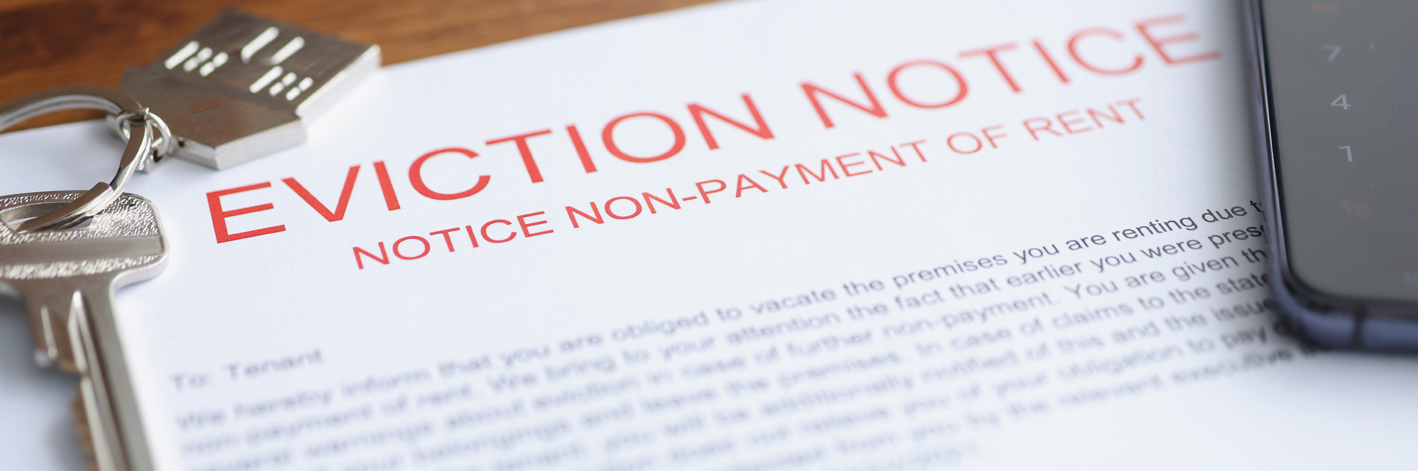
Property disputes rarely start in court. Most begin with a simple document, an eviction notice template, yet many landlords and property managers struggle to write one correctly. In fact, housing research from Eviction Lab shows that about 3.6 million eviction cases are filed every year, highlighting how common landlord-tenant disputes have become. However, many of these cases escalate because the initial notice is written incorrectly, missing key legal details, or delivered the wrong way. A poorly written notice can delay eviction, trigger legal disputes, or even invalidate the entire process. Landlords often discover too late that one missing clause or incorrect timeline can cost months of rent and unnecessary stress.
Rental conflicts rarely feel simple in real life. Rent may be overdue for weeks, tenants might ignore payment reminders, and lease violations sometimes continue despite warnings. Property owners then face uncertainty about what to write, what legal language to use, and how much notice the law actually requires. Confusion grows when searching online templates that are outdated, incomplete, or not designed for real property management situations. As a result, many landlords either delay action or send notices that courts may reject, which only makes the situation worse.
Reliable guidance makes all the difference. That is where Platuni helps property owners, landlords, and real estate professionals. This page provides a clear eviction notice template, explains how to write one correctly, and allows you to download free forms that follow proper structure. Step-by-step explanations ensure that notices remain professional, legally sound, and easy to prepare, helping landlords resolve tenant issues faster and more confidently.
Also See: Apartment Flood Insurance: Coverage and Exclusions
What Is an Eviction Notice Template?
An eviction notice template is a ready-to-use legal document that landlords use to formally notify a tenant that a lease agreement has been violated or that the tenancy will end within a specific timeframe. The document outlines the issue, explains what the tenant must do to fix it, and states the deadline for compliance or moving out.
Landlords and property managers rely on eviction notice templates to ensure that notices contain the correct legal information required under landlord-tenant laws. In the United States, eviction procedures are governed largely at the state level, while federal housing guidelines may also apply through agencies like the U.S. Department of Housing and Urban Development (HUD). In Canada, eviction rules fall under provincial legislation and housing authorities such as the Canada Mortgage and Housing Corporation (CMHC) and provincial landlord-tenant boards.
When Landlords Should Use an Eviction Notice Template
An eviction notice template becomes necessary whenever a landlord must legally notify a tenant of a serious issue related to the rental agreement. Proper notice often serves as the first legal step before filing an eviction case in court.
Common situations where landlords use an eviction notice template include:
- Non-payment of rent within the agreed due date
- Violation of lease terms, such as unauthorized pets or property misuse
- Repeated disturbances or illegal activities at the property
- Termination of a month-to-month lease or non-renewal of a rental agreement
- Property repossession or renovation plans permitted under local housing laws
Different jurisdictions require specific notice periods before a landlord can proceed with eviction. In the United States, for example, states such as California require a 3-day notice to pay rent or quit, while other states may allow longer periods depending on the violation.
Also See: Security Deposit Alternatives for Renters | How They Work
Legal Importance of Using a Proper Eviction Notice
A properly written eviction notice template protects both landlords and tenants. Courts often require proof that the tenant received a lawful notice before an eviction case can proceed. Incorrect notices may delay eviction proceedings or cause a landlord to lose the case.
Key legal reasons landlords must use a proper eviction notice include:
- Proof of compliance with landlord-tenant laws before filing an eviction lawsuit
- Clear documentation of the lease violation or reason for termination
- Evidence for court hearings if the dispute escalates
- Protection against wrongful eviction claims
In the U.S., eviction disputes are commonly filed as unlawful detainer cases, regulated under state civil codes and housing laws. Canadian landlords must follow provincial tenancy legislation and may need approval from housing tribunals such as the Landlord and Tenant Board in Ontario before removing a tenant.
Digital property management platforms and landlord tools can simplify compliance by helping property owners create and store legally structured notices. When managing multiple rental properties, organized documentation and standardized notice templates can reduce legal risk and improve tenant communication.
Also See: Will Tariffs Affect Home Prices? Housing Market Impact
Types of Eviction Notice Templates Landlords Use
Landlords rely on different versions of an eviction notice template depending on the situation with the tenant. Each notice serves a specific legal purpose and must clearly explain the issue, the time allowed to fix it, and the possible consequences if the tenant does not comply. Rental laws in the United States and Canada require landlords to provide proper written notice before starting formal eviction proceedings.
Below are the most common eviction notice templates used in residential property management.
#1. Notice to Pay Rent or Quit
A Notice to Pay Rent or Quit is the most commonly used eviction notice template. Landlords issue this notice when a tenant fails to pay rent within the required time stated in the lease agreement.
The notice informs the tenant that they must:
- Pay the outstanding rent within a specific number of days, or
- Vacate the property if payment is not made.
In many U.S. states, notice periods vary. For example, California commonly uses a 3-day notice, while other states may allow 5–14 days depending on local law. Rental regulations and tenant protections are overseen at the federal level by the U.S. Department of Housing and Urban Development.
Canadian landlords must follow provincial tenancy laws. For example, Ontario landlords must follow eviction rules administered by the Ontario Landlord and Tenant Board.
#2. Notice to Comply or Vacate
A Notice to Comply or Vacate applies when a tenant violates a lease agreement but still has the opportunity to correct the problem.
Typical violations include:
- Unauthorized pets
- Property damage
- Noise complaints or disturbances
- Subletting without permission
This eviction notice template gives the tenant a deadline to correct the violation. The tenant may continue living in the property if the issue is resolved within the allowed time.
Many states require landlords to clearly reference the specific lease clause that was violated. Similar rules apply across Canadian provinces where lease agreements must align with local residential tenancy legislation.
Also See: Landlord Responsibilities in California: Legal Overview
#3. Illegal Activity Eviction Notice
An Illegal Activity Eviction Notice is issued when a tenant engages in unlawful activities within the rental property. Serious violations can lead to immediate lease termination in some jurisdictions.
Examples include:
- Drug-related activity
- Property destruction
- Criminal conduct on the premises
Federal housing regulations enforced through the U.S. Department of Housing and Urban Development allow landlords in certain federally assisted housing programs to take fast action in cases involving illegal behavior.
Many provinces in Canada also allow expedited eviction for criminal activity under provincial tenancy laws administered through housing tribunals.
#4. Month-to-Month Lease Termination Notice
A Month-to-Month Lease Termination Notice allows either the landlord or tenant to end a periodic tenancy agreement.
This eviction notice template is commonly used when:
- A landlord plans to sell or renovate the property
- The tenant plans to relocate
- Either party chooses not to continue the rental arrangement
Notice periods often range from 30 to 60 days depending on the jurisdiction and lease terms. Canadian provinces also require advance notice, usually defined under residential tenancy acts enforced by provincial housing authorities.
Also See: Is Real Estate a Good Investment? | Pros, Cons, and Risks
Eviction Notice Template by State
An eviction notice template must follow the laws of the state where the rental property is located. Landlord-tenant regulations in the United States are primarily governed at the state level, meaning notice periods and eviction rules differ across jurisdictions.
State eviction statutes determine how long tenants must be given to respond to a notice, what type of violation qualifies for eviction, and the legal process required before a landlord can file a court case. Property owners who use a correct eviction notice template aligned with state law reduce the risk of dismissal in court.
Below is a summary of typical eviction notice periods across U.S. states for non-payment of rent and lease non-compliance, along with references to the applicable legal statutes.
Also See: Residential Lease Agreement Template | Legal & Customizable
Typical Notice Periods Across U.S. States
- Alabama: 7-Day Notice (Non-Payment), 7-Day Notice (Non-Compliance) — Law: §35-9A-421
- Alaska: 7-Day Notice (Non-Payment), 10-Day Notice (Non-Compliance) — Law: AS 34.03.220
- Arizona: 5-Day Notice (Non-Payment), 10-Day Notice (Non-Compliance) — Law: §33-1368
- Arkansas: 3-Day Notice (Non-Payment), 14-Day Notice (Non-Compliance) — Law: §18-60-304
- California: 3-Day Notice (Non-Payment), 3-Day Notice (Non-Compliance) — Law: CCP §1161
- Colorado: 5–10 Day Notice (Non-Payment), 5–10 Day Notice (Non-Compliance) — Law: §13-40-104
- Connecticut: 3-Day Notice (Non-Payment), N/A (Non-Compliance) — Law: §47a-23
- Delaware: 5-Day Notice (Non-Payment), 7-Day Notice (Non-Compliance) — Law: Title 25 §5502
- Florida: 3-Day Notice (Non-Payment), 7-Day Notice (Non-Compliance) — Law: §83.56
- Georgia: 3-Day Notice (Non-Payment), N/A (Non-Compliance) — Law: §44-7-50
- Hawaii: 5-Day Notice (Non-Payment), 10-Day Notice (Non-Compliance) — Law: §521-68
- Idaho: 3-Day Notice (Non-Payment), 3-Day Notice (Non-Compliance) — Law: §6-303
- Illinois: 5-Day Notice (Non-Payment), 10-Day Notice (Non-Compliance) — Law: 735 ILCS 5/9-209
- Indiana: 10-Day Notice (Non-Payment), N/A (Non-Compliance) — Law: IC 32-31-1-6
- Iowa: 3-Day Notice (Non-Payment), 7-Day Notice (Non-Compliance) — Law: §562A.27
- Kansas: 3-Day Notice (Personal Delivery) / 5-Day Notice (Mail Delivery) (Non-Payment), 14-Day Notice (Non-Compliance) — Law: K.S.A. 58-2564
- Kentucky: 7-Day Notice (Non-Payment), 14-Day Notice (Non-Compliance) — Law: KRS 383.660
- Louisiana: 5-Day Notice (Non-Payment), 5-Day Notice (Non-Compliance) — Law: CCP 4701
- Maine: 7-Day Notice (Non-Payment), 7-Day Notice (Non-Compliance) — Law: Title 14 §6002
- Maryland: 10-Day Notice (Non-Payment), 30-Day Notice (Non-Compliance) — Law: §8-401
- Massachusetts: 14-Day Notice (Non-Payment), 30-Day Notice (Non-Compliance) — Law: Chapter 186 §11
- Michigan: 7-Day Notice (Non-Payment), 7-Day Notice (Non-Compliance) — Law: §554.134
- Minnesota: 14-Day Notice (Non-Payment), N/A (Non-Compliance) — Law: §504B.321
- Mississippi: 3-Day Notice (Non-Payment), 14–30 Day Notice (Non-Compliance) — Law: §89-8-13
- Missouri: Immediate Notice (Non-Payment), 10-Day Notice (Non-Compliance) — Law: §535.060
- Montana: 3-Day Notice (Non-Payment), 3-Day Notice (Non-Compliance) — Law: §70-24-422
- Nebraska: 7-Day Notice (Non-Payment), 14–30 Day Notice (Non-Compliance) — Law: §76-1431
- Nevada: 5-Day Notice (Non-Payment), 5-Day Notice (Non-Compliance) — Law: NRS 40.2512
- New Hampshire: 7-Day Notice (Non-Payment), 30-Day Notice (Non-Compliance) — Law: §540:3
- New Jersey: 30-Day Notice (Non-Payment), Varies (Non-Compliance) — Law: 2A:18-61
- New Mexico: 3-Day Notice (Non-Payment), 7-Day Notice (Non-Compliance) — Law: §47-8-33
- New York: 14-Day Notice (Non-Payment), 30-Day Notice (Non-Compliance) — Law: §711
- North Carolina: 10-Day Notice (Non-Payment), Immediate Notice (Non-Compliance) — Law: §42-3
- North Dakota: 3-Day Notice (Non-Payment), 3-Day Notice (Non-Compliance) — Law: §47-32
- Ohio: 3-Day Notice (Non-Payment), 3-Day Notice (Non-Compliance) — Law: §1923
- Oklahoma: 5-Day Notice (Non-Payment), 10–15 Day Notice (Non-Compliance) — Law: Title 41 §131
- Oregon: 10–13 Day Notice (Non-Payment), 10–14 Day Notice (Non-Compliance) — Law: ORS 90.394
- Pennsylvania: 10-Day Notice (Non-Payment), 15–30 Day Notice (Non-Compliance) — Law: §250.501
- Rhode Island: 5-Day Notice (Non-Payment), 20-Day Notice (Non-Compliance) — Law: §34-18-35
- South Carolina: 5-Day Notice (Non-Payment), 14-Day Notice (Non-Compliance) — Law: §27-40-710
- South Dakota: Immediate Notice (Non-Payment), Reasonable Notice (Non-Compliance) — Law: §21-16-1
- Tennessee: 14-Day Notice (Non-Payment), 30-Day Notice (Non-Compliance) — Law: §66-28-505
- Texas: 3-Day Notice (Non-Payment), 3-Day Notice (Non-Compliance) — Law: §24.005
- Utah: 3-Day Notice (Non-Payment), 3-Day Notice (Non-Compliance) — Law: §78B-6-802
- Vermont: 14-Day Notice (Non-Payment), 30-Day Notice (Non-Compliance) — Law: §4467
- Virginia: 5-Day Notice (Non-Payment), 21–30 Day Notice (Non-Compliance) — Law: §55.1-1245
- Washington: 14-Day Notice (Non-Payment), 10-Day Notice (Non-Compliance) — Law: RCW 59.12
- West Virginia: Immediate Notice (Non-Payment), Immediate Notice (Non-Compliance) — Law: §55-3A-1
- Wisconsin: 5-Day Notice (Non-Payment), 5-Day Notice (Non-Compliance) — Law: §704.17
- Wyoming: 3-Day Notice (Non-Payment), 3-Day Notice (Non-Compliance) — Law: §1-21-1003
State-specific rules continue to change as housing regulations evolve. Landlords should always verify the latest legal requirements before issuing an eviction notice. Official statutes, housing authority resources, and court guidelines remain the best reference points when preparing a legally valid eviction notice template.
Typical Notice Periods Across Canada
An eviction notice template in Canada must follow the residential tenancy laws of the province where the rental property is located. Unlike the United States, Canada regulates landlord-tenant relationships mainly at the provincial level, and each province has its own tribunal or housing authority that oversees disputes and eviction procedures. Typical notice periods can range from as short as 7–14 days for unpaid rent to several months for landlord-use or renovation cases, depending on the province and the reason for eviction.
Landlords must usually submit disputes or enforcement requests through official housing tribunals rather than removing a tenant directly. These agencies ensure the eviction process follows local residential tenancy laws.
Also See: Best Property Management Companies in Kansas City | 2026 Guide
Ontario
- Typical notice for non-payment: 10–20 days
- Other common notice periods: 60 days or more for landlord use or termination
- Governing authority: Ontario Landlord and Tenant Board
British Columbia
- Typical notice for non-payment: 10 days for unpaid rent
- Other common notice periods: 1–4 months depending on the reason for eviction
- Governing authority: Residential Tenancy Branch
Alberta
- Typical notice for non-payment: 14 days for unpaid rent
- Other common notice periods: 24 hours to 14 days depending on the lease violation
- Governing authority: Residential Tenancy Dispute Resolution Service (RTDRS)
Quebec
- Typical notice for non-payment: Short notice period for unpaid rent
- Other common notice periods: Up to 6 months for repossession or eviction in certain cases
- Governing authority: Tribunal administratif du logement
Manitoba
- Typical notice for non-payment: 7 days
- Other common notice periods: Around 1 month for landlord-use termination
- Governing authority: Residential Tenancies Branch Manitoba
Saskatchewan
- Typical notice for non-payment: Around 7 days
- Other common notice periods: About 2 months if the landlord needs the property for personal use
- Governing authority: Office of Residential Tenancies Saskatchewan
Nova Scotia
- Typical notice for non-payment: About 15 days
- Other common notice periods: Around 2 months for landlord use
- Governing authority: Nova Scotia Residential Tenancies Program
Prince Edward Island
- Typical notice for non-payment: Around 20 days
- Other common notice periods: 30–60 days for other lease violations or termination reasons
- Governing authority: Prince Edward Island Residential Tenancy Office
Newfoundland and Labrador
- Typical notice for non-payment: About 10 days after rent becomes late
- Other common notice periods: Varies depending on the lease violation
- Governing authority: Newfoundland and Labrador Residential Tenancies Office
Yukon, Northwest Territories, and Nunavut
- Typical notice for non-payment: Varies depending on the situation
- Other common notice periods: Often similar to provincial residential tenancy rules
- Governing authority: Local residential tenancy offices within each territory
Also See: Landlord Laws in Ontario | Rules Every Property Owner Must Know
How to Write an Eviction Notice Template (Step-by-Step Guide)
A properly written eviction notice template helps landlords meet legal requirements before starting a formal eviction case. Rental laws in the United States and Canada require landlords to give written notice before filing in court. These requirements come from tenancy laws such as the Uniform Residential Landlord and Tenant Act (URLTA) used in many U.S. states and provincial residential tenancy laws enforced through agencies like the Ontario Landlord and Tenant Board.
The steps below explain how landlords typically prepare a legally valid eviction notice.
Step 1: Describe the Rental Property
An eviction notice template must clearly identify the rental property involved in the dispute.
Include:
- Full property address
- Unit or apartment number
- City, state or province, and ZIP/postal code
Clear property identification prevents disputes during court proceedings. Courts such as the California Superior Court require accurate property information when landlords file eviction cases under California Code of Civil Procedure §1161.
Step 2: Select the Correct Type of Eviction Notice
Different situations require different eviction notices. The notice type determines the legal rights of the tenant and the landlord.
Also See: Alabama Eviction Laws | Process, Timelines, and Tenant Rights
Step 3: Include Landlord and Tenant Information
A valid eviction notice template must identify all parties involved.
Include:
- Landlord’s full legal name
- Tenant’s full name as shown on the lease
- Property manager information (if applicable)
- Landlord contact address or phone number
Courts may reject eviction filings if the tenant’s legal name does not match the lease agreement.
Step 4: State the Violation or Reason for Eviction
The notice must clearly explain why the tenant is receiving the eviction notice.
Common reasons include:
- Unpaid rent
- Lease violations
- Property damage
- Illegal activity
- Expired lease or termination of tenancy
Many states require landlords to cite the lease clause or legal rule violated. Texas eviction notices, for example, operate under Texas Property Code §24.005, which explains when a landlord may issue a notice to vacate.
Also See: What Is a Certificate of Rent Paid? | Purpose and Tax Use
Step 5: Add the Required Notice Period
Every jurisdiction sets a minimum notice period before eviction can proceed.
Notice periods exist to protect tenant rights and ensure due process. Government agencies such as the Residential Tenancy Branch in British Columbia publish official notice guidelines.
Step 6: Provide Payment or Compliance Instructions
The eviction notice template must explain how the tenant can resolve the issue.
Typical instructions include:
- Amount of unpaid rent
- Payment deadline
- Accepted payment methods
- Steps to correct a lease violation
Clear instructions often help tenants fix the issue before the eviction process escalates.
Property management platforms like Platuni help landlords track rent payments, communicate with tenants, and keep property records organized. Organized documentation can support eviction notices if a dispute later reaches court.
Try Downloading the Platuni Property Manager App Today!
How to Serve an Eviction Notice to a Tenant
Serving the notice properly is as important as writing it. Courts require proof that the tenant actually received the eviction notice.
Service rules vary by jurisdiction, but most tenancy laws recognize several common methods.
#1. Delivering the Notice in Person
Personal delivery is the most direct method.
Typical process:
- Hand the notice directly to the tenant
- Deliver it to another adult occupant of the rental unit
- Record the date and time of delivery
Many courts consider personal service the strongest proof of delivery.
#2. Sending an Eviction Notice by Certified Mail
Certified mail provides written proof that the notice was sent and delivered.
Steps usually include:
- Send the eviction notice through certified or registered mail
- Keep the mailing receipt
- Track delivery confirmation
U.S. landlords often use this method to document compliance with state eviction laws.
#3. Posting the Notice on the Property
Posting the notice on the property may be allowed when the tenant cannot be reached.
Typical locations include:
- Front door of the rental unit
- Another visible area of the property
Some states call this “posting and mailing.” Landlords must still mail a copy of the notice to the tenant.
Also See: Property Management Financial Reports: What to Include
#4. Using Electronic Delivery (Where Allowed)
Several jurisdictions now allow electronic notice delivery under specific conditions.
Electronic service may include:
- Email delivery
- Tenant portals
- Digital document platforms
Electronic service must comply with local laws or lease agreements. Digital recordkeeping systems such as Platuni can help landlords keep communication records that may support legal compliance.
Step-by-Step Eviction Process After Sending the Notice
Sending an eviction notice template does not automatically remove a tenant. The legal eviction process continues only if the tenant fails to comply with the notice.
#1. Communicating with the Tenant First
Many disputes resolve before court involvement.
Landlords may:
- Accept payment plans
- Allow tenants to correct violations
- Negotiate move-out timelines
Communication can prevent costly legal disputes.
#2. Filing Eviction Papers in Court
A landlord may file an eviction lawsuit if the tenant ignores the notice.
Examples include the Ontario Landlord and Tenant Board and U.S. housing courts operating under state landlord-tenant laws.
Also Read: What Is Loss of Use Renters Insurance? Explained
#3. Attending the Court Hearing
Both landlord and tenant appear before a judge or tribunal officer.
The court reviews:
- Lease agreement
- Eviction notice
- Payment records
- Communication history
Evidence showing proper use of an eviction notice template often determines the outcome.
#4. Obtaining the Eviction Judgment
A judge may issue an eviction order if the landlord proves the case.
Possible outcomes include:
- Tenant must move out by a specific date
- Tenant must pay overdue rent
- Eviction case dismissed
Court orders are enforceable legal decisions.
#5. Recovering Unpaid Rent or Damages
Landlords may pursue financial recovery after eviction.
Possible options include:
- Court-ordered payment plans
- Wage garnishment (in some jurisdictions)
- Security deposit deductions
Clear financial records make recovery easier. Property management tools like Platuni can help landlords maintain payment records and lease documentation for legal or financial claims.
Download Free Eviction Notice Template Forms
Landlords often need a ready-to-use eviction notice template that follows legal requirements before filing an eviction case. Free forms help property owners create notices quickly while ensuring all essential information appears in the document.
You Can View and Download Free Eviction Notice Template Forms Here
Sample Eviction Notice Template
A basic eviction notice template follows a clear structure recognized in many jurisdictions. Courts expect the notice to include certain key details.
Example structure:
| Section | Example Information |
|---|---|
| Notice Title | Notice to Pay Rent or Quit |
| Tenant Name | Full legal tenant name |
| Property Address | Complete rental property address |
| Reason for Notice | Unpaid rent or lease violation |
| Notice Period | Example: 3–14 days depending on jurisdiction |
| Required Action | Pay overdue rent or vacate property |
| Landlord Signature | Name, date, and contact information |
Example text:
Notice to Pay Rent or Quit
Tenant Name: John DoeRental
Address: 123 Maple Street, Unit 4
This notice informs you that rent in the amount of $1,200 remains unpaid. Payment must be made within the legally required notice period. Failure to pay the amount owed may result in eviction proceedings.
Landlord Name: Sarah Smith
Date: March 5, 2026
State laws determine the exact wording and notice period required. For example, eviction procedures in California operate under California Code of Civil Procedure §1161, which outlines requirements for eviction notices.
Canadian eviction notices follow similar procedures under provincial residential tenancy laws administered through agencies such as the Residential Tenancy Branch in British Columbia.
Also Read: AI Tenant Screening: How AI Supports Tenant Selection
Frequently Asked Questions About Eviction Notice Templates
Does an eviction notice need to be notarized?
Most eviction notices in the United States and Canada do not require notarization. Written notice with accurate information and proper delivery usually meets legal requirements. Some jurisdictions may request a signed affidavit of service to prove the tenant received the notice.
Can a landlord email an eviction notice?
Some jurisdictions allow electronic delivery if the lease agreement permits it. Several tenancy authorities recommend traditional service methods such as personal delivery or certified mail for stronger legal proof. Rules may vary depending on state or provincial law.
What happens after an eviction notice is served?
The tenant has the opportunity to resolve the issue during the notice period.
Possible outcomes include:
- Paying overdue rent
- Correcting a lease violation
- Negotiating a move-out date
Failure to respond allows the landlord to file an eviction case in court or with a housing tribunal.
Maintaining accurate records of notices, payments, and lease agreements can make this process easier. Property management systems such as Platuni help landlords track these records and manage rental operations more efficiently.
Stay Informed
Subscribe to the Platuni B2B Newsletter to receive industry insights,
new feature announcements, and exclusive growth reports
Related Posts

AUGUST 3, 2026
Kentucky Security Deposit Laws | Deductions & Rights
This guide explores everything you need to know about Kentucky security deposit laws, including how much landlords can charge...
Learn more
JULY 31, 2026
Incident Report Template | How to Document Property Incidents
This article explains how property managers and landlords can use an incident report template to document incidents properly...
Learn more