
Property Management & Operations
Sublease vs Sublet: What's the Difference?
by Platuni | 03 Jun, 2026 | 7 mins read
Platuni
03 June, 2026
7 mins read
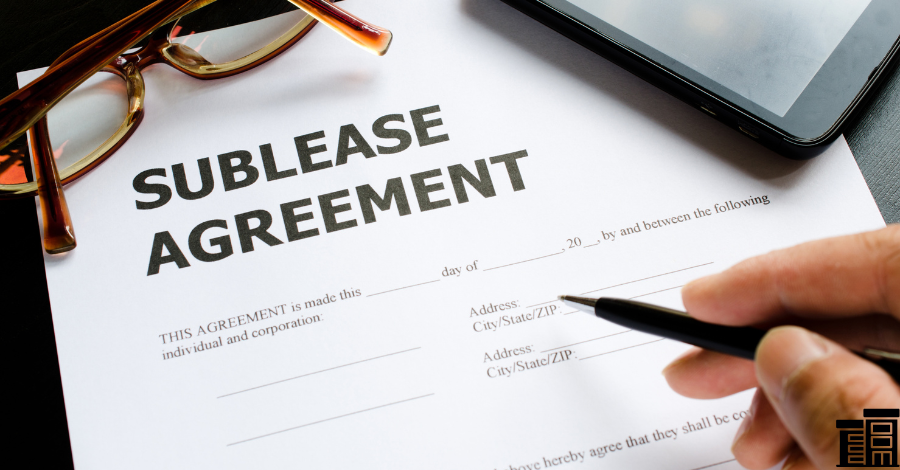
So, you've found yourself in a situation where you need to temporarily hand over your apartment to someone else or maybe you're looking to move into a place that isn't a traditional rental. Either way, you've probably stumbled across two terms that sound almost identical: sublease and sublet. And if you're confused about which is which, you're definitely not alone.
As rental flexibility becomes increasingly important, several questions continue to surface among tenants and property owners, including:
- What does sublease mean and what does sublet mean in practical terms?
- Is a sublease different from a sublet legally?
- Who remains responsible for rent and property damages?
- Does a landlord need to approve a sublease or sublet agreement?
- Which option offers better protection for the original tenant?
These questions often arise when renters relocate for work, study abroad, travel for extended periods, or need to reduce housing costs before their lease ends. A lot of renters use these two words interchangeably, but there are real, important distinctions between them. Understanding those differences could save you from legal headaches, lost deposits, or even eviction.
Also Read: Single Family Home: Meaning and Definition
What Does Sublease Mean?
Let's start at the top. What does sublease mean, exactly?
A sublease is a rental arrangement where the original tenant (that's you, in most cases) rents out the entire property to a new person called the subtenant or sublessee for a specific period of time. During that period, the new person takes over full responsibility for the property. You, as the original tenant, essentially step out of the picture temporarily.
Here's the key thing to understand: even when you sublease your apartment, you are still legally tied to the original lease. Your name is still on the contract with the landlord. So if the subtenant trashes the place or stops paying rent, guess who the landlord is coming after? You.
That's why subleasing is a big deal and should never be done casually or without a proper written agreement. A sublease typically happens when:
- You're relocating for work for several months but plan to return
- You're studying abroad for a semester
- You need to move out before your lease ends and don't want to break the lease entirely
- You want to cut costs by temporarily transferring your rental obligations
So in summary what does sublease mean in practical terms? It means transferring your full rental responsibilities to someone else while you remain the legally responsible party to your landlord.
Also Read: Tenant Rights Without a Lease | What the Law Still Protects
Now, What Does Sublet Mean?
Now that we've covered the first term, let's answer the second big question: what does sublet mean?
Here's where things get a little nuanced. In everyday conversation, "sublet" is often used as a synonym for sublease and honestly, in many places, they overlap quite a bit. However, technically speaking, a sublet involves renting out only a portion of your living space to another person, while you remain living there.
Think of it this way: if you have a two-bedroom apartment and you rent out the second bedroom to a friend while still living in the place yourself, that's a sublet. You're still present, still using the property, and still maintaining your day-to-day life there.
What does sublet mean in legal terms? It means you're bringing another occupant into the unit without fully vacating the premises. You remain the primary tenant, and the subletter is essentially your roommate, but on a more formal or temporary basis.
A sublet typically happens when:
- You have extra space in your home and want to offset rent costs
- A friend needs a temporary place to stay for a few weeks or months
- You want to rent out a room on a short-term basis
- You need financial help covering your monthly rent
So the big difference is this: with a sublet, you're still around. With a sublease, you're gone at least temporarily.
Also Read: Room Rental Agreement Template and Guide
| Sublease | Sublet | |
|---|---|---|
| Original tenant stays? | No | Yes |
| Full unit or partial? | Usually full unit | Usually partial |
| Legal responsibility | Remains with original tenant | Shared or with original tenant |
| Duration | Often longer-term | Often shorter-term |
| Common reason | Relocation, travel, studying abroad | Extra income, roommate situation |
Keep in mind that different states, cities, and even individual lease agreements may define these terms differently. Always check your local laws and your specific lease document before moving forward with either arrangement.
Why Does the Distinction Actually Matter?
You might be thinking: "Okay, but does this really matter in real life?" The short answer is absolutely, yes.
Understanding what does sublease mean versus what does sublet mean protects you legally and financially. Here's why:
#1. Your Lease Agreement May Prohibit One or Both
Many landlords include clauses that either ban subleasing entirely or require written approval before a sublease or sublet takes place. If you skip this step and your landlord finds out, you could face eviction even if the subtenant is a completely responsible person.
#2. Your Deposit Is on the Line
Remember, as the original tenant in a sublease, your security deposit is still at risk. If the subtenant causes damage and disappears, you're the one the landlord will hold accountable. Having a written sublease agreement with the subtenant helps protect you in this scenario.
#3. Rent Liability Doesn't Go Away
Even in a sublease arrangement, if the subtenant fails to pay rent, the landlord will still look to you. That's why it's critical to screen whoever you're subletting or subleasing to just like a landlord would screen you.
#4. Insurance and Liability
Renters insurance doesn't always extend to subtenants. If something goes wrong, a fire, a break-in, water damage, your subletter or subtenant may not be covered under your policy. Both parties should understand what's insured and what isn't.
Also Read: Summer Survival Guide: 8 Maintenance Moves That Protect Your Property (and Your Tenants)
How to Sublease Your Apartment the Right Way
So you've decided to sublease your place. Here's how to do it smartly and safely:
Step #1: Review Your Lease Agreement
Before anything else, read your lease carefully. Some leases have a flat-out "no subletting" clause. Others require you to get written permission from your landlord first. Know where you stand before you start advertising your unit.
Step #2: Get Written Permission
Even if your lease doesn't require it, it's always a good idea to notify your landlord and get their approval in writing. This protects you and keeps the relationship transparent.
Step #3: Screen Your Subtenant
Don't just hand over your keys to the first person who responds to your ad. Run a background check, ask for references, and verify their income. Think of yourself as the landlord in this equation.
Step #4: Draft a Sublease Agreement
A verbal agreement isn't enough. Get everything in writing: the rental amount, duration, rules about pets and guests, who pays utilities, and what happens if either party wants to exit the arrangement early.
Step #5: Transfer Utilities (If Needed)
Depending on your arrangement, you may want to transfer utilities to the subtenant's name or include utility costs in the sublease rent. Make this clear in your written agreement.
Also Read: Lease Signing Checklist | Documents & Final Steps
How to Sublet a Room the Right Way
Subletting a room in your active home is a bit different. Here's how to handle it well:
Step #1: Know Your Rights
Again, your lease is your starting point. Some landlords are perfectly fine with a roommate situation, while others may want to formally add the person to the lease.
Step #2: Set Clear Expectations
Since you'll be living with this person, expectations matter even more. Discuss shared spaces, quiet hours, guests, cleaning schedules, and anything else that matters to you upfront.
Step #3: Put It in Writing
Even between friends, a written sublet agreement prevents misunderstandings. Include the rent amount, payment due date, notice period for moving out, and house rules.
Step #4: Collect a Security Deposit
Protect yourself by collecting a refundable deposit from your subletter. This gives you a financial cushion if they cause damage or leave without proper notice.
Mistakes Renters Make With Subleases and Sublets
Even well-meaning people make these errors. Avoid them at all costs:
- Not checking the lease first. This is the number one mistake. Always read your lease before making any promises to a potential subtenant.
- Skipping the written agreement. A handshake deal means nothing if things go wrong. Get it in writing, always.
- Not screening the subtenant. Taking in the wrong person can create massive headaches, missed payments, property damage, or neighbor complaints.
- Charging too much. In many places, you legally cannot charge a subtenant more than your actual rent. Know the rules in your area.
- Ignoring local laws. Some cities have very specific rules about subleasing. New York City, San Francisco, and other large metros have tenant protections that regulate subleasing directly. Do your research.
Also Read: Lease vs Rent | Key Differences Every Tenant Should Know
Conclusion
At Platuni, we believe that renting should be simple, transparent, and stress-free whether you're a tenant, a landlord, or someone navigating the in-between spaces like subleases and sublets.
Our advice? Never enter either arrangement without doing the following:
- Reading your lease front to back
- Communicating openly with your landlord
- Having a solid, written agreement with your subtenant or subletter
- Understanding your legal rights and obligations in your city or state
The more informed you are, the better your experience will be. And that goes for both sides of the arrangement: the person handing over the keys and the person receiving them.
By now, you should have a solid answer to both questions: what does sublease mean and what does sublet mean. While they're closely related, understanding the differences helps you make smarter, safer decisions when it comes to your home.
The bottom line is this both arrangements can work out beautifully when handled the right way. With clear communication, a solid written agreement, and a good understanding of your legal responsibilities, you can navigate subleasing or subletting with total confidence.
At Platuni, we're here to make every part of your renting journey easier. Whether you're looking for your next home, managing a lease transition, or just trying to understand the fine print, we've got your back.
Also Read: Leasing Management Software | Tools for Lease Tracking
Frequently Asked Questions on Sublease Vs Sublet
What does sublease mean versus what does sublet mean are they ever the same thing?
In casual conversation, yes many people use the terms interchangeably. Technically, a sublease usually involves vacating the entire unit, while a sublet often means renting out a portion while remaining in the property. However, definitions can vary by location and context.
Do I need my landlord's permission to sublease or sublet?
In most cases, yes. Most standard lease agreements require written landlord approval before you can bring in a subtenant. Skipping this step can put you in breach of your lease, which could lead to eviction.
What does sublet mean for my security deposit?
Your security deposit remains at risk even when you sublet. The landlord still holds you responsible for any damage caused by the subtenant. To protect yourself, collect your own deposit from the subletter and document the apartment's condition before they move in.
Can my subtenant sue me if things go wrong?
Yes, they can and vice versa. That's exactly why having a written sublease or sublet agreement is so important. It spells out each party's responsibilities and gives both of you legal recourse if the arrangement falls apart.
What does sublease mean if my landlord says no?
If your landlord doesn't give approval and you sublease anyway, you're violating your lease. This could result in eviction, loss of your deposit, and potential legal action. Always get the green light first.
Is it legal to charge a subletter more than my rent?
In many jurisdictions, this is actually illegal. Rent gouging charging a subtenant above your actual rent is regulated in cities like New York. Always check your local laws before setting a sublease price.
What does sublet mean for my renters insurance?
Generally, your renters insurance policy only covers you and the belongings listed on your policy. A subletter or subtenant typically isn't covered. Encourage them to get their own renters insurance policy for the duration of their stay.
Stay Informed
Subscribe to the Platuni B2B Newsletter to receive industry insights,
new feature announcements, and exclusive growth reports
Related Posts

SEPTEMBER 22, 2026
How to Build a Rental Maintenance Workflow From Request to Completion
Defines what should happen after a maintenance request comes in, logging, prioritizing, assigning, verifying, and documenting the repair through to completion.
Learn more
SEPTEMBER 22, 2026
QuickBooks vs Property Management Software for Rental Properties
Explains why QuickBooks and property management software solve different problems, and when a landlord needs one, the other, or both.
Learn more