
Tenant Relations & Experience
South Dakota Eviction Laws: The Process & Timeline In 2026
by Platuni | 16 Apr, 2026 | 8 mins read
Platuni
16 April, 2026
8 mins read
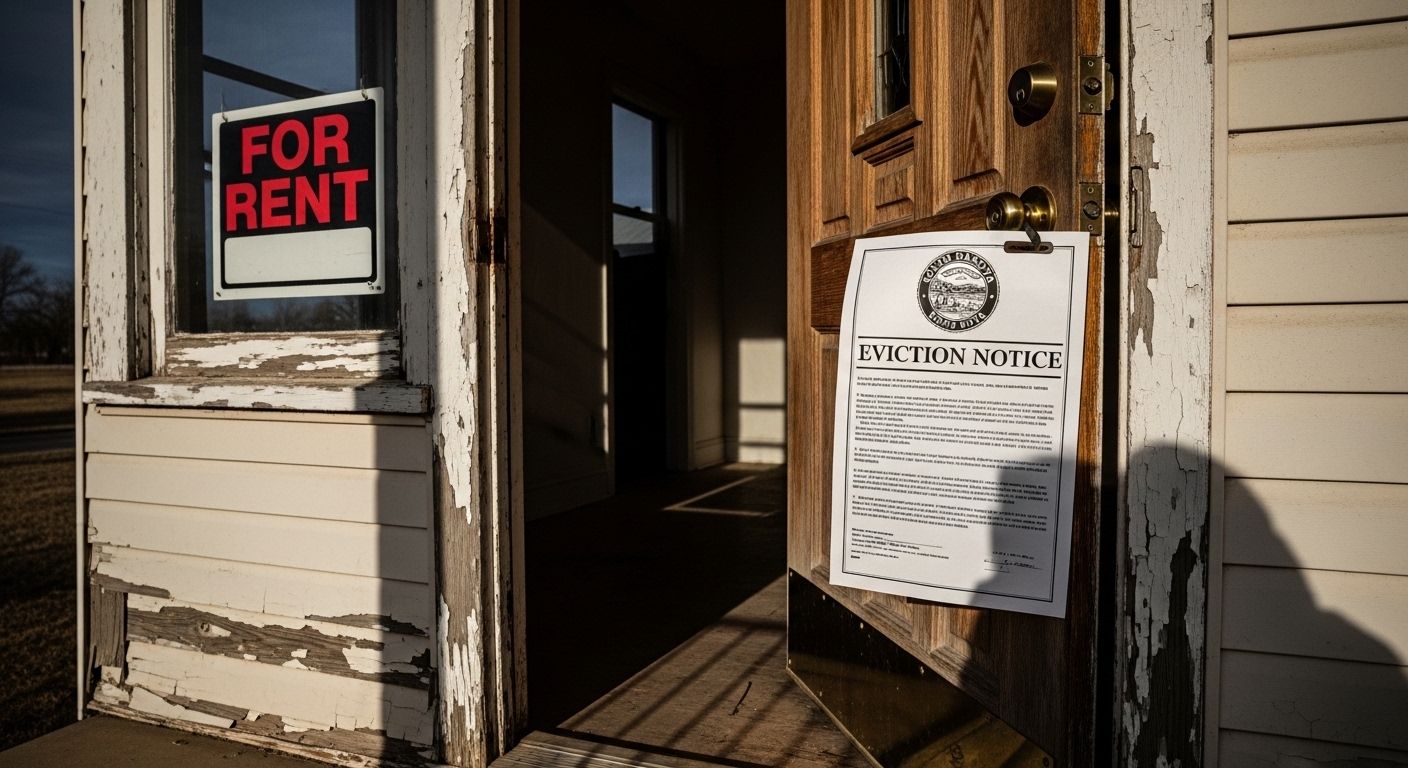
South Dakota eviction laws define how landlords remove tenants legally, and the process must follow strict court procedures to avoid costly delays or dismissals. Eviction filings have rebounded to near historic averages, with over 1.1 million cases filed in 2023 across tracked cities, reflecting a significant rise in housing instability. This surge, driven by increasing rents, highlights the critical need for strict legal compliance to prevent unlawful, repeat, and unjust eviction cases. South Dakota eviction laws outline notice requirements, filing steps, and timelines that every property owner must understand to protect rental income and avoid legal setbacks. As eviction cases can quickly become complex, knowing the exact process is not optional it is essential for smooth property management.
With that in mind, many landlords and property managers begin to ask important questions before taking action:
- What are the exact steps involved in South Dakota eviction laws?
- How long does the eviction process take from notice to court judgment?
- What notice must be served before filing an eviction case?
- What mistakes can delay or cancel an eviction in South Dakota?
- How can landlords stay compliant while protecting their rental income?
These questions highlight real challenges that can impact both time and money.
To answer these concerns, this guide on South Dakota eviction laws breaks down the full process and timeline in clear, practical terms. Platuni simplifies complex legal steps, helping property owners avoid errors, act confidently, and manage evictions the right way. You’ll discover step-by-step guidance, legal insights, and proven strategies that make eviction processes faster, smoother, and fully compliant.
Also Read: Tennessee Eviction Laws: The Process & Timeline in 2026
Overview of South Dakota Eviction Laws
Understanding South Dakota eviction laws in 2026 is essential for both landlords and tenants. Whether you are trying to remove a tenant legally or you are a renter facing eviction, knowing the correct process can save you time, money, and stress. Evictions are strictly regulated under state law, and even a small mistake can delay the process or result in legal penalties.
South Dakota eviction laws are primarily governed by the South Dakota Codified Laws (SDCL), Title 21, Chapter 16, which deals with Forcible Entry and Detainer actions (evictions). These laws outline how landlords must proceed when removing a tenant and what rights tenants have during the process.
Eviction in South Dakota is often referred to as a “forcible detainer” or “unlawful detainer” case. The process is generally faster than in many other states, but it still requires strict compliance with legal steps.
Also Read: Oregon Eviction Laws: The Process & Timeline in 2026
Legal Grounds for Eviction in South Dakota
In South Dakota, landlords must have legal cause to evict, typically requiring a 3-day notice to quit for nonpayment, lease violations, or illegal activity. Valid grounds under SDCL § 21-16-1 include nonpayment of rent, substantial property damage, illegal activity, and holding over after a lease expires.
- Nonpayment of Rent (SDCL § 21-16-1(4)): If rent is not paid when due, a landlord can serve a 3-day notice to pay or quit, allowing the tenant three days to pay rent or vacate.
- Lease Violations (SDCL § 21-16-1(3)): Tenants who violate terms (e.g., unauthorized pets, unauthorized subtenants) can be served with a notice to correct the violation or vacate.
- Substantial Property Damage: A tenant can be evicted if they, or their guests, cause significant damage to the premises, often referred to as "committing waste".
- Illegal Activity: Engaging in illegal activities, including drug-related incidents on the property, constitutes grounds for eviction.
- Holding Over (SDCL § 21-16-1(1)): When a tenant remains in the property after the lease term expires without the landlord's consent, they are considered a "holdover" tenant.
- Unauthorized Occupancy: Entering or occupying a property without permission, or continuing to occupy it after a lease ends, is considered an unlawful detainer.
Landlords are generally required to provide a 3-day notice to quit for violations before filing a lawsuit for eviction. Illegal "self-help" evictions (e.g., changing locks, shutting off utilities) are prohibited.
Also Read: South Carolina Eviction Laws: The Process & Timeline in 2026
Required Eviction Notice in South Dakota
In South Dakota, landlords must typically serve a 3-Day Notice to Quit for nonpayment of rent or lease violations before filing for eviction under SDCL § 21-16-2. This notice allows tenants three days to pay rent, fix the violation, or move out. If the tenant does not comply, the landlord can then file a "Forcible Entry and Detainer" action in court.
- 3-Day Notice to Pay or Quit: Used for nonpayment of rent. It gives the tenant 3 days to pay in full or vacate.
- 3-Day Notice to Comply or Quit: Used for lease violations (e.g., unauthorized pets, illegal activity). It gives the tenant 3 days to fix the issue or move out.
While 3 days is standard, for severe, illegal activities or substantial damage to the property, some situations may allow for immediate notice, though a 3-day notice is most common. The notice must be served, either by delivering it to the tenant, leaving it with someone on the property, or posting it in a conspicuous place. If the tenant fails to comply within the 3-day period, the landlord can proceed to file a summons and complaint (a "Forcible Entry and Detainer" action).
Filing the Eviction Lawsuit
In South Dakota, if a tenant fails to respond to a notice to quit, a landlord can file a Forcible Detainer Complaint in Magistrate or Circuit Court. Under SDCL § 21-16-3, this initiates the legal process. The tenant must be formally served a summons and complaint (SDCL § 21-16-4), with hearings typically scheduled within days to weeks (SDCL § 21-16-7). Only a sheriff can execute a writ of possession (SDCL § 21-16-10).
Filing the Eviction Lawsuit
If the tenant does not vacate or remedy the breach after the notice period expires, the landlord may file a Forcible Detainer Complaint (eviction lawsuit). The lawsuit is filed in the local Magistrate or Circuit Court, depending on the specifics and location of the case. Filing fees typically start at $45, with potential additional costs if a monetary judgment is sought.
- Service of Process: Under SDCL § 21-16-4, the tenant must be formally served with a copy of the complaint and a summons detailing the court appearance.
- Authorized Server: Service is generally performed by a sheriff, deputy, or an authorized professional process server.
- Importance of Service: Proper service is critical; improper service can lead to case delays or dismissal.
Court Hearing and Judgment
The hearing is scheduled quickly, often within 2–14 days after filing, following SDCL § 21-16-7. Both parties may present evidence (e.g., lease agreements, communication, proof of notice) to a judge. If the ruling favors the landlord, the court issues a judgment for possession. If the tenant fails to appear, the landlord may be granted a default judgment.
Also Read: Alabama Eviction Laws | Process, Timelines, and Tenant Rights
Writ of Execution and Tenant Removal
If the tenant does not leave after the judgment, the landlord must obtain a "Writ of Execution" (or Writ of Possession) from the court, authorized by SDCL § 21-16-10. The Writ of Execution authorizes a sheriff or law enforcement officer to physically remove the tenant and their possessions. Landlords are strictly prohibited from attempting to force a tenant out themselves (e.g., changing locks, turning off utilities), which is a violation of South Dakota eviction laws.
Forms and Resources
Tenants can find forms for answering the complaint through the South Dakota Unified Judicial System (UJS). The entire process, from notice to removal, usually takes two to six weeks
Tenant Rights Under South Dakota Eviction Laws
In South Dakota eviction laws, tenants facing eviction have specific rights, including the right to proper notice, legal defenses, and protection against illegal self-help measures by landlords. Eviction requires a legal process, and landlords cannot forcefully remove tenants without a court order, such as locking them out or cutting utilities.
- Right to Proper Notice: Landlords must provide a written notice before initiating a lawsuit. This is typically a 3-day notice for non-payment of rent or a 3-day notice for lease violations, though this can vary based on specific circumstances.
- Right to Defend in Court: Tenants have the right to a court hearing and can present defenses, such as proving rent was paid, the landlord failed to make repairs required by law, or the notice was not legally valid.
- Protection Against Illegal Evictions: It is illegal for landlords to use "self-help" methods to remove a tenant. This includes changing locks, seizing property, or turning off essential utilities (water, heat, electricity).
- Habitability Protection: Tenants have the right to a livable, safe, and clean home, with landlords responsible for maintenance
Also Read: Ohio Eviction Laws: The Process & Timeline in 2026 Oklahoma Eviction Laws: The Process & Timeline In 2026
Landlord Responsibilities During Eviction
In South Dakota eviction laws, landlords must follow strict legal procedures for eviction, including serving proper notice (such as 3-day for nonpayment) and obtaining a court order before removing tenants, as self-help evictions are illegal. Landlords must file a summons and complaint, allow for a court hearing, and use a sheriff to remove tenants, ensuring they avoid illegal actions like changing locks or turning off utilities.
- Proper Notice: While some cases allow for immediate filing, most evictions require serving a notice to quit (3-day or 14-day depending on the cause).
- Court Process (Forcible Entry and Detainer): A landlord must serve a summons and complaint, allow a 4-day period for the tenant to file a written answer, and attend a court hearing.
- Legal Removal Only: A sheriff is required to perform the actual eviction after a court issues a judgment of possession.
- Prohibited Actions: Landlords cannot engage in "self-help" evictions. This includes shutting off utilities (water, heat, electricity) or locking the tenant out without a court order, which are considered unlawful harassment.
- Documentation: Landlords should keep records of all communications and comply with South Dakota Codified Laws (SDCL) 43-32.
If a landlord fails to follow these procedures, the eviction case may be dismissed, and the tenant may have grounds to sue for damages.
Also Read: Illinois Eviction Laws | Legal Grounds, Notices, and Costs
Conclusion
Many landlords make errors when dealing with South Dakota eviction laws, which can cost time and money. For example, skipping the 3-day notice or filing too early can invalidate the entire case. Similarly, failing to properly serve the tenant is one of the most common reasons for delays. Tenants also make mistakes, such as ignoring court summons or failing to appear at hearings, which can lead to automatic eviction judgments.
Navigating South Dakota eviction laws in 2026 requires a clear understanding of the legal process, timelines, and responsibilities on both sides. While the eviction process in South Dakota is relatively fast, it is also strict. Landlords must follow each step carefully, and tenants must act quickly to protect their rights.
Whether you are a landlord seeking to regain possession of your property or a tenant trying to understand your options, knowing how South Dakota eviction laws work can make all the difference.
Also Read: New Jersey Eviction Laws: The Process & Timeline in 2026
Frequently Asked Questions on South Dakota Eviction Laws
How fast can a landlord evict a tenant in South Dakota?
Under South Dakota eviction laws, eviction can happen quite quickly. In some cases, the entire process from notice to removal can take as little as two to three weeks. However, this depends on whether the tenant contests the eviction or if there are delays in court scheduling.
Can a tenant stop an eviction by paying rent?
Yes, in some cases involving nonpayment of rent, tenants may stop the eviction by paying what they owe within the 3-day notice period. Once the case is filed, however, the landlord may still proceed depending on the situation and lease terms.
What happens if a tenant ignores the eviction notice?
If a tenant ignores the notice, the landlord can proceed to file an eviction lawsuit. Ignoring the process further such as not attending the hearing can result in a default judgment, meaning the landlord automatically wins.
Are landlords allowed to evict tenants without going to court?
No. Under South Dakota eviction laws, landlords must go through the court process. Self-help evictions, such as changing locks or removing belongings, are illegal and can lead to legal consequences for the landlord.
Can tenants fight an eviction in court?
Yes, tenants have the right to defend themselves. They can challenge the eviction based on improper notice, payment disputes, or landlord violations of the lease or housing laws.
What is a writ of execution in South Dakota?
A writ of execution is a court order that allows law enforcement to remove a tenant from the property. It is the final step in the eviction process and ensures that removal is done legally.
Do South Dakota eviction laws protect tenants from retaliation?
Yes. While not always explicitly outlined in the eviction statutes, general legal protections prevent landlords from evicting tenants in retaliation for complaints about unsafe living conditions or exercising legal rights.
Stay Informed
Subscribe to the Platuni B2B Newsletter to receive industry insights,
new feature announcements, and exclusive growth reports
Related Posts

SEPTEMBER 22, 2026
Tenant Background Check vs Credit Check vs Eviction Check: What Does Each Tell You?
Breaks down what a credit check, an eviction check, and a background check each actually reveal about a rental applicant, and what none of them prove alone.
Learn more
SEPTEMBER 21, 2026
Maintenance Portal vs Email and Text: When Should Landlords Switch?
Looks at when informal maintenance reporting by text and email stops working, and what a dedicated portal adds once request volume grows.
Learn more