
Property Management & Operations
South Carolina HOA Laws: A Comprehensive Guide
by Platuni | 15 Apr, 2026 | 9 mins read
Platuni
15 April, 2026
9 mins read
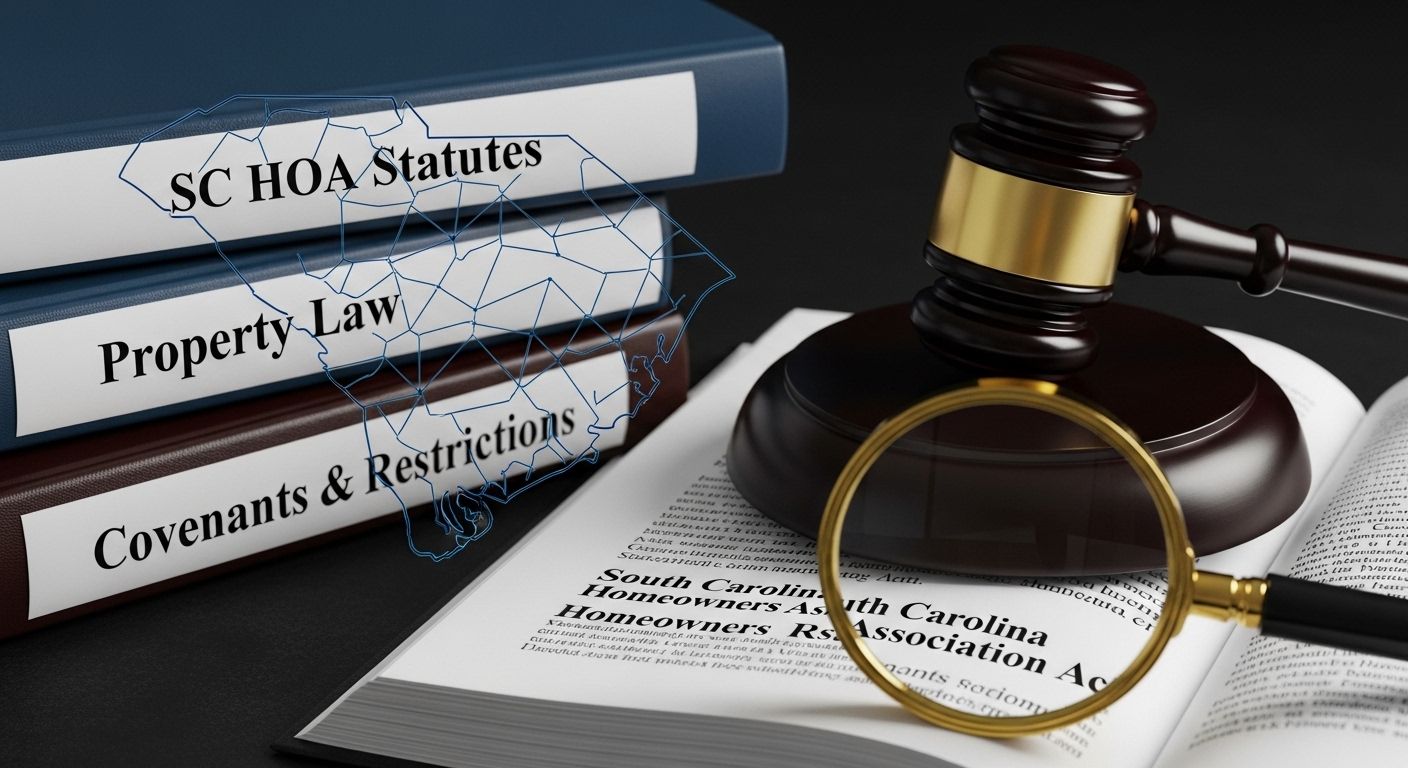
South Carolina HOA laws shape how homeowners associations operate, enforce rules, and manage communities across the state. These laws influence everything from dues collection to dispute resolution and property restrictions. HOA-related complaints in South Carolina are surging, with a 176% increase in complaints between 2019 and 2025, driven by disputes over rule enforcement, maintenance, and lack of transparency. The South Carolina Department of Consumer Affairs notes top issues include failing to follow bylaws, ignored maintenance, and withheld records, with Horry County generating the most complaints. This makes understanding South Carolina HOA laws not just important but necessary for protecting property value, avoiding legal conflicts, and ensuring smooth community living. As more communities adopt HOA structures, the need for clarity continues to grow.
With that in mind, many homeowners and property managers often ask critical questions such as:
- What rights do homeowners have under South Carolina HOA laws?
- How much power does an HOA legally hold over property decisions?
- What rules must HOAs follow when collecting dues or enforcing penalties?
- How are disputes between homeowners and HOAs resolved?
- What legal protections exist against unfair HOA practices?
These questions reveal the confusion many face when navigating HOA regulations, especially without proper guidance.
That is exactly where this guide comes in. Platuni simplifies South Carolina HOA laws into clear, practical insights that help you stay informed and protected. You will discover how these laws work, what to expect from your HOA, and how to handle conflicts effectively. With Platuni, you gain more than information; you gain confidence, clarity, and a smarter approach to managing and living within HOA communities.
Also Read: North Carolina HOA Laws: A Comprehensive Guide
Overview of South Carolina HOA Laws
If you live in a community with a homeowners’ association or you’re thinking about buying into one, understanding South Carolina HOA laws is not optional. It’s essential. HOAs can influence everything from how your home looks to how much you pay in fees each month. And while they help maintain property values and community standards, they must operate within a legal framework.
Unlike some states that have a single, comprehensive HOA statute, South Carolina HOA laws are governed by a combination of different laws. The most important ones include:
- South Carolina Homeowners Association Act (S.C. Code Ann. § 27-30-10 et seq.)
- South Carolina Nonprofit Corporation Act (S.C. Code Ann. § 33-31-101 et seq.)
- Governing documents such as Declarations, Covenants, Conditions, and Restrictions (CC&Rs)
These laws work together to regulate how HOAs are created, managed, and enforced. Understanding how they interact is key to understanding South Carolina HOA laws as a whole.
Under South Carolina HOA laws, an HOA is typically created by a developer when a community is established. According to S.C. Code Ann. § 27-30-120, the HOA is formed when a master deed or declaration is recorded in the county land records. This document outlines:
- The rules of the community
- The responsibilities of homeowners
- The powers of the HOA
Once recorded, these covenants become legally binding on all property owners in the community. Most HOAs are also incorporated as nonprofit organizations under the South Carolina Nonprofit Corporation Act, which governs how boards operate, hold meetings, and make decisions.
Board members play a crucial role under South Carolina HOA laws. Since most HOAs are nonprofit corporations, board members must follow the South Carolina Nonprofit Corporation Act (S.C. Code Ann. § 33-31-101 et seq.). This means they must:
- Act in good faith
- Make decisions in the best interest of the community
- Avoid conflicts of interest
- Exercise reasonable care
Failure to meet these duties can expose board members to legal liability.
Also Read: South Carolina Eviction Laws: The Process & Timeline in 2026
HOA Powers and Authority
In South Carolina, Homeowners Associations (HOAs) derive their authority from state law, primarily the South Carolina Homeowners Association Act (S.C. Code Ann. § 27-30-110 et seq.), as well as their own recorded governing documents (covenants, bylaws, and rules).
Under South Carolina law, including Section § 27-30-130, HOAs are authorized to:
- Enforce Governing Documents: HOAs can enforce the covenants, conditions, and restrictions (CC&Rs) recorded in the county where the property is located.
- Adopt and Amend Rules: Boards can adopt and amend rules, regulations, and bylaws, provided they are recorded in the county by January 10th of the following year.
- Collect Assessments: HOAs have the authority to collect regular and special assessments (dues) for common expenses, such as maintenance and insurance.
- Maintain Common Areas: The HOA has the power, and duty, to maintain shared community spaces.
- Enforce Fines: Associations can fine homeowners for violations of the rules, provided the authority to do so is explicitly stated in the governing documents.
- Record Liens: For unpaid assessments, HOAs may place a lien on a homeowner's property
An HOA's authority is not absolute. HOAs cannot act outside the authority granted in their own recorded bylaws or violate South Carolina or federal law. Rules and regulations not properly recorded in the county’s Register of Deeds may be unenforceable. HOAs must comply with the Federal Fair Housing Act and South Carolina Fair Housing Law, prohibiting discrimination based on race, color, religion, sex, familial status, or disability.
Under S.C. Code Ann. § 27-1-60, HOAs cannot prohibit homeowners from displaying one portable, removable United States or South Carolina flag. HOAs cannot ban antennas or satellite dishes, though they may place reasonable restrictions on size and placement, per federal law. Effective July 1, 2025, HOAs cannot control the utility services of homeowners and must transfer control to the homeowner.
For monetary disputes involving an HOA, such as unpaid fines or assessments, South Carolina magistrates courts have jurisdiction up to $7,500. Disputes over fines or violations must follow the due process outlined in the HOA’s governing documents, such as notice and an opportunity to be heard. HOAs must provide access to records and financial documents upon request, especially if incorporated as a non-profit.
Also Read: HOA Special Assessment Explained | Meaning and Examples
HOA Rules and Enforcement
One of the most visible aspects of South Carolina HOA laws is rule enforcement. In South Carolina, HOAs enforce rules covering property appearance, parking, noise, and amenities based on governing documents. Under S.C. Code Ann. § 27-30-150, associations must follow
- Rule Enforcement (S.C. Code § 27-30-150): HOAs must provide notice of a violation, a chance for the homeowner to respond, and a hearing before fines are imposed.
- Common Violations: Common violations typically include property maintenance (landscaping/paint), parking, noise, and architectural changes.
- Rules & Regulations: Rules must be properly adopted, recorded with the county by January 10th for enforceability, and applied consistently.
- Fees and Assessments: HOAs charge regular assessments for common area maintenance. Special assessments may be imposed for major repairs or unexpected costs.
- Financial Transparency (§ 27-30-150): Homeowners have the right to access financial records, ensuring accountability.
Important Limitations
- Flag Displays: HOAs cannot prohibit homeowners from displaying the U.S. flag.
- Antennas/Satellite Dishes: Restrictions on installing antennas or satellite dishes are generally not permitted.
- Public Streets: HOAs cannot enforce parking regulations on public, city-owned streets.
Also Read: Georgia HOA Laws | What Homeowners and Boards Must Follow
South Carolina HOA Fees and Assessments
Financial obligations are at the heart of South Carolina HOA laws. Under the South Carolina Homeowners Association Act, financial obligations are governed by specific statutes that ensure the association can fund its operations while maintaining transparency for residents. HOAs may impose one-time charges for major repairs, significant projects, or unexpected costs (e.g., emergency repairs after a natural disaster) that are not covered by the regular budget or reserve funds.
South Carolina ranks among the highest in the nation for HOA fees averaging roughly $390 per month, covering shared amenities, maintenance, and insurance, with costs varying widely based on location and services. While no state law caps fee increases, HOAs can levy special assessments for unexpected expenses and hold power to lien or foreclose on properties for non-payment.
Types of Assessments:
- Regular Assessments: Monthly or annual fees for ongoing maintenance, amenities (pools, clubhouses), and common area services like landscaping and trash removal.
- Special Assessments: One-time or temporary fees enacted by the board to cover unexpected costs, such as major repairs or insurance deductibles.
- Transfer/Initiation Fees: One-time, non-refundable fees paid by buyers at closing, often used to fund reserves.
Legal Standing & Enforcement:
- Foreclosure Risk: SC HOAs have the power to place a lien on a property and initiate foreclosure for delinquent assessments.
- No Statutory Cap: State law does not limit how much an HOA can increase fees.
- Governing Documents: Fees are governed by the association’s bylaws and the South Carolina Homeowners Association Act.
- Transparency Requirements: Sellers must disclose in writing if a property is subject to an HOA, usually via the SC residential property disclosure statement.
Also Read: Georgia Security Deposit Laws | Limits, Deductions, and Returns
Recommendations for Buyers
Always review the HOA's covenants, conditions, and restrictions (CC&Rs) and recent meeting minutes for upcoming fee increases. Confirm the exact monthly fee and any pending special assessments with the HOA management company directly. Compare the fee amount against the amenities provided to ensure value.
HOA Liens and Foreclosure
One of the more serious aspects of South Carolina HOA laws is the HOA’s ability to enforce payment through liens and foreclosure. In South Carolina, HOAs can place liens on properties for unpaid assessments and, under S.C. Code Ann. § 27-30-130, may initiate foreclosure, even if mortgage payments are current. While legal, this process requires strict adherence to procedures like providing notice and allowing homeowners to pay dues.
HOA Liens and Collection in South Carolina
Unpaid HOA dues can lead to a lien on the property, which is a legal claim. Under South Carolina HOA Laws, governing documents and liens must be recorded in the county to be enforceable. Homeowners are often liable for interest, late fees, and legal fees, according to Grand Strand Law Group. HOA liens can take priority over other debts, coming in just behind the primary mortgage.
Foreclosure Procedures
Foreclosure is usually the final step for long-term delinquency. Foreclosure typically takes place through a judicial sale. The HOA must provide notice to the homeowner, allow for an opportunity to pay, and foreclosure can take four to six months for uncontested cases. If the home sells, the HOA is paid for the back dues, interest, fees, and attorney fees.
Proposed legislation in South Carolina, particularly Senate Bill 366 (2025-2026 session), aims to significantly change how Homeowners Associations (HOAs) operate, with a focus on enhancing transparency, protecting homeowner rights, and updating rules regarding document filing and fees.
Also Read: South Dakota Eviction Laws: The Process & Timeline In 2026
Homeowner Rights Under South Carolina HOA Laws
While HOAs have authority, homeowners are protected under South Carolina HOA laws. South Carolina homeowners in HOAs are protected by state laws (notably the SC Homeowners Association Act) that mandate document recording, ensure fair rule enforcement, and allow for participation in governance. Key rights include accessing records, receiving notice before penalties, and protection against discrimination.
- Access to Records: Under S.C. Code Ann. § 27-30-160, homeowners have the right to request access to the budget, membership lists, rules, and regulations.
- Required Document Recording: To be enforceable, HOA governing documents and rules must be recorded with the county Clerk of Court or Register of Deeds (RMC).
- Notice and Due Process: Before the HOA can impose fines or take disciplinary action, they must provide notice and a hearing, often guided by the SC Nonprofit Corporation Act.
- Fair and Consistent Enforcement: Rules must be applied consistently to all homeowners, preventing "selective enforcement" where some residents are unfairly targeted.
- Participation Rights: Members generally have the right to vote in board elections and on amendments, and to attend meetings to discuss community issues.
- Protection from Discrimination: HOAs must adhere to the Fair Housing Law, prohibiting discrimination based on race, color, religion, sex, familial status, or national origin.
Also Read: North Carolina Security Deposit Laws | Deductions & Rights
If a rule is not in the recorded governing documents, its enforceability can be questioned. Homeowners facing unfair, abusive, or discriminatory actions can file complaints with the South Carolina Department of Consumer Affairs or seek legal counsel. Disputes are common, but South Carolina HOA laws provide ways to resolve them. Most disputes are first handled within the HOA through:
- Written complaints
- Hearings before the board
If internal resolution fails, homeowners may take legal action. Courts will typically review:
- The HOA’s governing documents
- Whether proper procedures were followed
- Compliance with state law
Alternative dispute resolution methods like mediation may also be used.
Conclusion
Many people misunderstand South Carolina HOA laws, which can lead to unnecessary conflict. HOAs sometimes fail to follow proper procedures when issuing fines or enforcing rules. For example, skipping notice requirements can invalidate penalties. Homeowners, on the other hand, often fail to read the governing documents before buying property. This can lead to surprises about restrictions or fees. Understanding the law and your obligations can help you avoid these pitfalls.
South Carolina HOA laws create a framework that balances the authority of homeowners’ associations with the rights of property owners. While HOAs play an important role in maintaining communities, they must operate within strict legal boundaries. For homeowners, understanding South Carolina HOA laws helps you protect your rights, avoid disputes, and make informed decisions. For HOA boards, compliance ensures smooth operations and reduces legal risks.
The key takeaway? Whether you’re running an HOA or living in one, knowledge of the law is your best tool for maintaining a fair and well-managed community.
Also Read: Insurance Disaster Coverage: What Property Owners Should Know
Frequently Asked Questions on South Carolina HOA Laws
Are HOA rules legally enforceable in South Carolina?
Yes. Under South Carolina HOA laws, rules outlined in the declaration and bylaws are legally binding. When you purchase property in an HOA community, you agree to follow these rules.
Can an HOA fine a homeowner?
Yes, but they must follow due process. According to S.C. Code Ann. § 27-30-150, homeowners must receive notice and an opportunity for a hearing before fines are imposed.
Can an HOA foreclose on a home for unpaid dues?
Yes. South Carolina HOA laws allow foreclosure for unpaid assessments, but the HOA must follow strict legal procedures and provide proper notice.
Do homeowners have the right to see HOA financial records?
Yes. Under S.C. Code Ann. § 27-30-160, homeowners can access financial records and other important documents.
Can an HOA change its rules?
Yes, but changes must follow the procedures outlined in the governing documents and comply with South Carolina HOA laws.
What happens if an HOA violates the law?
Homeowners can challenge the HOA’s actions in court. The HOA may be required to reverse its decisions or pay damages.
Are all communities in South Carolina governed by HOA laws?
No. Only communities with recorded covenants and active associations are subject to South Carolina HOA law
Stay Informed
Subscribe to the Platuni B2B Newsletter to receive industry insights,
new feature announcements, and exclusive growth reports
Related Posts

SEPTEMBER 22, 2026
How to Build a Rental Maintenance Workflow From Request to Completion
Defines what should happen after a maintenance request comes in, logging, prioritizing, assigning, verifying, and documenting the repair through to completion.
Learn more
SEPTEMBER 22, 2026
QuickBooks vs Property Management Software for Rental Properties
Explains why QuickBooks and property management software solve different problems, and when a landlord needs one, the other, or both.
Learn more