
Property Management & Operations
Single Family Home: Meaning and Definition
by Platuni | 03 Jun, 2026 | 7 mins read
Platuni
03 June, 2026
7 mins read
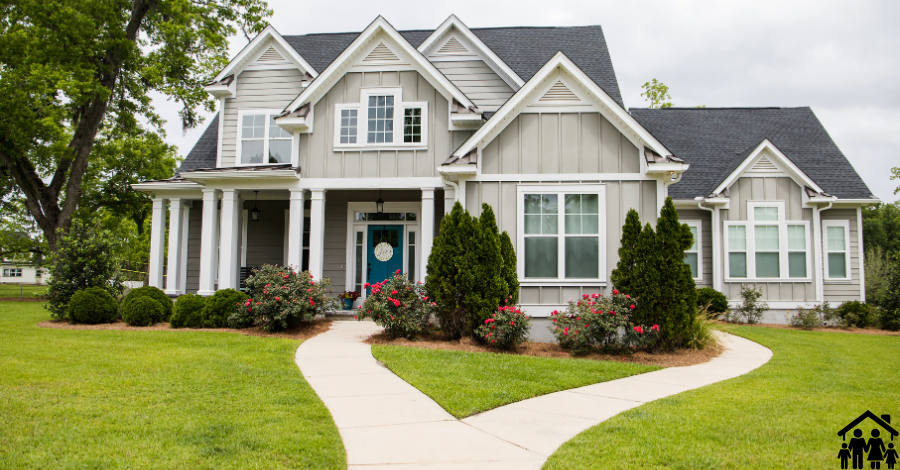
Whether you're a first-time homebuyer, a renter exploring your options, or someone just trying to understand the real estate world a little better, you've probably come across the term "single family home" more times than you can count. It shows up in listings, mortgage documents, zoning laws, and everyday conversations. Yet, a surprising number of people aren't entirely sure what it actually means.
As housing options continue to evolve, many people find themselves asking important questions such as:
- What is the exact single-family home meaning in real estate?
- What is the legal single-family residence definition used by municipalities and lenders?
- How does a single-family home differ from a duplex, townhouse, or condominium?
- What advantages and disadvantages come with owning a single-family residence?
- Why do investors and homeowners often prefer single-family properties?
These questions are common because property classifications can directly affect financing, zoning, taxes, and long-term investment decisions.
So today, we're clearing that up completely. At Platuni, we believe that understanding the basics of real estate empowers you to make smarter decisions. Let's dig into the single-family home meaning, explore the single-family home definition, and walk through everything that makes this property type one of the most popular choices in the housing market.
Also Read: Home Maintenance Checklist by Month for Property Owners
What Is a Single Family Home? Let's Start With the Basics
The best place to start is with a straightforward answer to the question everyone's asking.
The single family home meaning refers to a standalone, freestanding residential structure that is built and intended for use by one household or family. It sits on its own plot of land, has its own entrance, and is not physically attached to any other residential unit. No shared walls, no shared entrances, no shared yards, it's entirely yours.
Now, let's go a step further. The single family home definition, in real estate and legal terms, typically describes a property that meets the following criteria:
- It is a detached structure intended for one family or household
- It sits on its own lot with clearly defined property lines
- It has direct access to a public or private street
- It does not share any structural elements (walls, roof, foundation) with another unit
This might sound simple, but the single family home definition carries a lot of weight in mortgage applications, tax assessments, zoning regulations, and insurance policies. Knowing it matters.
Single Family House Meaning: Is It Different From a Single Family Home?
This is a question that comes up a lot, and the answer is pretty simple. The single family house meaning is essentially the same as the single family home meaning. Both terms refer to the same type of property: a detached residential structure designed for one household.
The word "house" is often used interchangeably with "home" in real estate conversations. However, technically speaking, a "house" refers to the physical structure, while a "home" carries a broader emotional meaning. In practice, though, the single family house meaning and the single family home meaning point to the exact same thing in property listings, legal documents, and everyday usage.
So if you see either term on a listing or in a lease agreement, know that they're referring to the same property type.
Single Family Residence Definition: The Legal Side of Things
When you start dealing with zoning laws, mortgages, or insurance, you'll often see the term "single family residence" pop up instead of "single family home." So, what exactly is the single family residence definition?
The single family residence definition is the more formal, legal version of the same concept. A single family residence (often abbreviated as SFR) is a property that is:
- Zoned or designated for occupancy by a single household
- A standalone structure not connected to other dwelling units
- Used primarily as a residential property (not commercial)
- Separate from multi-family structures like duplexes, triplexes, or apartment complexes
Lenders, government agencies, and insurance companies rely on the single family residence definition to classify properties for financing purposes. For example, mortgages backed by the Federal Housing Administration (FHA) or Fannie Mae have specific requirements tied directly to this definition. A property that doesn't meet the single family residence definition may qualify for a different loan type or may be subject to different interest rates and terms.
Understanding this distinction helps you know exactly what you're buying, renting, or investing in.
Also Read: Will Tariffs Affect Home Prices? Housing Market Impact
What Makes a Home "Single Family"? Key Characteristics
Now that we've covered the single family home meaning and the single family residence definition, let's talk about the key characteristics that define this property type. These features are what set single family homes apart from other housing options.
#1. Detached Structure
A single family home stands completely on its own. There are no shared walls with neighbors, which is one of the biggest draws for most buyers and renters. You get privacy, reduced noise, and a sense of independence that attached housing simply can't offer.
#2. Private Land Ownership
With a single family home, you own (or rent) both the structure and the land it sits on. That means the front yard, backyard, driveway, and any other outdoor space is yours to use and yours to maintain.
#3. One Household, One Unit
The single family home definition is built around the idea of one household occupying the entire property. There are no separate units within the structure, no secondary kitchens designed for additional families, and no separate entrances for multiple households.
#4. Direct Street Access
Most single family homes have a driveway or walkway that leads directly to a public or private road. There's no shared lobby, no communal entrance, and no shared parking structure just your home and your path to the street.
#5. Full Utility Independence
A single family home typically has its own utility connections separate from electricity, water, gas, and sewage systems independent from neighboring properties.
Also Read: How to Save Energy in Your Home | Smart Tips to Cut Bills
Single Family Homes vs. Other Property Types
One of the best ways to understand the single family home meaning is to compare it to the alternatives. The housing market offers a wide range of property types, and knowing how single family homes differ helps you make a more informed choice.
Single Family vs. Multi-Family Homes
A multi-family home contains two or more separate residential units under one roof, think duplexes, triplexes, or apartment buildings. The single family home definition explicitly excludes these structures. While multi-family properties can be a great investment, they don't offer the same level of privacy or autonomy that a single family home provides.
Single Family vs. Condominiums
A condo is a unit within a larger building or complex. While you own your individual unit, you share common areas like hallways, gyms, and lobbies with other residents. The single family residence definition sets itself apart from condos because there's no shared structure or common ownership of land.
Single Family vs. Townhouses
Townhouses are often a middle ground; they're individual units, but they share at least one wall with a neighboring unit. Some townhouses can qualify under a modified single-family definition depending on zoning and ownership structure, but traditional townhouses are typically classified separately.
Single Family vs. Manufactured Homes
Manufactured homes (also called mobile homes) can sometimes fall under the single-family house meaning, depending on how they're affixed to land and how they're zoned. However, lenders and local governments often treat manufactured homes differently for financing and tax purposes.
Also Read: Free Lease Contract Template Download
Why Do So Many People Choose Single-Family Homes?
Understanding the single-family home meaning naturally leads to the next question: why are these homes so popular? There are some pretty compelling reasons.
Privacy and Space
The number one reason people gravitate toward single-family homes is privacy. With no shared walls and your own yard, you have far more personal space than you'd find in an apartment or condo. For families with children, pets, or anyone who simply values quiet, this is a game-changer.
Freedom to Customize
Owning a single-family home usually means you have the freedom to renovate, decorate, landscape, and modify the property to your liking. Want to paint the exterior a bold color or build a deck in the backyard? In most cases, it's your call.
Room to Grow
Single-family homes often offer more square footage than other housing types at a comparable price point, especially in suburban and rural areas. Growing families appreciate having extra bedrooms, storage space, and outdoor areas that apartments and condos simply can't match.
Strong Investment Value
From an investment perspective, single-family homes have historically held their value well. The land they sit on appreciates over time, and the demand for this housing type remains consistently strong across most markets.
Better for Pets
Let's be real, having a yard makes pet ownership significantly easier. Many apartments and condos have strict pet policies, but single-family homes typically give pet owners the space and freedom they need.
Also Read: Leasing Management Software | Tools for Lease Tracking
Who Is a Single Family Home Best Suited For?
The single-family home meaning makes it clear that this property type is designed for one household, but who is it really ideal for? Honestly, single-family homes work well for a wide variety of people and life stages:
- Young families looking for space to grow and a yard for kids to play in
- Remote workers who need a dedicated home office space without distractions
- Pet owners who want outdoor access without HOA restrictions
- People who value privacy and don't want to share walls or common areas
- Real estate investors looking for rental properties with strong long-term appreciation
- Retirees who want their own space and a garden or outdoor area
The single-family residence definition isn't just a legal term it describes a lifestyle. And for many people, that lifestyle is the goal.
Single Family Homes and Zoning: What You Should Know
Zoning laws play a huge role in determining where single family homes can be built and how they can be used. Most suburban and rural areas are zoned specifically for single family residential use, which means only one unit per lot is permitted.
In recent years, many cities have started revisiting single family zoning in response to housing shortages. Some municipalities now allow accessory dwelling units (ADUs) like a basement apartment or a backyard cottage on single family lots. Whether an ADU affects a property's single family home definition or single family residence definition depends on local zoning laws.
The point is: zoning rules vary widely by location. Always check the local zoning regulations before buying or developing a single family property.
Also Read: HOA Special Assessment Explained | Meaning and Examples
Conclusion
At Platuni, our mission is to simplify the home search and rental experience for everyone and that starts with making sure you understand the terms and definitions that shape the market. The single family home meaning isn't just textbook knowledge. It directly affects your mortgage options, your insurance rates, your tax obligations, and your everyday quality of life.
Whether you're buying your first home, renting a place to raise a family, or investing in real estate, knowing the difference between a single family home, a condo, and a multi-family property helps you make decisions with confidence. These terms might seem like real estate jargon at first glance, but they carry real-world implications for your finances, your lifestyle, and your long-term plans.
The more you understand about the types of properties available to you, the more confidently you can navigate the housing market whether you're renting, buying, or investing.
At Platuni, we're always in your corner. Our platform is built to help you find the right home, understand what you're looking at, and move forward with clarity. A single family home might just be the perfect fit for your next chapter and we're here to help you find it.
Explore single family listings on Platuni and find a home that truly fits your lifestyle.
Start your search on Platuni today and discover single family homes near you.
Also Read: Key Handover Form | Property Access & Handover Record
Frequently Asked Questions on Single Family Home
What is the single family home meaning in simple terms?
The single family home meaning refers to a standalone residential property designed and built for a single household. It sits on its own land, has its own entrance, and does not share any structural walls or utilities with another residential unit. In short, it's one home for one family on one piece of land.
What is the single family residence definition used for legally?
The single family residence definition is used by lenders, insurance companies, zoning boards, and government agencies to classify and regulate properties. It determines what kind of mortgage you qualify for, how the property is taxed, and what you can and cannot do with the land.
Is a townhouse considered a single family home?
Generally, no. Townhouses share at least one wall with a neighboring unit, which typically takes them outside the standard single family home definition. However, some jurisdictions classify certain townhouses differently. It's always worth checking local zoning laws.
What is a single family house compared to a condo?
The single family house meaning is a fully detached home on its own lot. A condo, on the other hand, is a unit within a larger building where residents share common areas. The two are very different in terms of ownership, maintenance responsibilities, and lifestyle.
Can a single family home have a rental unit on the property?
It depends on local zoning. Some areas allow accessory dwelling units (ADUs) on single family properties like a garage apartment or in-law suite. However, adding a separate unit may change how the property is classified under the single family home definition and could affect your mortgage and insurance.
Why does the single family home definition matter when applying for a mortgage?
Lenders categorize properties before approving loans. A property that meets the single family home definition typically qualifies for conventional mortgage products, FHA loans, and VA loans with favorable terms. Properties that don't meet this definition may face higher interest rates or stricter lending requirements.
What is the single family home meaning in terms of investment?
From an investment perspective, a single family home offers long-term appreciation, consistent rental demand, and relatively low management complexity compared to multi-family properties. The single family home meaning in investment circles often translates to stability; it's a reliable asset class with broad appeal across buyers and renters alike.
Stay Informed
Subscribe to the Platuni B2B Newsletter to receive industry insights,
new feature announcements, and exclusive growth reports
Related Posts

SEPTEMBER 22, 2026
How to Build a Rental Maintenance Workflow From Request to Completion
Defines what should happen after a maintenance request comes in, logging, prioritizing, assigning, verifying, and documenting the repair through to completion.
Learn more
SEPTEMBER 22, 2026
QuickBooks vs Property Management Software for Rental Properties
Explains why QuickBooks and property management software solve different problems, and when a landlord needs one, the other, or both.
Learn more