
Tenant Relations & Experience
Tenant Management Software: Features and Benefits
by Platuni | 29 Jan, 2026 | 10 mins read
Platuni
29 January, 2026
10 mins read
Have you ever felt overwhelmed by scattered tenant files, late rent payments, or missed maintenance requests? Many landlords struggle with these common pain points because traditional property management methods are prone to errors. Tenant management software solves these challenges by automating routine tasks, centralizing records, and providing actionable insights at your fingertips.
Imagine a platform where every tenant’s profile, lease document, and payment history is accessible in one click. By digitizing these processes, landlords can reduce errors, enforce timely rent collection, and respond to tenant concerns more efficiently. Automation ensures that reminders are sent, balances are calculated accurately, and critical lease deadlines are never missed. This not only saves time but also improves the tenant experience and strengthens trust.
At Platuni, we focus on building tools that simplify the landlord’s daily responsibilities. With features like customizable dashboards, online rent collection, and maintenance tracking, Platuni empowers landlords to operate with confidence and efficiency. In this article, we’ll break down the types, benefits, and must-have features of tenant management software, helping landlords decide which solution can transform their property management practices.
Also See: Rental Property Excel Templates for Landlords
What Is Tenant Management Software?
Tenant management software is a digital tool designed to help landlords and property managers manage tenant-related tasks from one centralized platform. It simplifies everyday operations such as tenant records, lease management, rent tracking, communication, and issue resolution. Instead of relying on spreadsheets, paper files, or scattered tools, tenant management software brings everything together in a structured and easy-to-use system.
How Does Tenant Management Software Work?
Tenant management software centralizes tenant data and automate routine property management tasks. Once set up, landlords can create tenant profiles, upload lease details, track rent payments, and manage communication through a single dashboard. The system records payment histories, sends automated reminders, stores documents securely, and provides real-time insights into tenant activity. Many tenant management software platforms also integrate with digital payment systems, maintenance tracking, and reporting tools, reducing manual work while improving visibility and control.
Also Read: Common Landlord-Tenant Issues That Require an Attorney
Benefits of Using Tenant Management Software for Landlords
Using tenant management software offers several practical advantages that make property management smoother and more reliable. Below are some importance of using a tenant management software as a landlord:
- Centralized Tenant Records: Store leases, contact details, payment history, and documents in one secure location.
- Improved Rent Tracking: Monitor payments, balances, and overdue rent in real time.
- Automated Reminders: Send rent due notices and late payment alerts automatically.
- Better Tenant Communication: Manage messages, notices, and updates from one platform.
- Reduced Errors: Minimize manual data entry and calculation mistakes.
- Time Efficiency: Save time by automating repetitive management tasks.
- Scalability: Easily manage more tenants and properties as your portfolio grows.
- Professional Management Experience: Deliver a more transparent and organized experience for tenants.
Also See: Is a Landlord Responsible for an Exterminator? Legal Breakdown
How Much Does Tenant Management Software Cost?
The cost of tenant management software varies widely depending on the features you need, portfolio size, pricing model, and vendor. According to Perimattic, basic cloud-based plans for small landlords range from about $50 to $150 per month, offering core tools like rent tracking, maintenance logging, and tenant communication. Furthermore, mid-tier plans with advanced accounting, reporting, and automation often cost $150 to $500+ per month, while enterprise systems for large portfolios can exceed $500–$2,000+ per month. Some platforms also charge per unit, commonly around $1–$5 per unit per month, and may include setup or onboarding fees.
Also Read: What Are Landlords Responsible For? Legal Duties Explained
Core Features Every Tenant Management Platform Should Have
A reliable tenant management software platform should do more than store tenant names and rent amounts. It should simplify daily operations, reduce errors, and give landlords clear visibility into tenant activity. Below are the essential features every effective tenant management platform should include.
- Centralized Tenant Profiles: The platform should allow landlords to store tenant contact details, lease terms, payment history, and important documents in one secure location. Platuni excels here by keeping all tenant information neatly structured and easy to access from one dashboard.
- Lease and Document Management: A strong system should support digital storage of lease agreements, notices, and compliance documents. This helps landlords stay organized, reduce paperwork, and retrieve records quickly when needed.
- Rent Tracking and Payment Monitoring: The platform must track rent due dates, payments received, outstanding balances, and late fees in real time. Clear rent tracking helps prevent disputes and improves financial accuracy. Platuni is designed to scale easily, supporting expanding portfolios without increasing administrative complexity.
- Automated Reminders and Notifications: Built-in alerts for rent due dates, overdue payments, and lease expirations help landlords stay proactive while reducing the need for manual follow-ups.
- Tenant Communication Tools: Effective tenant management software should include messaging or announcement features that allow landlords to communicate clearly and consistently with tenants from one dashboard.
- Maintenance Request Management: Tenants should be able to submit maintenance requests digitally, while landlords can track request status, assign tasks, and maintain service records.
- Reporting and Financial Insights: The platform should generate basic reports on rent collection, payment trends, and tenant activity. These insights help landlords make informed management decisions.
- Data Security and Access Control: Strong security measures such as data encryption, user permissions, and secure backups are essential to protect sensitive tenant and financial information.
Also Read: What Are Landlords Responsible For? Legal Duties Explained
How to Identify a Good Tenant Management Software
Choosing the right tenant management software ensures long-term efficiency and ease of use. Look for these key indicators:
- User-Friendly Interface: Simple navigation that doesn’t require technical expertise.
- Strong Rent Tracking Features: Clear payment records, automated balances, and overdue alerts.
- Reliable Automation: Built-in reminders, notifications, and recurring tasks.
- Secure Data Handling: Proper protection of tenant and financial information.
- Scalability: Ability to support more tenants and properties as your portfolio grows.
- Integrated Payment Options: Supports modern digital payment methods.
- Custom Reporting Tools: Provides clear insights into rent collection and tenant activity.
- Proven Platform Value: Tools like Platuni stand out by combining automation, clarity, and scalability in one system.
Also See: Tenant Tracker Tools: How Landlords Monitor Payments and Issues
Types of Tenant Management Software
Tenant management software comes in different forms depending on the size of the portfolio, business needs, and level of automation required. Understanding these types helps landlords and property managers choose the right solution. Whether you’re just starting out or scaling to manage multiple properties, here are some types of software management software you should look out for:
#1. Basic Tenant Tracking Software
This type focuses on core tenant information and rental payments. It typically includes digital tenant profiles, payment logs, lease dates, and basic notifications. Basic systems are ideal for individual landlords or small portfolios who need an organized way to track tenants without advanced automation.
Key Uses:
- Storing tenant contact information
- Keeping rent payment histories
- Monitoring lease start/end dates
#2. All-in-One Property Management Platforms
All-in-one systems combine multiple functions, rent collection, maintenance tracking, financial reporting, tenant communication, and compliance tools, into a unified dashboard. These platforms suit landlords and property managers who want a complete solution without juggling multiple apps.
Example: Platuni: Offers rent tracking, tenant records, automated reminders, maintenance logs, and reporting tools in one scalable system. It’s ideal when you want both tenant management and broader operational control.
Also See: Landlord Jobs: Roles, Income, and Opportunities
#3. Cloud-Based Tenant Management Software
Cloud-based solutions are hosted online and accessed from browsers or apps. They provide real-time updates, secure data storage, automatic backups, and mobile accessibility. This type is particularly useful for property managers who operate remotely or from multiple devices.
Benefits:
- Access anywhere, anytime
- Automatic software updates
- Secure, centralized data storage
#4. Integrated Accounting & Tenant Management Systems
These systems combine tenant tracking with built-in accounting tools. They allow landlords to manage accounts payable/receivable, generate financial reports, track expenses, and reconcile bank transactions, all alongside tenant information.
Best For:
- Landlords who want financial insights in the same system
- Multi-unit or multi-property owners
#5. Specialized Tenant Communication Platforms
Some software focuses primarily on communication, support requests, and tenant engagement. These platforms help track maintenance tickets, send automated alerts, manage tenant questions, and centralize messaging between landlords and renters.
Key Features:
- Messaging portals
- Maintenance request tracking
- Automated tenant updates
Also Read: Top Landlord Tips for Managing Rentals Efficiently
#6. Hybrid Models (Spreadsheets + Software Add-Ons)
Hybrid approaches combine rental property template Excel files with add-on tools or automation scripts. This fits landlords who like the custom control of spreadsheets but want occasional automation or integration with digital tools.
Use Cases:
- Exporting Excel data into digital dashboards
- Using add-ons for backup or quick reports
Top Tenant Management Software
#1. Platuni
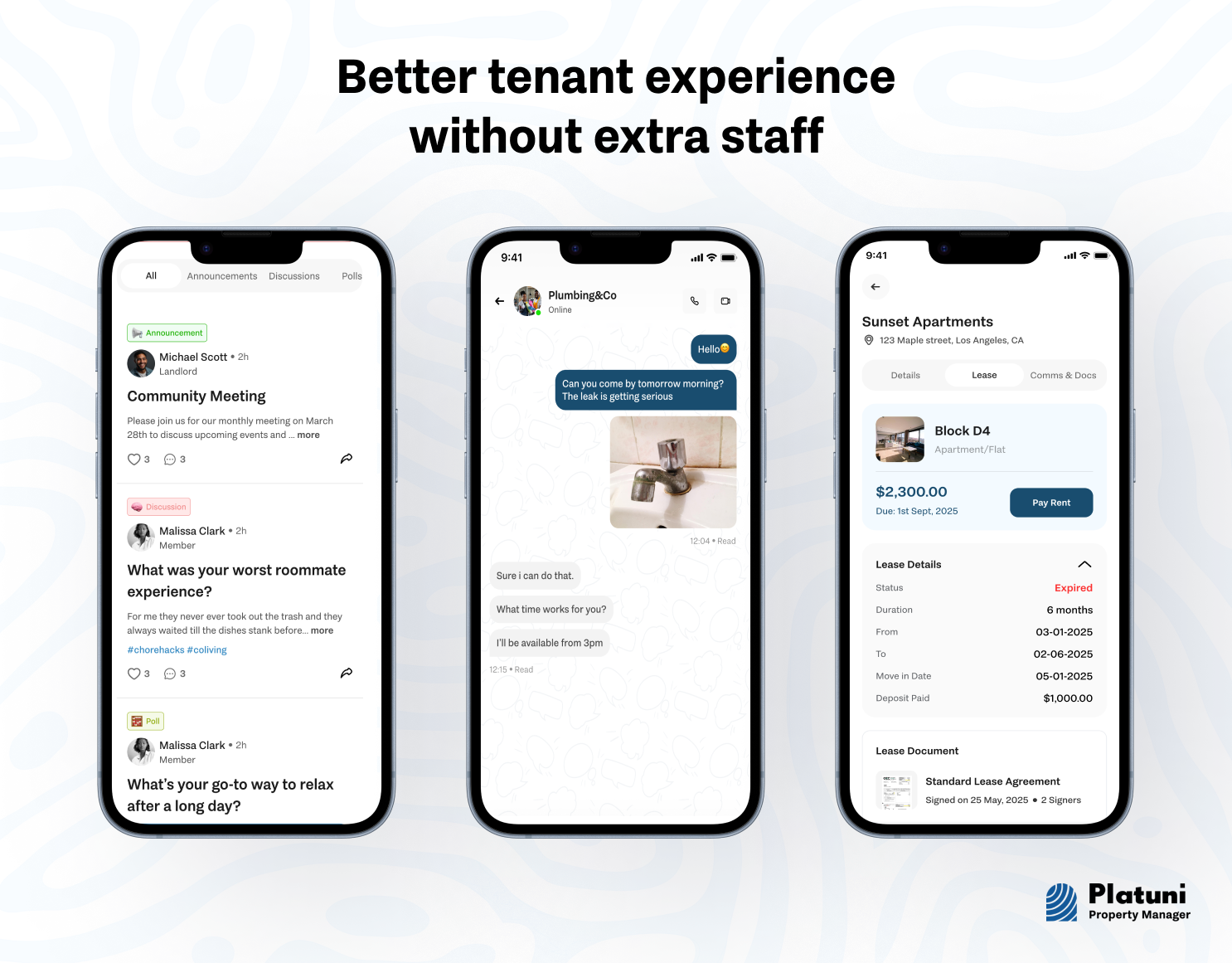
Platuni is a modern, intuitive tenant management software designed to support landlords of all sizes, from single‑unit owners to growing portfolios. It centralizes tenant records, rent tracking, maintenance management, and financial reporting into one dashboard, eliminating the need for spreadsheets or disconnected apps. Platuni’s focus on automation and clarity helps landlords save time, reduce errors, and maintain better tenant relationships.
Key Features:
- Online rent tracking and automated reminders
- Centralized tenant profiles and lease details
- Maintenance request workflows
- Financial reporting and dashboards
- Scalable for small and large portfolios
Try Downloading the Platuni Property Manager App Today!
#2. Buildium
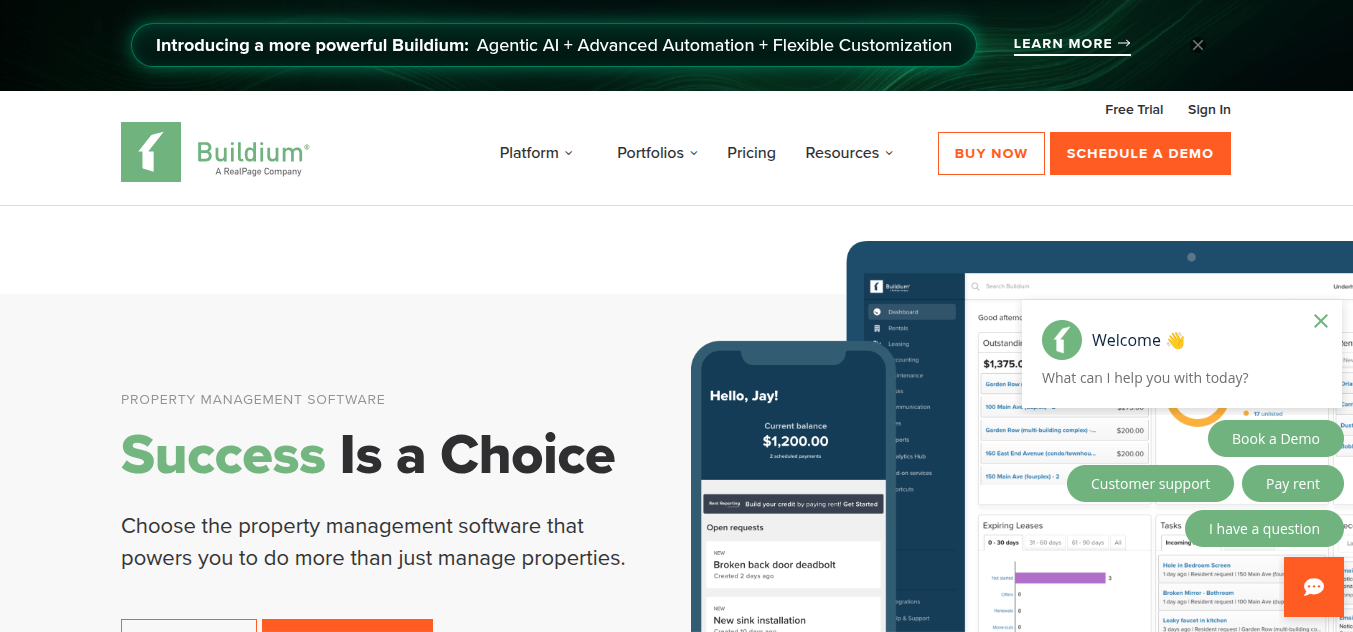
Buildium is a comprehensive tenant management software popular with professional landlords and property managers. It offers a full suite of tools, including accounting, leasing, and maintenance, making it a strong choice for mid‑sized and large portfolios that require deep functionality and reporting.
Key Features:
- Full accounting and financial reporting
- Tenant screening and online lease signing
- Maintenance and vendor tracking
- Online rent collection and fee automation
- Customizable dashboards
Also See: Best Property Management Software Buildium Alternatives
#3. AppFolio Property Manager
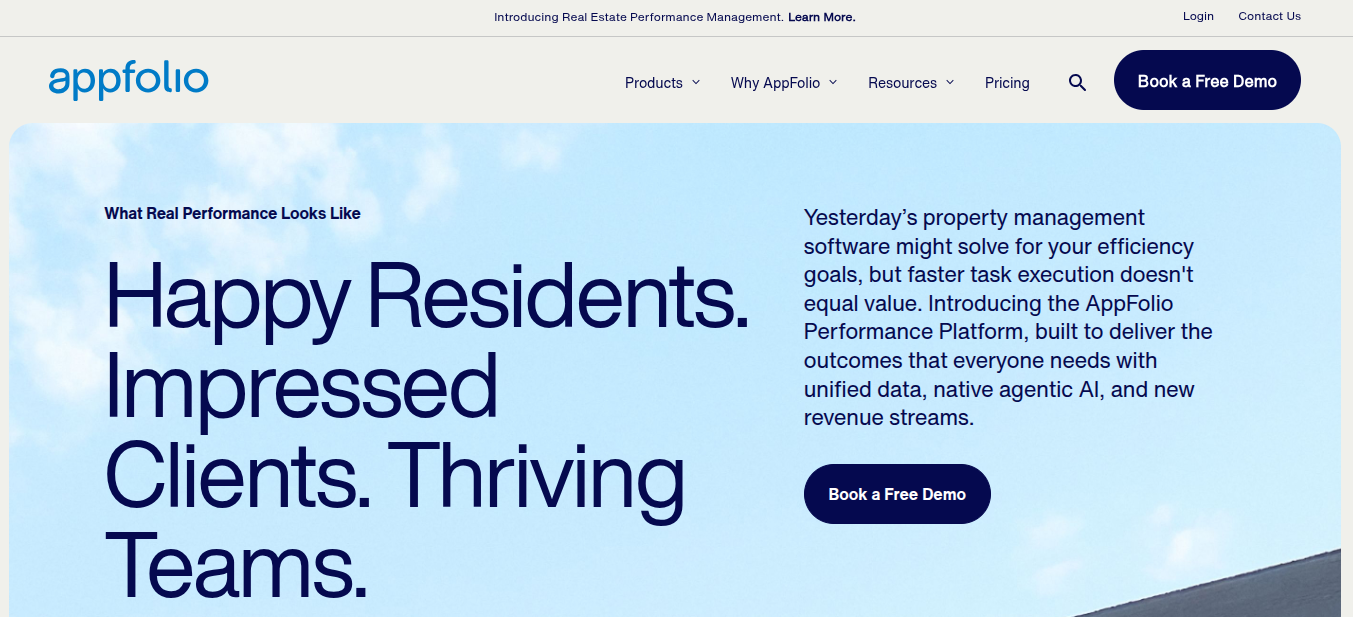
AppFolio stands out for its advanced automation and mobile capabilities, making it ideal for landlords and managers with large or growing property portfolios. It streamlines repetitive tasks and provides powerful tools for managing tenant interactions, online payments, and property maintenance at scale.
Key Features:
- Automated rent and payment reminders
- Mobile app for landlords and tenants
- Built‑in marketing and tenant screening
- AI‑powered task automation
- Detailed analytics and reporting
#4. TenantCloud
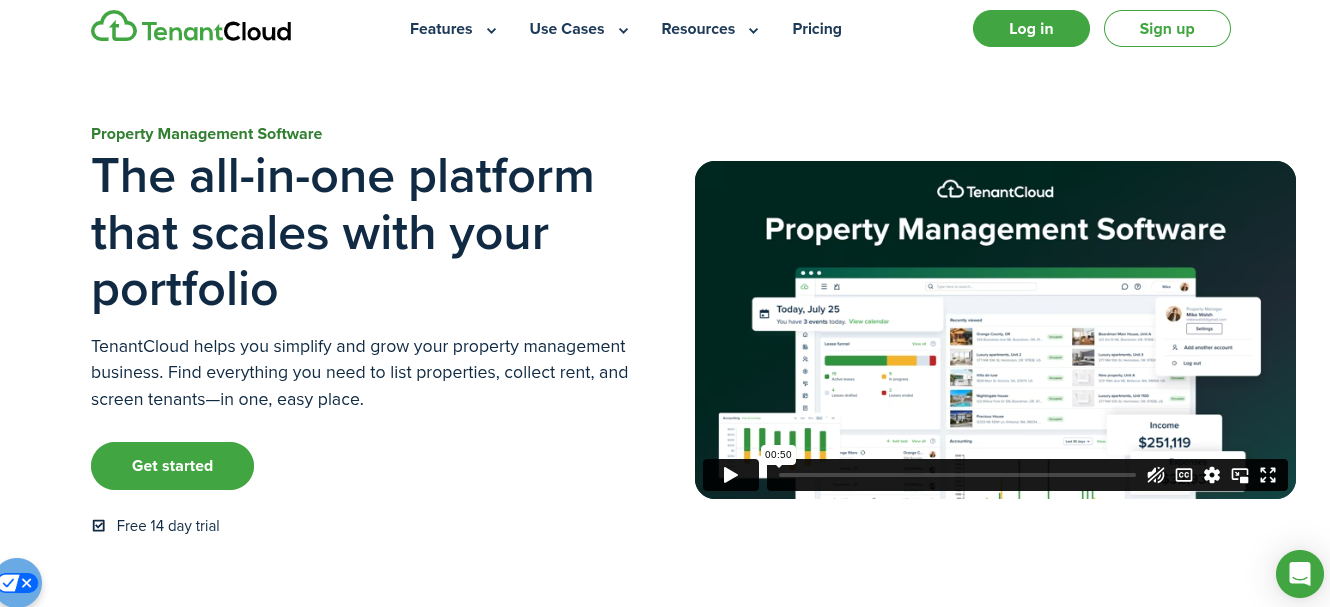
TenantCloud offers a generous free tier that makes it one of the most accessible tenant management software solutions for new or small‑scale landlords. It includes core functionality like rent tracking, tenant screening, and maintenance logging, and allows easy upgrades as your portfolio grows.
Key Features:
- Free core plan with essential tools
- Online rental applications and screening
- Document and lease storage
- Rent and payment tracking
- Optional premium add‑ons
#5. Yardi Breeze
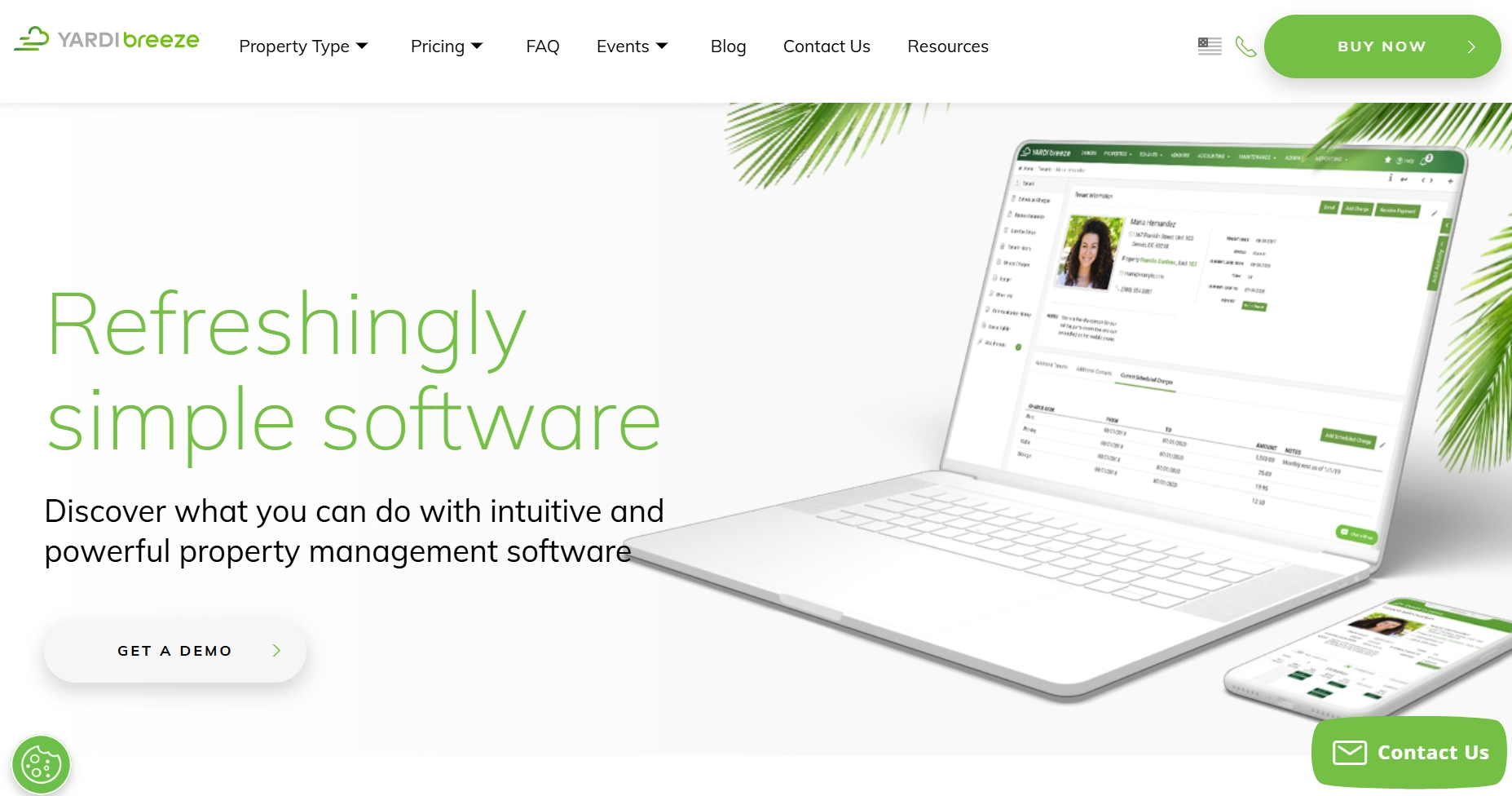
Yardi Breeze is known for its simplicity and cloud‑first design, making it easy for landlords to switch from manual systems or spreadsheets. It provides essential property management tools without a steep learning curve, while delivering reliable online rent payments, maintenance tracking, and reporting.
Key Features:
- Web and mobile access
- Online rent collection and reminders
- Lease and tenant management
- Maintenance tracking
- Simple reporting dashboards
Frequently Asked Questions About Tenant Management Software
How does property management software simplify rent collection?
It automates rent tracking, sends reminders, records payments, and calculates balances. Tools like Platuni make it easy to monitor rent collection in real time, reducing late payments and disputes.
Can property management software work for small portfolios?
Yes. Platforms like TenantCloud and Platuni are scalable and effective for landlords managing even a single property, providing core features without unnecessary complexity.
Is property management software expensive?
Many platforms offer tiered pricing, including free or low-cost options for small landlords. Platuni offers competitive plans with premium features that scale with your portfolio.
How secure is tenant data in property management software?
Top platforms use encrypted storage, secure login, and access control. Platuni ensures tenant and financial data is protected while remaining easily accessible to authorized users.
How easy is it to learn a PMS system?
Modern platforms are designed to be intuitive, often requiring minimal training. Platuni, for example, provides guided onboarding and a user-friendly dashboard that simplifies property management tasks.
Can I integrate property management software with other tools?
Yes. Many platforms support integrations with payment gateways, accounting software, and marketing tools. Platuni integrates with online payment solutions and reporting systems to streamline operations.
Stay Informed
Subscribe to the Platuni B2B Newsletter to receive industry insights,
new feature announcements, and exclusive growth reports
Related Posts
SEPTEMBER 22, 2026
Tenant Background Check vs Credit Check vs Eviction Check: What Does Each Tell You?
Breaks down what a credit check, an eviction check, and a background check each actually reveal about a rental applicant, and what none of them prove alone.
Learn more
SEPTEMBER 21, 2026
Maintenance Portal vs Email and Text: When Should Landlords Switch?
Looks at when informal maintenance reporting by text and email stops working, and what a dedicated portal adds once request volume grows.
Learn more