
Property Management & Operations
Is a Landlord Responsible for an Exterminator? Legal Breakdown
by Platuni | 28 Jan, 2026 | 7 mins read
Platuni
28 January, 2026
7 mins read
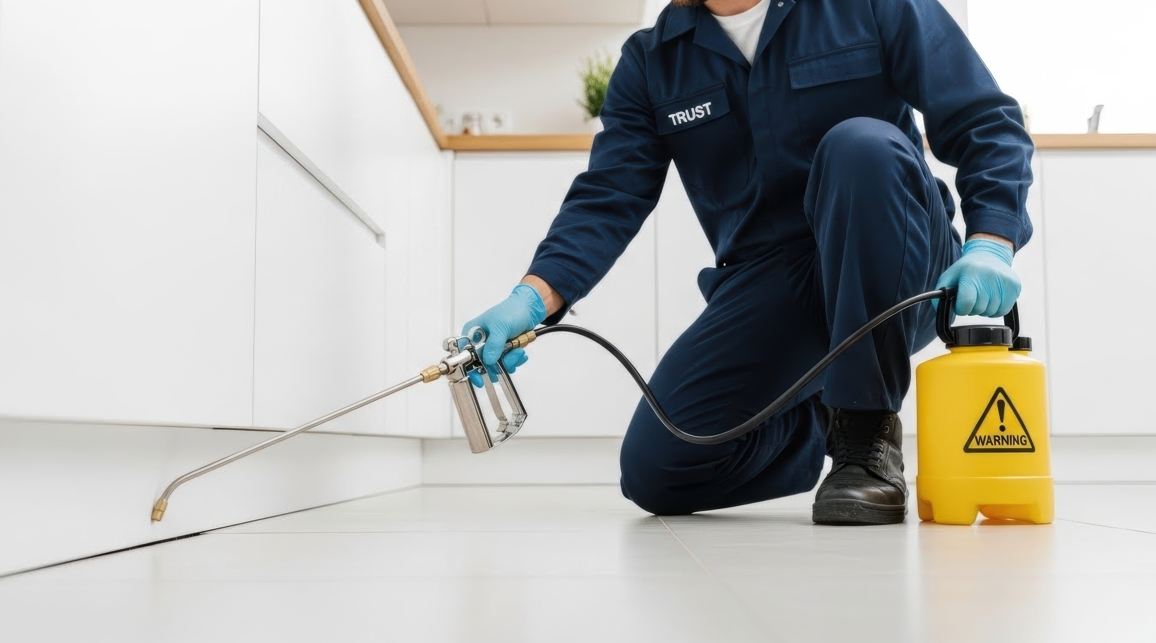
Are you wondering is landlord responsible for exterminator in your rental unit? What happens if pests appear and your landlord doesn’t respond? How can tenants ensure infestations are handled quickly and lawfully
These questions are more common than you might think. It’s a stressful situation that can quickly turn into a dispute if not handled properly. Pest problems can spread fast, impact health, and create financial burdens for both tenants and landlords. Likewise, ignoring these issues can lead to serious disputes, fines, or even lease terminations.
At Platuni, we’re committed to empowering tenants and landlords with tools and knowledge that protects their rights and responsibilities. That’s why we’ve created this post, to ensure you understand your legal obligations, prevent disputes, and maintain a safe, pest-free living environment. You’ll discover what to do when infestations occur, how to communicate effectively with landlords, and ways to prevent recurring infestations.
Also Read: Top Landlord Tips for Managing Rentals Efficiently
Is Pest Control the Landlord's or Tenant’s Responsibility?
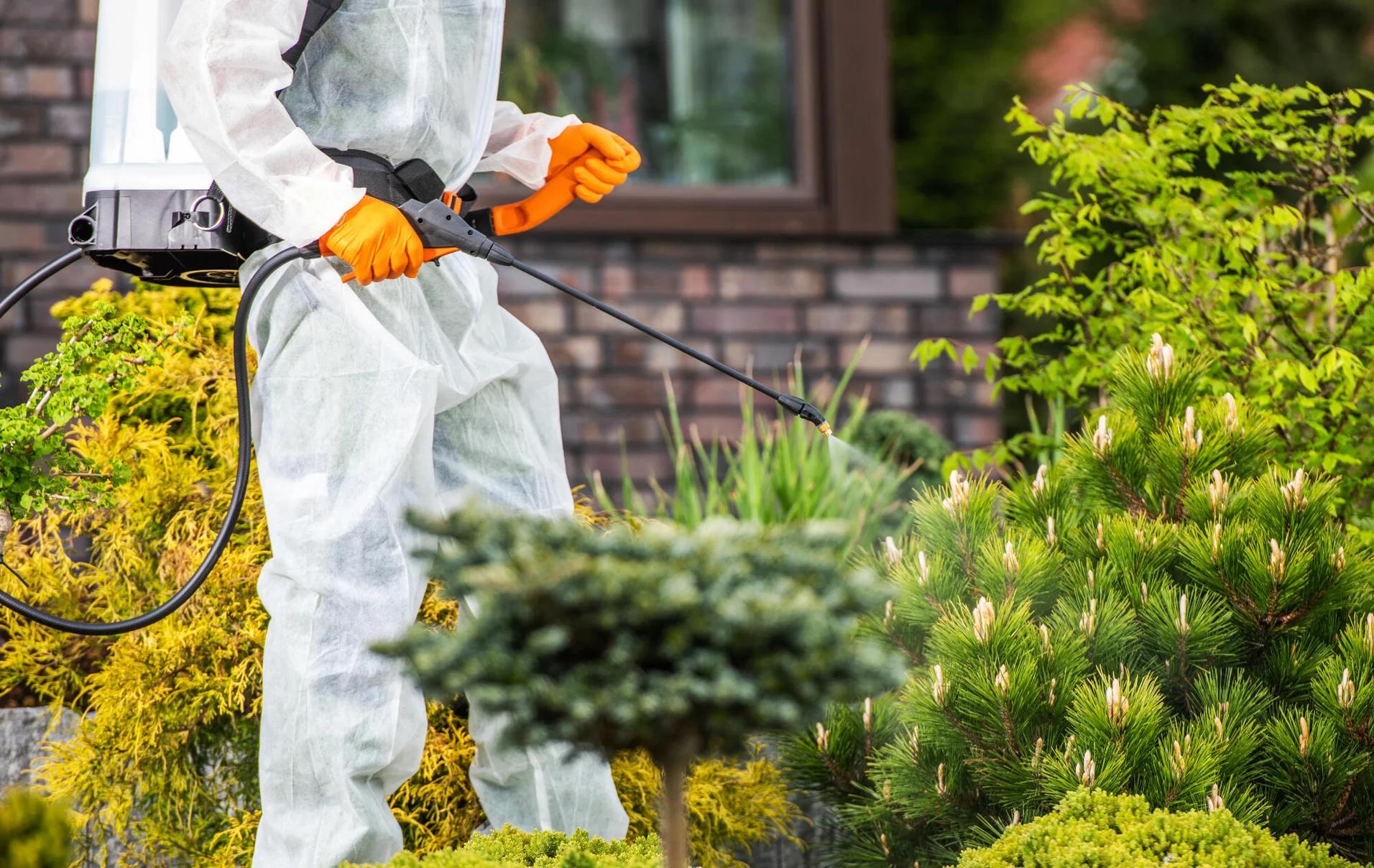
If you're asking, is landlord responsible for exterminator? We want you to know that this depends on the cause of the infestation, what your lease says, and local housing laws. In most cases, if pests are caused by structural issues, pre-existing conditions, or building design flaws, the landlord must arrange and pay for extermination. Generally, landlords are responsible for maintaining safe, habitable conditions, which includes addressing infestations that threaten health or safety.
On the other hand, tenants may be responsible for pest control if the infestation is clearly due to tenant behavior, such as poor housekeeping, improper disposal of food waste, or neglecting cleanliness. Many leases include clauses specifying that tenants must keep the unit reasonably clean and may incur costs for pests directly attributable to their actions. However, even in these cases, landlords often must provide the initial pest treatment and confirm that structural conditions do not contribute to the problem before tenants take responsibility.
Also Read: How Landlords Lower Tenant Turnover Rates and Maximize Profit
How Does Habitability Laws Determine Pest Control Responsibility
Habitability laws are key to answering whether is landlord responsible for exterminator costs. In the United States, most states recognize an “implied warranty of habitability,” which means landlords must keep rental units in a condition fit for human occupancy. This includes being free from vermin or pest infestations that pose health risks. For example, the U.S. Department of Housing and Urban Development (HUD) and local housing authorities enforce standards that require landlords to maintain properties free of hazards. Likewise, pests are routinely classified as parts of the hazards because they spread disease, contaminate food, and compromise sanitation.
Similarly, legal interpretations from public health departments consistently classify pest infestations as a violation of basic housing health and safety standards. For instance, many housing codes require landlords to ensure dwellings are free of conditions that may attract rodents and insects. Where infestations result from building defects, such as holes in walls, broken screens, leaks, or shared walls, courts and housing authorities almost universally require the landlord to provide exterminator services at their expense to ensure compliance with habitability standards.
Also Read: What Are Landlords Responsible For? Legal Duties Explained
How Often Should Landlords Schedule Pest Control for Rental Properties?
Well, the timelines on how often landlords should schedule pest control depends on the type of property, location, and local pest risks. Typically, preventive pest control should be scheduled at least quarterly for most rental properties. Likewise, multi-unit buildings, older properties, or rentals in warm or urban areas often require monthly or bi-monthly treatments because pests spread quickly between units. Proactive scheduling helps landlords meet habitability standards and reduces the risk of costly infestations.
In many jurisdictions, regular pest control is considered part of proper property maintenance, especially when past infestations exist. Similarly, health departments and housing authorities often recommend routine inspections to prevent rodents, cockroaches, and bed bugs, which are common causes of tenant complaints and legal disputes. Furthermore, consistent pest control also strengthens a landlord’s legal position if disputes arise, as it shows reasonable effort to maintain a habitable rental unit.
What to Do When Your Resident Reports a Pest Infestation?
When a resident reports a pest infestation, landlords must act quickly and carefully to protect both the tenant’s health and their legal responsibilities. Normally, pest issues can escalate fast, especially in shared or multi-unit properties, and delayed action may violate habitability standards. Here is what you can do to minimizing disputes, costs, and potential liability.
Also Read: How Platuni Bridges the Gap Between Landlords and Institutions
Acknowledge the Complaint Promptly
Once a resident reports a pest issue, the first step is to acknowledge the complaint immediately. Generally, timely communication reassures tenants that the issue is taken seriously and helps landlords stay compliant with habitability requirements. Conversely, felayed responses can worsen infestations and expose landlords to legal risks, especially if the pest problem affects health or safety. A written acknowledgment, via email or tenant portal, also creates a record that the landlord acted responsibly.
Schedule a Professional Inspection
After acknowledging the report, landlords should arrange a professional inspection as soon as possible. A licensed pest control professional can accurately identify the type of pest, the severity of the infestation, and possible causes. This step is essential in determining whether the issue stems from structural defects, shared building areas, or tenant behavior. Professional documentation also helps landlords justify next steps if disputes arise.
Determine Responsibility Based on the Cause
Determining responsibility is a critical part of handling a pest report. If the infestation is linked to building conditions such as cracks, plumbing leaks, poor ventilation, or common areas, the landlord is generally responsible for providing extermination. If evidence shows the infestation resulted from tenant actions, such as improper waste disposal or excessive clutter, the tenant may share or assume responsibility, depending on lease terms. However, landlords often must address the immediate issue first before assigning costs.
Also Read: 10 Best Landlord Property Management Software in 2026
Arrange For an Exterminator
Regardless of fault, landlords should arrange pest control treatment promptly to prevent the infestation from spreading. Swift action demonstrates compliance with habitability laws and reduces health risks to residents. In multi-unit properties, treating only one unit may be ineffective, so coordinated treatment across affected units may be necessary. Proactive extermination also helps protect the property’s long-term condition and reputation.
Document Every Step Taken
Proper documentation is essential when a resident reports a pest infestation. Therefore, landlords should keep records of the complaint, inspection reports, extermination services, invoices, and follow-up communications. These records serve as evidence of compliance with housing laws and can be crucial if legal action or regulatory review occurs. Clear documentation also helps maintain transparency between landlords and tenants.
Follow Up and Monitor the Situation
After treatment, landlords should follow up with the resident to confirm that the issue has been resolved. Monitoring ensures the infestation does not return and helps identify whether additional treatment is needed. Ongoing monitoring also signals that the landlord is committed to maintaining a safe and habitable living environment, which can reduce tenant complaints and prevent future disputes.
What Tenants Can Do If a Landlord Ignores Pest Treatment?
When a landlord ignores pest treatment requests, tenants may face ongoing health risks, property damage, and unsafe living conditions. Fortunately, housing and habitability laws in many jurisdictions protect tenants from prolonged pest infestations. Knowing the proper steps to take helps tenants assert their rights, resolve the issue legally, and avoid actions that could lead to disputes or lease violations. Therefore, below is what you should do if your landlord refuses pest treatment.
- Document the infestation thoroughly: Take clear photos and videos of the pests, affected areas, and any property damage. Keep copies of emails, text messages, maintenance requests, and written complaints sent to the landlord. Proper documentation is essential if legal or regulatory action becomes necessary.
- Send a formal written notice to the landlord: Submit a written request describing the pest problem and ask for treatment within a reasonable timeframe. Using email, certified mail, or a tenant portal in platforms like Platuni helps establish proof that the landlord was notified and failed to act.
- Contact local housing or health authorities: File a complaint with the local housing department or public health agency. These authorities can inspect the property, cite violations, and order the landlord to arrange pest control if the infestation violates habitability standards.
- Understand legal tenant remedies in your area: Depending on local laws, tenants may be allowed to withhold rent, use “repair and deduct,” or terminate the lease if the landlord ignores pest treatment. These actions must follow strict legal procedures, including proper notice and documentation.
- Seek legal or tenant advocacy support: You can contact a tenant-rights attorney, legal aid organization, or housing advocacy group for guidance. Legal professionals can help enforce tenant protections, negotiate with landlords, or pursue compensation when pest issues affect health or living conditions.
- Follow up and protect your rights: Continue monitoring the situation and keep records of all actions taken. Staying organized and informed will help you resolve pest issues lawfully while avoiding unnecessary disputes or retaliation.
Also See: Tenant Tracker Tools: How Landlords Monitor Payments and Issues
How Can Platuni Help Landlords Manage Pest Reports and Tenant Complaints?
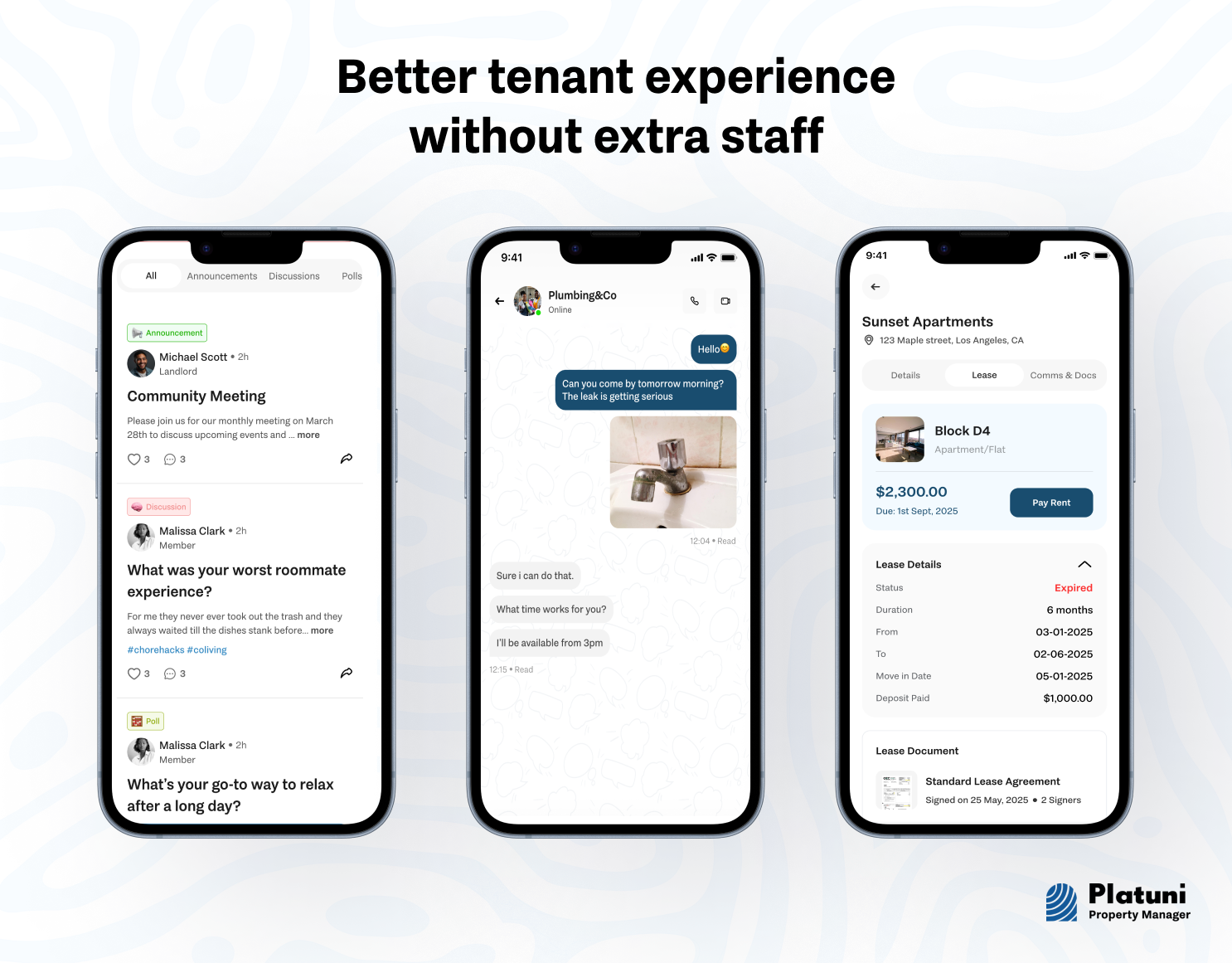
Managing pest infestations and tenant complaints can be stressful and legally risky for landlords. Platforms like Platuni make this process simpler, more organized, and fully compliant with habitability laws. Here’s how landlords can leverage Platuni effectively:
- Instant Notifications and Reporting: Tenants can submit pest complaints directly through Platuni’s platform, allowing landlords to receive real-time alerts. This reduces response time and ensures no issue goes unnoticed, which is crucial in preventing the escalation of infestations.
- Track Maintenance Requests Efficiently: Platuni allows landlords to log and monitor pest control requests from start to finish. You can assign tasks to service providers, schedule extermination visits, and track completion, all in one centralized system. This helps maintain clear records and reduces disputes over responsibility.
- Maintain Digital Records for Legal Compliance: One of the biggest challenges in pest-related disputes is documentation. Platuni automatically keeps a detailed record of tenant reports, inspections, and treatments, which can be used as evidence if a dispute escalates to court or involves local housing authorities.
- Coordinate Multi-Unit Treatments: For apartment complexes or multi-family buildings, Platuni helps landlords schedule pest control for multiple units simultaneously, ensuring that infestations are treated thoroughly and efficiently, preventing pests from spreading between units.
- Improve Tenant Communication: Tenants can receive updates directly through Platuni when pest treatments are scheduled or completed. Transparent communication reduces complaints, increases tenant satisfaction, and strengthens landlord-tenant relationships.
- Monitor Trends and Prevent Recurring Issues: Platuni provides analytics and reports that help landlords identify recurring pest issues, high-risk units, or patterns that require preventive measures. This allows for proactive management rather than reactive fixes.
Try Downloading the Platuni Property Manager App Today!
Frequently Asked Questions About Is the Landlord Responsible For Exterminator
Is a landlord responsible for exterminator costs?
Yes. In most jurisdictions, landlords are responsible for hiring and paying for pest control if the infestation affects the habitability of the rental unit. This includes pre-existing pests or infestations caused by structural defects. Tenants may be responsible only if the problem results directly from their behavior, such as poor sanitation.
Can a tenant take care of pest control and deduct costs?
In some jurisdictions, tenants may hire an exterminator and deduct the cost from rent if the landlord refuses to act after proper notice. Legal requirements vary, so tenants must follow local laws carefully and keep receipts and documentation.
How can digital tools like Platuni help manage pest complaints?
Platforms such as Platuni allow landlords to receive, track, and resolve pest complaints efficiently. Tenants can report infestations directly through the platform, and landlords can schedule extermination, assign tasks, and maintain detailed records, all in one centralized system. This ensures timely responses and protects both parties legally.
What legal rules govern landlord pest control responsibilities?
Landlord responsibilities are often outlined under habitability laws and local housing codes, which require rental units to be free of conditions that threaten health or safety. Violating these laws can result in fines, tenant remedies, or legal action.
Are tenants required to prevent pests in their units?
Yes, tenants are expected to maintain reasonable cleanliness and proper waste disposal. Failure to do so may make tenants partially responsible for infestations. However, landlords still typically bear responsibility for structural or pre-existing pest issues.
How can tenants ensure a landlord fulfills exterminator obligations?
Tenants should submit written pest complaints, keep records, and follow up promptly. If the landlord delays or ignores treatment, tenants may contact local housing authorities. This ensures landlords meet their legal duty when responsible for exterminator services.
Stay Informed
Subscribe to the Platuni B2B Newsletter to receive industry insights,
new feature announcements, and exclusive growth reports
Related Posts

SEPTEMBER 22, 2026
How to Build a Rental Maintenance Workflow From Request to Completion
Defines what should happen after a maintenance request comes in, logging, prioritizing, assigning, verifying, and documenting the repair through to completion.
Learn more
SEPTEMBER 22, 2026
QuickBooks vs Property Management Software for Rental Properties
Explains why QuickBooks and property management software solve different problems, and when a landlord needs one, the other, or both.
Learn more