
Property Management & Operations
North Carolina Residential Rental Contract Guide
by Platuni | 18 Jun, 2026 | 7 mins read
Platuni
18 June, 2026
7 mins read
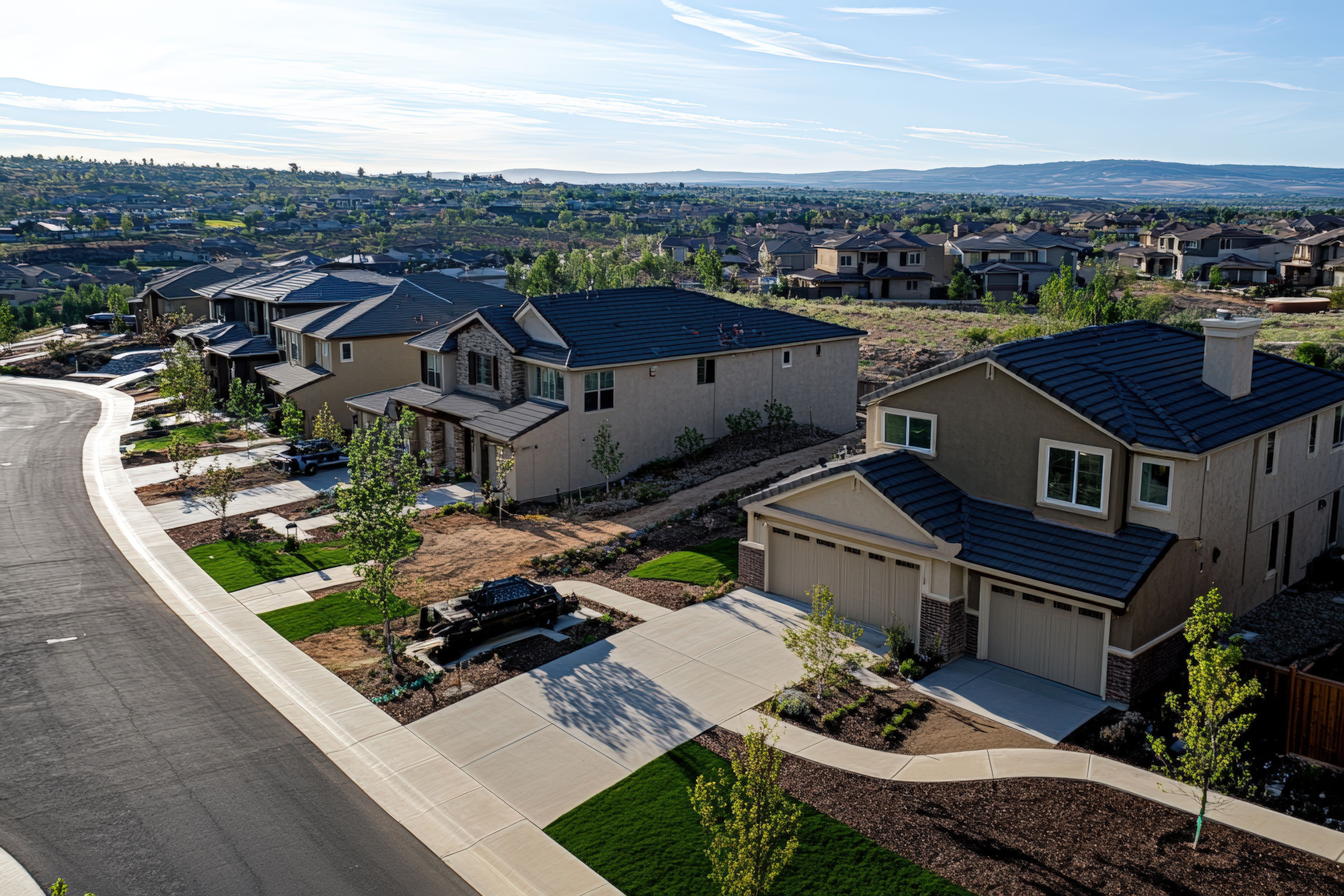
North Carolina's rental market has grown enormously and with that growth comes an increasing number of people signing leases without fully understanding what they're agreeing to. 1,408,252 households in North Carolina are renter-occupied, representing about 34% of all households statewide. Add to that a sobering finding from the N.C. Housing Coalition: nearly 49% of North Carolina renters are cost-burdened, meaning they spend more than 30% of their income on housing, a figure that rose to 638,780 households in 2025, up from 615,581 the year before.
With that much money on the line, signing a rental contract in NC without reading it carefully is a risk most renters can't afford to take. Whether you're a first-time renter or someone who's signed dozens of leases, understanding what every NC rental contract must contain and what protections the law provides is essential knowledge.
As rental markets become more competitive and regulations continue evolving, many landlords and tenants find themselves searching for answers to important questions such as:
- What clauses should every NC residential rental contract include?
- Are verbal rental agreements legally enforceable in North Carolina?
- How do security deposit rules affect a rental contract NC landlords use?
- What rights and responsibilities must be clearly stated in an NC rental contract?
- How can landlords avoid legal disputes caused by incomplete lease agreements?
These questions often determine whether a lease protects both parties or creates unnecessary risks down the road.
At Platuni, we're committed to making the rental process simple and transparent. This guide covers everything you need to know about the NC residential rental contract: what it requires, what it protects, and what to watch out for before you sign.
Also Read: North Carolina Landlord Tenant Rental Laws & Rights for 2026
What Laws Govern a Rental Contract in NC?
Every rental contract NC landlords and tenants enter into is governed primarily by the North Carolina Residential Rental Agreements Act, found in North Carolina General Statutes (NCGS), Chapter 42, Articles 5 and Articles 6. These statutes lay out the rights and responsibilities of both parties and set the baseline that every valid NC rental contract must meet.
North Carolina is widely described as a landlord-friendly state and the data backs that up. The state has no rent control, no statutory requirement for landlords to provide advance entry notice, and no "just-cause" eviction requirement. What it does have are clearly defined lease requirements, specific security deposit rules, and baseline habitability standards that every landlord must meet.
The full text of the relevant statutes is available free of charge through the North Carolina General Assembly. Both landlords and tenants should know where to find them.
Additional laws that affect rental contracts in NC include:
- Federal Fair Housing Act (42 U.S.C. § 3604): Prohibits housing discrimination based on race, color, religion, sex, national origin, disability, or familial status.
- North Carolina Fair Housing Act (NCGS § 41A): Mirrors and expands on federal fair housing protections at the state level.
- Residential Lead-Based Paint Hazard Reduction Act (Title X, Section 1018): Requires disclosure of known lead-based paint hazards in properties built before 1978 this applies to every NC residential rental contract for qualifying properties.
Understanding this framework is the first step to ensuring your rental contract NC is legally sound.
Also Read: North Carolina Eviction Process: Laws & Timeline in 2026
Does a Rental Contract in NC Have to Be in Writing?
This question matters more than most people realize. According to North Carolina law, written rental agreements are required if the lease is going for 12 months or longer. However, it's suggested to every North Carolina landlord to include a written document regardless of the lease duration.
So technically, short-term agreements can be oral in North Carolina. But in practice, an oral NC rental contract creates enormous risk for both parties. Without a written record, every disputed term, rent amount, repair responsibilities, guest policies, pet rules becomes a "he said, she said" situation with no reliable resolution.
The clear and universal recommendation from legal professionals and housing organizations is: always use a written, signed NC residential rental contract, regardless of the tenancy length. The protection it provides is worth every minute it takes to complete properly.
Also Read: North Carolina HOA Laws: A Comprehensive Guide
What Must Every NC Residential Rental Contract Include?
A well-drafted NC rental contract should address specific elements to be legally enforceable and practically useful. Missing or vague terms are the most common source of landlord-tenant disputes in North Carolina. Here's what every rental contract NC needs:
Full Legal Names of All Parties
The full legal names of the landlord (or property management company) and all adult tenants must be clearly listed. If a property manager is involved, their name and contact information should also appear.
Property Address and Description
The complete street address of the rental unit, including any unit number, parking space assignments, or storage areas included in the tenancy, must be specified.
Lease Term and Type
Every NC residential rental contract must clearly state the type of tenancy fixed-term, month-to-month, or week-to-week along with the start date and, for fixed-term leases, the end date.
Rent Amount, Due Date, and Payment Method
The monthly rent amount, the date rent is due, the accepted payment methods, and where payment should be sent must all be stated clearly. A rental contract in NC that's vague about rent payment creates immediate potential for conflict.
Late Fee Terms
North Carolina law governs late fees specifically. Under NCGS § 42-46(a), late fees for monthly tenancies cannot exceed $15 or 5% of the monthly rent, whichever is greater. For weekly tenancies, the cap is $4 or 5% of the weekly rent, whichever is greater. A late fee also cannot be charged until the rent is at least five days past due, and only one late fee may be assessed per late payment. Any late fee terms in a rental contract NC that exceed these limits are unenforceable.
Security Deposit Terms
The deposit amount, terms, and any nonrefundable fees must be clearly disclosed in the NC rental contract. Here is an overview of the maximum security deposit amount in North Carolina, as per NCGS 42-51: Weekly Leases: The maximum deposit is equivalent to two weeks' rent. Monthly Leases: The limit is set at one and a half months' rent. For leases longer than one month, the cap rises to two months' rent.
Maintenance and Repair Responsibilities
A clear NC residential rental contract should specify who is responsible for what lawn care, pest control, HVAC filter replacement, appliance maintenance. Clarity here prevents the most common disputes landlords and tenants face.
Pet Policy
If pets are allowed, the rental contract in NC should specify which animals are permitted, any size or breed restrictions, and whether a separate pet deposit or nonrefundable pet fee applies. Under NCGS § 42-53, reasonable nonrefundable pet deposits are permitted. Tenants with service animals due to disabilities are exempt from pet fees, regardless of what the lease says.
Rules and Restrictions
Guest policies, noise restrictions, smoking rules, parking assignments, and any community rules should all be written directly into the NC rental contract or attached as an addendum. Tenants are generally only bound by rules they've been given in writing.
Also Read: North Carolina Security Deposit Laws | Deductions & Rights
What Disclosures Are Required in a North Carolina Rental Contract?
Beyond the core lease terms, certain mandatory disclosures must be included in or accompany every NC residential rental contract. Missing these can create legal exposure for the landlord and give tenants grounds to challenge the agreement.
Lead-Based Paint Disclosure (Federal Title X)
For properties built before 1978, landlords must provide an EPA-approved pamphlet ("Protect Your Family from Lead in Your Home") and disclose any known lead-based paint hazards. Both the landlord and tenant must sign the disclosure.
Security Deposit Location Notice (NCGS § 42-50)
Landlords must notify tenants in writing within 30 days of the beginning of the lease regarding the name and address of the bank where the deposit is held. This is one of the more specific and frequently overlooked disclosure requirements in all of NC rental contract law. State law mandates that security deposits be placed in a trust or escrow account in a licensed, insured North Carolina bank or savings institution.
Mold Disclosure
While not formally mandated as a standalone statute, landlords in North Carolina are obligated to inform tenants about any known mold issues within the rental property. This disclosure is most often included within the NC residential rental contract itself and is critical given North Carolina's humid climate, which makes mold a genuine issue in many rental units.
Interest on Security Deposits
Landlords must pay tenants interest annually. If the owner manages the property themselves, they owe a flat 5% annual interest. If a licensed real estate broker manages it, you get at least 75% of the interest actually earned. This requirement applies to any rental contract NC that involves a security deposit.
Also Read: South Carolina Eviction Laws: The Process & Timeline in 2026
What Are the Security Deposit Rules Under NC Rental Contract Law?
Security deposits are one of the most disputed aspects of any NC rental contract and North Carolina law is notably detailed in how it regulates them.
Maximum Amounts (NCGS § 42-51)
- Week-to-week tenancy: Two weeks' rent
- Month-to-month tenancy: 1.5 months' rent
- Fixed-term lease (more than one month): Two months' rent
Pet deposits count toward the total maximum, while reasonable nonrefundable pet fees are permitted separately under NCGS § 42-53.
Where Deposits Must Be Held (NCGS § 42-50).
Security deposits must be held in a trust or escrow account at a licensed, insured North Carolina bank or savings institution. Alternatively, the landlord may secure a surety bond from an insurance company licensed in North Carolina. Deposits cannot sit in a landlord's personal checking account.
Return Timeline (NCGS § 42-52).
A landlord is required by North Carolina law to reimburse a tenant's security deposit within 30 days after the tenant's departure. If deductions are made, an itemized written statement must accompany whatever balance is returned. If the landlord needs more time to assess damages, they can send an interim accounting within 30 days and a final accounting within 60 days.
Permissible Deductions (NCGS § 42-51).
Landlords may withhold from the security deposit for: unpaid rent, property damage beyond normal wear and tear, costs of re-renting after a lease breach, unpaid utility bills, and court costs related to an eviction. They cannot deduct for normal wear and tear.
Also Read: South Carolina HOA Laws: A Comprehensive Guide
What Are Landlord and Tenant Responsibilities Under an NC Rental Contract?
A valid NC residential rental contract doesn't just bind tenants it creates clear responsibilities for landlords too. Under NCGS § 42-42, landlords must:
- Comply with applicable housing codes affecting health and safety
- Make all repairs necessary to keep the property fit and habitable
- Keep all common areas in safe condition
- Maintain all electrical, plumbing, heating, and cooling systems in good working order
- Provide and maintain smoke detectors in compliance with state requirements
- Supply running water, reasonable amounts of hot water, and adequate heat
Tenants, under NCGS § 42-43, are required to:
- Keep their rental unit clean and safe
- Dispose of garbage and waste properly
- Not damage, destroy, or remove any part of the premises or allow guests to do so
- Comply with all lawful obligations in their rental contract in NC
- Notify the landlord promptly of any conditions requiring repair
Many North Carolina leases include clauses that shift some maintenance obligations to the tenant. Minor maintenance (changing light bulbs, replacing HVAC filters) can reasonably be assigned to the tenant. Major system repairs plumbing, electrical, structural, HVAC failure generally remain the landlord's responsibility under § 42-42, and lease clauses that attempt to shift these cannot override the statute.
Also Read: South Carolina Security Deposit Laws | Deductions & Rights
What Notice Periods Apply to an NC Rental Contract?
Notice requirements are critical to miss them, and you could face financial liability or a wrongful eviction claim. Here's what rental contract NC law requires under NCGS § 42-14:
| Tenancy Type | Required Notice to Terminate |
|---|---|
| Week-to-week | 2 days |
| Month-to-month | 7 days |
| Year-to-year | One month before the end of the current year |
| Fixed-term lease | No notice required lease expires on the end date |
For nonpayment of rent, the landlord must provide a 10-day notice to pay or quit before filing an eviction action, per NCGS § 42-3.
For lease violations, eviction proceedings can begin immediately; there is no statutory cure period for general lease violations, per NCGS § 42-26. This is one of the starkest differences between North Carolina and more tenant-protective states.
One important note: North Carolina has no statutory landlord entry notice requirement, no rent control, and no just-cause eviction. That means landlords in North Carolina are not legally required to give notice before entering though many rental contracts in NC include a voluntary entry notice provision, typically 24 to 48 hours. If this matters to you, ensure it's written into your lease before you sign.
Also Read: How to Get Out of a Lease Early Legally
What Terms Are Illegal in a North Carolina Rental Contract?
While North Carolina is relatively landlord-friendly, certain terms are void and unenforceable in any NC rental contract, regardless of whether both parties signed.
Waiver of Habitability
A lease cannot require tenants to waive their right to a habitable home. The landlord's duty under NCGS § 42-42 to maintain fit and safe conditions is non-negotiable and cannot be contracted away.
Waiver of Legal Remedies
A rental contract NC that attempts to strip tenants of their right to pursue legal remedies including the right to raise habitability as a defense in an eviction is unenforceable.
Self-Help Eviction Provisions
No clause in an NC residential rental contract can authorize a landlord to lock out a tenant, remove belongings, or shut off utilities to force a departure. These actions are illegal under North Carolina law regardless of what the lease says. Proper eviction requires a court order.
Excessive Late Fees
Late fees in excess of $15 or 5% of monthly rent (whichever is greater), or fees charged before rent is five days past due, are unenforceable under NCGS § 42-46(a).
Excessive Security Deposits
Any deposit above the statutory maximum for the applicable tenancy type is unenforceable. Pet deposits that push the total above the two-month cap (for longer leases) are similarly unenforceable.
Discriminatory Provisions
Any clause that directly or indirectly discriminates against a protected class under the Federal Fair Housing Act or North Carolina Fair Housing Act is void and may expose the landlord to significant legal liability.
Also Read: Co-Signer vs Guarantor: Key Differences Explained
What Happens When an NC Rental Contract Is Violated?
Even the most carefully drafted NC residential rental contract can't prevent every dispute. Here's how the law handles violations on both sides:
If the Tenant Violates the Lease
For nonpayment of rent, the landlord serves a 10-day notice to pay or quit under NCGS § 42-3. If unpaid, they may file for summary ejectment (eviction) in the local District Court. For other lease violations, the process can begin immediately. Landlords cannot engage in self-help eviction; only a court-ordered writ of possession authorizes physical removal.
If the Landlord Violates the Lease
If the landlord fails to repair conditions that violate the fit and habitable standard after written notice, the tenant has limited self-help options in North Carolina. The state does not have a broad statutory repair-and-deduct remedy. Tenants' primary recourse is filing a complaint with the local code enforcement or health department, or rent withholding through the courts tenants may be able to raise habitability as a defense in an eviction action.
This is an important limitation that every renter should understand before signing a rental contract NC unlike California or Arizona, North Carolina doesn't have a broad repair-and-deduct statute.
Also Read: Property Manager Reports | Types and How to Create Them
What Does Platuni Recommend Before Signing an NC Rental Contract?
Inflation-adjusted median rent estimates in North Carolina increased each year from 2014 to 2023, representing an increase of more than 20% over the study period, per NC Commerce. With the average rent in North Carolina at $1,803 per month and Charlotte rents averaging $1,930, the financial stakes of an NC rental contract are real and significant.
At Platuni, here's our pre-signing checklist for every tenant entering a rental contract in NC:
- Confirm the lease is in writing, regardless of the term length
- Verify the security deposit doesn't exceed the statutory cap for your tenancy type
- Check whether a 24-to-48-hour entry notice provision is included
- Read the maintenance section carefully know what you're taking on
- Confirm all required disclosures are present (lead paint if applicable, security deposit location notice, mold)
- Ask for a move-in inspection checklist and document the condition of everything with photos on day one
- Confirm all nonrefundable fees are clearly labeled as such in writing
- Know the notice periods required to end the tenancy before you sign
Explore North Carolina rentals on Platuni today and sign every lease with full confidence.
Also Read: Platuni vs TenantCloud | Which Property Tool Is Better?
Conclusion
North Carolina's rental market is growing, rents are rising, and the financial stakes of every NC rental contract are higher than ever. With nearly half of North Carolina renters already cost-burdened, signing a lease without understanding what it says isn't just risky, it's potentially devastating.
The good news is that NC rental contract law, while landlord-friendly in many respects, does provide important protections: a detailed security deposit framework, clear late fee limits, habitability standards, and anti-discrimination protections that apply to every rental contract in NC regardless of what the lease says.
At Platuni, our mission is to make sure every renter in North Carolina walks into their tenancy fully informed. Read your NC residential rental contract carefully, know your rights under NCGS Chapter 42, and never sign anything you don't fully understand.
Frequently Asked Questions on North Carolina Rental Contract
Does a rental contract in NC have to be in writing?
For leases of 12 months or longer, a written NC rental contract is legally required under North Carolina law. For shorter tenancies, oral agreements are technically valid but extremely difficult to enforce if a dispute arises. Every legal professional and housing organization in the state recommends using a written, signed rental contract NC regardless of lease length. The protection it provides far outweighs the effort required.
What is the maximum security deposit under an NC residential rental contract?
Security deposit limits in a NC residential rental contract are set by NCGS § 42-51: two weeks' rent for week-to-week tenancies; 1.5 months' rent for month-to-month tenancies; and two months' rent for fixed-term leases longer than one month. Pet deposits typically count toward the total maximum. Landlords must hold deposits in a trust account at a licensed, insured NC financial institution and notify tenants of the account location within 30 days of the lease start.
How much notice is required to end a rental contract in NC?
Notice requirements under NCGS § 42-14 depend on the tenancy type. A week-to-week NC rental contract requires just two days' notice. A month-to-month lease requires seven days' notice. A year-to-year tenancy requires at least one month's notice before the end of the current year. A fixed-term lease simply expires on the end date no notice required unless the lease specifies otherwise.
What are the late fee limits in a North Carolina rental contract?
Under NCGS § 42-46(a), late fees in an NC rental contract cannot exceed $15 or 5% of the monthly rent whichever is greater for monthly tenancies. For weekly tenancies, the cap is $4 or 5% of the weekly rent. Late fees cannot be charged until rent is at least five days past due, and only one fee may be assessed per late payment. Any late fee exceeding these limits in a rental contract NC is legally unenforceable.
Can a landlord enter my home without notice under a North Carolina rental contract?
Unlike many other states, North Carolina has no statutory requirement for landlords to provide advance notice before entering a rental unit. There is no legal minimum notice period set by state law. However, many NC residential rental contracts voluntarily include a 24-to-48-hour notice provision. If privacy of entry matters to you, make sure it's written into your rental contract NC before signing once the lease is signed, you're bound by whatever it says (or doesn't say) on this point.
What tenant protections are missing from North Carolina rental contract law that exist in other states?
North Carolina is notably landlord-friendly compared to many other states. Specifically, there is no rent control, no statutory right to repair-and-deduct for tenants, no statutory landlord entry notice requirement, and no "just-cause" eviction requirement meaning landlords can end month-to-month tenancies with seven days' notice without providing a reason. Tenants whose primary concern is habitability have limited self-help options; their main recourse is code enforcement complaints or raising habitability as a defense in court. Understanding these gaps before signing a rental contract in NC helps set realistic expectations.
What should I do if my landlord fails to return my security deposit after my NC rental contract ends?
Under NCGS § 42-52, your landlord must return your security deposit with an itemized statement of any deductions within 30 days of your departure (or provide an interim accounting within 30 days and a final accounting within 60 days). If the deposit isn't returned or the deductions aren't properly itemized, you may sue in North Carolina Small Claims Court for the wrongfully withheld amount plus any applicable damages. Always provide your forwarding address in writing before moving out, and document the property's condition with photos on move-out day. These two steps are your most powerful tools for getting your full deposit back.
Stay Informed
Subscribe to the Platuni B2B Newsletter to receive industry insights,
new feature announcements, and exclusive growth reports
Related Posts

AUGUST 3, 2026
Missouri HOA Laws: A Comprehensive Guide
Know your rights! Learn how Missouri's unique laws and recent court rulings protect your rights regarding HOA fees, solar panels, and liens.
Learn more
AUGUST 3, 2026
Montana Squatter's Rights & Adverse Possession Laws
Learn Montana's strict squatter laws! Discover how the 5-year tax payment rule and new 2025 expedited removal laws protect your property.
Learn more