
Property Management & Operations
Insurance Disaster Coverage: What Property Owners Should Know
by Platuni | 13 Feb, 2026 | 10 mins read
Platuni
13 February, 2026
10 mins read
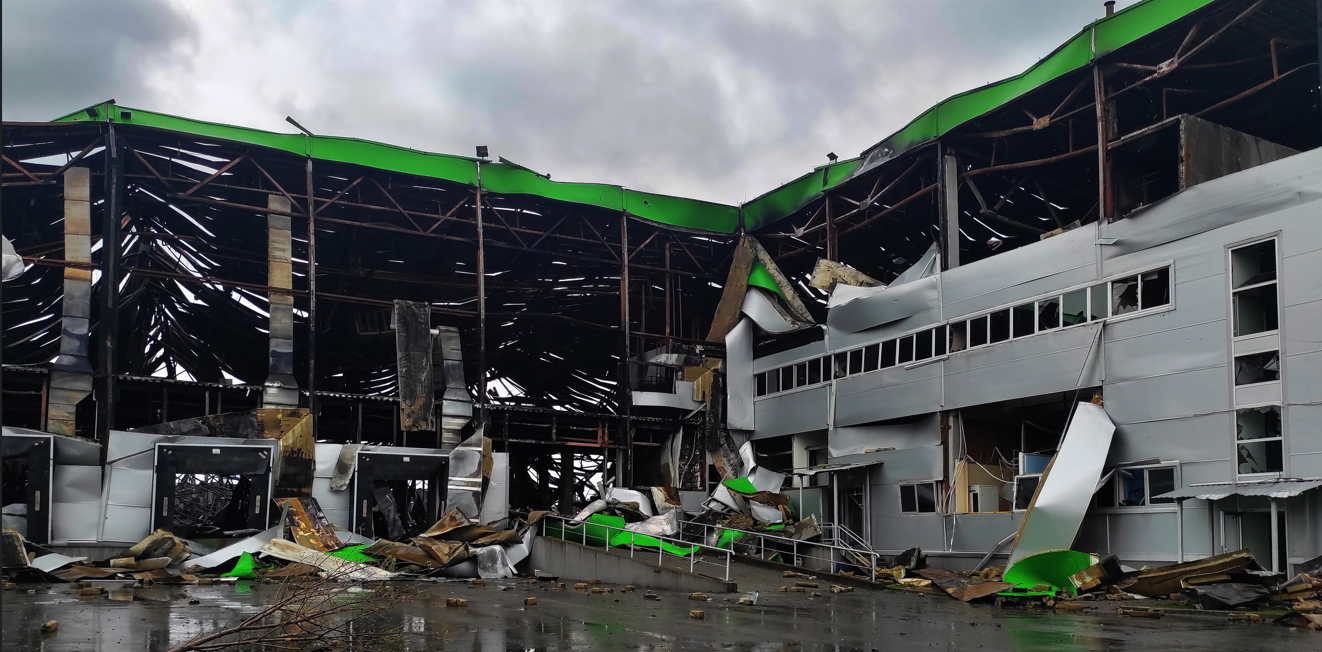
Natural disasters are no longer rare anomalies; they are part of the modern risk landscape property owners must prepare for. From hurricanes and wildfires to floods, earthquakes, and tornadoes, extreme weather and geological events can cause devastating losses that are far beyond what most people can absorb out of pocket. As climate science evolves and extreme events become more frequent and severe, the importance of understanding insurance disaster coverage has never been greater for property owners.
Whether you own a single rental property or a large real estate portfolio, the right disaster coverage isn’t just about avoiding financial loss. It's about ensuring continuity, protecting equity, and maintaining operational stability through turbulent times. Platuni is the best platform integrating legal, financial, and operational safeguards into property management systems, and disaster insurance is a cornerstone of that integrated approach.
This article explains what disaster insurance is, what typical property policies cover (and don’t cover), specialized coverage options, how to assess your risk, and practical steps property owners can take to ensure they’re protected before and after a catastrophe occurs.
Why Disaster Coverage Matters Now More Than Ever
According to the National Oceanic and Atmospheric Administration (NOAA), the United States experienced 28 separate weather and climate disasters in 2023 that each caused at least $1 billion in damages. These events collectively resulted in over $90 billion in total losses. Such figures underscore why understanding insurance disaster coverage is not simply a compliance exercise, it is a strategic necessity for protecting capital, preserving operations, and sustaining long-term asset value. In 2023 alone, weather and climate-related disasters in the United States caused nearly $93 billion in damages, demonstrating both the scale of potential loss and the rising cost of extreme events.
Disasters can disrupt property operations in multiple ways:
- Structural damage (physical loss to buildings and infrastructure)
- Content loss (damage to furnishings, equipment, inventory)
- Business interruption (lost rents or income due to closure)
- Liability exposures (injuries or damages associated with a disaster event)
Most standard property insurance policies are designed to cover everyday problems like fire or vandalism but are limited when it comes to severe natural events unless supplemental or specialized coverage is in place. That’s why property owners must understand both the limitations of “standard” coverage and the landscape of disaster insurance options available to them.
Also Read: Can an Administrator Sell Property Without Approval
What Standard Property Insurance Typically Covers
Most property insurance policies (including homeowners, commercial property, and landlord policies) provide basic coverage for certain perils. According to the Insurance Information Institute, typical disasters that are covered in most standard policies include:
- Fire and lightning
- Windstorm or hail
- Explosion
- Riot or civil commotion
- Smoke damage
- Vehicles or aircraft impact, but notably not all disasters are covered.
Understanding exactly what types of damage trigger coverage is essential, because how a problem is defined in the policy determines whether damage qualifies for a claim.
Common Gaps in Standard Coverage
While standard policies cover many events, they exclude several high-impact disaster risks. This means policyholders must purchase additional or separate coverage for these exposures. Common exclusions include:
Flood Damage
Floods, whether from rising rivers, heavy rainfall, storm surge, or coastal tidal events are not covered under standard property insurance. Flood coverage must be purchased separately, typically through the National Flood Insurance Program (NFIP) or through qualified private carriers.
Property owners in or near flood zones should use FEMA flood maps to determine risk and coverage needs, since lenders often require flood insurance for properties in high-risk zones.
Earthquakes and Earth Movement
Earthquake damage is another major exclusion in standard policies. Coverage for earthquakes is available but typically must be purchased as a separate policy or endorsement. Earthquake deductibles are usually calculated as a percentage of overall coverage rather than a fixed dollar amount.
Sinkholes, Landslides, and Mudflows
These are often excluded unless specifically added. Even when available, they may require specialized endorsements.
Terrorism
While rare, losses due to terrorist acts are excluded unless the property owner buys a specific terrorism endorsement. The federal Terrorism Risk Insurance Act (TRIA) supports this type of coverage for businesses.
Also Read: What Are Landlords Responsible For? Legal Duties Explained
Specialized Disaster Coverage Options
Given the exclusions in typical policies, successful property owners consider several layers of disaster insurance:
Flood Insurance
As noted, flood insurance is separate from standard coverage and is often obtained through the NFIP, though private market options also exist. Flood insurance protects structures and contents from water damage due to external sources.
Earthquake Insurance
This policy covers damage from seismic activity and often has a significant deductible. Exposures vary by region for example, California, Oregon, and parts of the central U.S. have higher seismic risk.
Windstorm/Hurricane Coverage
In hurricane-prone regions (like the Gulf Coast or Southeast), windstorm coverage may be required or offered as a separate endorsement, particularly where windstorm losses are not fully covered in standard policies.
Business Interruption Insurance
Also known as business income insurance, this covers lost income when a disaster forces a shutdown or interruption in operations. It reimburses the property owner for loss of revenue during the period necessary to repair or rebuild.
Ordinance or Law Coverage
This helps pay for upgrades required by building codes during reconstruction particularly useful after major disasters where current codes may demand structural changes.
Debris Removal and Additional Coverages
Some policies include or offer riders for debris removal, emergency repairs, temporary housing costs, and dependent property damage.
Evaluating Disaster Risk for Your Property
No two properties face the same risk profile. Evaluating disaster risk is a critical first step:
Location Exposure
Geographic risk matters. Floodplains, earthquake zones, coastal hurricane corridors, and wildfire-prone regions each carry unique perils that influence both coverage needs and premium costs.
Building Construction and Age
Older buildings or certain construction types (such as wood framing) may be more vulnerable to specific perils and therefore require additional coverage or mitigation measures.
Local Climate Trends
Climate change is altering weather patterns, increasing the frequency of extreme events in some regions. According to research on climate risk and natural disasters, rising variability in weather can raise both insurance costs and the likelihood of catastrophic losses.
Challenges: Cost and Premium Considerations
While disaster coverage is critical, it comes at a cost. Premiums are influenced by:
- Risk exposure (hurricane zone, flood zone, earthquake zone)
- Building value and replacement cost
- Claims history
- Deductible level
- Local building codes and mitigation measures
Download the Platuni Property Manager App Today
There is no all-in-one “disaster insurance” that covers every peril with a single policy property owners typically piece together coverage from multiple sources and endorsements.
Strategic approaches to managing cost include:
- Bundling policies (e.g., flood + earthquake endorsements where available)
- Implementing mitigation improvements (reinforced roofs, hurricane shutters, elevated utilities)
- Working with a broker familiar with regional risk
Mitigation and Disaster Preparedness
Insurance is only one part of a comprehensive risk strategy. Property owners should also focus on mitigation:
- Retrofitting structures to withstand known local hazards
- Regular maintenance to prevent water intrusion
- Clearing vegetation in wildfire-prone areas
- Securing construction sites during rebuilding or renovation
A combination of preparedness, mitigation, and insurance coverage reduces long-term costs and improves recovery capacity.
Risk Assessment Framework for Property Owners
A structured disaster insurance evaluation should include:
1. Geographic Risk Analysis
- Floodplain status (FEMA maps)
- Seismic zone classification
- Hurricane corridor exposure
- Wildfire risk index
2. Structural Evaluation
- Age of property
- Construction type
- Roof condition
- Elevation and drainage systems
3. Financial Exposure Analysis
- Replacement cost valuation
- Debt obligations
- Cash flow vulnerability
- Reserve capacity
Operational platforms like Platuni advocate integrating these assessments into property management workflows so risk review becomes part of routine asset governance rather than a reactive afterthought.
Claims Preparedness: What to Do Before Disaster Strikes
Effective insurance disaster planning includes:
- Maintaining updated property valuations
- Keeping digital copies of policies
- Documenting assets with photographs
- Establishing emergency vendor contacts
- Reviewing deductible structures annually
Preparation significantly accelerates claims processing.
Conclusion
Insurance disaster coverage is not a single policy; it is a layered strategy. Standard property insurance provides a foundation, but meaningful disaster resilience requires careful attention to exclusions, supplemental coverage, and business interruption protection.
As billion-dollar weather events become more common, property owners must treat insurance planning as a strategic financial decision rather than a transactional requirement.
Disaster events test the structural, operational, and financial integrity of real estate assets. Those with comprehensive, well-structured coverage recover faster and preserve long-term value.
In today’s environment, disciplined insurance planning is not just risk management, it is asset protection at its highest level.
Frequently Asked Questions on Insurance Disaster Coverage
Does standard property insurance cover all natural disasters?
No. Standard policies typically exclude flood and earthquake damage. Separate policies or endorsements are required for those risks.
What is business interruption insurance in a disaster?
It compensates for lost rental income or operational revenue when a covered disaster renders the property unusable.
Is flood insurance required?
Flood insurance is mandatory if your property is in a FEMA-designated high-risk flood zone and financed by a federally regulated lender.
Why are disaster insurance premiums increasing?
According to NOAA disaster trends and insurance market analyses, increasing frequency and severity of climate-related events have raised claims costs, which impacts premium pricing.
Stay Informed
Subscribe to the Platuni B2B Newsletter to receive industry insights,
new feature announcements, and exclusive growth reports
Related Posts

SEPTEMBER 22, 2026
How to Build a Rental Maintenance Workflow From Request to Completion
Defines what should happen after a maintenance request comes in, logging, prioritizing, assigning, verifying, and documenting the repair through to completion.
Learn more
SEPTEMBER 22, 2026
QuickBooks vs Property Management Software for Rental Properties
Explains why QuickBooks and property management software solve different problems, and when a landlord needs one, the other, or both.
Learn more