
Property Management & Operations
Rhode Island HOA Laws: A Comprehensive Guide
by Platuni | 30 Apr, 2026 | 8 mins read
Platuni
30 April, 2026
8 mins read
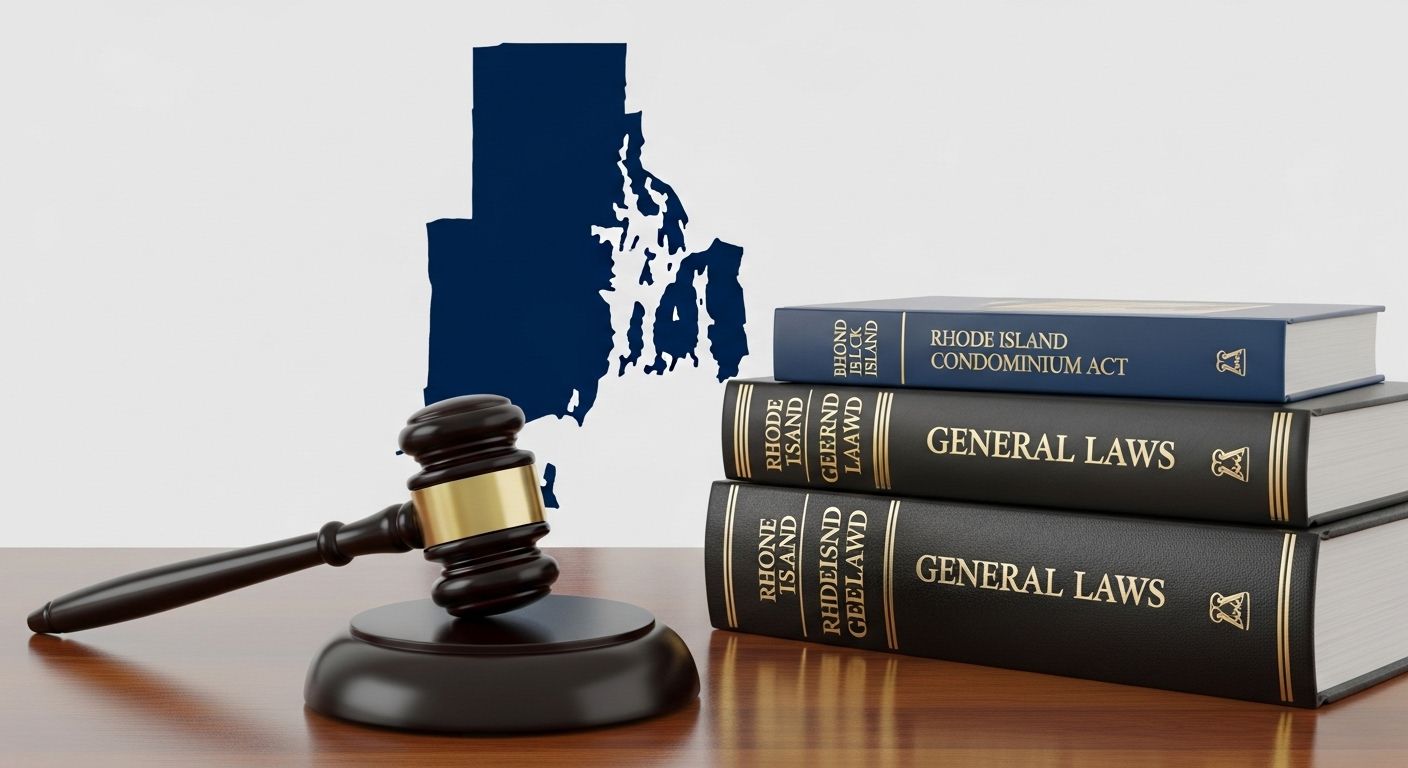
Understanding Rhode Island HOA laws is essential for homeowners, board members, and property managers who want smooth, compliant community living. Homeowners associations (HOAs) in Rhode Island are governed by specific statutes that shape how rules are made, how decisions are enforced, and how disputes are resolved. According to the Rhode Island General Laws § 34‑36.1‑1 et seq., these laws set standards for association governance, assessments, meetings, and homeowners’ rights. Navigating Rhode Island HOA laws without clarity can lead to confusion, disagreements, and even legal challenges, especially when associations and homeowners see the same situation differently.
This complexity leads many people to ask key questions that must be answered before they can confidently manage or live in an HOA community. Some of the most common questions include:
- What rights and obligations do homeowners have under Rhode Island HOA laws?
- How can an HOA legally enforce rules and collect assessments?
- What limitations exist on board authority, elections, and meetings?
- How do Rhode Island laws protect homeowners from unfair practices?
- What steps should be taken when disputes arise between members and boards?
These are not just theoretical concerns; they affect real decisions, budgets, and relationships in communities across the state.
This page answers those questions with clear, practical guidance rooted in actual statute language and real‑world examples. Platuni makes understanding Rhode Island HOA laws simple and actionable, helping you protect your rights, improve governance, and avoid costly mistakes. Whether you are joining an HOA, serving on its board, or advising others, this guide gives you the knowledge and confidence to act wisely.
Also Read: Rhode Island Squatter’s Rights & Adverse Possession Laws
Overview of Rhode Island HOA Laws
If you live in a community governed by a homeowners’ association or you’re thinking about buying into one, understanding Rhode Island HOA laws is crucial. HOAs can influence your daily life more than you might expect, from how your property looks to the fees you pay and the rules you follow. While they help maintain order and property values, they must operate within a clear legal framework.
Unlike some states that have a single comprehensive HOA statute, Rhode Island HOA laws are governed by a mix of laws, including:
- Rhode Island Condominium Act (R.I. Gen. Laws § 34-36.1-1.01 et seq.)
- Rhode Island Nonprofit Corporation Act (R.I. Gen. Laws § 7-6-1 et seq.)
- Governing documents such as Declarations, Covenants, Conditions, and Restrictions (CC&Rs)
Although the Condominium Act primarily applies to condos, many of its principles influence how HOAs operate in planned communities. Most HOAs are also structured as nonprofit corporations, which means board operations, meetings, and duties are regulated under nonprofit law.
Formation of an HOA in Rhode Island
Under Rhode Island HOA laws, an HOA is typically created when a developer records a declaration in the land records.
Legal Basis
According to R.I. Gen. Laws § 34-36.1-2.01, a declaration must include:
- The name of the community
- A legal description of the property
- The allocation of ownership interests
- The rights and obligations of unit owners
Once recorded, this declaration becomes legally binding on all property owners in the community. Most HOAs are then incorporated under the Rhode Island Nonprofit Corporation Act, which governs how the association is run on a day-to-day basis.
Also Read: Rhode Island Eviction Laws: The Process & Timeline In 2026
HOA Powers and Authority
A major part of Rhode Island HOA laws is defining what an HOA can legally do.
General Powers
Under R.I. Gen. Laws § 34-36.1-3.02, HOAs (or condominium associations) have the authority to:
- Adopt and amend rules and regulations
- Collect assessments (dues)
- Maintain and repair common areas
- Enforce community standards
- Impose reasonable fines for violations
These powers allow HOAs to manage communities effectively, but they must always act within the limits of their governing documents and state law.
HOA Rules and Enforcement
Rules are one of the most visible aspects of Rhode Island HOA laws. These rules often cover:
- Property maintenance and appearance
- Parking regulations
- Noise restrictions
- Use of shared amenities
Enforcement Procedures
Under R.I. Gen. Laws § 34-36.1-3.02(11), HOAs can impose fines or penalties for violations. However, they must follow fair procedures, including:
- Providing notice of the violation
- Giving the homeowner an opportunity to respond
- Ensuring enforcement is consistent and reasonable
This ensures that enforcement is not arbitrary or unfair.
Also Read: North Carolina HOA Laws: A Comprehensive Guide
HOA Fees and Assessments
Financial obligations are central to how HOAs operate under Rhode Island HOA laws.
Regular Assessments
Under R.I. Gen. Laws § 34-36.1-3.15, HOAs can charge regular assessments to cover:
- Maintenance of common areas
- Insurance
- Administrative costs
- Utilities for shared spaces
Special Assessments
HOAs may also impose special assessments for major repairs or unexpected expenses, provided they follow procedures in their governing documents.
Budget Transparency
Homeowners generally have the right to review budgets and financial records, ensuring accountability in how funds are used.
HOA Liens and Foreclosure
One of the more serious aspects of Rhode Island HOA laws is the HOA’s ability to enforce payment through liens.
HOA Liens
Under R.I. Gen. Laws § 34-36.1-3.16, unpaid assessments become a lien on the property.
Foreclosure
If dues remain unpaid, the HOA may foreclose on the property. However, strict procedures must be followed, including:
- Proper notice to the homeowner
- Compliance with foreclosure laws
- Opportunity for the homeowner to resolve the debt
Foreclosure is typically a last resort, but it is legally permitted under Rhode Island HOA laws.
Also Read: South Carolina HOA Laws: A Comprehensive Guide
Homeowner Rights Under Rhode Island HOA Laws
While HOAs have authority, homeowners also have strong protections.
Right to Access Records
Under R.I. Gen. Laws § 34-36.1-3.18, homeowners can inspect association records, including financial statements and meeting minutes.
Right to Participate
Homeowners have the right to attend meetings and vote on key matters affecting the community.
Protection Against Unfair Treatment
HOAs must enforce rules consistently. Selective enforcement can be challenged in court.
Right to Due Process
Before fines or penalties are imposed, homeowners must be given notice and an opportunity to be heard.
These protections ensure fairness within the framework of Rhode Island HOA laws.
Also Read: Mississippi HOA Laws: A Comprehensive Guide
HOA Board Responsibilities
Board members play a critical role under Rhode Island HOA laws.
Since most HOAs are nonprofit corporations, board members must comply with the Rhode Island Nonprofit Corporation Act (R.I. Gen. Laws § 7-6-1 et seq.), which requires them to:
- Act in good faith
- Exercise reasonable care
- Avoid conflicts of interest
- Make decisions in the best interest of the community
Failure to meet these responsibilities can lead to legal consequences.
Dispute Resolution in HOA Communities
Disputes are common, but Rhode Island HOA laws provide ways to resolve them.
Internal Resolution
Most disputes are first handled within the HOA through:
- Written complaints
- Hearings before the board
Mediation and Legal Action
If internal processes fail, homeowners may pursue:
- Mediation or arbitration
- Court action
Courts will typically review whether the HOA followed its governing documents and applicable statutes.
Also Read: Ohio HOA Laws: A Comprehensive Guide
Conclusion
Misunderstanding Rhode Island HOA laws can lead to unnecessary conflict. HOAs sometimes fail to follow proper procedures when issuing fines or enforcing rules. Skipping notice requirements or acting inconsistently can invalidate enforcement actions.
Homeowners, on the other hand, often fail to review governing documents before purchasing property. This can lead to surprises about restrictions, fees, or obligations. Being informed helps both sides avoid disputes and maintain a well-functioning community.
Rhode Island HOA laws provide a structured framework that balances the authority of homeowners’ associations with the rights of property owners. While HOAs have significant power to manage communities, they must operate within strict legal boundaries and follow fair procedures. For homeowners, understanding Rhode Island HOA laws helps you protect your rights, avoid disputes, and make informed decisions about your property. For HOA boards, compliance ensures smooth operations and reduces the risk of legal challenges.
The bottom line is simple: the more you understand these laws, the better equipped you are to navigate life in an HOA community with confidence
Also Read: Oregon HOA Laws: A Comprehensive Guide
Frequently Asked Questions on Rhode Island HOA Laws
Are HOA rules legally enforceable in Rhode Island?
Yes, they are. Under Rhode Island HOA laws, rules contained in the declaration and bylaws are legally binding. When you purchase property in an HOA community, you are agreeing to follow those rules. Courts in Rhode Island generally uphold these covenants as long as they are reasonable and properly recorded.
Can an HOA fine a homeowner without notice?
No. Under R.I. Gen. Laws § 34-36.1-3.02, HOAs must follow due process before imposing fines. This means giving written notice of the violation and allowing the homeowner a chance to respond. If an HOA skips these steps, the fine may be challenged and overturned.
Can an HOA foreclose on a home for unpaid dues?
Yes, but it is not immediate or automatic. Under R.I. Gen. Laws § 34-36.1-3.16, unpaid assessments become a lien, and foreclosure may follow if the debt remains unpaid. However, the HOA must follow strict legal procedures, and homeowners usually have opportunities to resolve the issue before losing their property.
Do homeowners have the right to see HOA financial records?
Absolutely. Under R.I. Gen. Laws § 34-36.1-3.18, homeowners can inspect financial records, budgets, and meeting minutes. This transparency is important because it allows homeowners to understand how their fees are being used and to hold the HOA accountable.
Can an HOA change its rules or fees?
Yes, but changes must follow the procedures outlined in the governing documents and comply with Rhode Island HOA laws. In many cases, significant changes especially to fees require approval from homeowners or the board in accordance with the bylaws.
What happens if an HOA does not follow the law?
If an HOA violates Rhode Island HOA laws, homeowners can challenge the action in court. The court may require the HOA to reverse its decision, stop certain practices, or even pay damages. This is why compliance with statutory requirements is so important for HOA boards.
Are all communities in Rhode Island governed by HOA laws?
No. Only communities with recorded declarations and active associations are governed by Rhode Island HOA laws. If a neighborhood does not have an HOA or similar governing body, these rules do not apply. However, many newer developments do fall under HOA governance.
Stay Informed
Subscribe to the Platuni B2B Newsletter to receive industry insights,
new feature announcements, and exclusive growth reports
Related Posts

SEPTEMBER 21, 2026
How to Manage Maintenance Requests Across Multiple Rental Properties
A system for keeping every maintenance request visible across a portfolio: what was reported, how urgent it is, and who owns the next step.
Learn more
SEPTEMBER 21, 2026
How to Manage Multiple Rental Properties Without Hiring a Property Manager
A repeatable system for running several rentals without hiring a property manager, built around one place for information instead of scattered spreadsheets and reminders.
Learn more