
Data, Compliance & Insights
Apartment Flood Insurance: Coverage and Exclusions
by Platuni | 26 Feb, 2026 | 10 mins read
Platuni
26 February, 2026
10 mins read
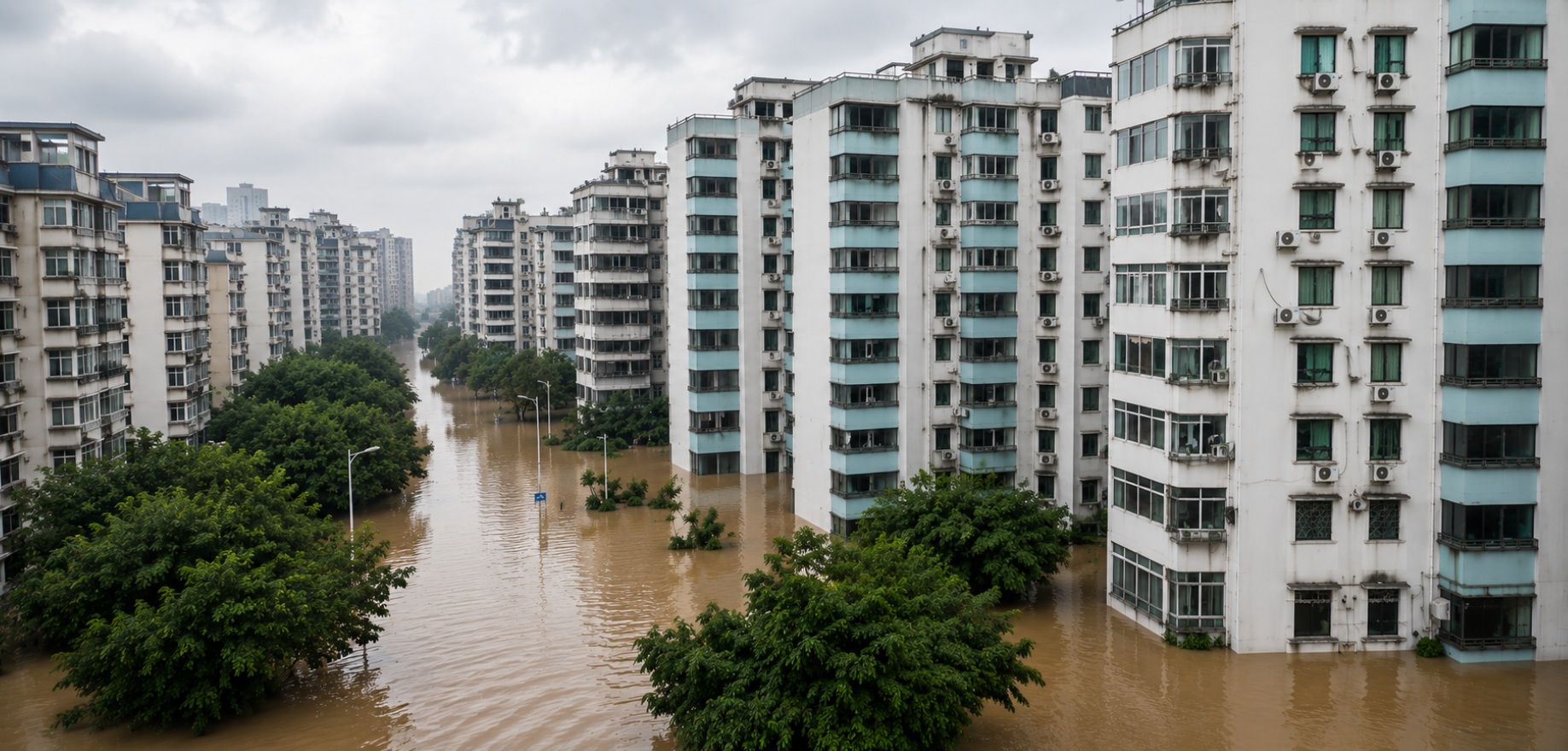
Apartment living often feels safer than owning a house, until water starts creeping under the door. Apartment flood insurance has become a growing concern as floods remain the most common and costly natural disaster in North America. Data from the Federal Emergency Management Agency shows that just one inch of floodwater can cause over $25,000 in damage, and many renters wrongly assume a landlord’s policy will protect their belongings. Storm surges, burst pipes, overflowing drains, and flash floods now affect urban apartments as much as ground-level homes, leaving renters shocked when losses are not covered. These gaps often appear after the damage is done, when it is already too late to fix the mistake.
Confusion adds to the pain. Standard renters insurance usually excludes flooding, landlords are only responsible for the building structure, and emergency repairs often move faster than insurance explanations. Renters face lost furniture, electronics, clothing, and temporary housing costs while trying to understand what apartment flood insurance actually covers, what it excludes, and whether flood protection is optional or required. Costs, waiting periods, and eligibility rules also vary widely, creating stress at the worst possible moment.
This guide breaks down apartment flood insurance in clear, practical terms. Coverage limits, exclusions, common myths, and real-world scenarios are explained step by step. Legal responsibilities, federal flood programs, and private policy options are also covered, including protections available through programs linked to the National Flood Insurance Program. Platuni helps renters make sense of these choices with trusted housing education, renter-focused tools, and clear comparisons designed to prevent costly surprises. Smart decisions start before the water rises, and this page shows exactly how to stay protected.
Also See: Challenges in Real Estate Investment | Common Problems and Solutions
What Is Apartment Flood Insurance?
Apartment flood insurance is a separate insurance policy that protects apartment buildings from damage caused by flooding. Flooding includes water overflow from heavy rain, storm surge, river overflow, or rapid snowmelt. Standard property or landlord insurance usually does not cover flood damage, which makes this policy essential for apartment owners.
In the United States, flood insurance is mainly offered through the National Flood Insurance Program, which is managed by the Federal Emergency Management Agency. In Canada, flood coverage is typically provided through private insurers as an add-on or standalone policy.
Apartment flood insurance focuses on protecting the physical structure and shared property, not individual tenant belongings. Renters usually need separate renter’s insurance for personal items.
How Apartment Flood Insurance Differs From Standard Property Insurance
Apartment flood insurance is designed for flood-specific risks, while standard property insurance covers other perils.
| Coverage Type | Standard Property Insurance | Apartment Flood Insurance |
|---|---|---|
| Fire and vandalism | Covered | Not the focus |
| Flood damage | Not covered | Covered |
| Heavy rain overflow | Not covered | Covered |
| River or coastal flooding | Not covered | Covered |
This difference explains why many landlords face large losses after floods, even when insured.
Also See: Security Deposit Alternatives for Renters | How They Work
Who Needs Apartment Flood Insurance and Why It Matters
Apartment owners need flood insurance when the building is:
- Located in a flood-prone or low-lying area
- Financed with a federally backed mortgage in the US
- Near rivers, lakes, coastlines, or poor drainage systems
US lenders are legally required to demand flood insurance for properties in Special Flood Hazard Areas (SFHAs) under federal law. FEMA flood maps help determine these zones.
Why Apartment Flood Insurance Is Critical for Property Owners
Flooding causes some of the highest repair costs in real estate. One inch of floodwater can cause up to $25,000 in damage, according to FEMA.
Apartment buildings multiply this risk because damage affects:
- Multiple units at once
- Shared systems and foundations
- Rental income during repairs
Financial Risks of Flood Damage in Multi-Unit Buildings
Flood damage often leads to:
- Structural repairs
- Electrical and plumbing replacement
- Long vacancy periods
- Loss of rental income
NFIP data shows the average flood claim in the US exceeds $50,000, and larger apartment claims can go much higher.
Without flood insurance, these costs come directly from the owner’s pocket.
Flood Risk Beyond High-Risk Zones
Flood risk is not limited to mapped flood zones. FEMA reports that about 25% of flood claims come from moderate-to-low risk areas. Heavy rainfall and urban drainage failures increase flood exposure even outside coastal regions.
This makes apartment flood insurance a risk management tool, not just a legal requirement.
Also See: Will Tariffs Affect Home Prices? Housing Market Impact
What Apartment Flood Insurance Covers
Apartment flood insurance focuses on direct physical damage caused by flooding. Coverage may vary between NFIP and private insurers, but core protections are consistent.
Building Structure Coverage
This includes:
- Foundation and walls
- Floors and staircases
- Roof systems
- Attached garages
NFIP building coverage for apartment buildings can go up to $500,000.
Electrical, Plumbing, and Mechanical Systems
Covered systems usually include:
- Electrical wiring and panels
- Plumbing pipes and fixtures
- Furnaces, boilers, and water heaters
- Central HVAC systems
These systems are expensive to replace and critical for habitability.
Common Areas and Shared Facilities
Flood insurance typically covers shared spaces such as:
- Hallways and lobbies
- Laundry rooms
- Storage areas
- Elevators and utility rooms
This protection helps restore operations faster after flooding.
Contents Coverage for Apartment Buildings
Contents coverage applies to owner-owned property, not tenant belongings. Covered items may include:
- Maintenance equipment
- Office furniture
- Appliances in common areas
NFIP contents coverage for apartment buildings is capped at $100,000, which may be insufficient for large properties.
Private insurers in both the US and Canada often offer higher limits and broader coverage, making them attractive for high-value apartment assets.
What Apartment Flood Insurance Does Not Cover
Apartment flood insurance protects against flood damage, but it has clear limits. Understanding exclusions helps property owners avoid costly surprises during claims.
Excluded Damages and Losses
Apartment flood insurance usually does not cover:
- Mold or mildew damage caused by delayed cleanup
- Wear and tear or pre-existing structural issues
- Landscaping, fences, patios, and outdoor fixtures
- Loss of rental income unless added through private coverage
The National Flood Insurance Program focuses strictly on direct physical flood damage. Secondary or indirect losses are excluded.
Sewer Backups and Water Damage Limitations
Sewer or drain backups are covered only when directly caused by flooding. Damage from:
- Broken pipes
- Plumbing failures
- Groundwater seepage unrelated to flooding
is typically excluded. Many landlords confuse flood damage with water damage, which leads to denied claims.
Also See: Landlord Responsibilities in California: Legal Overview
Items and Situations Commonly Misunderstood
Common misunderstandings include:
- Tenant's personal belongings are not covered
- Temporary housing for tenants is excluded
- Business interruption coverage is not standard
- Mechanical breakdown unrelated to flooding is excluded
Clear documentation and add-on policies help close these gaps.
NFIP vs Private Apartment Flood Insurance Policies
Apartment owners can choose between government-backed and private flood insurance. Each option serves different property needs.
Coverage Limits Under NFIP
The NFIP, managed by the Federal Emergency Management Agency, sets strict caps:
| Coverage Type | Maximum Limit |
|---|---|
| Building coverage | $500,000 |
| Contents coverage | $100,000 |
These limits often fall short for mid-size or luxury apartment buildings.
Expanded Coverage Options From Private Insurers
Private apartment flood insurance often provides:
- Higher building coverage limits
- Loss of rental income protection
- Debris removal and landscaping coverage
- Faster claim processing
In Canada, flood insurance for apartment buildings is mainly private, with insurers offering customizable policies based on regional risk.
When Private Flood Insurance Makes More Sense
Private flood insurance is often better when:
- Property value exceeds NFIP limits
- Rental income protection is important
- The building has high-end finishes or amenities
- Faster reimbursement is needed after a loss
Many owners combine NFIP and private policies for layered protection.
Flood Zones and Legal Requirements for Apartment Buildings
Flood risk classification affects both insurance cost and legal obligations.
FEMA Flood Maps and Special Flood Hazard Areas
In the US, flood zones are defined using maps from Federal Emergency Management Agency. Buildings in Special Flood Hazard Areas (SFHAs) face the highest risk.
FEMA flood maps are publicly available and updated regularly:
Flood risk still exists outside high-risk zones. FEMA reports that around 25% of flood claims occur in moderate-to-low risk areas.
Also See: Leasing Laws in Florida: Legal Overview
Federally Backed Mortgages and Mandatory Coverage Rules
Federal law requires apartment buildings with:
- Federally backed mortgages
- Location in SFHAs
to carry apartment flood insurance. Lenders enforce this rule strictly, and coverage must remain active throughout the loan term.
In Canada, flood insurance is not federally mandated, but lenders and municipalities may require coverage in high-risk regions.
How Much Apartment Flood Insurance Coverage Do You Need?
Choosing the right amount of apartment flood insurance depends on property value, location, and financial risk tolerance. Too little coverage leaves major gaps, while too much increases cost without added benefit.
Minimum and Maximum Coverage Limits
In the United States, coverage limits depend on the provider:
National Flood Insurance Program (NFIP)
- Building coverage: up to $500,000
- Contents coverage (shared areas): up to $100,000
These limits apply regardless of building size. Larger apartment buildings often exceed these thresholds.
Private flood insurance providers may offer:
- Coverage limits in the millions
- Add-ons for rental income loss
- Expanded contents protection
In Canada, apartment flood insurance is offered through private insurers, and coverage limits are usually based on replacement cost, not fixed caps.
Factors That Affect Coverage Decisions
Several factors influence how much coverage makes sense:
- Total replacement cost of the building
- Number of residential units
- Flood zone classification
- Value of shared equipment and systems
- Mortgage or lender requirements
Properties with federally backed mortgages in high-risk zones must meet minimum coverage rules set by the Federal Emergency Management Agency.
Cost of Apartment Flood Insurance
The cost of apartment flood insurance varies widely. No single price fits every building.
What Influences Premium Pricing
Premiums are shaped by:
- Flood zone designation
- Building elevation and construction type
- Year the property was built
- Coverage limits selected
- Claims history
According to FEMA data, average NFIP flood insurance premiums range from $700 to $1,500 per year, though multi-unit buildings often pay more.
Deductibles, Risk Ratings, and Building Characteristics
Higher deductibles usually reduce premiums but increase out-of-pocket costs after a flood. FEMA’s Risk Rating 2.0 pricing system focuses more on:
- Distance from water sources
- Flood frequency
- Property-specific risk
Private insurers may price differently and sometimes offer lower premiums for newer or elevated buildings.
Also See: Landlord Responsibilities in California: Legal Overview
How to Buy Apartment Flood Insurance
Apartment owners can purchase flood coverage through public or private options.
Buying Through the National Flood Insurance Program
NFIP policies are available through licensed insurance agents nationwide. Coverage terms are standardized and backed by FEMA. A 30-day waiting period usually applies unless required for a new mortgage.
Buying From Private Flood Insurance Providers
Private insurers often provide:
- Higher coverage limits
- Shorter waiting periods
- Flexible policy terms
Private policies work well for high-value apartment buildings or owners needing broader protection.
Steps to Assess Flood Risk Before Purchasing
Smart preparation includes:
- Reviewing FEMA flood maps
- Ordering an elevation certificate if needed
- Consulting licensed insurance professionals
- Comparing NFIP and private quotes
Platforms like Platuni help property owners compare regional risks, insurance considerations, and compliance factors across markets, making coverage decisions clearer and data-driven.
Download the Platuni Property Manager App Today
Frequently Asked Questions About Apartment Flood Insurance
What are the exclusions for flood insurance?
Apartment flood insurance does not cover damage from mold not directly caused by flooding, temporary housing costs, loss of rental income, vehicles, landscaping, pools, decks, or currency. Sewer backups are excluded unless flooding directly causes them. Coverage rules are set under programs like the National Flood Insurance Program.
What properties are exempt from flood insurance coverage?
No property is automatically exempt, but flood insurance is not mandatory for buildings outside FEMA-designated high-risk zones unless required by a lender. Properties without federally backed mortgages may choose coverage voluntarily, even in low- or moderate-risk areas identified by the Federal Emergency Management Agency.
What is covered in apartment insurance?
Apartment flood insurance covers direct physical flood damage to the building structure, including foundations, walls, electrical systems, plumbing, furnaces, and water heaters. Contents coverage may include shared equipment and items in common areas, depending on the policy.
Which of the following is not covered under flood insurance?
Flood insurance does not cover damage from rain entering through windows, gradual seepage, moisture-related mildew, or maintenance issues. Standard property insurance or separate endorsements usually address these risks.
What is the 80% rule in property insurance?
The 80% rule requires property owners to insure at least 80% of the building’s replacement cost to receive full claim payouts. Falling below this threshold can reduce claim payments, even when apartment flood insurance is in place.
Stay Informed
Subscribe to the Platuni B2B Newsletter to receive industry insights,
new feature announcements, and exclusive growth reports
Related Posts

AUGUST 3, 2026
Kentucky Security Deposit Laws | Deductions & Rights
This guide explores everything you need to know about Kentucky security deposit laws, including how much landlords can charge...
Learn more
JULY 31, 2026
Incident Report Template | How to Document Property Incidents
This article explains how property managers and landlords can use an incident report template to document incidents properly...
Learn more