
Tenant Relations & Experience
AI Tenant Screening: How AI Supports Tenant Selection
by Platuni | 02 Mar, 2026 | 10 mins read
Platuni
02 March, 2026
10 mins read

How confident are you in every tenant decision you make? Could hidden risks be slipping through unnoticed, only to surface months later? Imagine if choosing a tenant was less about guesswork and more about precision. We live in a world driven by data, so why should rental decisions rely on instinct alone? Today, we have AI tenant screening platforms that can protect landlords from relying solely on intuition so they're not exposed to financial and legal setbacks.
For decades, landlords have screened tenants with paper files, phone calls, and fragmented reports. Human judgment, though valuable, is often limited by time and incomplete information. As the saying goes, “What gets measured gets managed.” When risk is measured properly, outcomes improve. Likewise, time is money in real estate. Every delayed approval is potential income lost, yet rushing decisions can create long-term problems.
This article provides a practical guide to AI tenant screening. We will explore how AI improves applicant evaluation, reduces bias, speeds up the leasing process, analyzes critical data, and even helps detect fraud. We'll also strike a balance on how AI tenant screening can be compliant with housing laws, as well as some notable AI screening platforms. By the end, you'll understand how to integrate AI into your existing screening workflow to make faster, smarter, and more reliable tenant selection decisions.
Also See: Property Management Financial Reports: What to Include
What Is an AI Tenant Screening System?
An AI tenant screening system is a technology tool that uses artificial intelligence to help landlords evaluate rental applicants. Rather than manually reviewing documents one by one, the system collects, processes, and analyzes data automatically. This may include credit history, rental records, income verification, and identity checks. At its core, an AI tenant screening platform uses algorithms to identify patterns and assess risk. For example, it can detect inconsistencies in applications, flag possible fraud, and compare applicant data against set qualification criteria.
Benefits of Using AI in Tenant Screening
Utilizing an AI tenant screening system offers several advantages for modern landlords. While traditional screening methods rely heavily on manual checks, AI enhances accuracy, speed, and consistency. Hence, it doesn't replace the landlord’s judgment, but supports better and faster decision-making. More benefits of using artificial intelligence in tenant selection included:
- Faster Application Processing: An AI tenant system reviews applications in minutes instead of days, reducing vacancy time.
- Improved Risk Assessment: By analyzing large amounts of data, AI tenant tools can identify patterns linked to late payments or lease defaults.
- Fraud Detection: AI can flag altered documents, identity mismatches, or suspicious application details that may go unnoticed manually.
- Consistent Decision-Making: Using predefined criteria ensures each AI tenant application is evaluated fairly and objectively.
- Reduced Administrative Work: Automation minimizes paperwork, manual verification calls, and repetitive tasks.
- Better Record Keeping: Digital screening creates organized, searchable records for compliance and dispute resolution purposes.
Also Read: How to Streamline a Process | Improve Workflow Efficiency
How Accurate Is AI Tenant Risk Assessment?
AI-based systems designed for screening tenants can be quite accurate, but accuracy varies by tool and the quality of input data. For example, helpland.co.uk states that some AI tenant screening platforms trained on large datasets have demonstrated more than 80% accuracy in predicting tenant outcomes like payment reliability or lease compliance when all relevant applicant information is available.
However, because accuracy depends on the completeness of data and the specific algorithms used, AI risk scores are best used as one part of a broader screening process rather than the sole decision-maker. So, human review helps ensure that errors, unusual situations, or incomplete records do not unfairly disadvantage qualified applicants. It helps landlords interpret risk assessments within the context of their specific rental criteria.
Is AI Tenant Screening Compliant with Housing Laws?
Using AI tenant screening tools does not exempt landlords from housing laws; in fact, legal guidance specifically confirms that fair housing rules still apply when algorithms are used in screening. According to the May 2024 guidance from the United States Department of Housing and Urban Development (HUD), the Fair Housing Act applies to tenant screening even when artificial intelligence and algorithms are used to assess applicants.
Furthermore, HUD explains that housing providers and screening companies must ensure AI systems do not discriminate based on protected characteristics such as race, color, national origin, religion, sex, disability, or familial status. “Housing providers, tenant screening companies, advertisers, and online platforms should be aware that the Fair Housing Act applies to tenant screening, including when AI and algorithms are used to perform these functions.”
This means even when using automated tools, landlords must apply screening criteria consistently, document decisions, and avoid any form of discrimination, intentional or unintentional, in the selection process. Therefore, AI can support compliance, but oversight, transparency, and adherence to legal standards remain essential. Similarly, key guidelines and considerations include:
- Liability: Landlords and property managers remain responsible for compliance with the FHA even if they outsource screening to a third-party AI company.
- Preventing Discrimination: AI tools must not use variables that serve as proxies for protected characteristics.
- Transparency and Accuracy: Screening processes should be transparent, and applicants must have the opportunity to dispute negative information.
- Data Usage: HUD recommends that screening criteria focus on information relevant to the ability to pay rent and abide by lease terms, rather than overbroad, irrelevant, or potentially biased data.
Also See: AI for Predictive Maintenance in Property Management
Top AI Tenant Screening Platform
Choosing the right AI tenant screening platform can significantly improve your rental decision process. Below are some of the leading options landlords consider today. These are selected based on data accuracy, automation, compliance support, and ease of use.
#1. Platuni
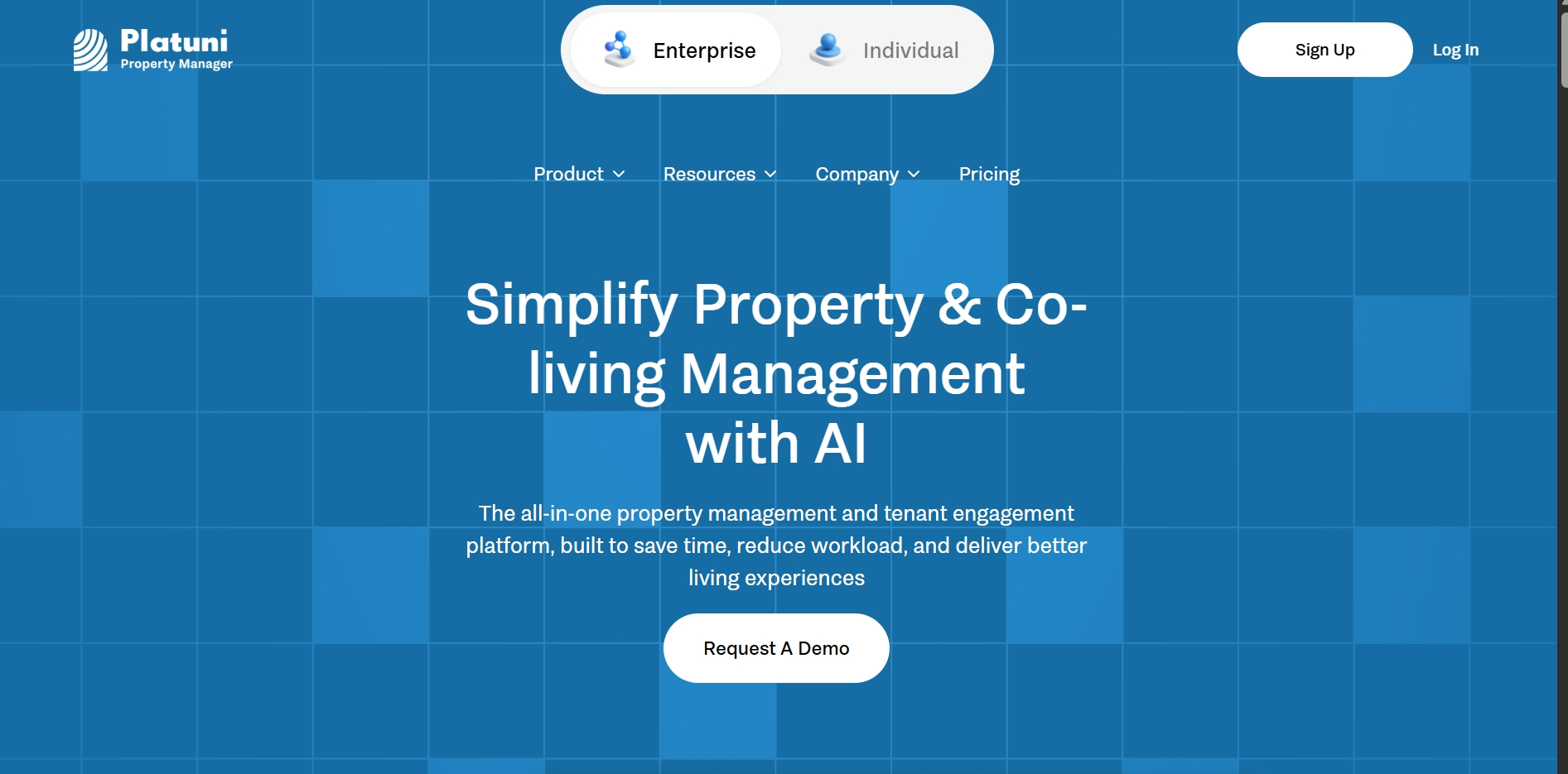
Platuni leads as a smart AI tenant screening solution designed for modern landlords who want clarity, speed, and structured decision-making. It combines automated background checks, credit insights, risk scoring, and organized record-keeping into one streamlined system.
What makes Platuni unique is its practical focus on property owners who want structured, data-driven tenant selection without complexity. The platform simplifies evaluation, reduces paperwork, and helps landlords apply consistent screening standards. For small and mid-size landlords especially, Platuni offers a balanced mix of affordability, automation, and intelligent insights.
Download the Platuni Property Manager App Today
#2. TransUnion SmartMove
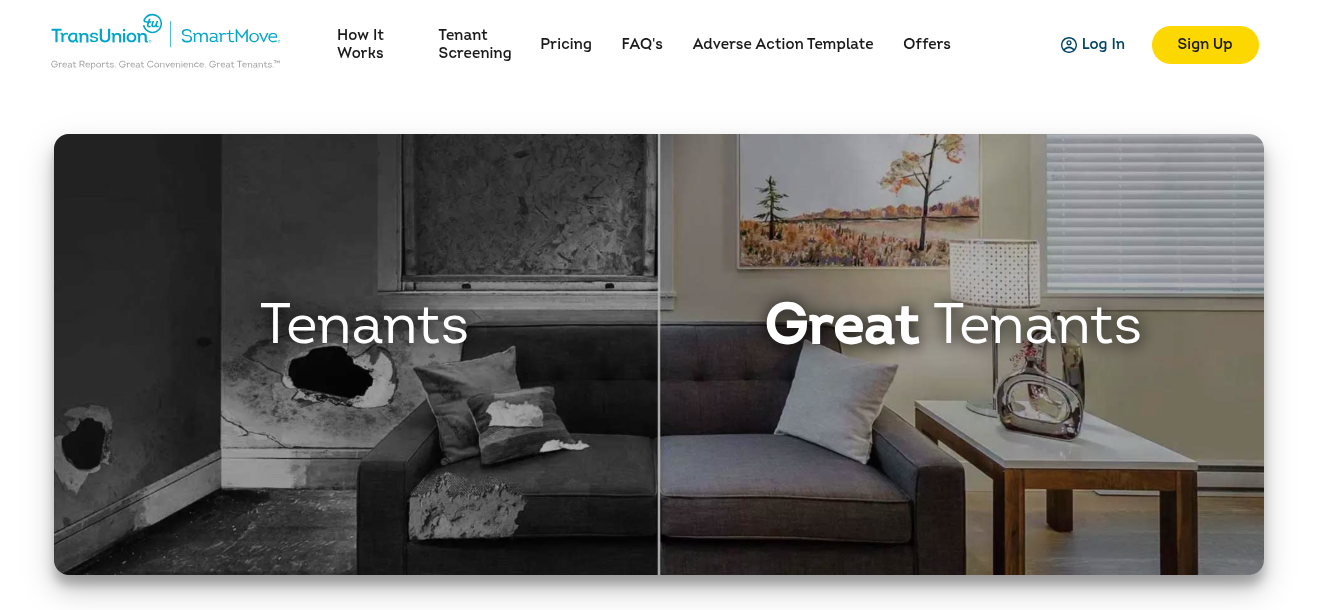
TransUnion SmartMove leverages credit bureau data to provide detailed credit reports, eviction records, and criminal background checks. Because it is backed by TransUnion’s credit infrastructure, landlords get access to reliable financial data directly from a major credit reporting agency. The platform also allows applicants to submit their information securely, reducing paperwork handling. It is useful for landlords who prioritize strong financial screening and want a trusted data source to assess payment reliability.
Also See: What Are My Rights as a Tenant in Michigan? Explained
#3. RentPrep
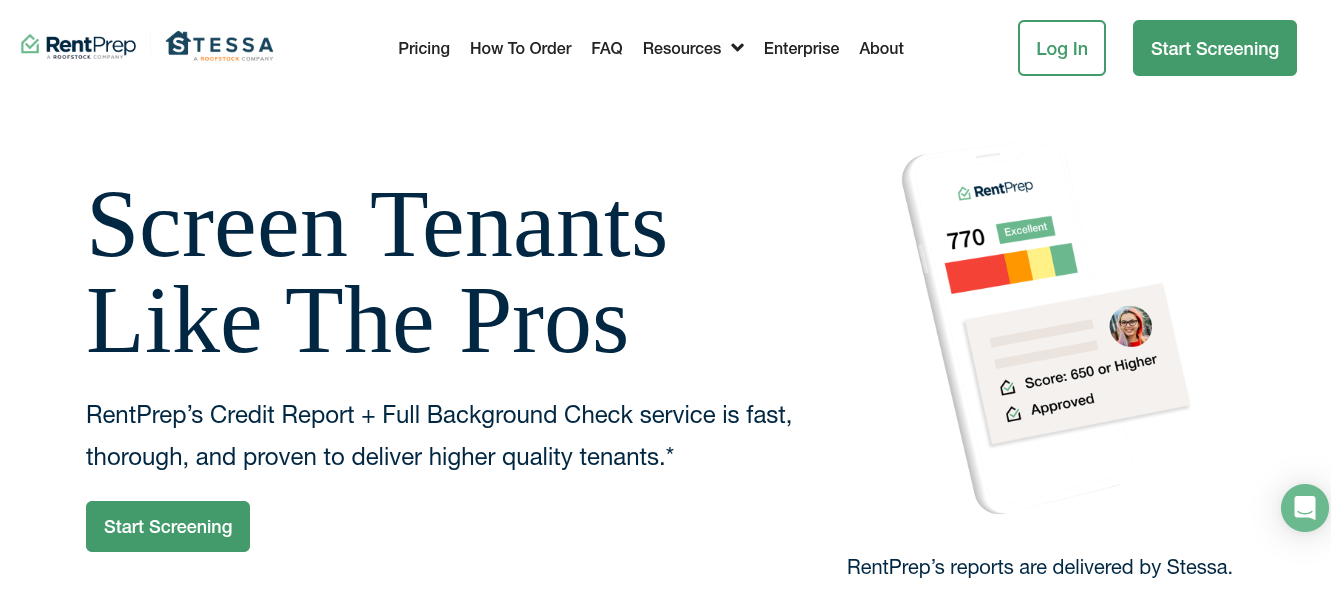
RentPrep combines automation with manual review. While it uses technology to generate reports quickly, part of its appeal is human oversight, which helps verify records and reduce reporting errors. This hybrid approach can be helpful for landlords who prefer a second layer of review beyond automated scoring. RentPrep is often favored by independent landlords who want screening support without fully relying on algorithm-based decisions.
#4. Avail
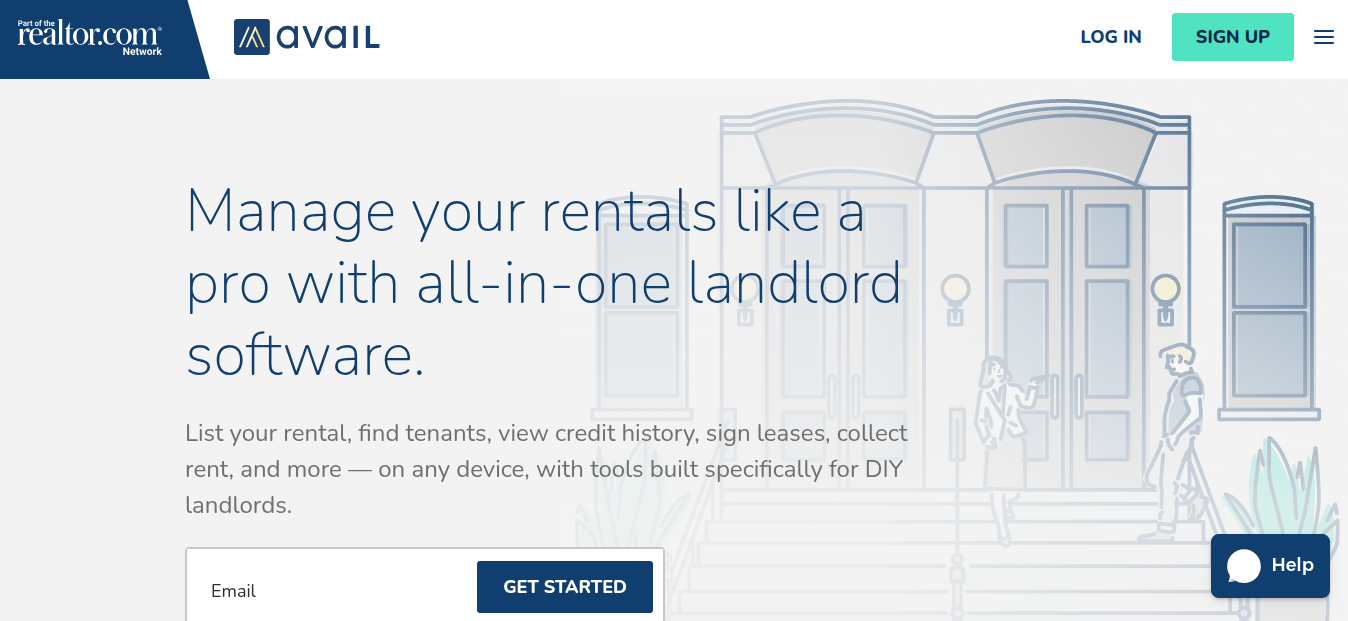
Avail is a broader rental management platform that includes tenant screening as part of its service suite. Beyond background and credit checks, it also supports rent collection, lease signing, and maintenance tracking. For landlords managing multiple properties, Avail provides an all-in-one solution where screening is integrated directly into the leasing workflow. This reduces the need to switch between different tools and helps maintain organized digital records.
Also See: Rental Property Management in Oakland CA | Local Guide
How to Integrate AI Into Your Existing Screening Process
Adding an AI tenant screening system does not mean rebuilding your entire process from scratch. It simply strengthens your current workflow with automation and better data insights. Below is a more practical look at how to implement it step by step.
#1. Define Your Screening Criteria Clearly
Before turning on any AI tenant system, write down your exact approval standards. For example, you might require:
- Income at least 3x the monthly rent
- No eviction records in the past 5 years
- Minimum credit score of 650
- Stable employment for at least 6 months
Input these standards directly into the AI platform so every application is measured against the same rules. This prevents emotional or inconsistent decisions and protects you legally. Likewise, clear criteria make it easier to explain rejections if needed.
Also See: Rent Increase Laws in Los Angeles | What’s Allowed
#2. Choose a Compatible Platform
Select an AI tenant screening platform that fits naturally into how you already work. If you currently use property management software, check whether the AI tool integrates with it. For example, if applications already come through an online form, choose an AI system that connects to that form automatically. This prevents double data entry. The goal is to avoid creating extra work, not add another separate system that complicates your workflow.
#3. Automate Data Collection
Instead of asking applicants to email documents back and forth, use a digital application process. An AI tenant system can:
- Pull credit reports automatically
- Verify employment digitally
- Analyze uploaded pay stubs
- Detect altered or suspicious documents
For example, if someone uploads a modified bank statement, AI tools can flag inconsistencies in formatting or numbers. This reduces the risk of fraud and saves hours of manual verification calls.
#4. Keep Human Oversight
Normally, AI tenant screening should guide your decisions, not replace them. When the system generates a risk score, review the details behind that score. For instance, if an applicant has a slightly lower credit score but strong rental history and stable income, you may decide they are still qualified. Human review ensures flexibility and fairness while AI provides structured insight.
Also See: Free Rental Property Bookkeeping Software | Top Tools
#5. Document Decisions for Compliance
Every approval or denial should be traceable. A good AI tenant system keeps digital records of:
- Screening reports
- Risk scores
- Approval benchmarks
- Date and time of decision
If a rejected applicant questions your decision, you can show that your criteria were applied consistently. This protects you in case of complaints or disputes and strengthens compliance with housing laws.
#6. Monitor and Adjust
After integrating AI tenant screening, track real-world outcomes. Ask yourself:
- Are approved tenants paying on time?
- Are lease violations decreasing?
- Has vacancy time reduced?
If you notice patterns, such as frequent late payments despite approval, adjust your screening thresholds. AI becomes more powerful when you refine your criteria based on actual results.
Also See: Landlord Responsibilities in Texas: Legal Requirements
Frequently Asked Questions About AI Tenant Screening
How Does AI Tenant Screening Improve Applicant Evaluation?
An AI tenant system improves evaluation by analyzing credit, income, rental history, and risk patterns quickly and consistently. It goes beyond surface checks and applies the same criteria to every applicant, leading to smarter and more objective decisions.
Can AI Tenant Screening Reduce Bias in Tenant Selection?
Yes. An AI tenant system focuses on measurable data like income and payment history instead of personal impressions. When properly monitored, it promotes fairness by applying consistent standards to all applicants.
How Does AI Tenant Screening Speed Up the Leasing Process?
AI tenant screening automates credit checks, income verification, and risk scoring within minutes. This reduces manual work, shortens approval time, and helps landlords fill vacancies faster.
Can AI Tenant Screening Help Detect Fraudulent Applications?
Absolutely. AI tenant systems can flag altered pay stubs, inconsistent income data, and identity mismatches. Tools such as Platuni use automated verification checks to reduce the risk of approving fraudulent applicants.
Does AI Tenant Screening Replace Landlord Judgment?
No. An AI tenant system supports your decision-making but does not replace it. Landlords still review results, apply context, and make the final approval decision. AI simply provides structured data to make that choice smarter and faster.
Stay Informed
Subscribe to the Platuni B2B Newsletter to receive industry insights,
new feature announcements, and exclusive growth reports
Related Posts

SEPTEMBER 22, 2026
Tenant Background Check vs Credit Check vs Eviction Check: What Does Each Tell You?
Breaks down what a credit check, an eviction check, and a background check each actually reveal about a rental applicant, and what none of them prove alone.
Learn more
SEPTEMBER 21, 2026
Maintenance Portal vs Email and Text: When Should Landlords Switch?
Looks at when informal maintenance reporting by text and email stops working, and what a dedicated portal adds once request volume grows.
Learn more