
Technology & Automation
Best Digital Tools for Learning and Skill Development
by Platuni | 13 Jan, 2026 | 10 mins read
Platuni
13 January, 2026
10 mins read
Learning has changed forever. Traditional classrooms and static textbooks no longer define how people grow professionally or academically. Today, individuals who invest in the right digital tools gain faster access to knowledge, build real-world skills, and stay competitive in an evolving economy. In this new landscape, choosing the best digital tools for learning and skill development is not just about convenience, it is about long-term success. According to the World Economic Forum, over 50% of employees worldwide will need reskilling due to technological shifts and automation. The tools we use to learn now directly shape the careers we build tomorrow.
That reality raises important questions for students, professionals, and lifelong learners. As learning moves online and skills become the true currency of opportunity, people often ask:
- Which digital tools actually improve learning rather than overwhelm users?
- How do you choose platforms that build practical, career-ready skills?
- What solutions help learners connect knowledge with real-world application?
Those questions point to a deeper need: structure in a crowded digital learning space. This guide explores the best digital tools for learning, explaining how each category works, what makes a platform effective, and how learners can turn education into real opportunities. If your goal is growth, relevance, and long-term impact, this page shows you the tools that make it possible.
Also Read: How Landlords Can Adapt to New York’s Algorithmic Rent Tool Ban
Why Digital Learning Tools Matter More Than Ever
The modern workforce values skills over credentials. Employers now prioritize what candidates can do, not just what they studied. Digital tools for learning bridge the gap between theory and application by offering flexible, accessible, and targeted learning experiences.
LinkedIn’s Workplace Learning Report says that 94% of employees say they would stay longer at a company that invests in their learning and development. This shift places digital learning at the center of professional growth.
Digital tools also democratize education. Learners from different backgrounds can access world-class instruction without geographic or financial barriers. When combined with structured communities and real-world applications, digital platforms become powerful engines for skill development.
Platuni supports this transformation that is why it is important for learners, mentors, and communities to connect in one platform. Learning becomes more than content consumption, it becomes participation, collaboration, and career alignment.
Digital Tools for Learning and Skill Development: Scope
Not all learning platforms deliver equal value. The best digital tools for learning and skill development share three defining qualities: accessibility, relevance, and application. Learning no longer ends with formal education. Careers now demand continuous adaptation. UNESCO explains that lifelong learning is essential for sustainable development in the digital age. Digital tools enable this by providing flexible, affordable, and scalable education.
From early career development to leadership growth, technology supports every stage of learning. The challenge lies in choosing tools that evolve with the learner.
- Accessibility ensures learners can study anytime and anywhere.
- Relevance ensures content aligns with market demand.
- Application ensures learners can practice, collaborate, and demonstrate skills in real contexts.
Tools that lack these elements often become content libraries rather than engines for growth. The most effective platforms integrate structure, feedback, and community. Skills grow faster when knowledge connects with people and real-world experiences
#1. Structured Education at Scale
Online learning platforms provide courses, certifications, and guided pathways across disciplines. These tools form the foundation of digital education. Coursera which is a digital learning platform says that over 77% of learners report career benefits such as new skills, higher pay, or improved job prospects after completing courses High-quality platforms offer:
- Curated curricula
- Assessments and feedback
- Industry-recognized certificates
However, learning alone is not enough. Skills develop fully when learners apply what they study. This is where community-driven digital learning platforms enhance value by connecting education with people, projects, and opportunities.
#2. Skill-Building and Practice Tools
Skill development accelerates when learners practice consistently. Coding environments, design tools, language apps, and simulation platforms allow users to apply concepts in real time. Research from the National Training Laboratories, practice and discussion improve knowledge retention far more than passive reading or lectures.
These tools move learning from theoretical to practical. Learners experiment, fail safely, refine techniques, and build confidence. Over time, skills become instinctive rather than memorized. Knowledge becomes action, and action becomes growth.
Also Read: Inside Platuni: How We’re Redefining B2B Housing Collaboration
#3. Collaboration and Community-Based Learning Tools
Learning in isolation limits perspective. Digital communities allow learners to exchange ideas, solve problems together, and receive feedback from peers and mentors. Harvard Business Review, collaborative learning environments improve critical thinking and long-term engagement. When learners interact, they refine understanding and build professional relationships. Community-driven tools provide:
- Group discussions and forums
- Mentorship connections
- Peer-to-peer learning
- Project collaboration
#4. Comparing Categories of Digital Learning Tools
The value of digital learning becomes clearer when viewed across functional categories. The best digital tools for learning and skill development combine these functions.
| Tool Category | Primary Function | Key Benefit | Limitation |
|---|---|---|---|
| Online Courses | Structured education | Recognized credentials | Limited interaction |
| Practice Tools | Skill application | Real-world experience | Often isolated |
| Community Platforms | Collaboration & networking | Peer learning | Requires engagement |
| Productivity Tools | Organization | Consistency | No learning content |
#5. Personalization: Learning That Adapts to the Individual
Personalized learning improves retention and motivation. Adaptive platforms analyze user behavior to recommend content, connections, and activities aligned with goals. According to Deloitte, personalized learning experiences increase engagement and skill mastery by aligning education with individual career paths.
Instead of one-size-fits-all education, modern tools guide learners through customized journeys. This increases relevance and reduces wasted effort.
#6. Digital Tools Prepare Learners for Real-World Careers
Education alone does not guarantee employability. Employers seek evidence of applied skills, teamwork, and adaptability. National Association of Colleges and Employers, experiential learning significantly improves job readiness. Digital tools that integrate projects, collaboration, and networking prepare learners for workplace realities. Learners build portfolios, gain references, and develop communication skills.
Digital Platforms for Learning and Skill Development By Category
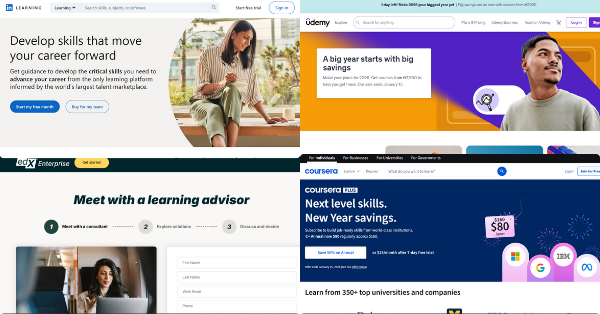
#1. Online Learning Platforms
These platforms offer structured courses across almost every subject imaginable, from data science and marketing to photography and leadership. Courses are often taught by university professors or industry experts and include video lessons, quizzes, and certificates.
Why they’re valuable:
- Learn at your own pace
- Access expert-level knowledge
- Build career-ready skills
Examples: Coursera, Udemy, LinkedIn Learning, edX
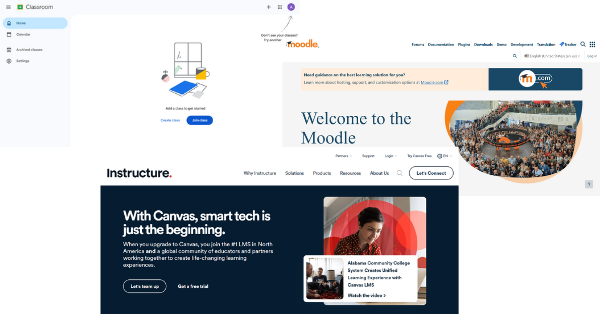
#2. Learning Management Systems (LMS)
LMS tools organize learning materials, assignments, assessments, and feedback in one place. They are widely used in schools, training institutions, and corporate learning environments.
Why they’re valuable:
- Centralized learning resources
- Easy progress tracking
- Supports collaboration between learners and instructors
Examples: Google Classroom, Moodle, Canvas
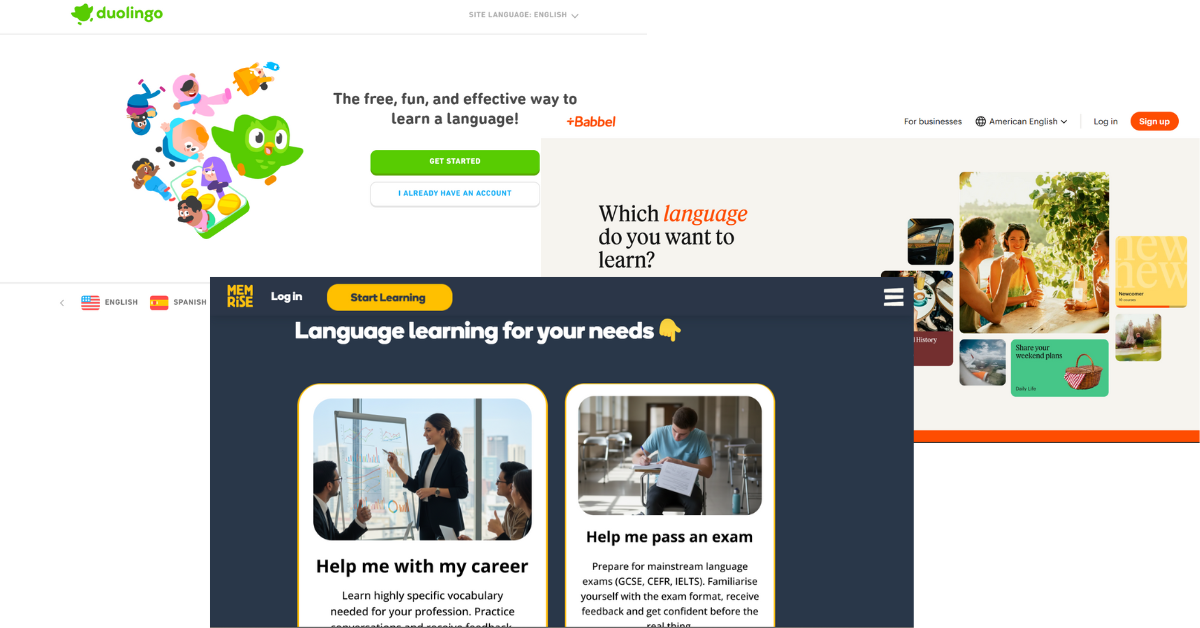
#3. Language Learning Apps
Language apps use gamification, spaced repetition, and short lessons to help learners practice vocabulary, grammar, and pronunciation daily.
Why they’re valuable:
- Bite-sized lessons fit into busy schedules
- Encourages consistency through streaks and reminders
- Makes learning fun and interactive
Examples: Duolingo, Babbel, Memrise
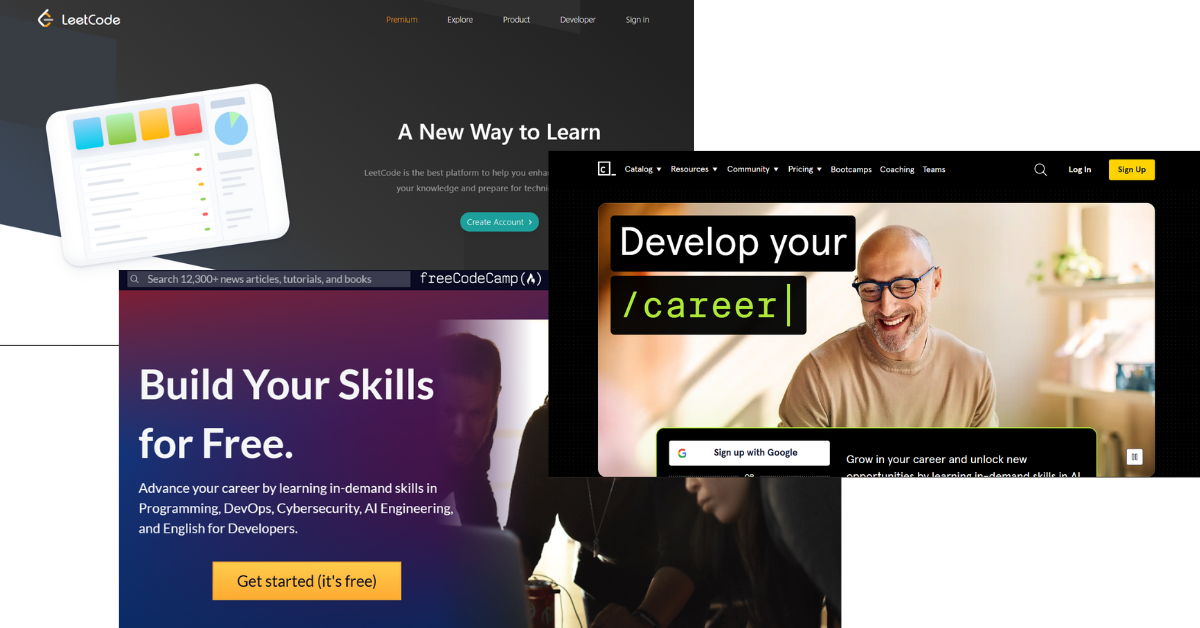
#4. Coding and Tech Skill Platforms
These tools focus on practical, hands-on learning in programming, web development, data analysis, and software engineering.
Why they’re valuable:
- Practice by building real projects
- Immediate feedback on exercises
- Ideal for beginners and advanced learners alike
Examples: Codecademy, freeCodeCamp, LeetCode
Also Read: 10 Best Digital Tools for Marketing in 2026
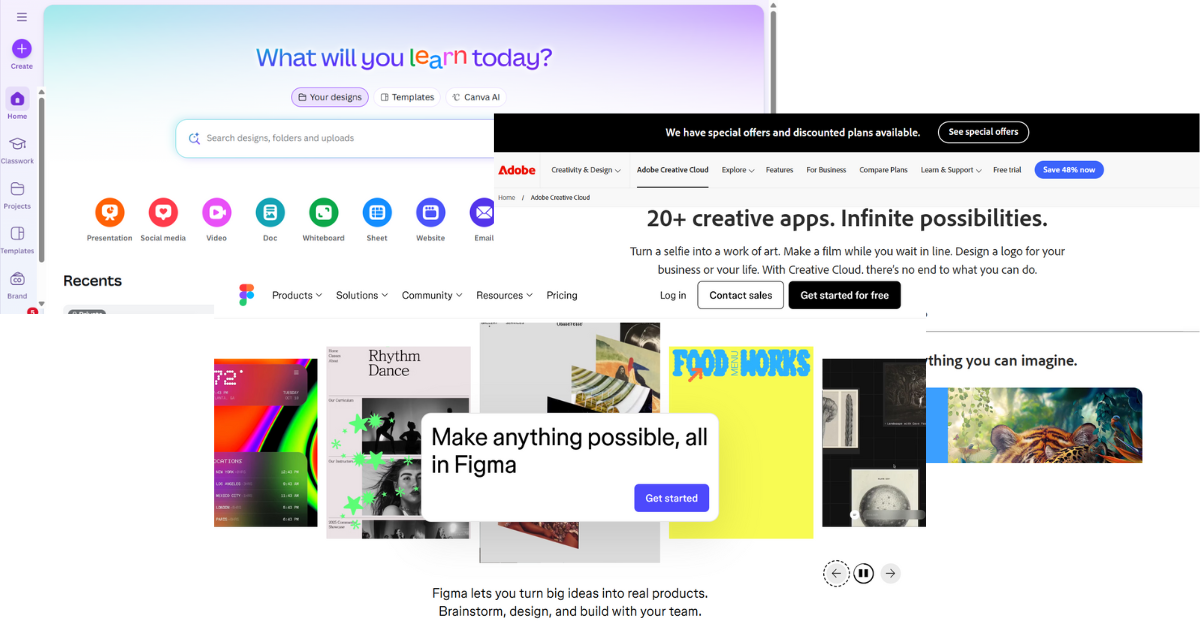
#5. Creative and Design Tools
For those developing skills in design, video editing, branding, or content creation, these tools provide both learning resources and professional-grade software.
Why they’re valuable:
- Learn while creating real work
- Access templates and tutorials
- Builds portfolio-ready projects
Examples: Canva, Adobe Creative Cloud, Figma
Also Read: What is an Efficiency Apartment? | Rental Efficiency
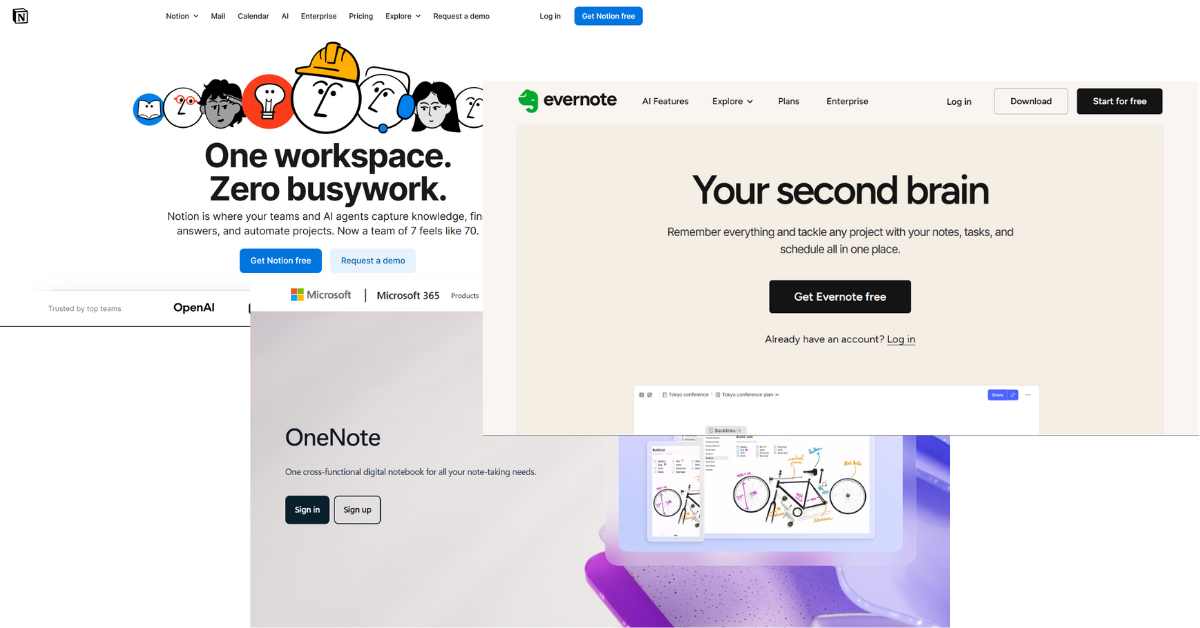
#6. Productivity and Note-Taking Tools
Learning isn’t just about consuming content, it’s also about organizing ideas, tracking goals, and reviewing notes effectively.
Why they’re valuable:
- Store and structure learning materials
- Create study plans and to-do lists
- Improve focus and retention
Examples: Notion, Evernote, Microsoft OneNote
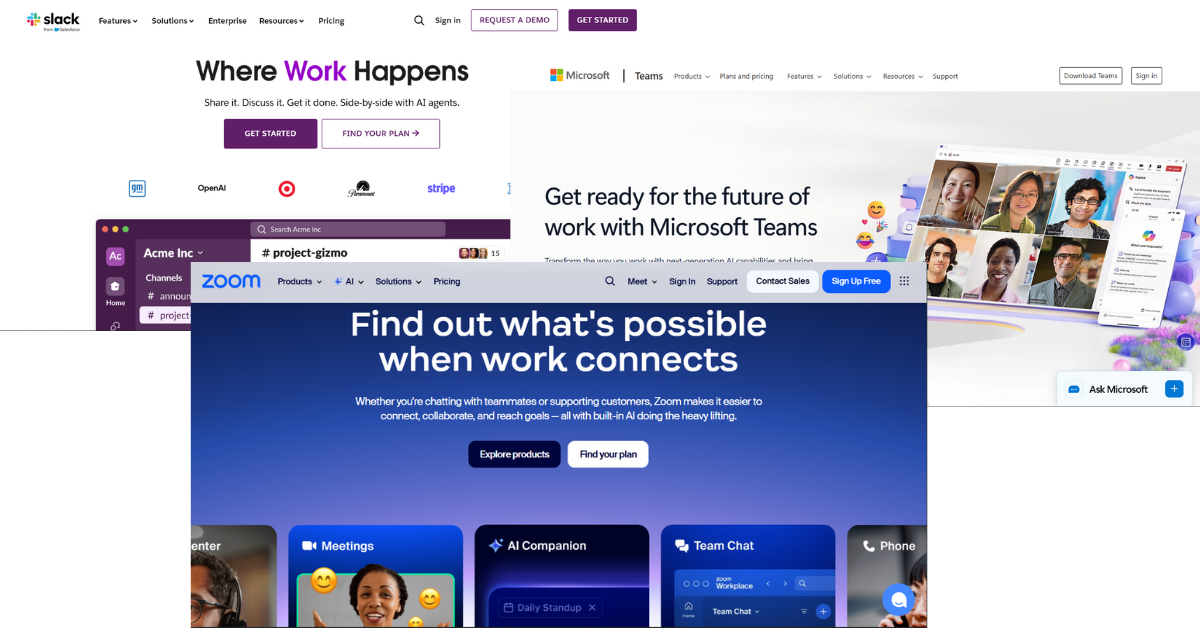
#7. Collaboration and Communication Tools
Group learning, mentorship, and peer discussions are essential for deeper understanding. These tools support real-time communication, file sharing, and virtual classes.
Why they’re valuable:
- Encourages teamwork and peer learning
- Enables remote education and training
- Facilitates discussions and feedback
Examples: Slack, Microsoft Teams, Zoom
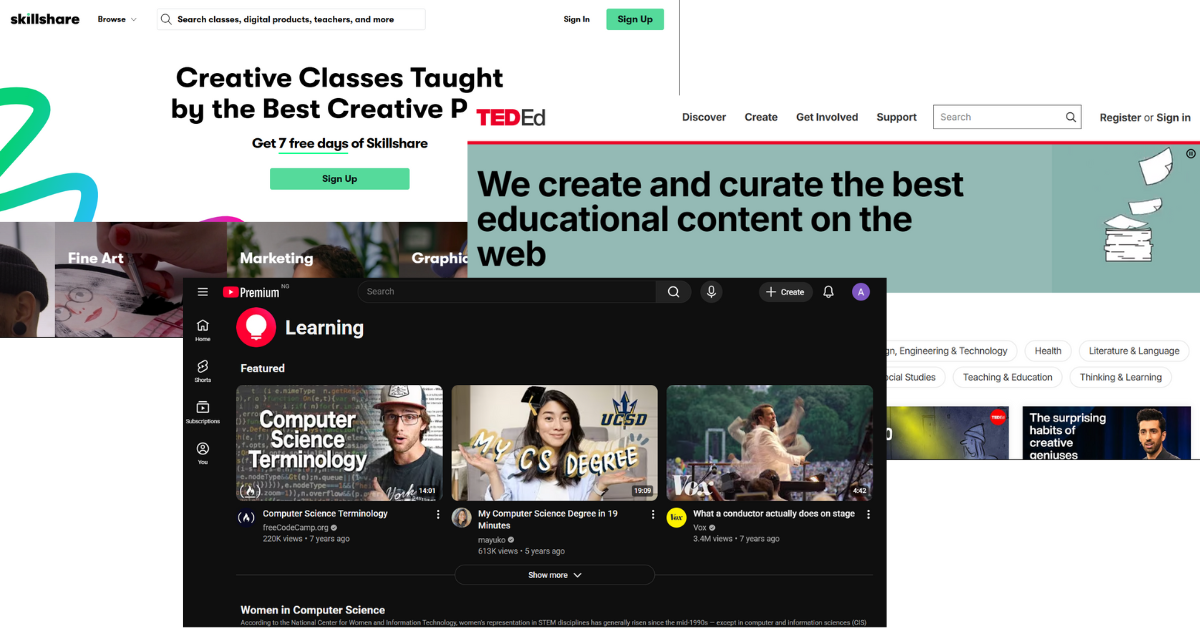
#8. Microlearning Platforms
Microlearning tools provide short, focused lessons that can be completed in minutes. They are perfect for quick skill upgrades and just-in-time learning.
Why they’re valuable:
- Ideal for busy schedules
- Targets specific skills quickly
- Reinforces learning through repetition
Examples: Skillshare, TED-Ed, YouTube Learning
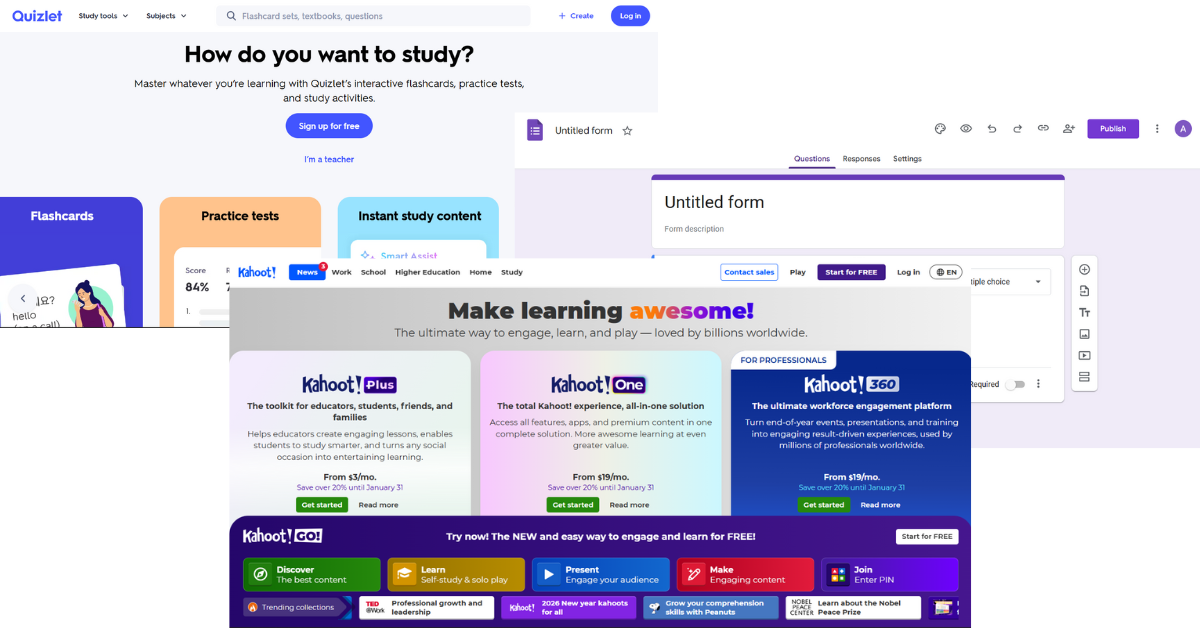
#9. Assessment and Practice Tools
These tools help learners test their understanding through flashcards, quizzes, and interactive games.
Why they’re valuable:
- Reinforces memory and recall
- Makes revision engaging
- Provides immediate feedback
Examples: Quizlet, Kahoot!, Google Forms
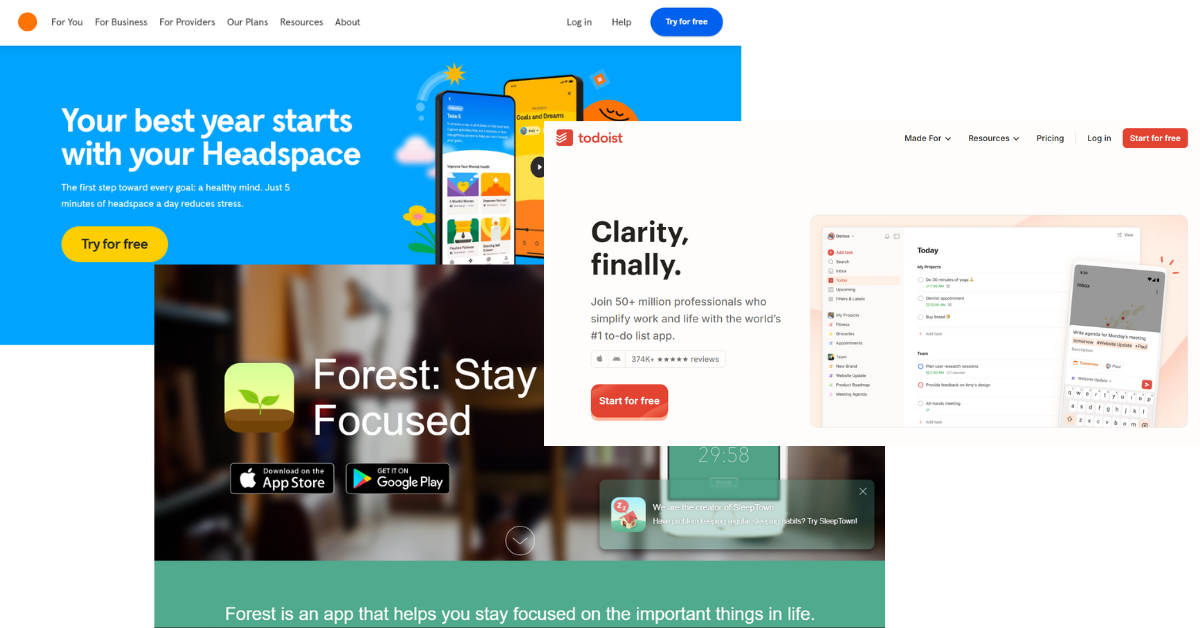
#10. Personal Development and Habit-Building Apps
Skill development requires discipline, focus, and consistency. These tools help learners manage time, reduce distractions, and maintain productive habits.
Why they’re valuable:
- Improves concentration
- Builds long-term learning routines
- Supports mental clarity and motivation
Examples: Forest, Todoist, Headspace
Choosing the Best Digital Tools for Learning and Skill Development
Selecting the right tools requires clarity of purpose. Learners should evaluate platforms based on:
- Relevance to career goals
- Opportunities for practice and feedback
- Access to mentors or communities
- Long-term growth potential
Tools that only deliver content often fall short. The most effective platforms connect knowledge with people, application, and opportunity.
Conclusion
The future belongs to those who learn continuously and apply knowledge strategically. The best digital tools for learning and skill development combine accessibility, personalization, collaboration, and real-world application. Online platforms provide structure. Practice tools build competence. Communities foster engagement. Productivity tools sustain momentum. Together, they form a complete learning ecosystem.
Isolated learning often leads to disengagement. Without accountability or interaction, motivation declines. Community platforms foster shared goals, feedback loops, and mentorship. Learners remain engaged because progress is visible and supported.
Platuni is more than a software, we are an ecosystem for growth. We love for learners, professionals, and communities to come together in one space where education meets opportunity. So learners do not just gain knowledge, they build skills, relationships, and opportunities that define long-term success.
Also Read: Seasonal Highlights: Navigating Peak Holiday Rents and Payment Timing
Frequently Asked Questions On Digital Tools
How do I decide which digital learning tool to prioritize?
Focus on tools that offer a balance of relevance to your career goals and opportunities for practical application, as passive content consumption alone rarely leads to skill mastery.
Why is community-based learning considered more effective than studying alone?
Community platforms like Cousera, Udemy bridge the gap between theory and employment by providing peer feedback, mentorship, and networking opportunities that sustain long-term engagement.
Can digital tools really replace traditional classroom credentials?
While degrees still hold value, the modern workforce increasingly prioritizes demonstrable skills and "lifelong learning" habits developed through flexible, digital-first platforms over static credentials.
What is the most effective way to organize multiple learning resources?
Use productivity tools like Notion or Evernote to centralize your notes and progress, ensuring your learning remains structured rather than scattered across different platforms.
Stay Informed
Subscribe to the Platuni B2B Newsletter to receive industry insights,
new feature announcements, and exclusive growth reports
Related Posts

SEPTEMBER 21, 2026
How to Automate Rental Property Management: 10 Tasks Landlords Can Stop Doing Manually
Ten repetitive landlord tasks, rent reminders, payment checks, report building, that automation can take over while judgment calls stay with the landlord.
Learn more
SEPTEMBER 18, 2026
Leasing Automation Software for Property Managers: What It Automates & What It Costs (2026)
Which steps in the leasing workflow are actually worth automating, what that automation costs, and who it isn't worth it for.
Learn more