
Technology & Automation
10 Best Digital Tools for Marketing in 2026
by Platuni | 06 Jan, 2026 | 10 mins read
Platuni
06 January, 2026
10 mins read

Digital tools for marketing are powered platforms that automate campaigns, personalize customer journeys, analyze data in real time, and improve conversions across channels. These digital tools for marketing help brands attract, engage, and retain customers faster, smarter, and more profitably in a highly competitive digital environment.
Whether you are a solo entrepreneur or a large-scale enterprise, the complexity of modern consumer journeys requires a unified tech stack. We understand that with the sheer volume of software available, finding the right "data spine" for your business is a daunting task. However, the shift toward privacy-first data and conversational AI search means that the digital tools for marketing you chose last year may already be obsolete. Our research into the 2026 landscape highlights that the most successful brands are those integrating AI fluency with human-centered content to build genuine trust.
What Are Digital Tools in Marketing?
Digital tools for marketing are software applications and platforms designed to help businesses plan, execute, analyze, and optimize marketing activities across online channels including SEO, social media, email, content creation, analytics, customer engagement, automation, and more. They reduce manual work, increase efficiency, and help marketers make smarter, data-driven decisions.
Benefits of Integrating Digital Tools Into Your Marketing
- Efficiency & Automation: Tools automate repetitive tasks like posting content and sending campaigns, saving time.
- Improved Targeting: Advanced analytics and audience insights help tailor campaigns to audience behavior.
- Better Measurement: Track key performance metrics, conversions, and ROI across channels.
- Collaboration & Scalability: Teams can coordinate workflows, track progress, and scale campaigns easily.
- Data-Driven Decisions: Analytics and reporting enable marketers to refine strategies based on real-time results.
10 Best Digital Tools for Marketing in 2026
#1. Hubspot
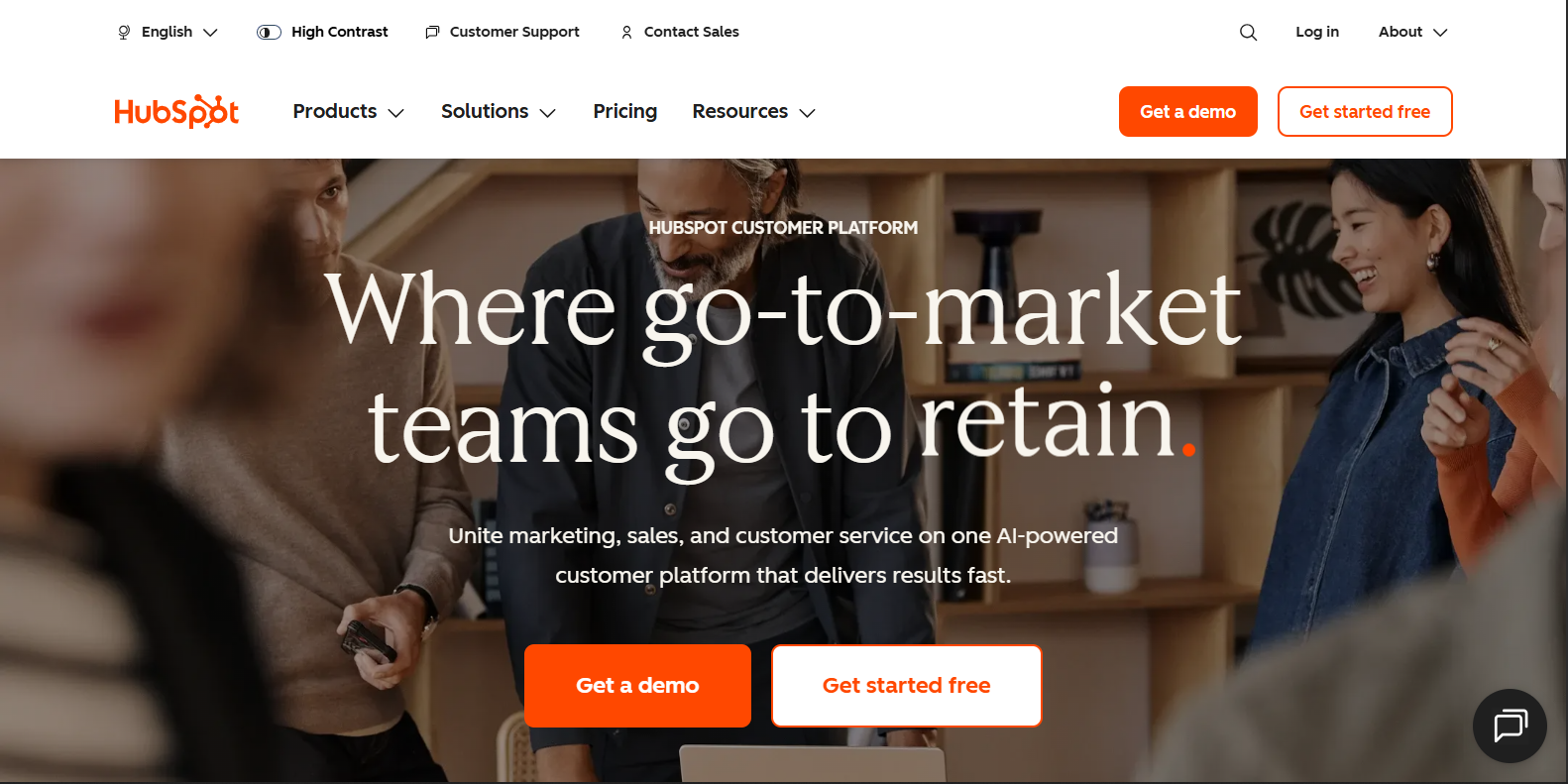
HubSpot is an all-in-one digital tools for marketing, cloud-based CRM platform that combines marketing, sales, customer service, content, and data tools in one system. It helps businesses manage leads, automate processes, and improve customer relationships from one central place.
Who it’s for:
HubSpot as a digital tools for marketing is best suited for small to medium-sized businesses, startups, and sales, marketing, and support teams that want an easy-to-use, scalable platform. It can also work for larger companies, though advanced features come at higher costs.
Key features:
- Free CRM with contact and deal management
- Marketing automation (email, landing pages, SEO, ads)
- Sales tools (pipelines, sequences, tracking)
- Customer support (ticketing, feedback, knowledge base)
- AI tools, analytics, and strong third-party integrations
Strengths:
- All-in-one platform reduces tool overload
- Free, scalable entry point
- User-friendly interface
- Strong integrations and learning resources
Weaknesses:
- Advanced features are expensive
- Limited customization compared to enterprise CRMs
- Some features locked behind higher plans
- Potential vendor lock-in
Pricing
- Free plan: Basic CRM and limited marketing tools
- Starter Customer Platform: $20/month
- Marketing Hub Professional: 800/month
- Enterprise: Custom pricing
#2. Canva
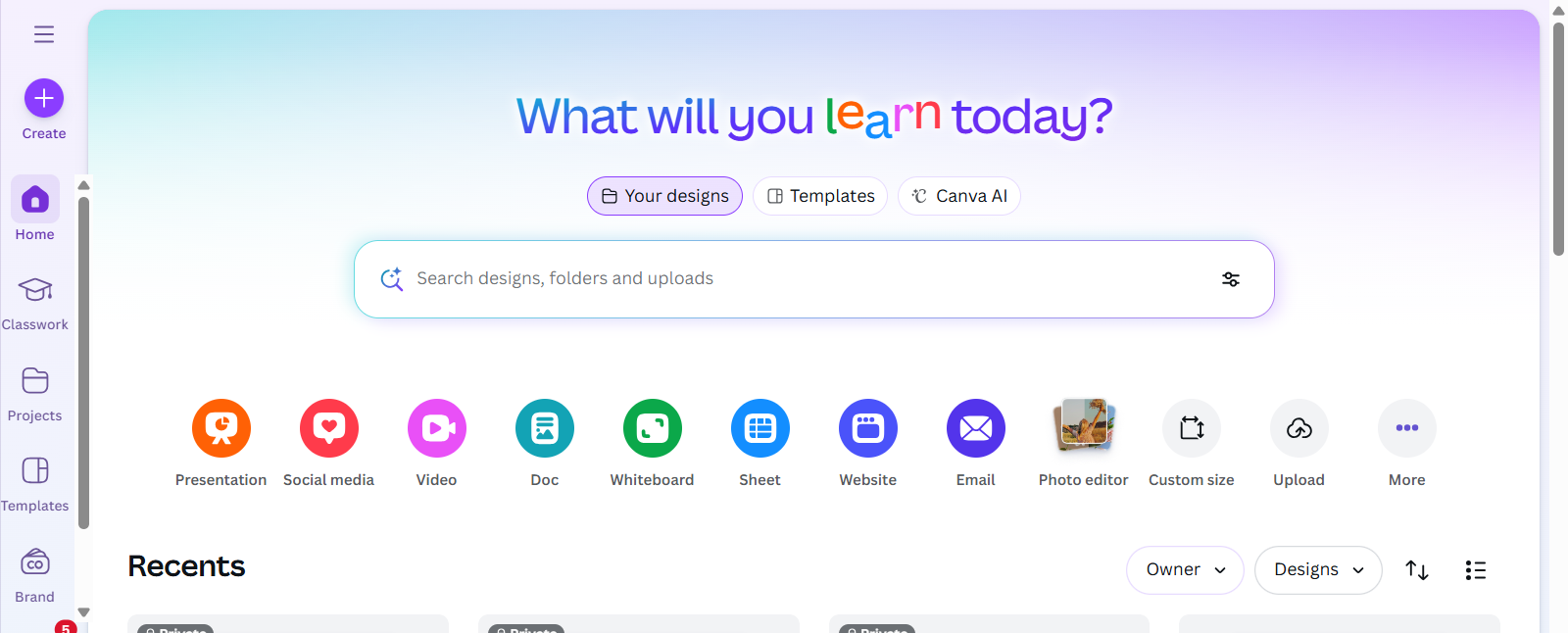
Canva is a cloud-based graphic design digital tools for marketing that lets users create visual content such as social media posts, presentations, flyers, videos, and more, using simple drag-and-drop tools and ready-made templates. It’s built for ease of use and works on web and mobile.
Who it’s for:
Canva is ideal for non-designers, small business owners, marketers, social media managers, students, educators, and teams who need quick, professional-looking designs without learning complex software.This digital tools for marketing is less suitable for professional designers or large brand-focused teams that require deep customization.
Key features:
- Drag-and-drop editor with thousands of templates
- Large library of stock images, icons, and videos
- Brand Kit (Pro) for consistent logos, colors, and fonts
- Multiple export formats (PNG, PDF, MP4, etc.)
- Real-time collaboration and cloud access
- AI-assisted design tools, video editing, and built-in print services
Strengths:
Easy to use, fast content creation, strong template and asset library, freemium pricing, collaboration tools, cross-device access, and growing AI capabilities.
Weaknesses:
Limited advanced design control, overreliance on templates can lead to generic designs, requires internet access, many premium features are behind a paywall, restricted export/print options, and occasional performance issues on complex projects.
Pricing
- Free plan: Basic templates and features (1.6M+ templates, 4.7M+ stock assets)
- Pro: $15/month ($7.50 with current 50% off promotion) Premium templates, brand kit, background remover
- Business: $20/month per user (introductory pricing) Team collaboration, 141M+ premium assets, higher AI access
#3. ChatGPT
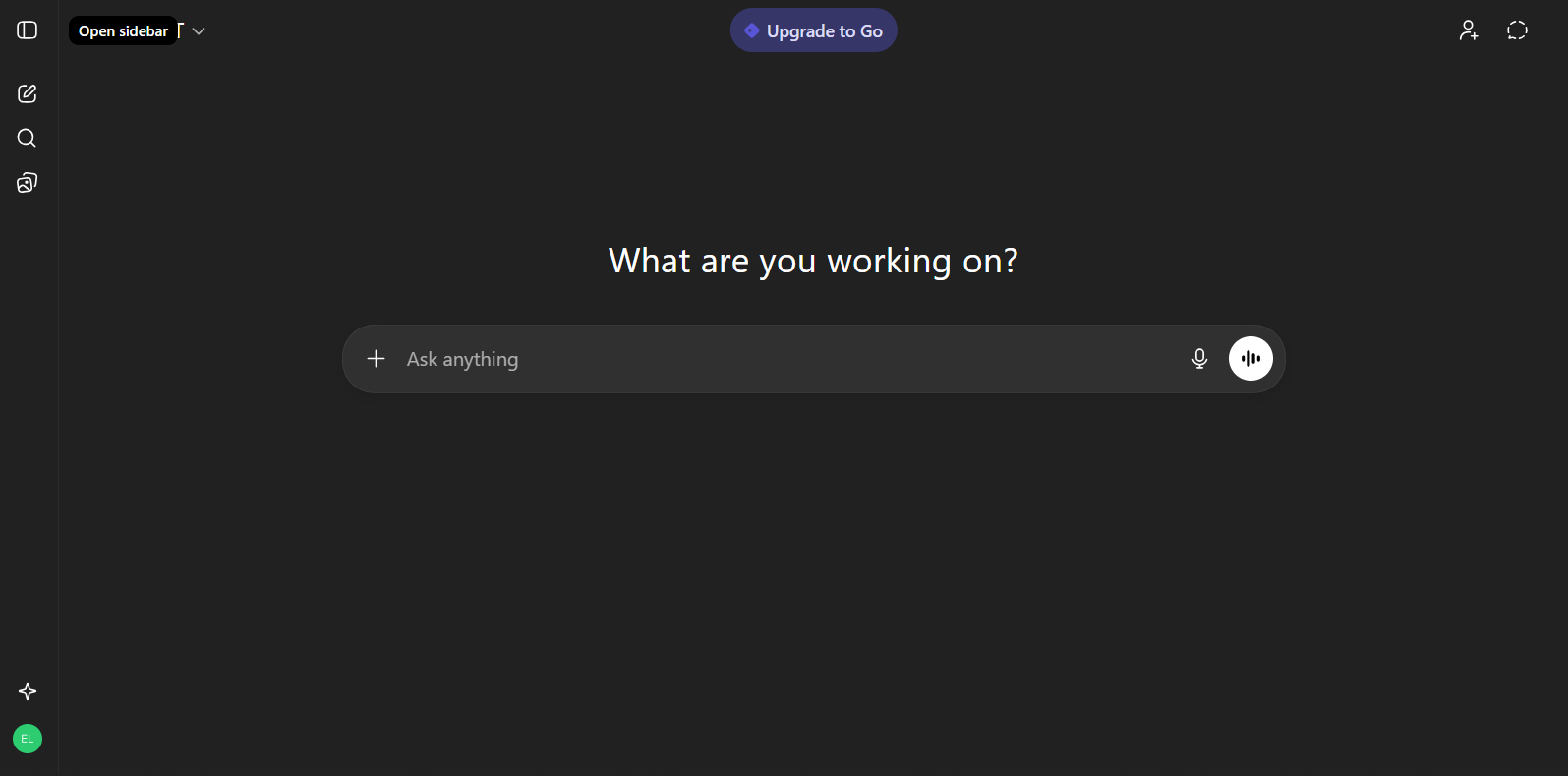
ChatGPT is an AI-powered conversational digital tools for marketing developed by OpenAI that understands and generates human-like text. It’s designed to help with writing, learning, explaining concepts, coding, and creative tasks.
Who it’s for:
Students, professionals, businesses, creators, and developers who need support with communication, research, content creation, customer service, or automation.
Key features:
Natural conversation, multilingual support, writing and editing, explaining complex topics, code assistance, and creative content generation.
Strengths:
Fast responses, versatility across topics, easy-to-understand explanations, and strong support for drafting, brainstorming, and productivity.
Weaknesses:
Not always perfectly accurate, no real-time knowledge, limited memory within long conversations, and possible difficulty with nuance, tone, or emotional context.
Pricing
- Free (GPT-3.5)
- ChatGPT Plus ($20/month) for GPT-4 access.
#4. Google Analytics (G4A)
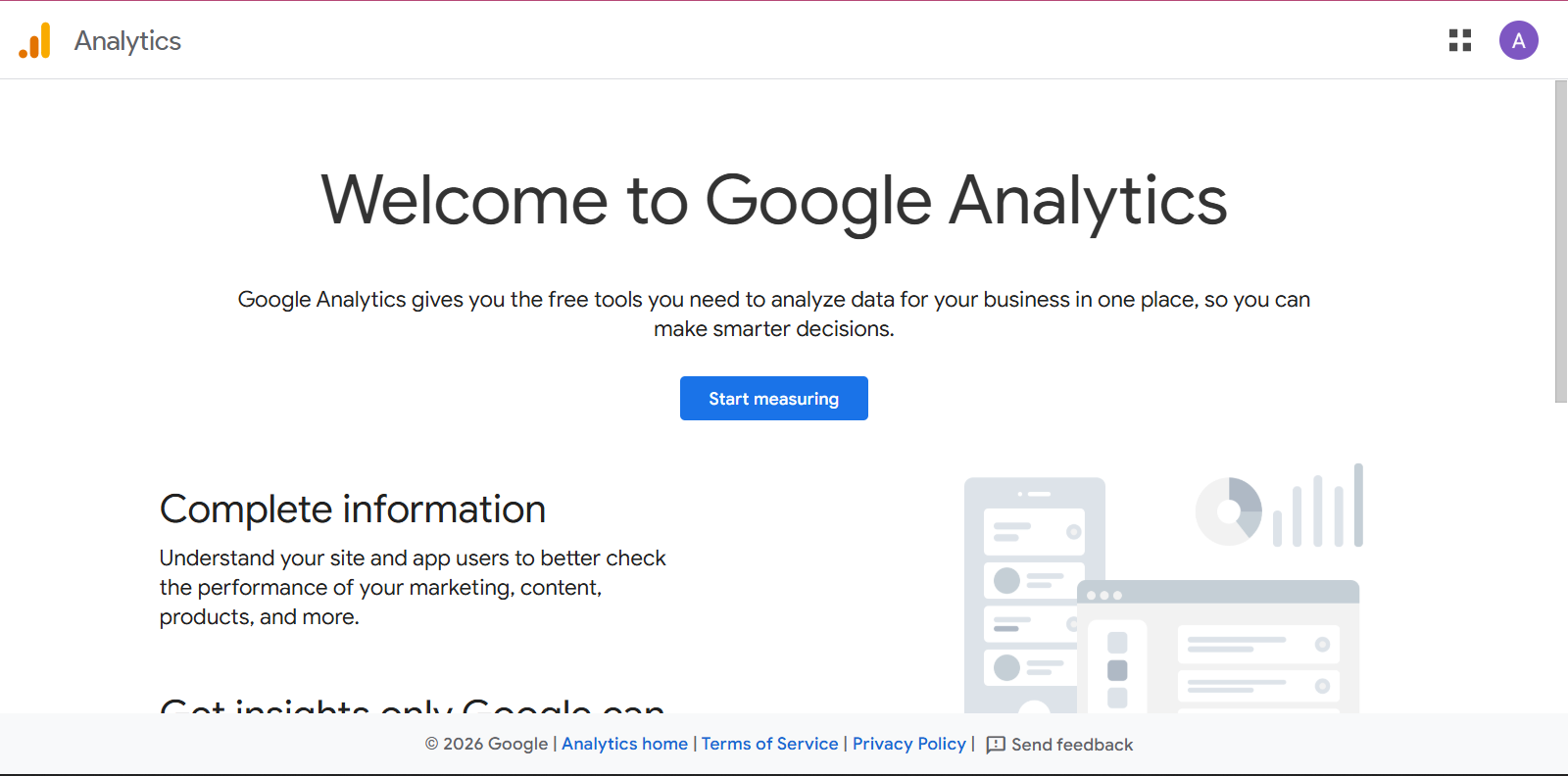
Google Analytics is a free web and app analytics digital tools for marketing that helps track how users find, interact with, and convert on a website or app. It is used by business owners, marketers, developers, e-commerce stores, and content creators to measure performance and improve decision-making.
Key features:
include traffic and audience insights, event-based tracking, conversion and funnel analysis, real-time reporting, e-commerce tracking, custom reports, and integration with other Google tools.
Strengths:
It is free, highly detailed, customizable, scalable for all business sizes, and integrates well with other platforms.
Weaknesses:
It has a steep learning curve, privacy and tracking limitations, possible data gaps, limited long-term data storage in GA4, and does not always explain why users behave a certain way.
#5. Mailchimp
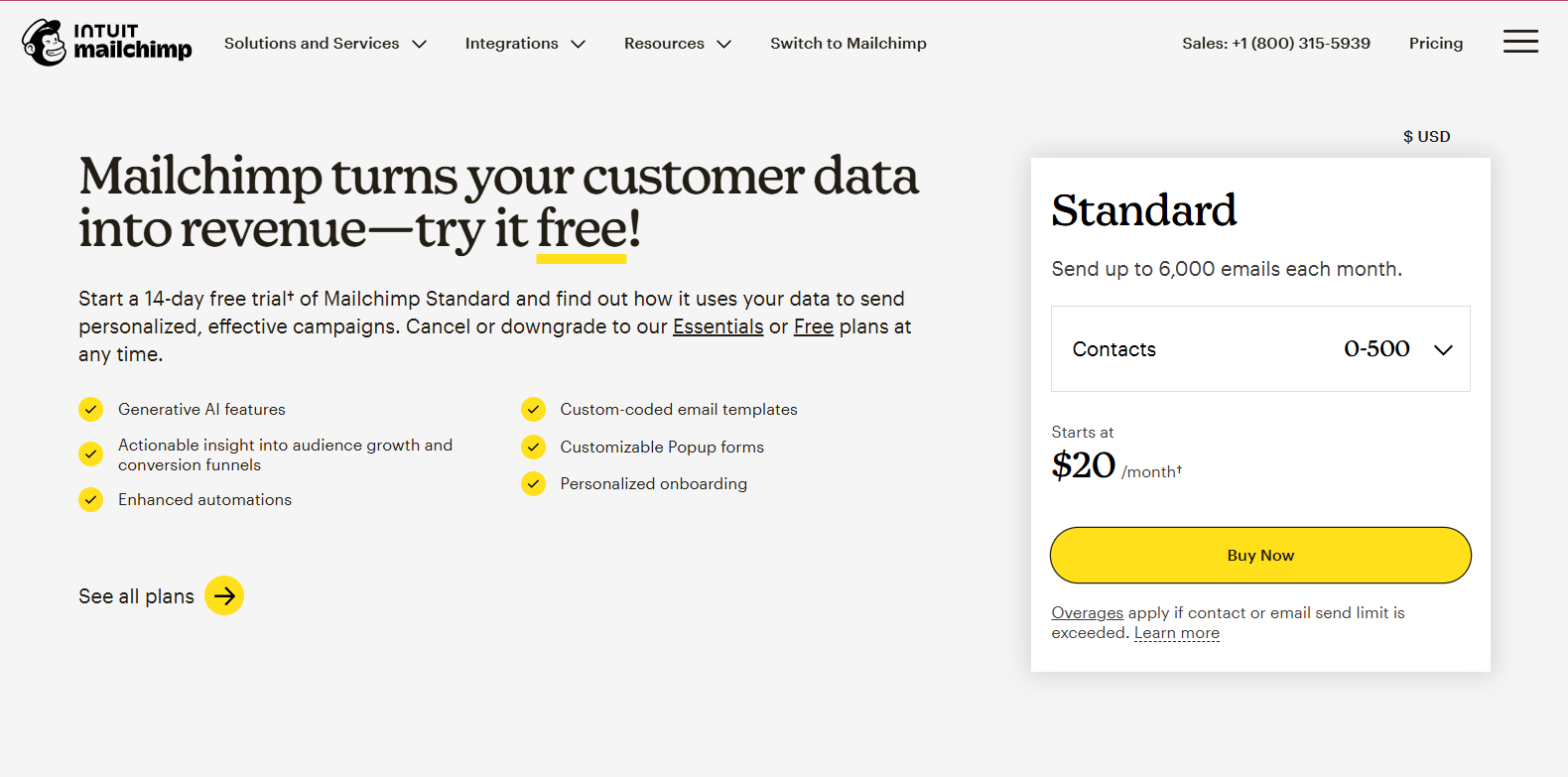
Mailchimp is an all-in-one digital tools for marketing best known for email marketing, with added tools for automation, audience management, landing pages, ads, and analytics. It’s designed mainly for small businesses, startups, content creators, nonprofits, e-commerce stores, and small marketing teams who want an easy way to communicate with customers and grow their audience.
Key features:
a drag-and-drop email builder, contact segmentation, automated campaigns (like welcome and abandoned-cart emails), lead-capture forms and landing pages, performance analytics, and integrations with platforms such as Shopify, WordPress, and WooCommerce.
Strengths:
It is user-friendly, offers strong email design digital tools for marketing that combines multiple marketing functions in one platform, integrates well with other software, and has reliable email deliverability.
Weaknesses:
Pricing increases as contact lists grow, automation is less advanced than some competitors, CRM features are basic, design customization can be limited, and customer support is restricted on lower plans.
Pricing
- Free plan: Up to 500 contacts, 1,000 sends/month
- Essentials: From $13/month (email support + basic automation
- Standard: From $20/month (advanced automation + dynamic content
- Premium: From $350/month (advanced segmentation + dedicated support)
Also Read: Business Travel Guideline for Global Professionals | Host Families
#6. SEMrush
SEMrush is an all-in-one digital tools for marketing that helps businesses improve SEO, content marketing, paid advertising, and online visibility.
Who it's for:
- SEO professionals and digital marketers
- Content and marketing teams
- Agencies managing multiple clients
- Medium to large businesses
Not ideal for small businesses or solo bloggers due to cost and complexity.
Key Features:
- SEO & Keyword Research: Keyword analysis, rank tracking, site audits
- Competitive Analysis: Competitor traffic and strategy insights
- Backlink Tools: Audit and monitor link profiles
- Content Marketing: Topic research, SEO briefs, performance tracking
- Advertising & PPC Research: Competitor ad analysis
- Social Media Management: Scheduling and analytics
- Reporting: Customizable dashboards and reports
Strengths:
- Comprehensive, all-in-one toolset
- Massive keyword and backlink database
- Strong competitor analysis
- Great for teams and agencies
- Regular updates with new features
Weaknesses:
- Expensive for small users
- Steep learning curve for beginners
- Can feel cluttered and complex
- Data estimates are approximate
- Limited mobile functionality
Pricing
- Free Plan: $0 up to 10 collaborators per Workspace
- Standard Plan: $5 per user/month/annually $6 if billed monthly.
- Premium Plan: $10 per user/month/ annually $12.50 if billed monthly.
- Enterprise Plan: $17.50 per user/month/annually $210.00 per user.
#7. Hootsuite
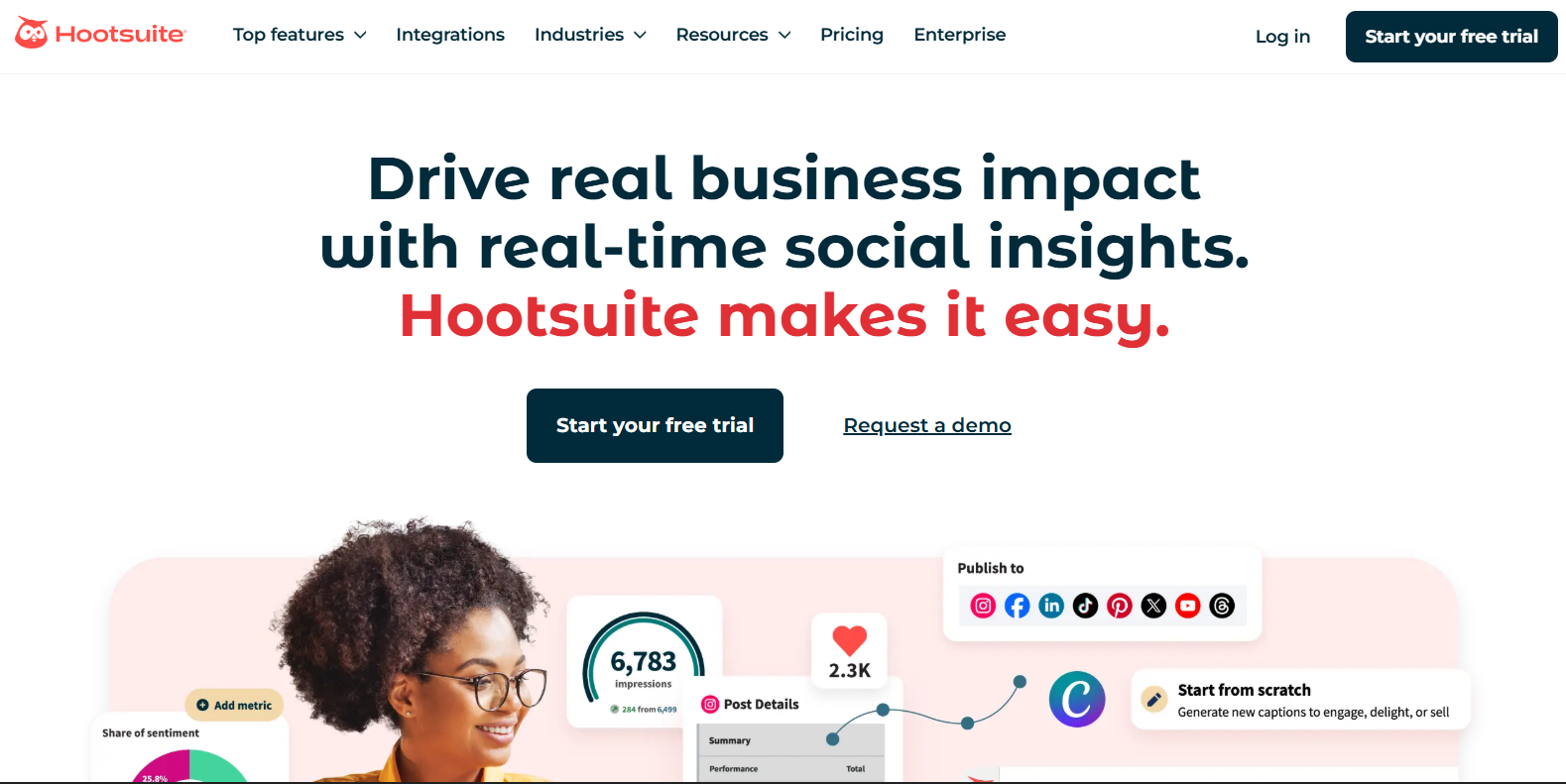
Hootsuite is a social media management and digital tools for marketing used for planning, scheduling, publishing, monitoring, and analyzing content across multiple networks from one dashboard.
Who it’s for:
- Marketing teams and social media managers
- Businesses of all sizes with multiple social profiles
- Teams needing collaboration tools
- Data-driven marketers Not ideal for solo users on a tight budget.
Key Features:
- Content scheduling & publishing (including bulk uploads)
- Unified inbox for engagement
- Analytics and custom reporting
- Social listening for brand mentions and trends
- Integrations with 100+ apps (Canva, Salesforce, HubSpot)
- Team collaboration with approvals and shared calendars
Strengths:
- Centralized management of multiple platforms
- Powerful scheduling and automation
- Detailed analytics
- Team workflow support
- Broad integrations
Weaknesses:
- Higher pricing, no free plan
- Complex interface with a learning curve
- Occasional posting issues
- Analytics can be basic for advanced users
- Support quality varies
The bottom line is Hootsuite is best for businesses or teams needing an all-in-one social media tool. It’s powerful but may be too expensive or complex for casual or solo users.
Also Read: Networking in the Digital Age: How to Build Connections Online
#8. Trello
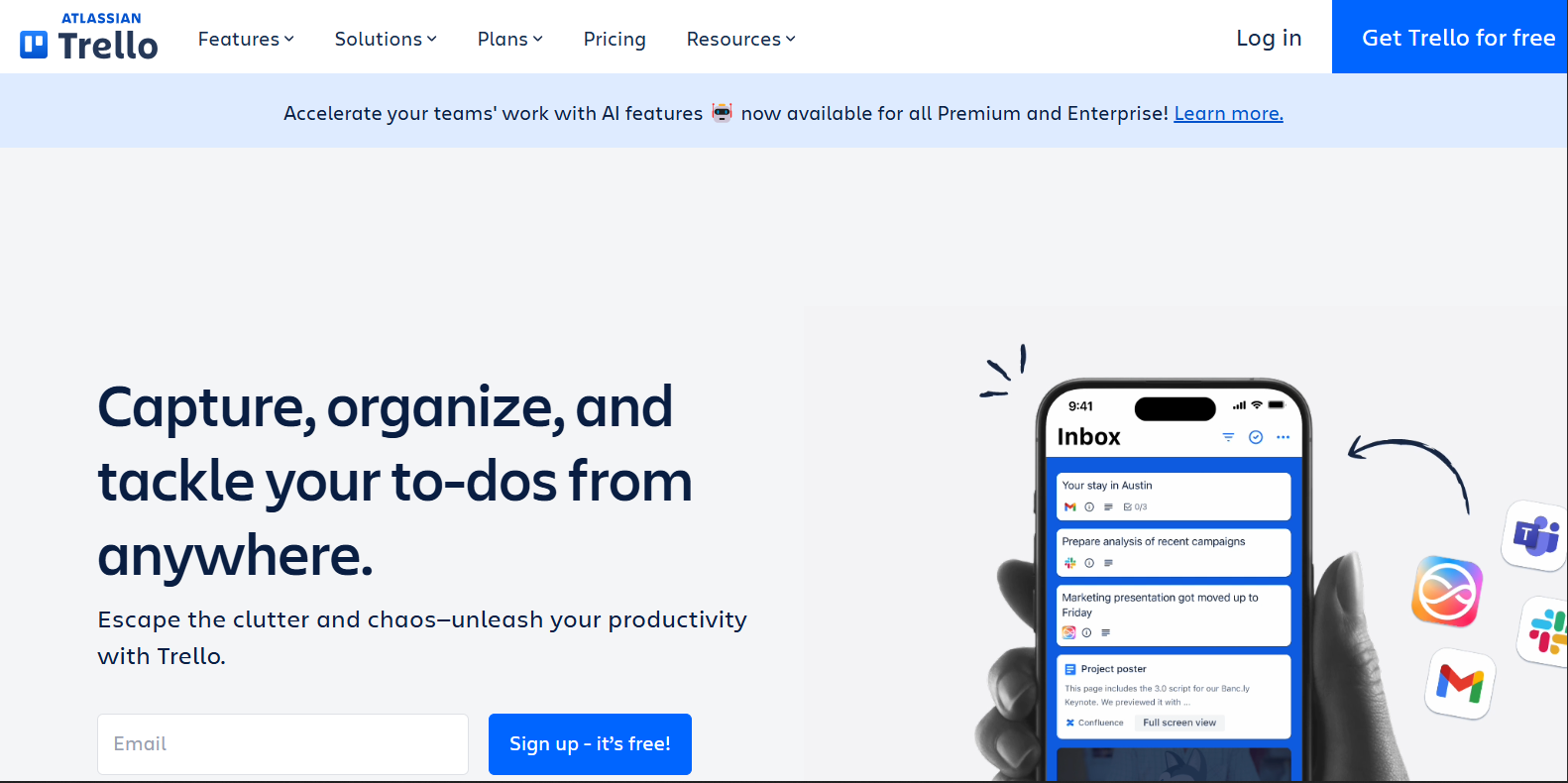
Trello is a visual project and task management tool using boards, lists, and cards. It’s ideal for individuals, small teams, and medium businesses who want an easy-to-use, flexible way to track tasks and collaborate.
Key Features:
- Boards, Lists & Cards: Organize tasks visually with due dates, labels, attachments, and checklists.
- Automation (Butler): Set rules to automate repetitive actions.
- Integrations & Power-Ups: Connect with Slack, Google Drive, Jira, etc.
- Collaboration Tools: Comments, mentions, file sharing, and real-time updates.
- Views & Templates: Calendar, timeline, dashboards, and pre-made board templates (paid).
Strengths:
- Very intuitive and easy to use
- Clear visual task tracking (Kanban-style)
- Good collaboration for teams
- Flexible workflows and many integrations
- Free plan available
Weaknesses:
- Limited advanced project management features (dependencies, resource planning)
- Can get cluttered for large project
- Many features require paid add-ons
- Basic permissions and offline limitations
Best For: Simple task tracking, visual workflows, and team collaboration. Less Suited For: Complex project planning or advanced reporting.
Pricing
- Starter: $165.17/5 websites/monthly/billed annually
- Pro+: $248.17/ 15 websites/monthly/billed annually
- Advanced: $455.57/ 40 websites/monthly/billed annually
#9. Zapier
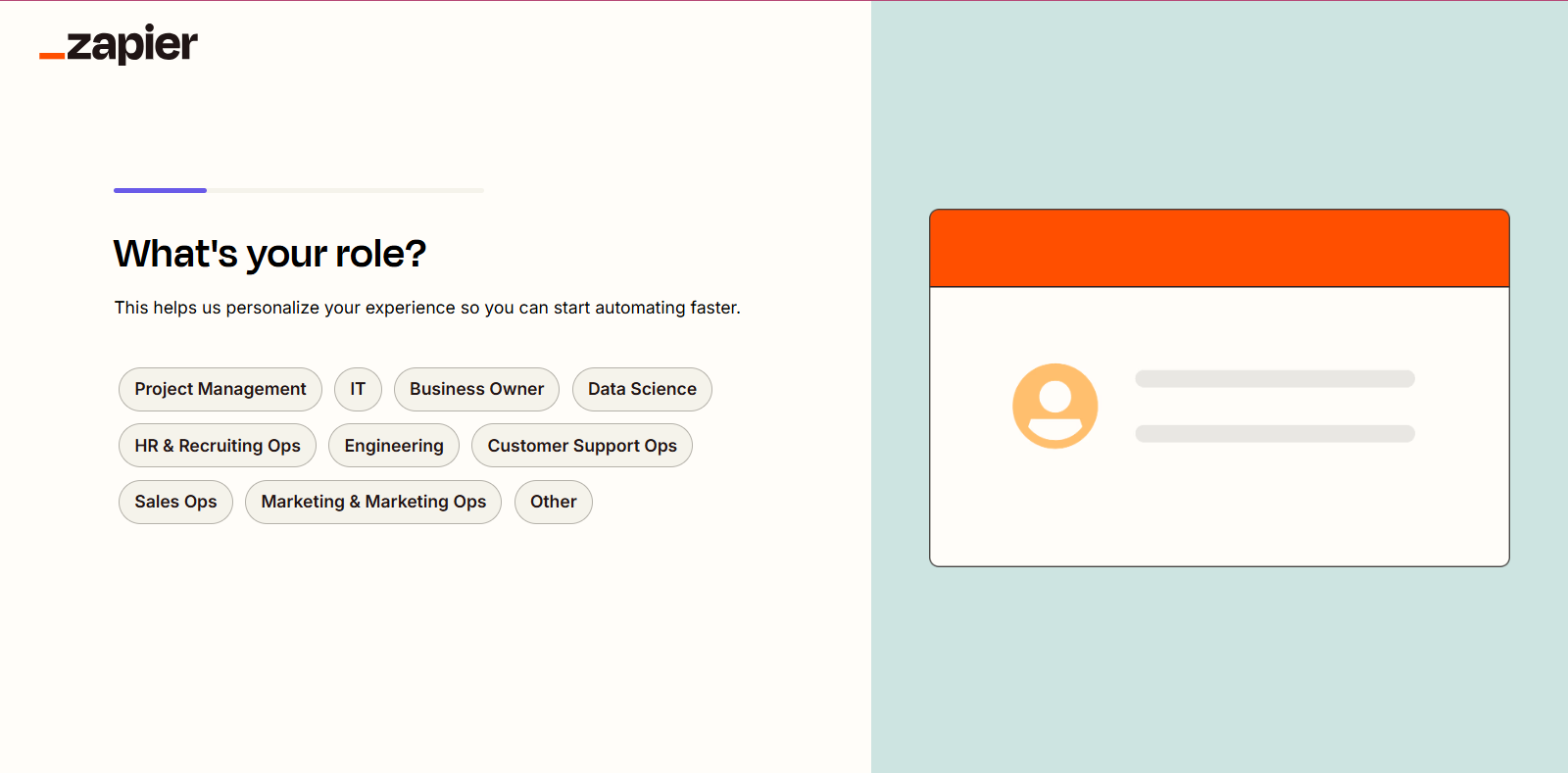
Zapier is a cloud-based automation digital tools for marketing that connects apps and automates repetitive tasks through workflows called Zaps.
Who it’s for:
Small business owners, marketers, freelancers, teams, or anyone who wants to save time by automating app-based tasks.
Key Features:
- Connects 6,000+ apps
- Multi-step automated workflows
- Conditional logic and filters
- Task history and monitoring
- Easy, no-code interface
Strengths:
- Saves time and reduces manual work
- Wide app support
- Scalable for individuals and teams
- Flexible automation options
Weaknesses:
- Can be expensive for heavy users
- Complex workflows may be tricky
- Some apps/features aren’t fully supported
- Lower-tier plans have task and trigger limits
Pricing
- Free trial
- Professional: $19.99/month (billed annually)
- Team: $69/25 user/month (billed annually)
#10. Folk
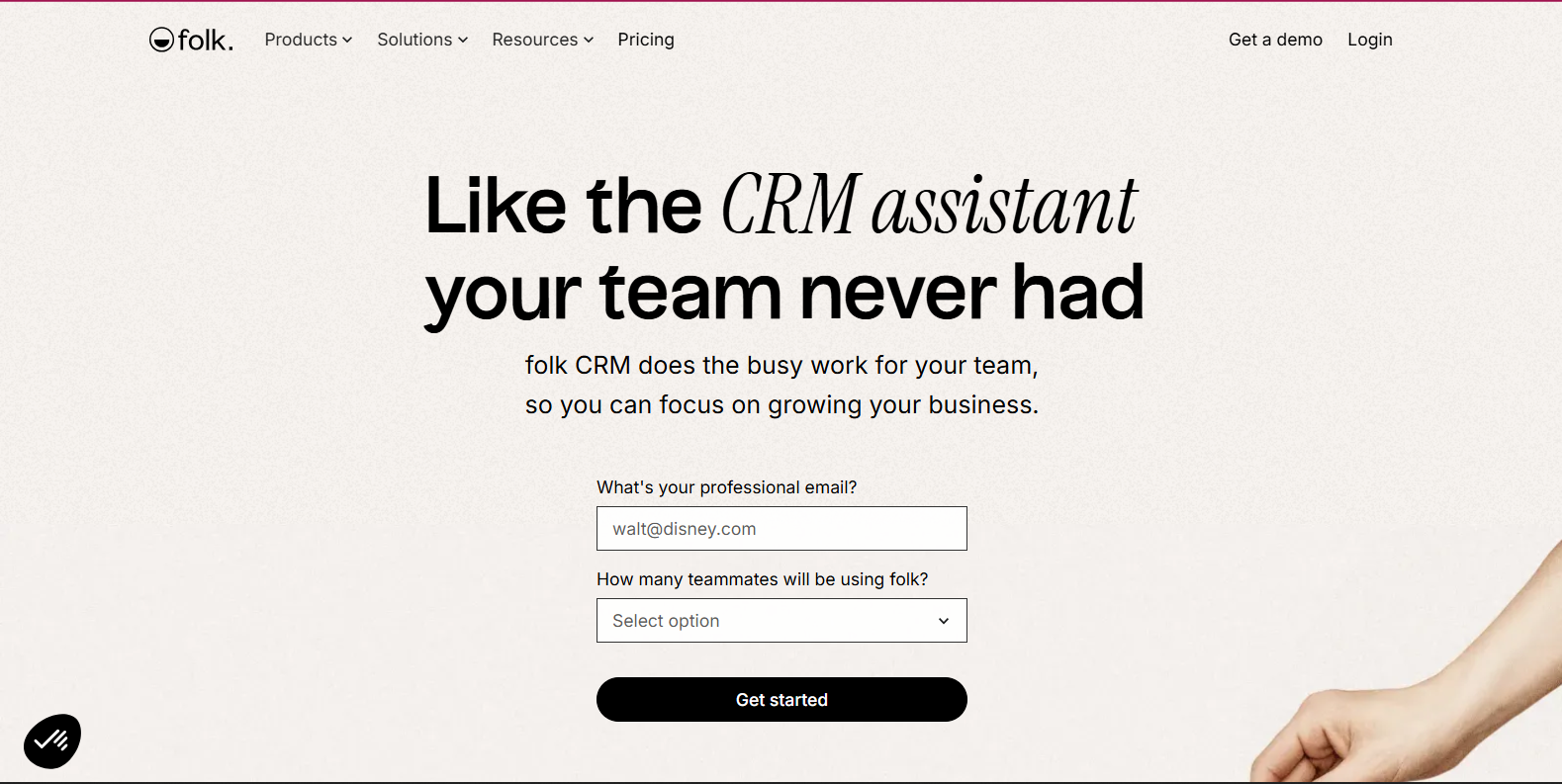
Folk is a relationship-focused, AI-powered CRM that centralizes contacts, communications, and outreach for teams and individuals and is a great digital tools for marketing.
Who it’s for:
- Small businesses, startups, agencies
- Sales, outreach, and business development teams
- Founders, freelancers, and recruiters
Key Features:
- Contact management & automatic enrichment
- Personalized messaging and follow-ups
- Custom pipelines for deals or relationships
- Gmail, Outlook, and LinkedIn integrations
- Team collaboration with shared notes & reminders
Strengths:
- Easy to use, clean interface
- Centralized view of contacts and communications
- Personalized outreach and basic automation
- Affordable and flexible
- Supports team collaboration
Weaknesses:
- Limited advanced sales automation
- Basic reporting and analytics
- Fewer native integrations compared to enterprise CRMs
- May not scale well for large organizations
Pricing
- Free trial: 14-day trial with all premium features
- Standard: $17.50/user/month (billed annually) or $25/month (monthly billing)
- Premium: $35/user/month (billed annually) or $50/month (monthly billing)
- Custom: From $70/user/month for advanced needs and custom limits
Also Read: The Role of Team Building Activities in Workplace Social Bonds
Frequently Asked Questions About Best Digital Tools for Marketing
What are digital marketing tools, and why are they important in 2026?
Digital tools for marketing are software applications that help businesses plan, execute, and measure marketing campaigns online. In 2026, these tools are crucial because they automate repetitive tasks, provide real-time analytics, and help marketers reach their target audiences more effectively across multiple channels. Using the right tools increases efficiency, improves ROI, and enhances customer engagement.
Who can benefit from using these digital marketing tools?
Digital tools for marketing are useful for a wide range of users, including small business owners, marketing teams, freelancers, e-commerce platforms, and large enterprises. Essentially, anyone looking to improve online visibility, manage campaigns, analyze data, or automate processes can benefit from these tools. They are designed to fit different skill levels, from beginners to advanced marketers.
What are some key features to look for in the best marketing tools of 2026?
The top digital tools for marketing typically include features such as:
- Social media scheduling and management
- Email marketing automation
- Analytics and reporting dashboard
- SEO and content optimization
- Customer relationship management (CRM) integration
- AI-powered insights and recommendations
These features help marketers save time, make data-driven decisions, and create more effective campaigns.
Are these marketing tools expensive, and do they offer free options?
Pricing varies widely depending on the tool and the features offered. Many top digital tools for marketing provide tiered pricing plans, including free versions with basic features and paid plans for advanced capabilities. Businesses can choose plans that suit their budget and scale as they grow, making digital marketing tools accessible to both small startups and large corporations.
Stay Informed
Subscribe to the Platuni B2B Newsletter to receive industry insights,
new feature announcements, and exclusive growth reports
Related Posts

SEPTEMBER 21, 2026
How to Automate Rental Property Management: 10 Tasks Landlords Can Stop Doing Manually
Ten repetitive landlord tasks, rent reminders, payment checks, report building, that automation can take over while judgment calls stay with the landlord.
Learn more
SEPTEMBER 18, 2026
Leasing Automation Software for Property Managers: What It Automates & What It Costs (2026)
Which steps in the leasing workflow are actually worth automating, what that automation costs, and who it isn't worth it for.
Learn more