
Rental Property Expenses Checklist
by Platuni | 20 Oct, 2026 | 5 mins read
Platuni
20 October, 2026
5 mins read
Owning a rental property can feel rewarding when rent payments roll in on time. Still, experienced landlords know that real profitability depends on understanding where the money goes, not just where it comes from. That’s why having a clear rental property expenses checklist is essential for anyone managing rental homes, apartments, or multi-unit buildings.
Many landlords underestimate expenses during their first year and feel surprised when profits look smaller than expected. Expenses add up quietly: maintenance calls, insurance renewals, taxes, vacancies, and even small admin costs can slowly eat into cash flow. A detailed rental property expenses checklist helps you stay prepared, avoid financial shocks, and make smarter decisions.
This guide walks through every major rental property expense, explains what it covers, why it matters, and how to plan for it. The goal is not just awareness, but confidence. When you know your numbers, managing rentals becomes less stressful and more sustainable.
Also Read: Complete Property Management Checklist | Full Guide

Different Rental Property Expenses Checklists
Rental income alone does not determine success. Profitability comes from what remains after expenses are paid. A rental property expenses checklist gives landlords a clear financial picture and prevents overlooked costs. Good management starts with good visibility.
Many expenses do not happen monthly. Some appear annually, others unexpectedly. Without a checklist, landlords often forget to budget for items like long-term repairs, legal fees, or vacancy periods. A strong checklist helps you:
- Set realistic rental prices
- Prepare for emergencies
- Track tax-deductible expenses
- Evaluate property performance accurately
- Avoid cash flow surprises
#1. One-Time Rental Property Expenses
Some costs occur upfront or infrequently but still deserve a place on every rental property expenses checklist.
Purchase and Closing Costs
Buying a rental property comes with expenses beyond the purchase price. These expenses are usually paid once but should be tracked for long-term financial analysis and tax planning. Common purchase-related costs include:
- Closing costs
- Title insurance
- Legal or attorney fees
- Inspection fees
- Appraisal fees
Renovation and Initial Repairs
Before renting out a property, landlords often spend money preparing it for tenants. Even small updates add up. Budgeting for these upfront costs ensures the property meets habitability standards and attracts quality tenants. Initial preparation expenses may include:
- Painting
- Flooring replacement
- Appliance upgrades
- Plumbing or electrical fixes
- Safety improvements
Also Read: Rental Property Excel Templates for Landlords
#2. Ongoing Monthly Rental Property Expenses
Recurring expenses form the core of your rental property expenses checklist. These costs affect cash flow every month.
Mortgage Payments
Mortgage payments are often the largest recurring expense for landlords. Understanding how much goes toward principal versus interest helps evaluate long-term equity growth. Monthly payments may include:
- Principal repayment
- Interest charges
- Property taxes (if escrowed)
- Insurance (if escrowed)
Property Taxes
Property taxes are unavoidable and vary by location. Rates depend on local government assessments and municipal budgets. Many landlords set aside monthly tax reserves to avoid annual payment stress. Property taxes can:
- Increase over time
- Be reassessed after renovations or sales
- Affect overall investment returns
Landlord Insurance
Insurance protects against losses related to property damage, liability, and rental risks. Insurance premiums vary based on property type, location, and coverage limits. Common landlord insurance coverage includes:
- Property damage
- Liability protection
- Loss of rental income
- Optional flood or earthquake coverage
Property Management Fees
Landlords who outsource daily operations should include management fees in their rental property expenses checklist. Additional charges may apply for tenant placement, renewals, inspections, or maintenance coordination. Property management costs often range between:
- 8% to 12% of monthly rent
- Flat monthly fees for some properties
Also Read: Rent Reduction for Inconvenience: When It Applies
#3. Maintenance and Repair Expenses
Maintenance costs are one of the most unpredictable items on a rental property expenses checklist.
Routine Maintenance
Routine maintenance helps prevent larger repairs later. Preventive maintenance reduces emergencies and extends property lifespan. Common routine costs include:
- HVAC servicing
- Lawn care
- Pest control
- Gutter cleaning
- Smoke detector replacements
Repairs and Emergency Fixes
Unexpected repairs happen even with good maintenance. Smart landlords set aside a repair reserve fund to handle surprises without disrupting cash flow. Emergency repairs may involve:
- Plumbing leaks
- Electrical failures
- Roof damage
- Appliance breakdowns
#4. Utilities and Operating Costs
Utilities can be either landlord-paid or tenant-paid, depending on lease terms.
Utilities Paid by Landlords
Utility expenses should be reviewed regularly to identify cost-saving opportunities. Some rentals require landlords to cover utilities such as:
- Water and sewer
- Trash collection
- Common-area electricity
- Gas or heating in shared buildings
Also Read: Rent Collections Explained: Best Practices and Tools for Landlords
Internet and Smart Systems
Properties with shared internet, security systems, or smart technology may incur additional operating costs. While optional, these features can increase tenant satisfaction and retention. These expenses can include:
- Security monitoring
- Smart thermostat subscriptions
- Building access systems
#5. Vacancy and Turnover Costs
Vacancies are a reality of rental ownership and must appear on every rental property expenses checklist.
Lost Rental Income
When a unit is vacant, income stops but expenses continue. Planning for vacancy periods helps stabilize finances. Vacancy costs include:
- Missed rent
- Continued mortgage payments
- Ongoing utilities and taxes
Turnover Expenses
Each tenant move-out creates additional costs. Reducing turnover through good tenant relationships can significantly lower expenses. Turnover expenses often include:
- Cleaning services
- Painting and touch-ups
- Carpet replacement
- Advertising and marketing
- Screening new tenants
Also Read: How to Start a Rental Property Business: Beginner to Pro Guide
#6. Legal and Compliance Expenses
Legal compliance protects landlords from fines and disputes.
Legal Fees
Even minor legal issues can become expensive without professional guidance. Occasional legal assistance may be needed for:
- Lease drafting
- Evictions
- Dispute resolution
- Compliance advice
Licensing and Registration Fees
Some cities require landlords to register rental properties or obtain licenses. Failure to comply can lead to penalties or rental restrictions. These fees may include:
- Rental permits
- Inspection fees
- Renewal costs
#7. Administrative and Office Expenses
Administrative costs may seem small but add up over time.
Accounting and Bookkeeping
Proper bookkeeping supports financial clarity and tax compliance. Failure to comply can lead to penalties or rental restrictions. Expenses may include:
- Accounting software
- Professional bookkeeping services
- Tax preparation fees
Marketing and Advertising
Attracting tenants costs money, especially in competitive markets. Effective marketing reduces vacancy duration and turnover costs. Marketing expenses include:
- Online listings
- Professional photos
- Signage
- Listing platform fees
Also Read: Free Rental Ledger Template: Track Rent Payments Accurately
#8. Taxes and Financial Obligations
Taxes extend beyond property taxes and should be tracked carefully.
Income Taxes
Rental income is taxable, though many expenses are deductible. Understanding deductions helps reduce tax liability legally. Taxable considerations include:
- Rental income reporting
- Depreciation
- Capital gains when selling
Self-Employment and Business Taxes
Some landlords operate as businesses and may owe additional taxes. Business-related taxes vary by jurisdiction and ownership structure.
#9. Capital Expenditures (Long-Term Costs)
Capital expenses are larger investments that improve or extend the life of the property.
Major Replacements
These costs happen less frequently but require significant budgeting. Capital expenses often include:
- Roof replacement
- HVAC systems
- Major plumbing upgrades
- Structural repairs
Property Improvements
Improvements increase property value and rental potential. Capital expenses should be planned strategically for long-term returns. Examples include:
- Kitchen remodels
- Bathroom upgrades
- Energy-efficient improvements
Also Read: Rental Property Application Template: What to Include & Free Examples
Professional Services and Support
Professional help can reduce risk and improve efficiency.
Inspections and Appraisals
Professional inspections help identify hidden issues and support compliance. Appraisals may be needed for refinancing or portfolio evaluation.
Consulting and Advisory Services
These services add cost but can prevent costly mistakes. Some landlords seek advice on:
- Investment strategy
- Portfolio growth
- Legal compliance
Building Your Personal Rental Property Expenses Checklist
Review and update your checklist regularly to reflect changes in expenses and market conditions. Every property is unique. A strong rental property expenses checklist should reflect:
- Property size and type
- Location
- Management style
- Local laws
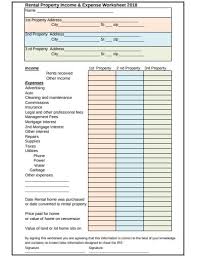
Also Read: The 2026 Property Manager’s Guide to Smarter Operations
Tips to Manage Rental Property Expenses Better
Expense management does not mean cutting corners. Smart planning improves efficiency without reducing quality. Good habits make expenses predictable and manageable. Helpful tips include:
- Track expenses monthly
- Separate personal and rental finances
- Build emergency reserves
- Review service contracts annually
- Use property management tools for transparency
Summary
A detailed rental property expenses checklist is one of the most valuable tools a landlord can have. Expenses are unavoidable, but surprises are optional when planning is done right.
Understanding every cost associated with rental ownership allows landlords to price rentals fairly, maintain properties responsibly, and protect long-term profitability. When expenses are visible and controlled, rental property ownership becomes less stressful and more rewarding.
Whether managing one unit or many, this checklist serves as a financial compass, helping landlords navigate decisions with clarity and confidence.
Frequently Asked Questions on Rental Property Expenses Checklist
What are the most common rental property expenses landlords overlook?
Many landlords forget to include vacancy costs, turnover expenses, and long-term capital repairs in their rental property expenses checklist. Items like appliance replacement, legal fees, and licensing renewals often appear unexpectedly and reduce profits if not planned for in advance.
Are rental property expenses tax-deductible?
Yes, many rental property expenses are tax-deductible, including mortgage interest, property management fees, maintenance costs, insurance, and property taxes. Depreciation may also apply. Landlords should keep detailed records and consult a tax professional to ensure proper reporting.
How much should landlords set aside for maintenance and repairs?
A common guideline is to reserve 1% to 3% of the property’s value annually for maintenance and repairs. Older properties or high-use rentals may require more. Including a repair reserve in your rental property expenses checklist helps prevent financial strain during emergencies.
How often should a rental property expenses checklist be reviewed?
A rental property expenses checklist should be reviewed at least quarterly and updated annually. Reviewing expenses regularly helps landlords adjust budgets, identify rising costs, and make informed decisions about rent pricing, repairs, or operational changes.
Stay Informed
Subscribe to the Platuni B2B Newsletter to receive industry insights,
new feature announcements, and exclusive growth reports