
Tenant Relations & Experience
Rent Collections Explained: Best Practices and Tools for Landlords
by Platuni | 18 Jan, 2026 | 8 mins read
Platuni
18 January, 2026
8 mins read

Are you tired of chasing late rent payments each month? Do you worry about errors in your records or miscommunication with tenants? Efficient collections rent is critical for property owners who want to maintain steady cash flow and avoid unnecessary disputes.
The good news is that digital platforms, automated reminders, and structured tracking systems make rent collection easier than ever. Tenants benefit from flexibility and clarity, while landlords enjoy timely payments and detailed payment histories. Tools like Platuni centralize the entire process, making it easier to track, manage, and analyze rent payments for single units or large portfolios.
In this guide, we’ll explore how landlords can optimize rent collection, prevent late payments, and improve operational efficiency. You’ll learn practical strategies, see examples of the best tools, and discover how to maintain organized, dispute-free collections rent management.
Also See: Free Rental Ledger Template: Track Rent Payments Accurately
What Are the Most Common Challenges in Rent Collection?
Collecting rent consistently is one of the most critical yet challenging responsibilities for landlords. Even experienced property owners face obstacles that can disrupt cash flow and strain landlord-tenant relationships. Hence, understanding these challenges is the first step toward improving collections rent practices. Common rent collection challenges include:
- Late or missed payments: Tenants may delay payments due to financial hardship, poor budgeting, or simple forgetfulness. Repeated delays affect cash flow and operational planning.
- Manual tracking errors: Using paper records or basic spreadsheets increases the risk of miscalculations, missing entries, or duplicate records, especially for landlords managing multiple units.
- Inconsistent payment methods: Accepting rent through multiple channels like cash, bank transfers, checks, and apps, can make reconciliation difficult and time-consuming.
- Lack of clear payment records: Without a centralized system, disputes often arise over whether rent was paid, partially paid, or applied to the correct month.
- Tenant communication gaps: When reminders, receipts, or notices are not sent promptly, tenants may claim they were unaware of due dates or penalties.
- Legal compliance risks: Rent collection rules vary by state and city, including grace periods, late fee limits, and notice requirements. Non-compliance can lead to penalties or legal disputes.
Also See: Tenant Tracker Tools: How Landlords Monitor Payments and Issues
Benefits of Rent Collection Through Digital Tools
Using dedicated digital tools has transformed how landlords handle collections rent, making the process faster, more accurate, and far less stressful. Instead of relying on manual methods, digital platforms centralize rent payments, records, and communication in one place. Some of the key benefits include:
- Improved on-time payments: Automated reminders and scheduled payments encourage tenants to pay rent promptly, improving overall collections rent performance.
- Centralized payment tracking: Digital tools provide a single dashboard where landlords can view payment status, outstanding balances, and payment history across all units, reducing errors and confusion.
- Reduced disputes and misunderstandings: Clear digital records serve as proof of payment, helping resolve disagreements quickly and fairly when collections rent issues arise.
- Faster reconciliation and reporting: Instead of sorting through bank statements or spreadsheets, landlords can instantly generate reports that show monthly income, late payments, and trends.
- Better tenant communication: Built-in messaging and notifications keep tenants informed about due dates, receipts, and outstanding balances, strengthening accountability.
- Enhanced compliance and documentation: Accurate records support compliance with local housing laws and provide documentation if legal action becomes necessary.
Also See: Top 5 Rental Business Ideas with High ROI
Methods of Rent Collection
Landlords use a mix of traditional and modern methods to handle rent collections, but some approaches are more efficient, secure, and scalable than others. Here are the most common methods:
#1. Cash Payments
Cash is the most basic way to collect rent, but it carries significant risks. It’s hard to track, easy to misplace, and offers no inherent documentation. Because of this, few modern landlords rely solely on cash. When they do, they often supplement it with manual logs or a rental ledger template free to record payments.
#2. Checks and Money Orders
Checks and money orders give landlords a paper trail that cash doesn’t, but they still require manual processing. Tools such as QuickBooks or a simple spreadsheet like Excel or Google Sheets help landlords record and reconcile these payments. However, these methods can delay collections due to mailing times or bank processing, and they don’t automate reminders or status tracking.
#3. Bank Transfers (ACH Payments)
Direct bank transfers (Automated Clearing House or ACH) are faster and more secure than checks. Platforms like Zelle for Business and Dwolla allow tenants to send funds directly to a landlord’s account electronically. These payments can be logged automatically into landlord accounting systems, improving visibility over rent inflows and making collections rent more predictable.
Also See: Common Landlord-Tenant Issues That Require an Attorney
#4. Debit and Credit Card Payments
Accepting card payments increases convenience for tenants, especially those who prefer digital financial tools. Services like Stripe or Square allow landlords to process rent via debit or credit card. Although these services charge processing fees, they significantly reduce barriers to paying on time and provide immediate transaction records.
#5. Online Rent Payment Portals
Dedicated online portals let tenants log in and pay rent with multiple methods, while landlords track collections in one place. Examples include PayPal and Venmo Business, which are widely used for recurring payments, and Zillow Rental Manager, which combines payment with property listing and screening tools.
#6. Dedicated Property Management Platforms
These are the most powerful solutions for modern landlords because they bundle rent collection with tenant tracking, issue monitoring, and reporting. Platforms like Platuni offer real-time dashboards showing who has paid, who hasn’t, and who is overdue, eliminating guesswork. Other examples include Buildium and AppFolio Property Manager, which integrate online rent collection with maintenance requests and accounting tools. We will be exploring more of these tools below.
Also See: Boosting Tips For Overworked Landlords | Landlord Productivity Hacks
Best Tools and Platforms to Collect Rent Online
Modern landlords are increasingly adopting digital tools to simplify collections rent, improve payment accuracy, and maintain clear records. Meanwhile, choosing the right tool for online rent collection can significantly improve cash flow, reduce late payments, and eliminate disputes. The platforms below support online rent payments in different ways, but some offer more comprehensive features for long-term rental management.
#1. Platuni
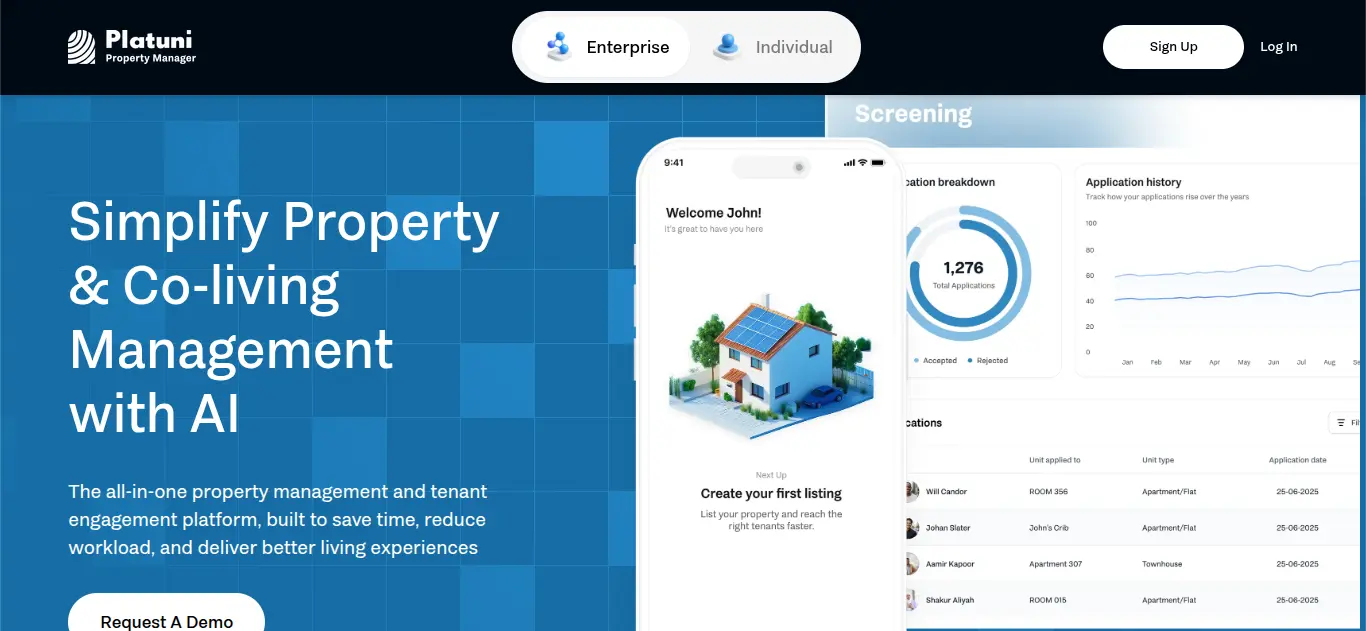
Platuni is purpose-built for landlords and property managers who want more than just payment processing. It combines online rent collection, tenant tracking, payment history, automated reminders, and issue monitoring into one clean, intuitive platform. Hence, instead of juggling multiple tools, as a landlord, you can manage everything from a single dashboard, making collections rent faster, clearer, and far more reliable.
What makes Platuni especially powerful is its focus on clarity and control. Landlords can see who has paid, who is overdue, and which balances remain outstanding in real time. Likewise, automated reminders reduce awkward follow-ups, while detailed records help prevent disputes and support compliance. For landlords seeking a modern, scalable, and professional way to collect rent online, Platuni is not just a tool, it’s a complete rent management ecosystem.
Try Downloading the Platuni Property Manager App Today!
#2. Buildium

Buildium is a well-established property management platform that supports online rent payments through bank transfers and cards. It also offers accounting and reporting tools that help landlords track collections rent across multiple units. Furthermore, the platform is commonly used by property managers who want structured workflows and centralized data. Its comprehensive feature set makes it suitable for landlords managing growing portfolios.
#3. AppFolio

AppFolio provides online rent payment capabilities alongside automation features such as recurring payments and tenant notifications. These tools help landlords encourage timely payments and maintain consistent collections rent processes.
Many property managers appreciate AppFolio’s mobile accessibility and reporting features, which support real-time oversight of rental income and tenant activity.
Also Check Out: Landlord Section 8 Requirements | Complete Compliance Guide
#4. Zillow Rental Manager

Zillow Rental Manager allows landlords to collect rent online while also managing property listings and tenant screening. Its integration with the Zillow ecosystem makes it convenient for landlords already using the platform. The rent collection feature supports basic payment tracking and offers a straightforward way to receive rent electronically, particularly for landlords with fewer properties.
#5. PayPal (Business Accounts)

PayPal Business enables landlords to accept rent payments digitally via bank transfers, debit cards, or credit cards. Its familiarity and global reach make it an accessible option for tenants. That said, PayPal is not designed specifically for rental management. It lacks built-in rent tracking, automated reminders, and tenant records, meaning landlords must rely on external systems to manage collections rent accurately. Therefore, you have to pair PayPal with additional tracking tools to maintain organized collections rent records and tenant histories.
Why Platuni Leads the Way
While many tools help landlords in online rent collection, Platuni goes further by combining payment collection with tracking, communication, and documentation. This all-in-one approach reduces errors, saves time, and strengthens landlord-tenant relationships. This makes Platuni the smartest choice for modern collections rent management.
Also Read: Landlord Bookkeeping Software: How to Track Rental Income and Expenses
How Do Landlords Collect Rent Efficiently and On Time?
Typically, landlords who succeed with collections rent processes focus on clarity, consistency, and convenience. Efficient rent collection is no longer about chasing payments; it’s about creating a system that makes paying rent easy for tenants and predictable for landlords. Some of the best practices for collecting rent on time include:
- Establish clear payment rules upfront: Lease agreements should clearly state rent amounts, due dates, acceptable payment methods, grace periods, and penalties. This clarity reduces confusion and strengthens collections rent compliance from day one.
- Offer multiple digital payment options: Digital payments significantly improve on-time collections by removing friction. Popular options landlords use include:
- Bank transfers (ACH payments)
- Debit and credit card payments
- Online payment portals
- Mobile payment platforms
- Property management platforms like Platuni, which centralize rent tracking, tenant records, and payment history in one dashboard
- Use automated reminders and notifications: Automated payment reminders before due dates and follow-ups after missed payments reduce late rent without confrontation. This proactive approach strengthens collections rent consistency and tenant accountability.
- Centralize rent tracking and records: Managing payments across multiple tools increases errors. A centralized system helps landlords track who has paid, who hasn’t, and which balances are outstanding. Platforms like Platuni simplify collections rent by offering real-time tracking, payment logs, and downloadable records.
- Send instant payment confirmations: Automated receipts reassure tenants that payments were received and give landlords documented proof in case of disputes.
- Monitor payment patterns and act early: Tracking trends in late or partial payments allows landlords to intervene early, adjust payment plans, or offer reminders before issues escalate.
Also Read: Is a Property Manager a Landlord or Something More?
How to Set Up Rent Collection Online With Platuni
Setting up online rent payments with Platuni allows landlords to streamline collections rent, reduce delays, and maintain accurate records. The process is simple and designed to support both small and growing rental portfolios. Here's how you can set up collections rent on Platuni:
- Create Your Platuni Account : Start by signing up on Platuni and setting up your landlord profile. This establishes a centralized workspace where all rent collection activities and tenant records will be managed.
- Add Your Properties and Units: Enter property details such as unit names, rent amounts, due dates, and lease terms. Accurate property data ensures your collections rent system reflects real payment expectations.
- Register Tenants: Add tenant profiles with contact details and assigned units. This allows Platuni to link each payment to the correct tenant and maintain organized collections rent records.
- Set Rent Amounts and Payment Schedules: Define monthly rent, due dates, grace periods, and any late fees. Clear scheduling supports consistent collections rent and reduces confusion for tenants.
- Enable Online Payment Options: Activate digital payment methods available on Platuni, allowing tenants to pay rent online securely. This convenience improves on-time payments and strengthens collections rent efficiency.
- Activate Automated Reminders: Turn on automated notifications for upcoming due dates and overdue payments. These reminders reduce late payments and minimize manual follow-ups.
- Monitor Payments in Real Time: Use Platuni’s dashboard to track paid, pending, and overdue rent. Real-time visibility helps landlords stay proactive in managing collections rent.
- Generate Reports and Records: Download payment histories and summaries for accounting, compliance, or dispute resolution. These records provide clear documentation of collections rent activity.
Try Downloading the Platuni Property Manager App Today!
Best Practices and Tips for Rent Collection
Effective collections rent strategies combine the right tools with consistent processes. Following these best practices will help you maintain steady cash flow and positive tenant relationships. Key rent collection best practices include:
- Clearly communicate payment terms: Ensure tenants understand rent amounts, due dates, grace periods, and accepted payment methods from the start.
- Encourage digital payments: Online payment options reduce delays, eliminate manual errors, and improve collections rent reliability.
- Use automated reminders consistently: Automated alerts help tenants remember deadlines and reduce awkward follow-ups.
- Keep centralized and accurate records: Storing all rent data in one platform simplifies tracking and strengthens collections rent transparency.
- Review payment patterns regularly: Monitoring trends helps landlords identify recurring issues early and take corrective action.
- Maintain open communication with the tenant
Also Read: What Are Landlords Responsible For? Legal Duties Explained
Frequently Asked Questions About the Best Practices and Tools for Landlords
How can digital tools improve rent collection?
Digital tools streamline collections rent by offering automated reminders, online payment options, and centralized tracking. Platforms like Platuni allow landlords to monitor payments in real time, reducing missed payments and administrative workload.
Can tenants pay rent online securely?
Yes. Many digital solutions, including Platuni, PayPal, and Zillow Rental Manager, provide secure portals for online rent payments. Transactions are encrypted, and landlords receive immediate confirmation, improving transparency in collections rent.
Are there legal considerations for rent collection?
Yes. Rent collection must comply with local and state laws regarding due dates, late fees, and grace periods. Digital platforms like Platuni help landlords maintain records for compliance and dispute resolution.
What Legal Rules Govern Rent Collection by State or City?
Rent collection is subject to local laws, which may vary widely by state or city. Regulations often cover:
- Due dates and grace periods: Some jurisdictions require a specific number of days before late fees apply.
- Late fees limits: Laws may cap how much can be charged.
- Notice requirements: Certain areas mandate formal notices before pursuing eviction for nonpayment.
How Can Landlords Prevent Rent Disputes?
Preventing disputes starts with clear communication and documentation. You should:
- Use a digital rent collection platform like Platuni to track payments and send receipts automatically.
- Maintain organized records of all payments, agreements, and communication.
- Communicate policies clearly from the start, including rent due dates, accepted payment methods, and late fees.
- Address issues promptly and professionally to prevent small misunderstandings from escalating.
How does Platuni simplify rent collection for landlords?
Platuni centralizes rent collections by combining online payments, tenant tracking, automated reminders, and payment history in one dashboard. This reduces manual work, prevents errors, and gives landlords full control over their rental income.
How do landlords track overdue rent and late payments?
Digital tools allow landlords to monitor overdue payments in real time. With Platuni, overdue rent is highlighted on dashboards, and automated reminders can be sent to tenants to minimize late payments.
Stay Informed
Subscribe to the Platuni B2B Newsletter to receive industry insights,
new feature announcements, and exclusive growth reports
Related Posts

SEPTEMBER 22, 2026
Tenant Background Check vs Credit Check vs Eviction Check: What Does Each Tell You?
Breaks down what a credit check, an eviction check, and a background check each actually reveal about a rental applicant, and what none of them prove alone.
Learn more
SEPTEMBER 21, 2026
Maintenance Portal vs Email and Text: When Should Landlords Switch?
Looks at when informal maintenance reporting by text and email stops working, and what a dedicated portal adds once request volume grows.
Learn more