
Property Management & Operations
Rental Property Management in Orlando, FL: What to Know
by Platuni | 20 Jan, 2026 | 8 mins read
Platuni
20 January, 2026
8 mins read
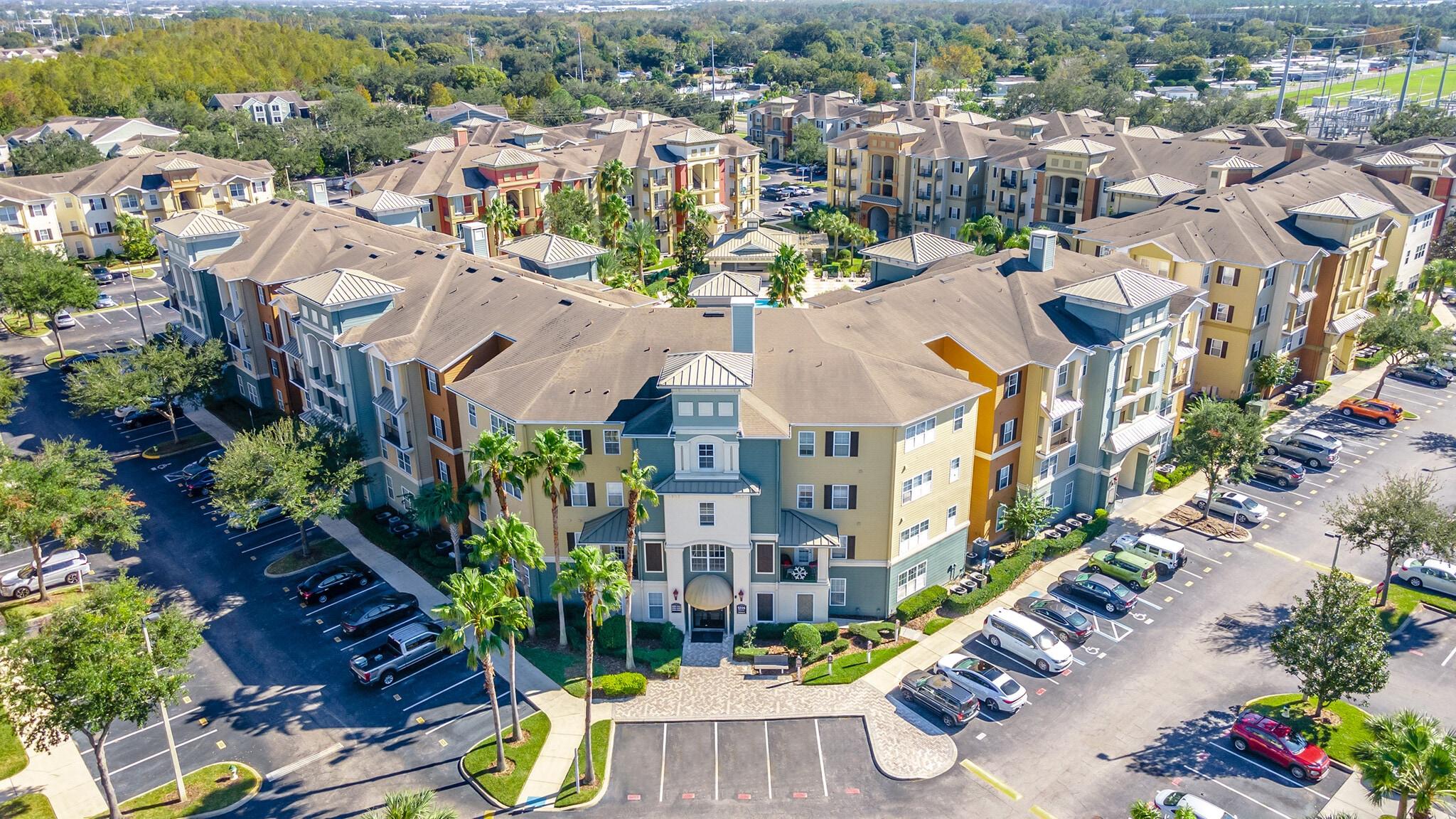
Navigating rental property management in Orlando, FL can be both rewarding and complex. Orlando’s rental market remains strong with consistent demand driven by tourism, universities, healthcare, and ongoing population growth, creating a steady stream of potential renters looking for quality housing. With an affordable tax structure and no state income tax, many investors see Orlando as a prime place for real estate investment, but success depends largely on how well you manage your properties and comply with Florida’s landlord-tenant laws.
As you consider property ownership in this competitive market, you may be asking key questions like:
- What legal duties and disclosures are required under Florida landlord-tenant law?
- How does rental property management in Orlando, FL ensure compliance with habitability and safety standards?
- What practices help protect your investment, reduce vacancies, and increase tenant satisfaction?
- How do security deposits and rent collection work legally in Florida?
This guide answers these questions and more, providing both legal clarity and practical steps you can take as a landlord or property manager. Whether you self-manage your rentals or partner with a professional property management company, this guide is designed to help you protect your assets, stay lawful, and optimize performance in Orlando’s unique rental environment.
Also Read: How Landlords Can Adapt to New York’s Algorithmic Rent Tool Ban

Florida’s Legal Framework for Property Management
Florida Residential Landlord-Tenant Act
Rental relationships in Orlando fall under the Florida Residential Landlord and Tenant Act (Chapter 83 of the Florida Statutes), which sets out the rights and responsibilities for landlords and tenants alike. These laws apply across the state, meaning local rent control ordinances do not supersede them and in fact, Florida law explicitly prohibits cities like Orlando from imposing rent control.
Under this act, lease agreements can be written or, in limited cases, oral (typically for agreements less than one year), but written leases are strongly recommended to reduce disputes. Both landlords and tenants are expected to act in good faith under any agreement.
Landlord Responsibilities in Orlando
Proper rental property management in Orlando, FL begins with understanding and fulfilling statutory duties. These duties are designed to ensure safe, habitable housing and transparent business practices.
#1. Habitability and Maintenance
Landlords must maintain the property in compliance with health and safety codes. This includes ensuring:
- Working plumbing and electrical systems
- Adequate smoke detectors and security features
- Structural integrity and pest control
- Proper sanitation and waste disposal systems
Florida law expects landlords to address repair requests within a reasonable timeframe after notification and to comply with local building and health codes.
#2. Property Access and Privacy
While Florida does not prescribe a specific minimum notice time for landlord entry, the widely accepted practice (and reflected in local property management guidance) is to provide at least 12 hours’ notice and conduct entry during reasonable hours (typically between 7:30 a.m. and 8:00 p.m.), unless it’s an emergency.
Also Read: How Predictive Analytics Is Shaping the Future of Tenant Screening
#4. Security Deposits: Legal Handling and Timelines
One of the most detailed aspects of rental property management in Orlando, FL involves handling security deposits under Florida law (Fla. Stat. § 83.49). Landlords may collect deposits without a legal cap, but they cannot use those funds until the tenant’s lease ends.
How Deposits Must Be Held
Deposits must be kept:
- In a separate non-interest-bearing account, or
- In an interest-bearing account (tenant may receive part of the interest), or
- Through a surety bond with a clerk of the circuit court
The landlord must provide written notice to the tenant within 30 days of holding the deposit, detailing where the funds are kept.
Return of Deposits
After the tenancy ends:
- If no claim is made, the deposit must be returned within 15 days.
- If the landlord intends to make a claim for damages or unpaid rent, they must provide written notice within 30 days; the tenant then has a period (generally 15 days) to object in writing.
Failing to follow these timelines can result in the landlord forfeiting the right to withhold any portion of the deposit. This strict regime underscores the importance of accurate documentation and transparent communication.
Required Disclosures and Tenant Rights
As part of rental property management in Orlando, FL, landlords must provide several disclosures before a lease is signed:
- The identity and address of the property owner or authorized agent.
- Information about where the security deposit is held and whether it earns interest.
- Federally mandated disclosures, such as lead-based paint and radon gas risks if applicable.
Tenants, in return, have the right to a safe, habitable home, to privacy, and to written notice before changes to the lease or entry for non-emergency reasons. These protections help balance landlord authority with tenant rights in Orlando’s rental market.
Tenant Screening and Fair Housing Compliance
An essential part of successful rental property management in Orlando, FL is tenant screening. The United States Department of Housing and Urban Development states that a landlord cannot discriminate against protected classes of people as they are shopping for rental housing, to purchase a house or a mortgage.
Florida landlords and property managers can assess potential tenants through background checks and credit reports, but they must comply with the federal Fair Housing Act and Florida anti-discrimination law (Chapter 760), which prohibit discrimination based on protected classes such as race, religion, sex, familial status, disability, and more.
Applying screening criteria consistently and documenting decisions can protect landlords from discrimination claims while improving the quality and stability of tenant placements.
Also Read: 10 Best Rental Management Companies in the US 2026
Rent Collection Best Practices
Although Florida law does not mandate a grace period for late payments, landlords can include terms for late fees in the lease agreement. Effective rental property management in Orlando, FL involves clear, enforceable rent terms and consistent application of late fees when specified.
Property management software like Platuni help reduce missed payments and improve cash flow. Whether landlords choose online portals, ACH transfers, or recurring autopay structures, simplifying rent collection benefits both owner and tenant by reducing misunderstandings and improving financial tracking.
Evictions and Legal Process
Florida landlord-tenant law requires landlords to follow strict legal procedures when pursuing eviction, which must be done through the court system rather than self-help methods (like changing locks or shutting off utilities). This means providing proper notice, filing in the appropriate court, and obtaining a judgment before a tenant may be removed.
While Orlando does not have additional local eviction rules, statewide eviction processes must be carefully followed to avoid legal challenges and potential liability.
Avoiding Common Landlord Mistakes
Effective rental property management in Orlando, FL also means avoiding common pitfalls:
- Setting unrealistic rents that slow leasing and reduce income.
- Mishandling security deposits or failing to issue required notices.
- Entering the property without appropriate notice.
- Violating fair housing protections during tenant selection.
These mistakes can lead to legal disputes, fines, and damaged renter relations underscoring why many property owners partner with professional management firms to stay compliant and efficient.
Professional Property Management: Why It Matters
Managing rental properties in Orlando can be operationally and legally demanding. Professional property management companies help landlords navigate:
- Complex legal requirements
- Rent collection and financial reporting
- Maintenance coordination
- Tenant screening and retention strategies
- Compliance with state and federal laws
A strong management partner reduces risk, saves time, and often improves net returns, making it a worthwhile investment for many property owners.
Orlando Market Snapshot
Orlando’s rental market continues to show strong demand with a relatively low vacancy rate, a diverse renter base from students to young professionals, and steady population growth contributing to consistent rental needs. Even without local rent control, landlords should price competitively and manage turnover strategically to maintain occupancy and maximize income.
Conclusion
Rental property management in Orlando, FL combines legal compliance with strategic operations. From habitability standards and security deposit handling to fair housing compliance and eviction procedures, the regulatory landscape is clear but detailed. Mastery of these rules not only protects you legally, but also strengthens your investment returns and tenant satisfaction.
Whether you self-manage or employ professional assistance, understanding Florida statutes and Orlando market dynamics is critical to long-term success as a landlord. With the right knowledge, systems, and support, you can confidently navigate the challenges of rental property ownership and realize the full potential of your Orlando investments.
Also Read: How Platuni Bridges the Gap Between Landlords and Institutions
Frequently Asked Questions About Rental Property Management in Orlando, FL
Is rental property management in Orlando, FL subject to rent control laws?
Rental property management in Orlando, FL is not subject to rent control. Florida state law prohibits local governments from implementing rent control unless approved by voters during a declared housing emergency, which is rare.
How much notice must landlords give before entering a rental property in Orlando?
Florida law requires landlords to provide reasonable notice before entry, except in emergencies. In practice, most Orlando property managers give at least 12 hours’ notice and enter during reasonable hours.
How long does a landlord have to return a security deposit in Orlando?
For rental property management in Orlando, FL, landlords must return the full security deposit within 15 days if no deductions are made. If deductions apply, written notice must be sent within 30 days of lease termination.
Can a landlord evict a tenant without going to court in Orlando?
No. Orlando landlords must follow Florida’s legal eviction process, which requires proper notice and a court judgment. Lockouts, utility shutoffs, or forced removals without a court order are illegal.
Stay Informed
Subscribe to the Platuni B2B Newsletter to receive industry insights,
new feature announcements, and exclusive growth reports
Related Posts

SEPTEMBER 22, 2026
How to Build a Rental Maintenance Workflow From Request to Completion
Defines what should happen after a maintenance request comes in, logging, prioritizing, assigning, verifying, and documenting the repair through to completion.
Learn more
SEPTEMBER 22, 2026
QuickBooks vs Property Management Software for Rental Properties
Explains why QuickBooks and property management software solve different problems, and when a landlord needs one, the other, or both.
Learn more