
Property Management & Operations
Landlord Policy Insurance Quote | What You Need To Know
by Platuni | 11 Jan, 2026 | 7 mins read
Platuni
11 January, 2026
7 mins read

Owning rental property brings opportunity and risk, especially when unexpected events happen. A landlord policy insurance quote helps you understand how much it will cost to protect your investment, rental income, and assets each year. Most landlords in the U.S. pay between roughly $2,100 and $4,000 per year for rental property insurance, though some pay less or more depending on coverage, location, and property type. This figure is on average about 15% to 25% higher than standard homeowners insurance, reflecting the extra risks of renting out a property.
Renters and landlords alike often ask important questions before requesting a landlord policy insurance quote, such as:
- What coverage options should I include in my landlord policy insurance quote?
- How do factors like location, property value, and tenant type affect my quote cost?
- Where can I find accurate and competitive landlord policy insurance quotes without hassle?
You’re in the right place. This guide breaks down what you need to know about obtaining a landlord policy insurance quote, how insurance works for rental properties, and ways to compare quotes easily so you get coverage that fits your budget and risk profile. We help landlords, property managers, and rental investors make better decisions about managing their properties, including understanding key costs like insurance. Stick with us to make your next landlord policy insurance quote simple, clear, and confidence-building.
Also See: Should You Form an LLC for Rental Property? | Full Guide
What is a Landlord Policy Insurance Quote?
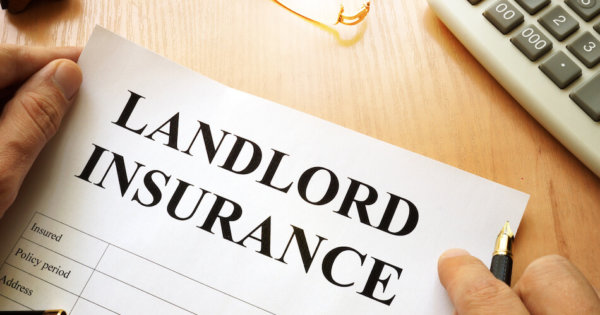
A landlord policy insurance quote is an estimate that shows how much it will cost to insure a rental property. This quote is provided by an insurance company after reviewing details about the property, the location, and how the rental is used. It helps landlords understand the expected yearly or monthly premium before buying a landlord insurance policy.
A landlord policy insurance quote usually covers more than regular homeowners insurance. It is designed specifically for rental properties and often includes protection for the building, liability coverage if a tenant or visitor gets injured, and loss of rental income if the property becomes unlivable due to a covered event. Insurance providers calculate the quote based on factors such as property value, location, number of units, and coverage limits.
In the U.S., landlord insurance policies and quotes are regulated at the state level, with guidance from bodies like the National Association of Insurance Commissioners (NAIC), which helps ensure fair insurance practices across states.
Also See: What is an Efficiency Apartment? | Rental Efficiency
A Good Example of a Landlord Policy Insurance Quote
Below is a simple example of what a landlord policy insurance quote may look like for a single-family rental property:
| Coverage Type | Coverage Amount | Estimated Annual Cost |
|---|---|---|
| Dwelling coverage | $300,000 | Included |
| Liability coverage | $1,000,000 | Included |
| Loss of rental income | $30,000 | Included |
| Deductible | $1,000 | — |
| Total Annual Quote | — | $2,400 per year |
This example falls within the common U.S. range, where landlord insurance often costs 15%–25% more than standard homeowners insurance, depending on risk and coverage level. According to HomeGuide, many landlords pay between $2,100 and $4,000 per year for landlord insurance on average
We help landlords better understand property costs, risks, and planning decisions, making it easier to evaluate quotes like these and manage rental properties with confidence.
Also See: Boosting Tips For Overworked Landlords | Landlord Productivity Hacks
What Factors Affect the Cost of Landlord Insurance?
The cost of landlord insurance is not the same for every property. Insurance companies look at several risk factors before giving a price. These factors help them decide how likely it is that a claim will happen.
Here are the main factors that affect the cost of landlord insurance:
- Type of property: Single-family homes, apartments, condos, and short-term rentals all have different risk levels. For example, short-term rentals usually cost more to insure due to frequent tenant changes.
- Property location: Properties in high-crime areas or regions prone to floods, hurricanes, or wildfires often have higher insurance rates.
- Property value: Higher-value properties cost more to rebuild or repair, which increases insurance premiums.
- Coverage amount: More coverage for the building, liability, or rental income leads to higher costs.
- Deductible chosen: A higher deductible lowers the premium but increases out-of-pocket costs during a claim.
- Claims history: Previous insurance claims can raise future premiums since insurers see repeated claims as higher risk.
- Credit history: Some insurers use credit-based insurance scores to assess risk. A strong credit history may help lower rates.
- Type of tenants: Student housing or high-occupancy rentals may be seen as riskier than long-term family tenants.
- Lease length: Short-term leases often cost more to insure due to frequent turnover and increased wear and tear.
- Multiple policies with one insurer: Bundling landlord insurance with auto or home insurance may qualify for discounts.
Insurance rules and pricing practices in the U.S. are overseen at the state level with guidance from the National Association of Insurance Commissioners (NAIC).
Also Check Out: Landlord Section 8 Requirements | Complete Compliance Guide
What Is the Difference Between Landlord Insurance and Homeowners Insurance?
Landlord insurance and homeowners insurance serve different purposes, even though they may look similar at first.
| Feature | Homeowners Insurance | Landlord Insurance |
|---|---|---|
| Who it is for | Owner-occupied homes | Rental properties |
| Covers building | Yes | Yes |
| Covers owner’s personal items | Yes | Limited or none |
| Covers rental income loss | No | Yes |
| Covers tenant-related risks | No | Yes |
Homeowners insurance is designed for people living in their own homes. Many policies do not cover rental activity due to higher risk. Some insurers may allow occasional room rentals, but approval is required.
Landlord insurance is built for non-owner-occupied properties. It covers tenant-related risks and often includes loss of rental income. Due to higher exposure, landlord insurance typically costs about 20%–25% more than homeowners insurance.
Difference Between Replacement Cost and Market Value
Many landlords make costly mistakes when choosing insurance because replacement cost and market value are not the same thing.
Replacement cost means the amount of money needed to repair or rebuild your rental property after damage, using similar materials and current labor costs. Construction prices, building materials, and local labor rates all affect this amount.
Market value means how much the property could sell for in today’s real estate market. This value includes land price, location, and demand, not just the building itself.
A property may have a high market value but a lower replacement cost, or the opposite. Insurance companies focus more on replacement cost, not market value, when paying claims. That is why choosing the right coverage amount is very important.
The National Association of Insurance Commissioners (NAIC) advises property owners to insure based on rebuilding costs rather than sale value
Also Read: Landlord Bookkeeping Software: How to Track Rental Income and Expenses
How To Choose the Right Policy Form: DP1 vs. DP2 vs. DP3
Landlord insurance policies often come in three main forms. Each offers a different level of protection.
| Policy Type | Coverage Style | What It Covers |
|---|---|---|
| DP1 | Basic / Named Perils | Covers limited risks like fire and lightning |
| DP2 | Extended / Named Perils | Covers more risks than DP1, including wind and theft |
| DP3 | Open Perils / Special Form | Covers most risks unless specifically excluded |
DP1 and DP2 policies only cover risks listed in the policy. These are often cheaper but leave many gaps in protection. DP1 policies usually pay actual cash value (ACV), which subtracts depreciation from claims.
DP3 policies offer broader protection and usually pay replacement cost, meaning repairs are covered at today’s prices. DP3 policies often include liability coverage and loss of rental income, making them a safer option for long-term landlords.
Also See: Zillow Rental Manager Alternatives to Try | Best Apps
How To Get a Landlord Policy Insurance Quote
Getting a landlord policy insurance quote is an important step in protecting your rental property. A quote shows how much an insurance company will charge you based on the value of your property and the coverage you choose. Follow these steps to get accurate quotes and compare options:
Step-by-Step Guide to Getting a Quote
#1. Gather Property Details
Prepare key information about your rental property, such as:
- Property address and type (single-family, multi-unit, condo)
- Year built
- Estimated replacement cost
- Current condition and renovations
- Number of tenants and lease type
Having accurate data helps insurance companies estimate risk and provide a better landlord policy insurance quote.
#2. Decide What Coverage You Need
Consider basic protections such as:
- Dwelling coverage (building structure)
- Liability protection
- Loss of rental incomeOptional coverages may include flood insurance, sewer backup, vandalism protection, and pet liability endorsements.
#3. Use Online Quote Tools
Many major insurers let you request a landlord policy insurance quote online. You can compare prices and coverage quickly without phone calls.
Examples of companies with online quote tools:
#4. Contact Local Agents
An independent insurance agent can help you compare multiple quotes from different companies at once. Local knowledge may also help identify region-specific risks like flood zones, crime rates, or weather threats.
#5. Review and Compare Quotes
After you receive multiple quotes, compare:
- Annual premium
- Coverage limits
- Deductibles
- Exclusions and endorsements
- Customer service reviews
Choose the policy that gives you the best protection at a price that fits your budget.
Also Read: The Benefits of Cultural Exchange in A Globalized Workplace
Tips for a Better Insurance Quote
- Ensure the replacement cost is accurate rather than using market value. Insurance companies pay based on replacement cost, not sale price.
- Bundle your landlord policy with auto or other insurance policies to get discounts.
- Maintain a good credit score, some insurers use credit history to help determine rates.
What Are Some Common Exclusions in Landlord Insurance Policies?
Landlord insurance offers strong protection, but it does not cover every possible risk. Understanding common exclusions helps landlords avoid surprises when filing a claim and plan for extra coverage where needed.
#1. Flood Damage
Flood damage is one of the most common exclusions. Standard landlord insurance policies usually do not cover floods caused by heavy rain, overflowing rivers, or storm surges. Properties in flood-prone areas often require a separate flood insurance policy, which is commonly offered through the National Flood Insurance Program (NFIP) in the U.S.
#2. Earthquake Damage
Earthquake damage is also typically excluded. Cracks to foundations, walls, or structures caused by earthquakes are not covered unless a separate endorsement or policy is added. This exclusion is especially important for landlords in states like California.
#3. Sewer or Drain Backup Damage
Sewer or drain backup damage is another frequent exclusion. Water damage caused by blocked drains or backed-up sewer lines may not be covered unless additional coverage is purchased. Repair costs from this type of damage can be very expensive.
Also Read: The Importance of Joining Clubs and Organisations
#4. Landlord Negligence
Landlord negligence is not covered in most policies. Damage caused by poor maintenance, ignored repairs, or safety hazards may result in denied claims. Insurance companies expect landlords to maintain safe and habitable properties.
#5. Tenant-Caused Damage
Tenant-caused damage may be excluded or limited. Normal wear and tear is never covered, and some policies also exclude intentional damage caused by tenants unless extra protection is added.
#6. Criminal Acts
Criminal acts such as vandalism, theft, or illegal activity may be excluded depending on the policy terms, especially if the property is vacant.
Insurance policies are regulated at the state level under guidelines from the National Association of Insurance Commissioners (NAIC). Tools like Platuni help landlords track property conditions, maintenance history, and tenant activity, reducing risk and supporting stronger insurance protection decisions.
Also Read: Best Bill Splitting Apps for Roommate Management
Should I Purchase Additional Coverage for My Rental Property?
Many standard landlord insurance policies do not cover every possible risk. That is why purchasing additional coverage is often a smart move when requesting a landlord policy insurance quote. Optional coverages are usually affordable and can protect against losses that would otherwise come directly from your pocket.
Extra coverage may include flood insurance, sewer or water backup protection, vandalism coverage, or loss of rental income. Properties located in flood-prone or high-risk areas benefit the most from these add-ons. The National Flood Insurance Program (NFIP) reports that just one inch of floodwater can cause over $25,000 in damage to a property.
Before finalizing a landlord policy insurance quote, insurance agents usually recommend reviewing optional riders and asking clear questions about what is excluded. State insurance departments, under guidance from the National Association of Insurance Commissioners (NAIC), encourage landlords to fully understand coverage limits before claims occur.
Do I Need Special Landlord Insurance if I Have Tenants with Pets?
Tenants with pets can increase insurance risk. Many landlord policies limit or exclude damage caused by animals, so additional coverage may be needed.
Helpful risk-reduction steps include:
- Requiring a signed pet agreement
- Collecting a refundable pet deposit
- Requesting proof of renter’s liability insurance
- Limiting high-risk or aggressive breeds
- Scheduling regular property inspections
Some insurers offer pet liability endorsements that can be added to a landlord policy insurance quote for better protection.
How Often Should I Review My Landlord Insurance Policy?
Landlord insurance should be reviewed at least once a year, usually at renewal time. Reviews are also important after renovations, rent increases, or changes in local construction costs.
Building materials and labor prices often change yearly. The U.S. Bureau of Labor Statistics shows steady increases in construction costs over time
Reviewing your landlord policy insurance quote regularly ensures coverage limits still match replacement costs. We help landlords track property updates, tenant changes, and insurance needs, making reviews easier and more accurate.
Also Read: Top 10 Best Student Housing Management Software
How Can I Save Money on Landlord Insurance?
Saving money on landlord insurance does not mean compromising protection. With smart choices, landlords can lower their premiums while still securing comprehensive coverage. When requesting a landlord policy insurance quote, consider these strategies:
- Increase your deductible: Choosing a higher deductible lowers your annual premium. Just ensure you can cover the deductible if a claim arises.
- Maintain your property: Keeping your property in good repair, updating electrical, plumbing, and safety systems, can qualify you for “well-maintained property” discounts.
- Bundle policies: If you own multiple rental properties, insuring them with the same provider often results in multi-policy discounts.
- Shop around and compare quotes: Comparing rates from multiple insurance companies ensures you get the best price for the coverage you need.
Insurance experts estimate that landlords who compare quotes regularly can save up to 20% annually on premiums without reducing coverage quality.
Platuni make this process easier for landlords and property managers. While Platuni is primarily a property management platform, it helps landlords track maintenance, document property details, and plan insurance needs, making it simpler to request accurate landlord policy insurance quotes and avoid unnecessary costs.
Using these strategies not only saves money but also ensures that your rental property is adequately protected. Smart insurance planning with tools like Platuni gives landlords peace of mind, reduces financial risk, and allows for smoother property management operations.
Try Downloading the Platuni Property Manager App Today!
Frequently Asked Questions About Landlord Policy Insurance Quote
What is a landlord policy insurance quote?
A landlord policy insurance quote is an estimate of how much it will cost to insure your rental property. It includes coverage for the building, liability, and sometimes loss of rental income. The quote helps landlords plan their budget before buying a policy.
How do I get a landlord policy insurance quote?
You can request a quote online from insurance companies like State Farm, Allstate, or Liberty Mutual, or contact a local insurance agent. Providing accurate property details, tenant information, and coverage needs ensures a precise quote. Platuni also help landlords gather this information efficiently.
Can I save money on a landlord policy insurance quote?
Yes. Landlords can save by raising their deductible, maintaining the property, bundling multiple policies, or comparing multiple quotes. Regular review of your coverage can also identify cost-saving opportunities.
Does landlord insurance cover tenants with pets?
Standard landlord policies often exclude pet-related damage. Optional coverage or a pet liability rider may be required. Landlords should also enforce pet addendums and deposits to reduce risk.
How often should I review my landlord policy insurance quote?
Review your quote whenever you renew your policy, make property improvements, or if market construction costs change. This ensures your coverage limits match replacement costs and tenant risks.
Stay Informed
Subscribe to the Platuni B2B Newsletter to receive industry insights,
new feature announcements, and exclusive growth reports
Related Posts

SEPTEMBER 22, 2026
How to Build a Rental Maintenance Workflow From Request to Completion
Defines what should happen after a maintenance request comes in, logging, prioritizing, assigning, verifying, and documenting the repair through to completion.
Learn more
SEPTEMBER 22, 2026
QuickBooks vs Property Management Software for Rental Properties
Explains why QuickBooks and property management software solve different problems, and when a landlord needs one, the other, or both.
Learn more