
Technology & Automation
Landlord Bookkeeping Software: How to Track Rental Income and Expenses
by Platuni | 08 Jan, 2026 | 15 mins read
Platuni
08 January, 2026
15 mins read

Owning rental property can be a powerful way to build long-term wealth. But behind every profitable portfolio is one unglamorous task that determines success or failure: bookkeeping. Tracking rental income, monitoring expenses, preparing tax records, and understanding cash flow are not optional; they are the foundation of smart property management.
Yet many landlords still rely on spreadsheets, notebooks, or memory. Rent payments are mixed with personal finances. Receipts get lost. Maintenance costs aren’t categorized. And when tax season arrives, everything becomes a scramble.
This is where landlord bookkeeping software changes the game.
Today’s landlord bookkeeping software are designed specifically for rental property owners. They automate transaction tracking, categorize expenses, generate tax-ready reports, and give landlords a real-time picture of their financial health. Whether you manage one unit or fifty, the right software can turn financial chaos into clarity.
Let's explore how landlord bookkeeping software helps track rental income and expenses, what features to look for, and how to build a reliable system that keeps properties profitable, compliant, and stress-free.
Why Tracking Rental Income and Expenses Matters
Bookkeeping is not just about keeping records for the sake of organization. It plays a direct role in your profitability, legal compliance, and long-term growth as a landlord. When your income and expenses are tracked properly, you gain a clear picture of how your rental business is performing and where improvements are needed.
Accurate records allow you to measure cash flow with confidence, identify which properties are profitable and which ones are underperforming, prepare for taxes without last-minute stress, avoid missed deductions, plan ahead for repairs and upgrades, and stay compliant with financial and regulatory requirements.
Poor record-keeping creates the opposite effect. It often leads to overpaying taxes, miscalculating profits, making poor budgeting decisions, missing rent payments, and experiencing confusion during audits or when selling a property. Simply put, if you do not know exactly where your money is coming from and where it is going, you are managing your business in the dark and this is where landlord bookkeeping software comes into play.
Also Read: How to Leverage the Power of Networking for Career Growth
What Is Landlord Bookkeeping Software?
Landlord bookkeeping software are digital tools designed specifically for rental property owners to track income, expenses, and overall financial performance by property or unit. Unlike general accounting software, these softwares are built around the unique needs of landlords.
They typically include features such as property-level income tracking, rent payment records, maintenance and repair expense categories, tax-ready reports, and financial summaries for owners and tenants. Instead of manually entering transactions into spreadsheets, the software connects directly to your bank accounts, records transactions automatically, and organizes everything into clear, easy-to-read reports.
To understand how landlord bookkeeping software works, it helps to separate rental finances into two main areas: income and expenses.
Rental income, this includes
- Monthly rent payments
- Late fees
- Pet fees
- Parking or storage fees
- Application fees (in some regions)
- Laundry or utility reimbursement
Rental expenses, this includes:
- Mortgage payments (interest portion)
- Property taxes
- Insurance
- Maintenance and repairs
- Utilities (if landlord-paid)
- Property management fees
- Advertising and tenant screening costs
- Legal and accounting fees
- Depreciation (for tax purposes)
Landlord bookkeeping software tracks both sides automatically, ensuring that all finances are categorized correctly and accounted for.
Also Read: How To Make Your Space Feel Like Home | Living in Shared Housing
How Landlord Bookkeeping Software Tracks Rental Income
Most landlord bookkeeping software integrates directly with your bank account or rent collection system. When a tenant pays rent, the software automatically records the transaction, links it to the correct property and tenant, categorizes it as rental income, and updates your monthly and yearly totals. There is no manual data entry and no risk of forgetting payments. At any time, you can see who has paid, who is late, and how much income each property is generating.
Another major advantage is property-level organization. Many landlords make the mistake of lumping all income together, which makes it difficult to evaluate performance. Landlord bookkeeping software separates income by property, unit, tenant, and time period. This allows you to see which properties generate the highest cash flow, which units have recurring payment issues, and how seasonal trends affect income. Decisions are based on real data rather than guesswork.
Landlord bookkeeping software also tracks late fees, reimbursements, and additional charges as separate income categories. Late fees appear independently from rent, utility reimbursements are categorized correctly, and parking or storage fees show up as distinct line items. This level of detail ensures your financial reports reflect the full picture of your business.
How Bookkeeping Software Tracks Rental Expenses
Manual expense tracking is where many landlords struggle. Receipts get lost, bank statements become confusing, and months later it is difficult to remember what a charge was for. Landlord bookkeeping software solves this problem through automation and organization.
When you connect your business bank account, every transaction is imported automatically to a landlord bookkeeping software. Maintenance payments, contractor invoices, utility bills, mortgage payments, and insurance charges all appear in your dashboard, ready to be reviewed and categorized.
Most landlord bookkeeping software also use intelligent rules to categorize expenses. For example, a charge from a plumbing company is labeled as “Repairs and Maintenance,” insurance payments are categorized under “Insurance,” and property tax payments are placed under “Taxes.” You can customize these rules so future transactions are sorted automatically, reducing both manual work and errors.
Good landlord bookkeeping software also allows you to upload and attach receipts or invoices to each transaction. You can take a photo of a receipt, upload a PDF invoice, and store everything digitally. This creates a paperless system that keeps documentation organized and accessible for audits or reviews.
Just like income, expenses are tracked by property and unit. This makes it easy to see which properties have higher maintenance costs, where utilities are cutting into profits, and which units might benefit from upgrades that reduce long-term expenses. With this insight, budgeting and renovation decisions become more strategic.
Also Read: The Dos and Don’ts of Networking at Industry Events
Generating Financial Reports
One of the biggest advantages of landlord bookkeeping software is instant reporting. Instead of building spreadsheets manually, you can generate professional financial reports in seconds. These reports provide clarity, control, and confidence.
Common reports include profit and loss statements that show income, expenses, and net profit for each property or your entire portfolio. Cash flow reports track how much money comes in versus how much goes out over a given period. Expense summaries break down costs by category, such as repairs, taxes, insurance, and utilities. Tax-ready reports organize income and deductible expenses into formats required by tax authorities.
How Landlord Bookkeeping Software Helps at Tax Time
Tax season is where accurate bookkeeping truly pays off. Rather than sorting through bank statements and piles of receipts, your software summarizes income by property, lists deductible expenses by category, prepares year-end reports for your accountant, and reduces the risk of missed deductions.
You no longer have to guess how much you spent on repairs or how much rental income you earned. Everything is documented, categorized, and ready to submit. For landlords in countries such as the United States, Canada, or the United Kingdom, this can result in significant savings and fewer compliance risks.
Manual Bookkeeping vs Software: A Clear Comparison
| Task | Manual Tracking | Bookkeeping Software |
|---|---|---|
| Recording rent | Manual entry | Automatic |
| Categorizing expenses | Time-consuming | Automated |
| Storing receipts | Paper files | Digital uploads |
| Generating reports | Spreadsheet work | One-click reports |
| Tax preparation | Stressful | Tax-ready summaries |
| Error risk | High | Low |
Best Practices for Using Bookkeeping Software Effectively
Even the best landlord bookkeeping software works best when paired with good habits. To get the most value from your system:
- Use a dedicated bank account for your rental business to keep records clean and accurate.
- Review transactions weekly so errors are caught early and your books stay current.
- Attach receipts immediately to create a strong audit trail.
- Categorize transactions consistently to maintain reliable reports.
- Reconcile accounts monthly by comparing your software records with bank statements.
Also Read: How to Avoid Burnout While Pursuing Career Growth
Who Should Use Landlord Bookkeeping Software?
New landlords benefit from building strong financial habits from the beginning. Self-managing landlords rely on software to track everything without a property manager. Owners with growing portfolios find that manual bookkeeping becomes impractical as the number of units increases. Remote property owners also benefit from digital systems that provide transparency and control from anywhere.
Try Downloading the Platuni Property Manager App Today!
Common Mistakes Landlord Bookkeeping Software Helps Prevent
By automating tracking and organization, landlord bookkeeping software helps prevent issues such as forgetting small expenses that add up over time, mixing personal and rental finances, losing receipts and invoices, underreporting deductions, misjudging profitability, and falling behind on financial reviews.
How to Choose the Right Landlord Bookkeeping Software
When selecting a landlord bookkeeping software, consider the size of your portfolio and whether you need simple tools or advanced reporting. Look for strong integration options such as bank syncing and rent collection. Make sure the software offers clear profit and loss statements, expense summaries, and tax-ready reports. Ease of use is essential, because if a system is complicated, you are unlikely to use it consistently. Finally, weigh cost against value. Free tools may be sufficient for beginners, but paid platforms often provide deeper insights and automation.
Popular Software Options
- For Small Portfolios (1-50 units):
- Stessa: Great for individual investors, simple, offers free basic plan, focuses on single-entry bookkeeping and reports.
- Avail: All-in-one for DIY landlords, includes listings, screening, rent collection, and accounting.
- REI Hub: Pure accounting focus, good for mixed portfolios (short/long-term rentals).
- For Larger Portfolios (20+ units) or Full Management:
- Integrated Banking/Bookkeeping:
- Baselane: All-in-one platform with built-in banking, rent collection, and E-categorization for taxes.
Also Read: Cross-Cultural Friendship at Work: Navigating Social Norms
The Long-Term Impact on Your Rental Business
Landlord bookkeeping software does more than track money. It changes how you manage your business. With accurate data, you can set realistic budgets, plan renovations based on return on investment, identify underperforming properties, optimize rent pricing, and confidently expand your portfolio. Instead of reacting to financial problems, you become proactive and strategic.
Conclusion
Tracking rental income and expenses is not just an administrative task; it is the foundation of a profitable rental business. Without clear records, landlords face financial blind spots, missed deductions, and unnecessary stress.
Landlord bookkeeping software offers a smarter approach. By automating income tracking, categorizing expenses, storing receipts, and generating real-time reports, it provides clarity, control, and confidence. Whether you manage one property or an entire portfolio, the right software turns bookkeeping from a burden into a strategic advantage. If you want a rental business that grows sustainably, stays compliant, and remains profitable, proper bookkeeping is not optional, it is essential.
Also Read: How Your Social Life Impacts Career Satisfaction and Longevity
Frequently Asked Questions
What is landlord bookkeeping software?
It is a digital tool that helps landlords track rental income, expenses, and financial performance in an organized, automated system.
Can I use spreadsheets instead of software?
Spreadsheets work for very small portfolios, but they are time-consuming, prone to errors, and lack automation, reporting, and tax features.
Does bookkeeping software replace an accountant?
It simplifies financial tracking and reporting, but complex tax planning or legal advice may still require a professional.
Is it safe to connect my bank account?
Most platforms use secure encryption and read-only access to protect your data.
How often should I update my records?
With automated syncing, records update daily. You should review them weekly or monthly for accuracy.
Stay Informed
Subscribe to the Platuni B2B Newsletter to receive industry insights,
new feature announcements, and exclusive growth reports
Related Posts
SEPTEMBER 21, 2026
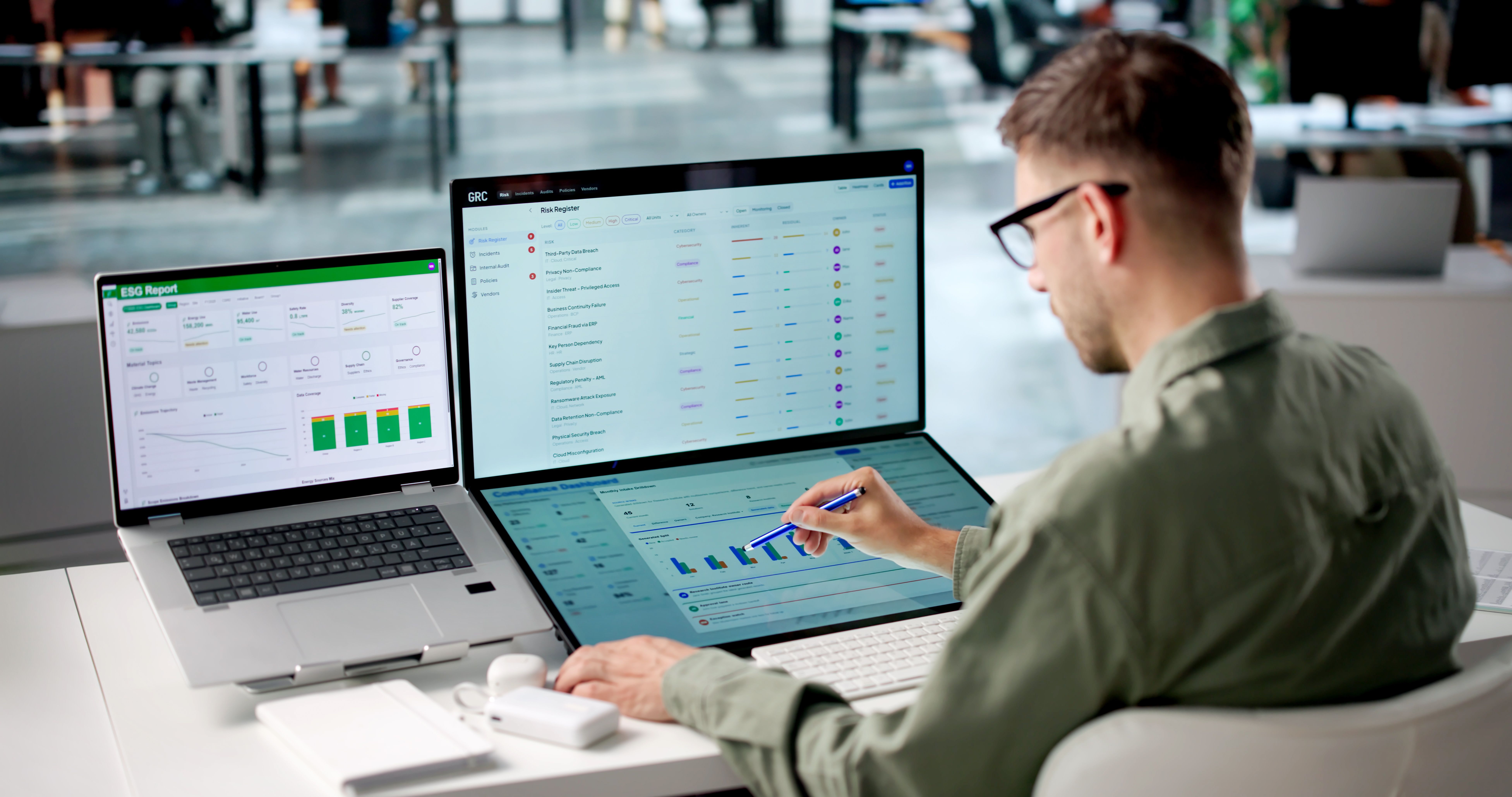
How to Automate Rental Property Management: 10 Tasks Landlords Can Stop Doing Manually
Ten repetitive landlord tasks, rent reminders, payment checks, report building, that automation can take over while judgment calls stay with the landlord.
Learn more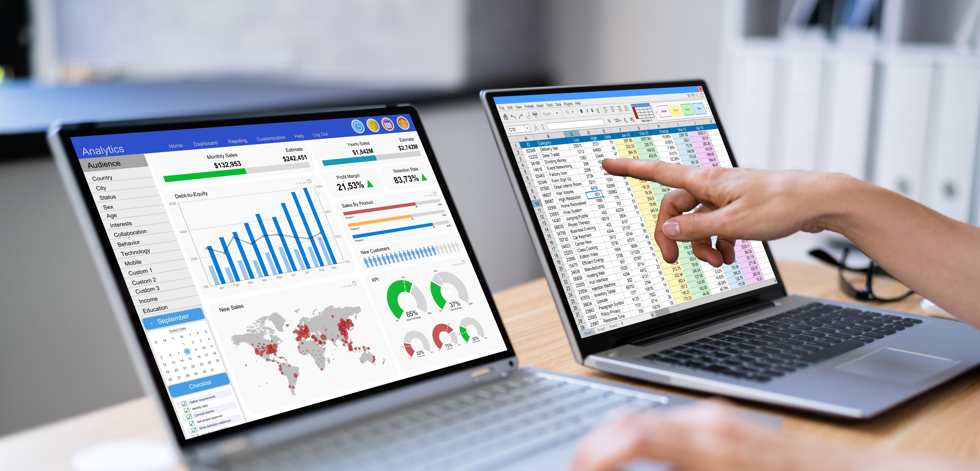
SEPTEMBER 18, 2026
Leasing Automation Software for Property Managers: What It Automates & What It Costs (2026)
Which steps in the leasing workflow are actually worth automating, what that automation costs, and who it isn't worth it for.
Learn more