
Property Management & Operations
Are Landlords Responsible for Snow Removal? Explained
by Platuni | 19 Feb, 2026 | 7 mins read
Platuni
19 February, 2026
7 mins read
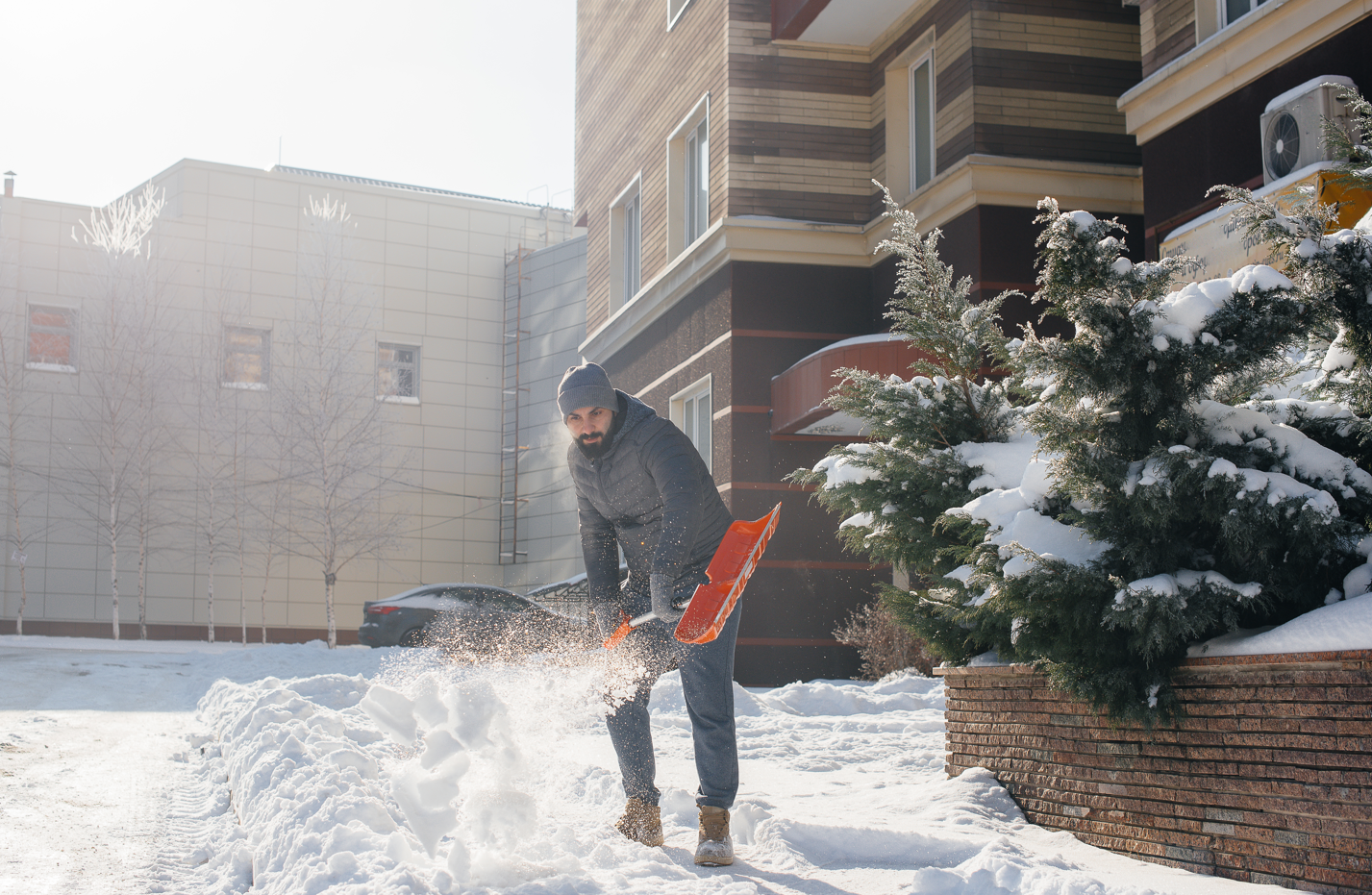
Snow and ice cause thousands of slip-and-fall injuries every year across the United States. According to the National Safety Council, falls account for over 8 million emergency room visits annually, many linked to icy sidewalks and parking lots. That reality makes one question urgent during winter months: are landlords responsible for snow removal? Property owners face serious liability risks when walkways remain untreated, yet tenants often assume maintenance is automatic. This legal gray area can quickly turn into lawsuits, insurance claims, and costly disputes if expectations are unclear. As winter hazards increase, understanding the answer becomes more than helpful, it becomes essential.
That concern naturally raises important questions for both landlords and tenants, such as:
- Are landlords responsible for snow removal under state or local laws?
- Does responsibility change for single-family homes versus multi-unit buildings?
- What happens if a tenant slips on untreated ice?
- Can lease agreements shift snow removal duties to tenants?
- How do insurance policies affect liability outcomes?
These are practical, high-stakes questions that impact safety, legal compliance, and financial protection.
This guide from Platuni breaks down exactly what landlords are responsible for snow removal, using clear legal explanations and real-world examples. We explain how laws differ by location, how lease terms affect responsibility, and how property owners can reduce liability risks before winter storms arrive. Platuni equips landlords with the knowledge and tools needed to manage properties responsibly, prevent disputes, and protect both tenants and investments even when temperatures drop below freezing.
Also Read: Are Landlords Responsible for Pest Control?
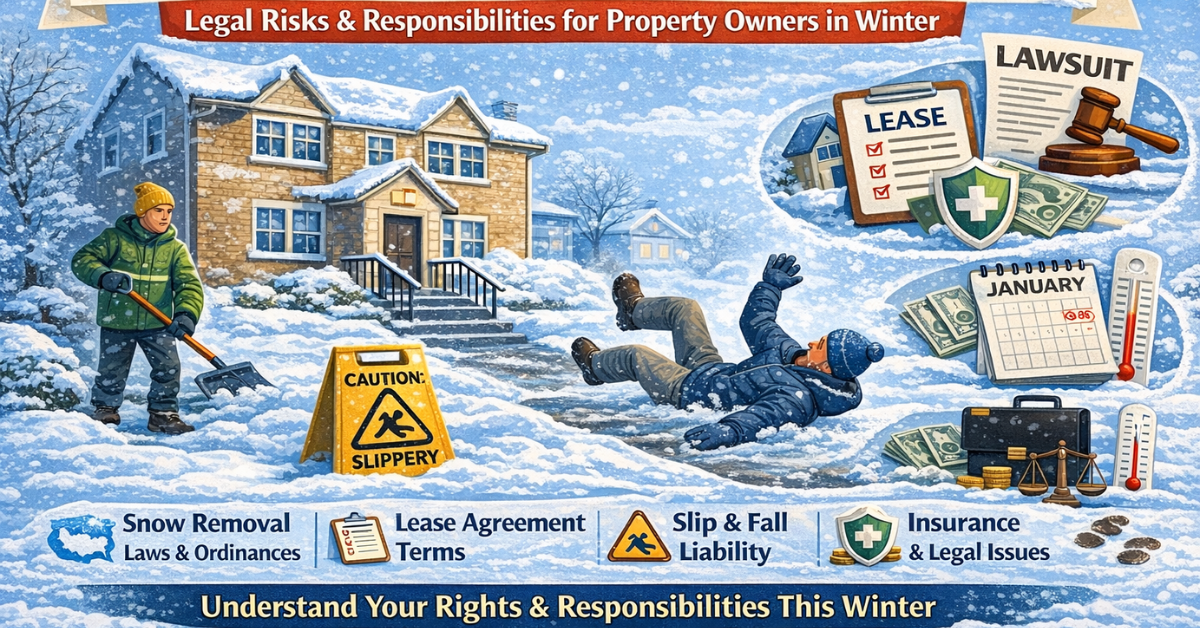
How Responsibility for Snow Removal Is Determined?
Generally, whether landlords are responsible for snow removal depends on three main factors:
- State and local laws
- Lease or rental agreement terms
- Control and “common area” designation
These elements work together to determine who is accountable for clearing snow from sidewalks, driveways, stairs, parking lots, and other property areas.
Municipal and State Laws on Snow Removal
In most parts of the United States, including many cities and towns, local laws govern snow and ice removal, and these laws can shape; are landlords are responsible for snow removal.
Snow removal obligations are usually found in municipal codes rather than state statutes. These local ordinances often say that the property owner or person in charge of the building must clear snow from sidewalks and public walkways within a specified time after a snowfall, typically between 4 and 24 hours.
For example, in many jurisdictions:
- A property owner must clear sidewalks within a set number of hours after a storm ends
- Fines may be issued if snow and ice aren’t removed
- Liability can arise if someone is injured due to uncleared snow
These laws often place legal responsibility directly on the landlord or property owner, even if a lease agreement tries to transfer that duty to a tenant. Landlords should know their local codes and comply to avoid fines or lawsuits.
Lease Agreements and Snow Removal Duties
A lease agreement is one of the most important documents in determining are landlords responsible for snow removal. Because state laws generally do not specifically outline snow removal obligations, the lease often controls who is responsible.
Written snow removal clauses often specify:
- Which areas must tenants clear
- Which areas must landlords or contractors clear
- Timeframes for completing snow removal
- Penalties or expectations for noncompliance
If a lease is clear about snow removal duties, courts may enforce it. However, an ambiguous clause or a lease that contradicts local ordinances can create legal disputes. In some jurisdictions, local laws override lease terms if public safety is at risk.
Also Read: Are Landlords Responsible for Appliances?
Common Law and Liability Considerations
Even if a lease assigns snow removal to tenants, landlords often remain liable for injuries in common areas that they control. Premises liability law generally requires property owners to keep the premises reasonably safe for tenants and visitors. Untreated snow and ice can be considered hazardous conditions, potentially leading to personal injury claims or negligence suits against landlords.
Insurance coverage also plays a role. Landlords typically carry general liability coverage to protect against accidents caused by snow or ice. However, insurers may deny claims if a landlord fails to take “reasonable steps” to maintain safe conditions. This reinforces the idea that; are responsible for snow removal is not just a contractual question, it’s also a safety and liability concern.
Typical Scenarios: Who Is Responsible?
Here are common situations when evaluating is responsible for snow removal:
#1. Multi-Unit Properties and Common Areas
Landlords or property managers are usually responsible for clearing snow in areas used by all tenants, such as shared sidewalks, entryways, parking lots, and community paths. These are considered common areas, and keeping them clear is essential for safety and accessibility.
#2. Single-Family or Duplex Rentals
In single-family rentals or duplexes, responsibility may fall on the tenant unless the lease says otherwise. Some properties designate tenants to handle snow removal in driveways or walkways directly attached to their unit. However, local ordinances or safety obligations may still hold landlords accountable for sidewalk snow near public walkways.
#3. Lease Assigning Responsibility to Tenant
Leases can assign snow removal to tenants for specific areas. While this can be enforceable, landlords often remain responsible for shared or “common” walkways, public sidewalk areas, and stairways used by multiple tenants or visitors. Contracts should be clear about these conditions.
#4. Local Law Overrides Contract Terms
Some cities have strict snow removal rules that make landlords accountable regardless of lease language, especially when public safety is involved. Municipal compliance ensures that sidewalks and public walkways are cleared promptly.
Also Read: Is a Landlord Responsible for an Exterminator? Legal Breakdown
Safety and Liability Risks
Snow and ice don’t just inconvenience tenants; they can also lead to serious injuries. If a landlord fails to remove snow in areas they control, they could be sued for negligence if someone slips and falls. Courts may consider whether the landlord or property owner acted “reasonably” under the circumstances to prevent hazards.
This means that; are landlords' responsibility for snow removal isn't just about contract language, it's also about ensuring safe conditions and reducing legal risk. Landlords should consider hiring professional snow removal services or contractors to ensure timely and effective clearing.
Best Practices for Landlords
Landlords who want to manage snow removal effectively and answer the question are landlords are responsible for snow removal should consider these best practices:
- Review state and local ordinances that specify snow removal timelines and liability requirements.
- Include clear snow removal clauses in leases, with responsibilities and deadlines detailed.
- Maintain liability insurance that covers slip-and-fall incidents on snow or ice hazards.
- Respond promptly to hazardous conditions, documenting removal efforts and communications with tenants.
- Use snow removal contractors to meet legal timelines and standards for safety.
Being proactive helps landlords avoid disputes, fines from municipalities, and potential liability issues.
Conclusion
Answering: are landlords responsible for snow removal requires understanding lease terms, local laws, and common-law safety obligations. Landlords are typically responsible for clearing snow in common areas, walkways, and other spaces they control, especially in multi-unit complexes. In houses or smaller rentals, leases and local codes may shift some duties to tenants, but landlords often remain liable for injuries caused by negligence.
Clear lease language, local ordinance compliance, and reasonable safety practices are key to avoiding disputes over snow and keeping rental properties safe and accessible during winter weather.
Also Read: Is Landlord Responsible for Mold? Laws and Obligations Explained
Frequently Asked Questions About Landlords Responsibility on Snow Removal
Can a landlord make the tenant responsible for snow removal?
Yes, a landlord and tenant can agree in writing that the tenant will handle snow removal for certain areas, such as a private driveway or walkway attached to a single-family rental. However, this agreement must be clear and specific in the lease. Even then, the arrangement does not always eliminate the landlord’s broader safety obligations, especially in common areas or where local ordinances place ultimate responsibility on the property owner.
Who typically clears snow in apartment complexes?
In multi-unit buildings and apartment complexes, landlords or property management companies usually arrange for snow removal. Common areas such as shared sidewalks, entryways, staircases, parking lots, and access ramps are generally under the landlord’s control. Since these areas serve multiple tenants and visitors, maintaining safe access is typically considered part of the landlord’s maintenance responsibility.
Do local laws sometimes override lease snow policies?
Yes, local municipal ordinances can override lease provisions. Many cities require property owners to clear snow from public sidewalks within a specific timeframe after a snowfall ends. Even if a lease states that the tenant is responsible, the municipality may still hold the property owner legally accountable for compliance and impose fines or penalties for failure to clear snow.
What happens if someone slips on uncleared snow?
If someone is injured due to snow or ice that was not properly removed, the landlord may face a negligence claim under premises liability law. Courts often evaluate whether the landlord took reasonable steps to address hazardous conditions in areas under their control. Financial liability can include medical expenses, damages, and legal costs if the landlord is found responsible.
Stay Informed
Subscribe to the Platuni B2B Newsletter to receive industry insights,
new feature announcements, and exclusive growth reports
Related Posts

SEPTEMBER 22, 2026
How to Build a Rental Maintenance Workflow From Request to Completion
Defines what should happen after a maintenance request comes in, logging, prioritizing, assigning, verifying, and documenting the repair through to completion.
Learn more
SEPTEMBER 22, 2026
QuickBooks vs Property Management Software for Rental Properties
Explains why QuickBooks and property management software solve different problems, and when a landlord needs one, the other, or both.
Learn more