
Technology & Automation
How to Automate Rental Property Management: 10 Tasks Landlords Can Stop Doing Manually
by Platuni | 21 Sep, 2026 | 10 mins read
Platuni
21 September, 2026
10 mins read
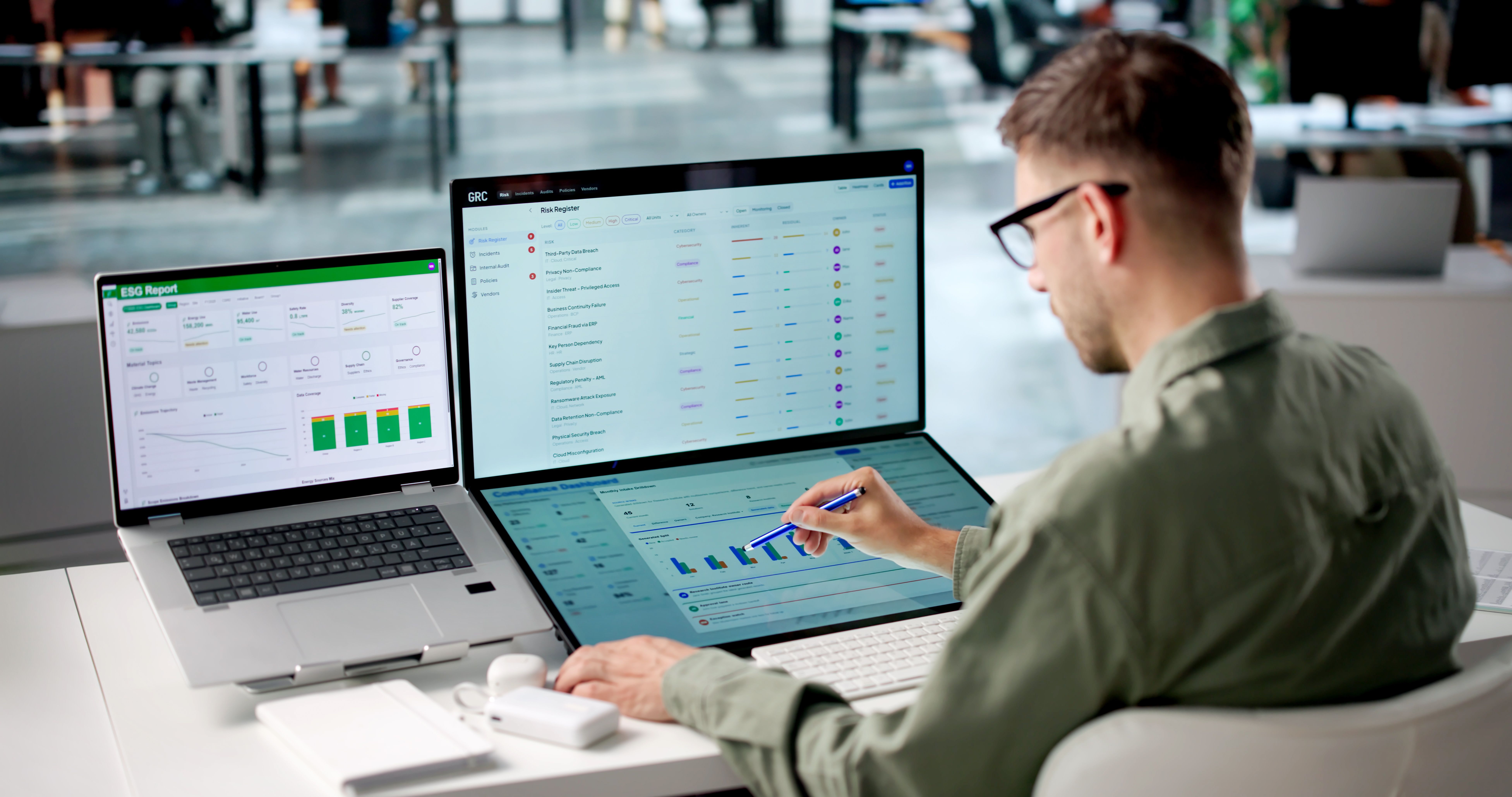
A surprising amount of property management work is not difficult. It is simply repetitive.
Sending the same rent reminder, checking whether a payment arrived, following up on an open maintenance request, remembering a lease deadline, or rebuilding the same report can consume hours when every step depends on you manually starting it.
That is where property management automation becomes useful.
The goal is not to remove the landlord from property management. It is to let software handle predictable, rule-based actions while you stay responsible for decisions, exceptions, and situations that require human judgment.
In this guide, we will break down 10 rental management tasks landlords can stop doing manually, what automation can handle instead, and where your involvement should still remain.
What Does Property Management Automation Actually Mean?
Property management automation means using software to handle repetitive, rule-based tasks that would otherwise require manual action. Current property-management platforms use automation for areas such as payments, reminders, lease events, maintenance tracking, communication, and reporting.
For example, an approaching rent due date can trigger a reminder automatically instead of requiring you to check the calendar and message the tenant yourself.
The important distinction is that automation does not remove your responsibility as a landlord. It handles predictable steps consistently so your attention can stay on decisions, exceptions, tenant relationships, and situations that actually require judgment.
What Should Landlords Automate First?
Start with repetitive tasks that follow a predictable pattern and rarely require a new decision.
A task is usually a strong automation candidate when it is:
- Repetitive: You perform it frequently.
- Predictable: The process follows the same basic steps.
- Triggered: A clear date, payment, request, or status change starts it.
- Rule-based: You can define what normally happens next.
- Time-consuming at scale: The burden grows with more tenants or properties.
- Low-judgment: Routine cases do not need individual decisions.
Rent reminders, maintenance updates, lease alerts, and recurring reports fit this pattern.
Start with the repeated manual step that consistently consumes time or gets forgotten.
10 Property Management Tasks Landlords Can Stop Doing Manually
The best property management automation does not remove the landlord from the process. It removes repetitive steps that happen the same way over and over. Current property-management systems commonly automate reminders, maintenance routing, lease events, communication, and recurring reporting, making these strong places to reduce manual work.
#1. Sending Rent Due Reminders
Manual version: You check the calendar, identify who has not paid yet, and send the same reminder each month.
Automated version: A system sends scheduled reminders before or on the due date based on the payment workflow you configure.
Human checkpoint: You still decide how to handle unusual circumstances, disputes, or tenants who need individual follow-up.
Automated rent reminders are already a common property-management automation use case.
#2. Sending Payment Confirmations and Updating Payment Records
Manual version: You check incoming payments, update a spreadsheet or ledger, and message the tenant to confirm receipt.
Automated version: When online payments are connected to the management system, successful transactions can update payment records and trigger routine confirmations without requiring repeated manual entry. Buildium, for example, documents payment tracking alongside automated rent receipts and reminders.
Human checkpoint: You should still investigate failed, disputed, partial, duplicated, or unusual transactions rather than treating every payment event the same way.
#3. Following Up on Overdue Rent
Manual version: You repeatedly review balances, work out who is late, and remember when to follow up.
Automated version: Overdue balances can be flagged and configured reminders can follow the normal collection workflow. Rent reminders are among the routine processes commonly handled through property-management automation.
Human checkpoint: Escalation, late fees, formal notices, and enforcement should not run blindly. Check the lease and applicable local requirements before taking further action.
#4. Receiving and Logging Maintenance Requests
Manual version: A tenant texts or calls, then you copy the issue into your notes, spreadsheet, or contractor message.
Automated version: A digital maintenance request can enter an organized workflow with the property, tenant, issue details, and status attached. Modern maintenance systems are specifically designed to digitize work-order processes and reduce manual handoffs.
Human checkpoint: You still assess urgency, approve significant work, and make judgment calls when the situation is unclear.
#5. Sending Routine Maintenance Updates
Manual version: You repeatedly message tenants to say a request was received, assigned, scheduled, or completed.
Automated version: Status changes can trigger routine notifications as a maintenance request moves through the workflow. Platuni identifies maintenance status updates as one use of automated tenant communication.
Human checkpoint: Sensitive delays, emergencies, access problems, complaints, or unexpected repair decisions still deserve personal communication.
#6. Remembering Lease Expiration and Renewal Dates
Manual version: You maintain calendar reminders and periodically check which leases are approaching expiration.
Automated version: Lease dates stored in a property-management system can trigger reminders or renewal workflows before expiration. Lease renewal reminders are a common feature of current rental-management platforms.
Human checkpoint: You still decide whether to renew, what terms to offer, and whether proposed changes are appropriate.
#7. Chasing Routine Lease Renewal Follow-Ups
Manual version: After starting a renewal, you remember who has responded, who has not, and when another follow-up is needed.
Automated version: Predefined reminders and workflow steps can help move routine renewals forward and surface cases that remain incomplete. Digital platforms can also support online lease and renewal processes.
Human checkpoint: Negotiations, exceptions, changed terms, and difficult renewal decisions still require direct involvement.
#8. Sending Routine Tenant Notifications
Manual version: You draft and send recurring messages one by one.
Automated version: Scheduled or event-based messages can cover routine items such as rent reminders, maintenance updates, lease events, inspection reminders, and standard announcements. Buildium documents automated communication for lease renewals, rent receipts, inspections, and recurring reports.
Human checkpoint: Avoid automating conversations involving conflict, sensitive circumstances, or decisions that need individual explanation.
#9. Remembering Inspections, Preventive Maintenance, and Recurring Deadlines
Manual version: You depend on separate calendars, notes, or memory to remember recurring property obligations.
Automated version: Dates can generate advance reminders or tasks for inspections, preventive maintenance, lease events, and other recurring activities. Current automation guidance includes inspections and scheduled property-management tasks among suitable use cases.
Human checkpoint: Automation can remind you that action is due, but you still need to verify the correct requirements and notice periods for each property's jurisdiction.
#10. Preparing the Same Routine Reports Repeatedly
Manual version: You collect the same payment, lease, maintenance, and property information and rebuild reports each month.
Automated version: When the underlying data is already captured digitally, recurring reports can be generated or scheduled instead of manually reconstructed. Automated reporting is a recognized property-management workflow, with systems drawing information from areas such as payments, maintenance, and leases into centralized reports or dashboards.
Human checkpoint: Review reports before relying on them for important decisions. Automation can assemble information consistently, but unusual figures, missing data, and unexpected trends still require human interpretation.
What Should You Not Fully Automate?
Not every property management decision should run automatically. The more a task involves legal consequences, unusual circumstances, fairness, negotiation, or human judgment, the more important landlord review becomes.
Be cautious about fully automating:
- Final tenant approval or rejection decisions.
- Sensitive tenant disputes or complaints.
- Serious maintenance emergencies.
- Lease exceptions and negotiations.
- Formal enforcement or legally significant notices.
- Decisions based entirely on automated screening scores.
Tenant screening is a particularly important example. The FTC explains that when a landlord takes an adverse action based on information in a consumer report, Fair Credit Reporting Act requirements can apply, including providing an adverse action notice. The CFPB has also documented accuracy problems in tenant screening reports, reinforcing why landlords should not treat automated screening results as unquestionable decisions.
The safest principle is:
Automate predictable actions, but keep humans responsible for judgment.
Automation should help you surface information, trigger routine steps, and reduce repetitive work. It should not prevent you from reviewing exceptions before an important decision affects a tenant or property.
Build the Workflow Before You Automate It
Automation works best when the process underneath it is already clear. If a workflow is inconsistent or confusing, automating it can simply repeat the same problems faster.
Before automating a property management task, define:
- The trigger: What event starts the workflow?
- The action: What should happen automatically?
- The owner: Who is responsible if human action is required?
- The exception: What situations should stop the automation?
- The record: What information should be saved or updated?
- The handoff: When should the landlord step back into the process?
Current property management automation guidance recommends mapping and standardizing workflows before introducing automation, then starting with the processes causing the most delays or manual work.
A late payment, for example, might trigger a reminder automatically, while a disputed balance should be routed for review.
The principle is simple: design the process first, then automate the predictable parts of it.
One Connected Platform vs a Patchwork of Automation Tools
Automation can still create manual work when each workflow depends on a different system.
One tool may send rent reminders, another track maintenance, another store leases, and another manage tenant communication. Even when each task is automated, you may still spend time moving information between systems or checking whether records match.
A connected property management platform reduces that fragmentation by keeping related workflows and records in the same operating environment. Platuni brings areas such as rent collection, lease management, maintenance, tenant communication, and reporting together.
The goal is not simply to automate more tasks. It is to make sure those workflows work together instead of creating another layer of fragmentation.
How Do You Know Your Automation Is Actually Working?
Automation is valuable only if it reduces work without creating new problems.
After automating a workflow, check whether it is actually improving operations. Useful signs include:
- Fewer manual follow-ups.
- Fewer missed reminders or deadlines.
- Faster routine responses.
- More consistent records.
- Better visibility into incomplete tasks.
- Less time spent copying information between systems.
- More time available for decisions and tenant issues that require judgment.
If an automated process regularly creates confusion, duplicate work, inaccurate records, or unnecessary messages, it needs adjustment.
The goal is not to automate the highest number of tasks. It is to reduce repetitive work while making the overall management process more reliable.
Automate the Repetition, Keep Control of the Decisions
Property management automation works best when it removes repetitive work without removing the landlord from decisions that require judgment.
Rent reminders, payment updates, maintenance workflows, lease events, communication, and reporting can all become more efficient when predictable steps are automated.
The goal is not to automate everything. It is to let reliable workflows handle repetition so you can focus on exceptions, decisions, and tenant relationships.
Frequently Asked Questions
What is property management automation?
Property management automation uses software to perform repetitive, rule-based actions when predefined dates, events, or status changes occur. Examples include rent reminders, maintenance updates, lease alerts, and recurring reports.
What property management tasks can landlords automate?
Common candidates include rent reminders, payment notifications, maintenance tracking, lease renewal reminders, routine tenant messages, inspection reminders, and recurring reporting.
Can property management be fully automated?
No. Automation can reduce repetitive administration, but disputes, unusual maintenance issues, exceptions, tenant relationships, and important legal or financial decisions still require human oversight.
Do small landlords need property management automation?
Not every workflow needs automation. Start with repetitive tasks that consume the most time, are easy to forget, or create unnecessary manual follow-up. Even a small portfolio can benefit when those tasks become burdensome.
Stay Informed
Subscribe to the Platuni B2B Newsletter to receive industry insights,
new feature announcements, and exclusive growth reports
Related Posts
SEPTEMBER 18, 2026
Leasing Automation Software for Property Manager
Which steps in the leasing workflow are actually worth automating, what that automation costs, and who it isn't worth it for.
Learn more
SEPTEMBER 18, 2026
Property Maintenance Software: Work Orders, Vendors & What It Costs
What maintenance software should do for both the property manager and the vendor on the other end of the work order, and what it costs across pricing models.
Learn more