
Technology & Automation
Leasing Automation Software for Property Manager
by Platuni | 18 Sep, 2026 | 7 mins read
Platuni
18 September, 2026
7 mins read
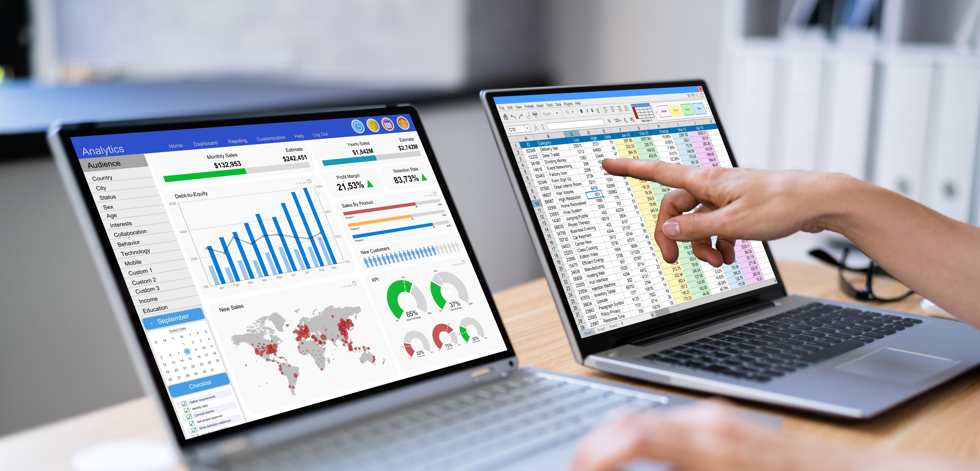
You've re-keyed the same applicant's income and employment details into your accounting software for the third time this week, because the application came in through one system, the screening result lives in another, and the lease itself has to be drafted somewhere else entirely. Multiply that by however many units you're leasing right now, and the actual cost of "leasing" isn't the software subscription, it's the hours your team spends manually moving the same data between tools that don't talk to each other.
That's the specific problem leasing automation software is supposed to solve, and it's a different problem than what a generic "what is leasing management software" explainer usually covers. This isn't about what leasing software is. It's about which steps in the leasing workflow are actually worth automating, what that automation costs across the category, and what a property manager running a real leasing team should expect to pay for it. For a landlord with two units, most of this is unnecessary overhead. For a property manager running a leasing team across dozens of units, it's the difference between a team that spends its week moving data between systems and one that spends its week actually leasing units.
The Leasing Workflow End to End, and What's Actually Worth Automating First
A lease doesn't happen in one step, it happens in ten: listing, enquiry, showing, application, screening, approval, lease generation, e-signature, move-in, and eventually renewal. Every one of these can theoretically be automated. Not all of them are worth automating first.
The highest-value automation sits in the middle of that chain, not the ends. Listing and showings still benefit from a human touch, and move-in is inherently physical. But application intake, screening, approval routing, and lease generation are exactly the steps where a property manager's team spends the most repetitive hours, re-typing data that already exists somewhere else, chasing a signature that's sitting in someone's inbox, or manually checking whether an applicant meets income requirements before forwarding a file for approval. Automating that middle stretch is where the actual time comes back.
That re-keying isn't just tedious, it's where errors enter the record. A phone number transposed between the application and the lease, an income figure that doesn't match between the screening report and the final document, these are the kind of small mismatches that surface at exactly the wrong moment, during a dispute or an audit, not during the routine week they were created.
Renewals deserve a category of their own. A renewal isn't a new lease from scratch, it's a modification of an existing one, and software that treats it as a totally separate workflow forces a team to redo work that shouldn't need redoing.
| Workflow Step | Automation Value | Why |
|---|---|---|
| Listing & enquiry | Low to moderate | Still benefits from human response and judgment |
| Showing & scheduling | Moderate | Calendar automation helps, but showings are inherently in-person |
| Application intake | High | Repetitive data entry, the most common source of re-keying |
| Screening & approval | High | Rule-based decisions that don't need a human re-checking every time |
| Lease generation & e-sign | High | Template-driven, chasing signatures is pure time loss |
| Move-in | Low | Physical process, automation only helps the paperwork around it |
| Renewal | High | Should modify an existing lease, not restart the whole workflow |
What "Leasing Automation" Actually Means in Software Terms
Stripped of marketing language, "leasing automation" is really five specific mechanisms working together.
Templates are the foundation. A lease template that pre-fills known fields (unit details, standard clauses, current rate) instead of starting from a blank document is the most basic form of automation, and the one every other feature depends on.
Conditional workflow steps come next. This means the system routes a file differently based on what's in it, an application with a co-signer follows a different path than one without, an applicant who fails a screening threshold gets routed to a decline template automatically rather than sitting in a queue waiting for someone to notice.
E-signature is table stakes at this point, but the automation value isn't the signature itself, it's what happens automatically once it's collected: the lease status updates, a move-in checklist triggers, and nobody has to remember to do that manually.
Guarantor steps are their own mechanism, distinct from a standard co-signer flow, since a guarantor typically needs a separate document and a separate notification path that the system has to track without merging it into the primary tenant's file. A guarantor step that isn't handled separately tends to surface as a support problem later, a parent or co-signer who can't find their own copy of what they signed, or a leasing agent who has to dig through the primary tenant's file to answer a guarantor's question that should have had its own record.
And an audit trail underlies all of it. Every one of the steps above needs to be reconstructable afterward, who approved what, when, and based on which screening result, since that record is what protects a property manager if a decision is ever challenged.
What It Costs
Across the property management category generally, per-unit pricing runs somewhere between one and five dollars per unit per month, with most platforms clustering closer to the one-and-a-half to three dollar range and charging a minimum monthly fee on top, often somewhere between one hundred and three hundred dollars for a small portfolio.
The pattern worth knowing before you shop: leasing automation specifically tends to get gated behind a higher tier rather than included at the entry level. AppFolio's Core plan runs $1.49 per unit with a $298 minimum, but its workflow automation and open API access live in the Plus tier at $3.20 per unit, more than double the base price. Buildium's jump works similarly, its entry Essential plan starts at $62 a month, while the features that actually automate a leasing workflow show up higher, in the Growth tier at $192 a month. DoorLoop follows a similar shape at smaller scale: its Starter plan runs $69 a month billed annually and caps at 10 units, while the workflow depth that would actually automate a leasing team's work, bank reconciliation and role-based access, sits one tier up on Pro at $149 a month. This is the thing to check before comparing sticker prices: the number on the pricing page and the number that includes actual leasing automation are often two different plans.
Platuni's structure is more direct about this than most. Multi-step digital leasing workflows are included at the Growth tier, $13.99 a month for up to 10 units, alongside API access and webhooks, not walled off in a separate, more expensive add-on tier the way AppFolio's automation features are.
| Platform | Entry Price | Where Leasing Automation Actually Lives |
|---|---|---|
| Platuni | $13.99/mo (Growth, up to 10 units) | Included at Growth, the entry paid tier |
| AppFolio | $1.49/unit ($298 min) | Gated to Plus tier at $3.20/unit |
| Buildium | $62/mo (Essential) | Gated to Growth tier at $192/mo |
| DoorLoop | $69/mo annually (Starter, caps at 10 units) | Gated to Pro tier at $149/mo |
| Propertyware | $1 to $2/unit ($250 to $450 min) | Varies by tier; workflow depth increases with price |
Lease Obligation and Servicing Tracking, On Its Own
Separate from the leasing workflow itself is a related but distinct need: tracking the obligations a lease creates after it's signed. Renewal dates, rent escalations if the lease includes them, and deposit-related deadlines all need to surface on their own schedule, not get buried in the same system that handles new applications.
This is where "lease servicing software" and "lease obligation tracking software" as search terms come from, they're usually typed by someone who already has a signed lease and needs to make sure nothing tied to it gets missed months later, not someone shopping for a new leasing workflow. The overlap with everything above is real, since the same audit trail and template infrastructure that handles a new lease should be tracking what that lease obligates going forward, but it's worth treating as its own checklist item when evaluating software: ask specifically whether renewal and escalation dates trigger their own alerts, separate from the initial leasing workflow.
How Platuni's Multi-Step Digital Leasing Workflows Do It
Platuni names this feature directly on its Growth tier: multi-step digital leasing workflows, bundled with API access and webhooks at $13.99 a month for up to 10 units. The workflow sits alongside Platuni's broader applications and screening tools, which already handle applicant screening and guarantor verification as part of the same system rather than a bolted-on add-on.
This also connects to the audit-trail requirement described above. Platuni's activity audit log, which starts at basic event tracking on Starter and expands with each tier, is the same underlying mechanism that would need to capture who approved a leasing decision and when, if the platform's compliance workspace and its leasing workflow are genuinely built on shared infrastructure rather than as separate features bolted together.
What's confirmed rather than assumed: this sits at the Growth tier, not gated to Enterprise the way some of Platuni's other differentiators (full bed-level leasing, the compliance suite) are. For a property manager evaluating whether leasing automation is affordable at their current scale, that tier placement is itself useful information, this isn't priced like an enterprise feature.
Frequently Asked Questions
What does centralized leasing software actually cost for a property manager?
Across the category, expect somewhere between one and five dollars per unit per month if pricing is per-unit, or a flat tiered fee starting around sixty to a few hundred dollars a month if it isn't. The more important question than the sticker price is whether leasing automation specifically is included at that price or gated to a higher tier, since several major platforms gate it separately.
Which automated leasing software is most affordable?
Affordability depends on whether automation is included in the base price you're comparing. A platform that looks cheaper on its entry tier can end up more expensive once you reach the tier that actually includes workflow automation, so compare the price of the tier with automation included, not the lowest advertised number.
What is lease servicing software?
Software focused on what happens after a lease is signed, tracking renewal dates, rent escalations, and deposit deadlines tied to an existing lease, rather than managing the process of creating a new one.
What is lease obligation tracking software?
Closely related to lease servicing, this specifically tracks the ongoing obligations a signed lease creates, so that a renewal deadline or an escalation clause doesn't get missed months after the original leasing workflow is complete.
Is leasing automation software different from a general property management tool?
Not usually a separate product, but often a separate tier or add-on within one. The distinction that matters in practice is whether the automation (conditional routing, e-sign, guarantor steps, audit trail) is included in the plan you're actually paying for, or reserved for a more expensive tier you haven't upgraded to yet.
Stay Informed
Subscribe to the Platuni B2B Newsletter to receive industry insights,
new feature announcements, and exclusive growth reports
Related Posts
SEPTEMBER 21, 2026
How to Automate Rental Property Management: 10 Tasks Landlords Can Stop Doing Manually
Ten repetitive landlord tasks, rent reminders, payment checks, report building, that automation can take over while judgment calls stay with the landlord.
Learn more
SEPTEMBER 18, 2026
Property Maintenance Software: Work Orders, Vendors & What It Costs
What maintenance software should do for both the property manager and the vendor on the other end of the work order, and what it costs across pricing models.
Learn more