
Tenant Relations & Experience
When to Hire a Landlord-Tenant Disputes Attorney
by Platuni | 16 Jan, 2026 | 10 mins read
Platuni
16 January, 2026
10 mins read

Disagreements in rental relationships (landlord and tenants) often arise when expectations around rent, maintenance, or lease terms are not met. What may seem like a minor issue at first can quickly grow into a complex and stressful situation involving legal rules, formal procedures, and significant consequences. Having the right guidance early from a dispute attorney can make a meaningful difference in how these challenges are resolved and help prevent avoidable setbacks.
What Is a Landlord-Tenant Disputes Attorney?
A landlord tenant disputes attorney is a lawyer with experience and specialization in the laws that govern rental relationships. These legal professionals understand both landlord and tenant rights, lease interpretation, property codes, eviction procedures, housing standards, and disputes involving security deposits, discrimination, and habitability.
They can represent either landlords or tenants, depending on their experience, and provide expertise in areas such as:
- Lease drafting and review
- Eviction defense or enforcement
- Security deposit disputes
- Housing discrimination claims
- Habitability and repair issues
- Court representation
Because housing and rental laws vary by jurisdiction, hiring an attorney educated in local, state, and federal regulations ensures your rights are protected and your case strategy is informed.
Common Scenarios Where Disputes Arise
Conflicts between landlords and tenants can involve many issues; some escalate into legal disputes when they are mismanaged or ignored. Here are typical scenarios:
1. Non-Payment of Rent
When a tenant consistently fails to pay rent or frequently pays late, landlords may face cash flow problems. Legal steps such as eviction notices or small claims suits can become necessary.
2. Repairs and Habitability Issues
If tenants live with unsafe or uninhabitable conditions like lack of heat, structural flaws, or pest infestations, they may seek legal remedies and landlords might need defense if the dispute is contested.
3. Security Deposit Disputes
Disagreements over how much of a security deposit to return or whether damages justify withholding funds are frequent causes of landlord-tenant disputes. These often involve a lawyer when documentation is lacking, or disputes go to small claims court.
4. Discrimination and Rights Violations
Accusations of discrimination such as based on race, familial status, disability, or other protected classes are serious legal matters with potential for substantial penalties under fair housing laws.
5. Lease Interpretation and Enforcement
Confusion or disagreement over lease terms such as who pays utilities, who is responsible for repairs, and what constitutes a material breach can spiral into legal disputes requiring an attorney’s interpretation.
6. Eviction Proceedings
Under the Civil Rights Act of 1866 & 42 U.S. Code, Chapter 45, Federal Fair Housing Act, evictions involve strict legal procedures that vary by state or locality. Mistakes can invalidate the eviction and expose landlords to legal risk and tenants may need representation to defend against improper or retaliatory eviction.
Rather than navigating avoidable court cases, lawsuits, and ongoing landlord-tenant disputes, Platuni supports you from the very start. The platform helps landlords connect with tenants who align with their values, expectations, and long-term tenancy goals.
Download the Platuni Property Manager App Today!
Before You Hire an Attorney: Try Alternative Solutions
Not every disagreement requires legal counsel. In many cases, landlords and tenants can resolve issues to avoid legal fees.
1. Direct Communication

Many disputes arise from misunderstandings. A calm, documented conversation often resolves issues before escalation.
2. Mediation

Mediation involves a neutral third party who facilitates conflict resolution without full litigation. It’s often quicker, cheaper, and preserves relationships which is useful when both parties want a collaborative solution.
3. Written Notices
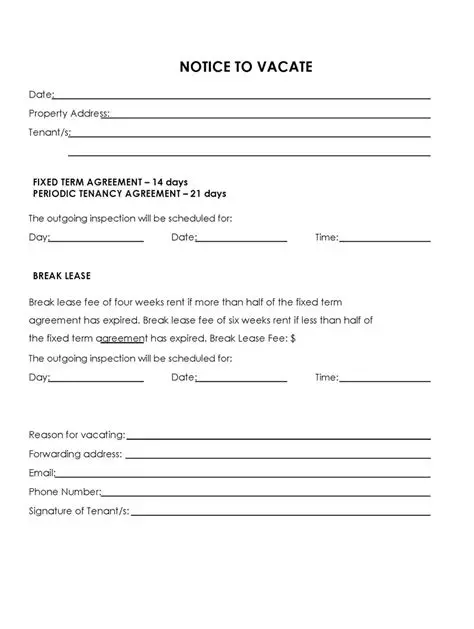
Sometimes, formal written notices from one party to another such as a notice to pay or quit, repair requests, or lease clarification letters can settle disputes.
If these approaches fail or you suspect legal violations, then it’s time to consider a landlord tenant disputes attorney.
Key Moments to Consider Hiring an Attorney
Here are important indicators that legal help could benefit you:
1. Legal Rights or Obligations Are Unclear
If you’re unsure about the law or your options for example eviction procedure, rent withholding rights or lease interpretation, an attorney can help you understand the legal framework and what you must do to comply.
2. There’s a Risk of Property Loss or Eviction
Evictions create major disruptions for all parties involved including legal complexities. Even mistakes in notices, service, or deadlines can compromise your case. A lawyer familiar with state housing codes can help navigate the process correctly.
3. Disputes Have Escalated to Formal Proceedings
If the situation has progressed to small claims court, housing court, or a formal complaint such as discrimination or habitability claims, an attorney’s involvement increases your chances of a positive outcome.
4. The Other Party Has Legal Representation
If your landlord or tenant has already hired counsel, seeking your own landlord-tenant disputes attorney ensures balanced legal dialogue and protects your interests.
5. Significant Financial Stakes Are Involved
Cases where unpaid rent represents a substantial financial loss, security deposits, damages, or liability claims justify the cost of an attorney since the outcome affects your financial bottom line.
Also Read: Best Digital Tools for Learning and Skill Development
Also Read: Landlord Section 8 Requirements | Complete Compliance Guide
What an Attorney Actually Does in These Cases
A landlord-tenant disputes attorney doesn’t just file papers or show up in court, they take actions tailored to your specific situation:
1. Case Evaluation and Legal Strategy
They evaluate your situation, apply relevant laws, and design a strategy to help you achieve your goal. Whether that’s avoiding eviction, securing rent, or defending against charges.
2. Document Review
Attorneys closely examine leases, notices, logs, communications, and evidence to identify legal strengths or vulnerabilities.
3. Negotiation and Settlement
Often, disputes can end with settlement agreements that avoid court entirely, saving time and expense.
4. Court Representation
If settlement fails, your lawyer represents you at hearings, argues your case, and ensures your rights are asserted in court.
Choosing the Right Landlord-Tenant Attorney
Not all attorneys are equally equipped for landlord-tenant disputes. When searching for counsel, consider:
- Experience in landlord-tenant law specifically
- Familiarity with local housing laws
- Past case results in similar disputes
- Communication style and responsiveness
- Fee structure and transparency
For most lawyers, free initial consultation is often available and can be used to determine whether the attorney is the right fit before moving forward.
Costs and Legal Fees
Legal fees vary widely based on location, attorney experience, and the complexity of the case. Many landlords and tenants report:
- Free or low-cost initial consultations
- Hourly rates ranging from ~$150 to $350 or more depending on region and expertise
- Additional costs for filings, expert reports, or court appearances
Always discuss fees upfront so you understand what you’re paying for and what services are included.
Knowing when to hire a landlord tenant disputes attorney can make the difference between resolving a conflict efficiently and facing costly legal consequences. While many disputes start small, failure to address them properly can escalate into eviction proceedings, lost income, liability, or damaged living situations. If legal rights, financial stakes, or court involvement are on the line, early consultation with an experienced attorney can protect your interests and support a fair outcome.
Remember, you can avoid all this drama and stress by starting your journey with Us and we guarantee a great chance of smooth experiences with your tenants
Frequently Asked Questions about When to Hire a Landlord-Tenant Disputes Attorney
When should a landlord consult a lawyer for a tenant issue?
A landlord should seek a lawyer when issues involve eviction, non-payment, discrimination claims, or complex lease interpretations that could lead to legal exposure.
Can landlord-tenant disputes be resolved without an attorney?
Yes, many disputes are resolved through communication, written notices, or mediation, which avoids legal costs and preserves relationships.
What if my tenant already hired an attorney?
If the other party has legal representation, hiring your own attorney ensures balanced negotiation and protection of your legal rights.
How long does a typical landlord-tenant court case take?
The duration varies by jurisdiction and complexity, but many cases take weeks or months, making early legal guidance valuable for meeting procedural deadlines and safeguards.
Stay Informed
Subscribe to the Platuni B2B Newsletter to receive industry insights,
new feature announcements, and exclusive growth reports
Related Posts

SEPTEMBER 22, 2026
Tenant Background Check vs Credit Check vs Eviction Check: What Does Each Tell You?
Breaks down what a credit check, an eviction check, and a background check each actually reveal about a rental applicant, and what none of them prove alone.
Learn more
SEPTEMBER 21, 2026
Maintenance Portal vs Email and Text: When Should Landlords Switch?
Looks at when informal maintenance reporting by text and email stops working, and what a dedicated portal adds once request volume grows.
Learn more