
Data, Compliance & Insights
What a Landlord Cannot Do in Florida: Legal Rules
by Platuni | 25 Feb, 2026 | 10 mins read
Platuni
25 February, 2026
10 mins read
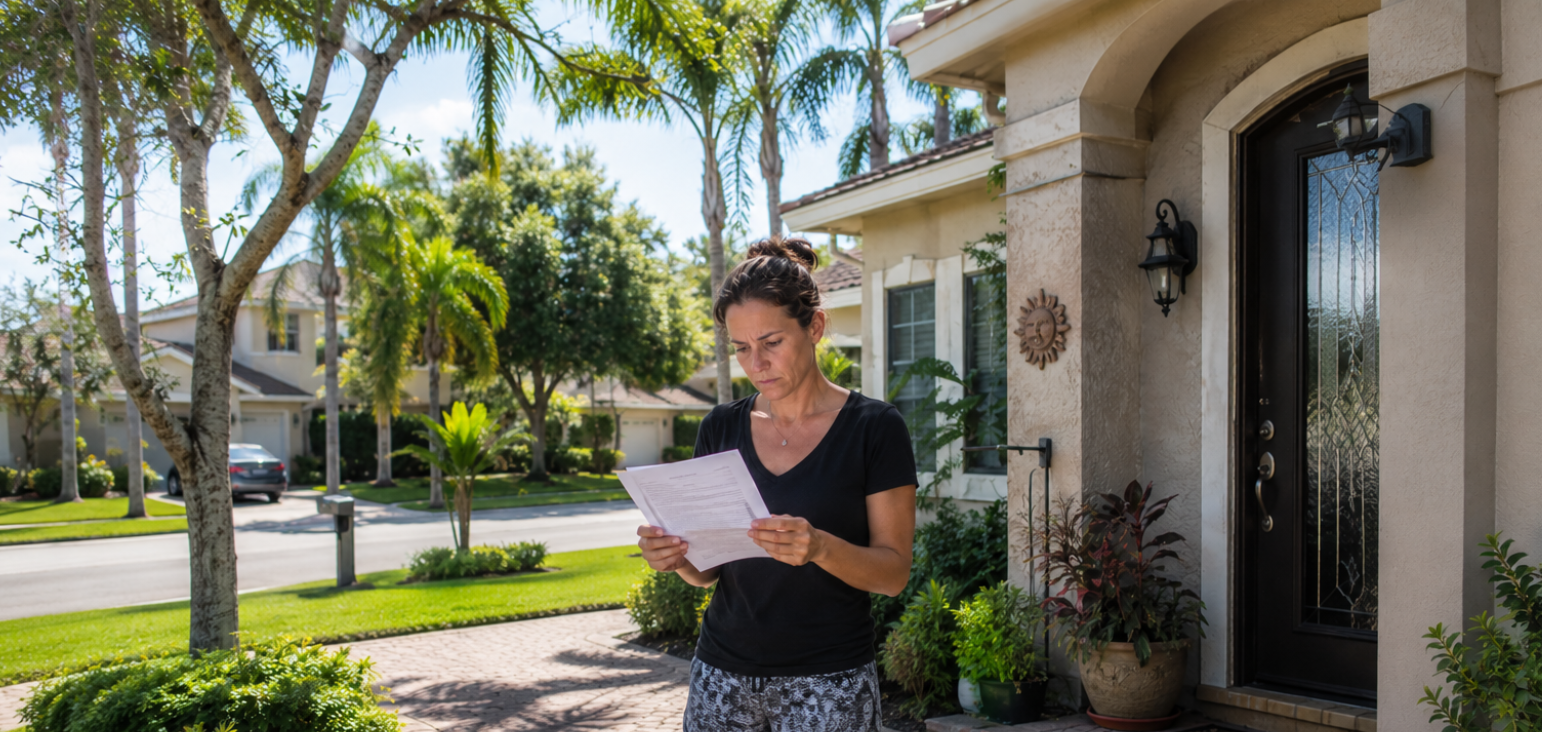
Renting a home in Florida should feel safe, fair, and predictable, yet too many tenants end up confused, stressed, or even taken advantage of when a landlord oversteps legal limits. Florida’s rental laws are designed to protect renters from things like unlawful entry, discrimination, illegal eviction tactics, and mishandling of security deposits, actions that can lead to costly disputes or even violation penalties for property owners. In fact, state statutes clearly define what a landlord cannot do in Florida, from entering a home without proper notice to shutting off utilities to force a tenant out without a court order.
Are you unsure whether a landlord’s actions are lawful? Asking the right questions can save you time, money, and stress:
- Has my landlord entered the property without proper written notice?
- Are they trying to raise my rent or decrease services because I asked for repairs?
- Have they discriminated against me based on who I am or who I live with?
- Did they keep my security deposit without legal justification?
Understanding what a landlord cannot do in Florida isn’t just about awareness, it’s about empowerment. On this page, Platuni breaks down these legal rules clearly, shows you how Florida law protects renters, and offers actionable insights whether you’re drafting a lease, responding to a landlord’s request, or handling a dispute. We connect the dots between statute, real renter experiences, and practical steps you can take next, so you stay informed and confident every step of the way.
Also Read: Landlord Rights in Washington State: Legal Overview
What a Landlord Cannot Do in Florida
#1. Evict a Tenant Without a Court Order
Florida law strictly prohibits landlords from evicting tenants without following the formal legal process. Self-help evictions, such as changing locks, removing a tenant’s belongings, or forcing a tenant out, are illegal. Attempting this can lead to fines, legal penalties, and even liability for damages to the tenant.
Key Points:
- Legal Requirement: Evictions must be processed through the court system. Florida Statutes §83.56 outlines the proper eviction procedure.
- Tenant Protection: Tenants cannot be removed until a judge issues a writ of possession.
- Illegal Actions Include: Changing locks; Removing personal property; Shutting off utilities; Threatening eviction outside the legal process
Consequences for Landlords:
- Fines or civil damages
- Court injunctions to allow tenants back in
- Potential criminal liability if harassment or intimidation occurs
Agencies such as the Florida Department of Agriculture and Consumer Services (FDACS) and local housing courts oversee compliance with tenant protection laws. Understanding the eviction process helps landlords avoid legal trouble while ensuring tenants’ rights are respected.
#2. Enter a Rental Property Without Proper Notice
Tenants in Florida have a right to privacy and peaceful enjoyment of their rental property. Landlords cannot enter without valid reason and reasonable notice, except in emergencies. Entry rules are defined under Florida Statutes §83.53.
Rules for Landlord Entry:
| Requirement | Details |
|---|---|
| Notice | At least 12–24 hours before entry (varies by situation) |
| Purpose | Repairs, inspections, maintenance, or emergencies only |
| Reasonable Hours | Usually 7:30 a.m. to 8:00 p.m. |
| Emergency Exceptions | No notice required for fire, flooding, or other urgent threats |
Landlords cannot use entry to harass tenants or conduct unapproved inspections. Tenants can report violations to the Florida Department of Agriculture and Consumer Services (FDACS) or seek legal remedies through civil court. Proper notice ensures both landlord access and tenant privacy are respected.
Also See: Can Landlords Report Tenants to Credit Bureaus?
#3. Shut Off Utilities to Force a Tenant to Leave
Cutting off essential services such as water, electricity, gas, or sewage to pressure a tenant to vacate is illegal in Florida. This is considered a form of self-help eviction, strictly prohibited under Florida Statutes §83.67.
Important Facts:
- Utilities include electricity, water, gas, sewer, and trash removal.
- Using utility shutoffs to force tenants out can result in legal action and fines.
- Tenants experiencing illegal utility shutoffs can report the violation to:
- FDACS – Division of Consumer Services
- Local housing authorities
- Florida courts for emergency relief
Landlords must follow legal eviction procedures and cannot circumvent the courts by cutting utilities. This protects tenants from unsafe living conditions and ensures landlords remain compliant with state law.
#4. Increase Rent During an Active Lease
Florida law protects tenants from unexpected rent hikes during an active lease. Landlords cannot increase rent in the middle of a fixed-term lease unless the lease agreement explicitly allows it. For month-to-month leases, landlords must provide proper written notice, generally 15 days in advance for monthly tenancies, as outlined in Florida Statutes §83.57.
Key Points:
- Fixed-Term Lease: Rent cannot change until the lease expires unless the lease specifies otherwise.
- Month-to-Month Lease: Written notice is required, usually equal to half the rental period (15 days for a monthly lease).
- Illegal Rent Hikes: Increasing rent as retaliation for tenant complaints, reporting code violations, or exercising legal rights is prohibited.
Consequences for Landlords:
- Tenants can challenge illegal rent increases in court.
- Agencies such as the Florida Department of Agriculture and Consumer Services (FDACS) oversee tenant complaints and provide guidance.
Also See: Are Landlords Responsible for Pest Control in Florida?
#5. Retaliate Against a Tenant for Exercising Legal Rights
Landlords cannot punish tenants for exercising their legal rights under Florida law. Actions such as requesting repairs, reporting code violations, joining tenant associations, or complaining about unsafe conditions cannot result in eviction threats, rent hikes, or service reductions.
Legal Reference: Florida Statutes §83.64 protects tenants from retaliatory actions.
Examples of Retaliation:
- Eviction threats shortly after reporting a safety issue
- Unexplained rent increase following a tenant complaint
- Reducing services or maintenance after the tenant exercises legal rights
Tenant Options:
- File a complaint with FDACS – Division of Consumer Services
- Seek relief through Florida courts, which may order compensation or penalties against landlords
#6. Discriminate Against Tenants
Florida landlords must follow federal and state anti-discrimination laws. Treating tenants differently or denying housing based on protected characteristics is illegal under the Fair Housing Act (42 U.S.C. §3601-3619) and Florida Civil Rights Act (FCRA, §760.20).
Protected Characteristics Include:
- Race, color, or national origin
- Religion or sex (including gender identity and sexual orientation)
- Familial status or disability
Illegal Actions:
- Refusing to rent to certain applicants
- Charging different rent or fees based on discrimination
- Denying services or accommodations
Also Read: Landlord Responsibilities in New York State: Legal Guide
#7. Withhold a Security Deposit Without Legal Cause
Florida landlords cannot keep a tenant’s security deposit for normal wear and tear. Deductions are only allowed for damages beyond ordinary use, unpaid rent, or other lease violations. Landlords must provide tenants with a written, itemized list of any deductions within 30 days of lease termination, according to Florida Statutes §83.49(3).
Key Points:
- Normal Wear and Tear: Cannot be charged to tenants. Examples include minor carpet wear or faded paint.
- Itemized Deductions: Must list damages and estimated repair costs.
- Timeline: Written notice within 30 days of lease end; deposits must be returned within 15–60 days, depending on the lease.
Consequences for Landlords:
- Tenants can file claims in small claims court
- Possible fines or legal action through the Florida Department of Agriculture and Consumer Services (FDACS)
#8. Mishandle or Improperly Store Security Deposits
Florida law requires landlords to store security deposits in separate non-interest or interest-bearing accounts in Florida banking institutions, or to secure a surety bond for the deposit amount. Landlords must notify tenants in writing within 30 days about where and how the deposit is held.
Requirements:
| Requirement | Details |
|---|---|
| Storage | Separate Florida bank account or surety bond |
| Written Notice | Must include bank name, address, and account type; interest terms if applicable |
| Deadline | Notice sent within 30 days of receiving deposit |
| Legal Reference | Florida Statutes §83.49(1) |
Failure to comply may result in forfeiting the right to claim against the deposit and potential legal penalties. Proper handling protects both landlords and tenants.
Also See: Property Manager Reports | Types and How to Create Them
#9. Ignore Necessary Repairs and Maintenance
Landlords must maintain rental properties in a safe and habitable condition. Ignoring necessary repairs affecting health and safety violates Florida law (Florida Statutes §83.51).
Key Obligations:
- Structural Integrity: Roofs, walls, and foundations must be safe
- Plumbing and Electrical: Must work properly, including heating and cooling
- Pest Control: Infestations must be addressed promptly
- Sanitary Conditions: Garbage removal and common areas must be clean and safe
Tenant Protections:
- Tenants can request repairs in writing
- If ignored, tenants may file complaints with FDACS or seek legal remedies, including withholding rent until repairs are completed
Also See: What Are Landlords Responsible for in BC? Legal Guide
#10. Harass or Intimidate a Tenant
Florida law protects tenants from harassment and intimidation by landlords. A landlord cannot repeatedly disturb a tenant, threaten them, or create pressure meant to force them to leave the property. Harassment can happen in many ways, even without physical contact.
Examples of illegal harassment include:
- Excessive phone calls, texts, or emails meant to threaten or pressure
- Repeated or unnecessary property visits without proper notice
- Threats of eviction without legal grounds
- Verbal intimidation or aggressive behavior
- Misusing entry rights to disturb a tenant’s peace
Florida Statutes §83.67 clearly prohibits landlords from using force, threats, utility interference, or other actions to disrupt a tenant’s quiet enjoyment of their home.
Tenant Protections and Actions:
| Protection | What It Means |
|---|---|
| Quiet Enjoyment | Tenants have the right to live peacefully without intimidation |
| Legal Remedies | Tenants may sue for damages or seek court protection |
| Reporting | Complaints can be filed with FDACS or local housing authorities |
Tenants facing harassment can also seek guidance from the Florida Department of Agriculture and Consumer Services (FDACS) or legal aid organizations.
Also See: AI for Rental Properties: Use Cases for Property Owners
Protecting Your Rights as a Florida Tenant
Understanding what a landlord cannot do in Florida is essential for protecting your housing rights and avoiding unlawful treatment. Florida law sets clear limits on landlord behavior, covering eviction rules, rent increases, privacy, discrimination, maintenance, security deposits, and harassment.
Tenants who know their rights are better prepared to recognize violations early and take action. Legal protections exist to ensure safe housing, fair treatment, and respect throughout the rental relationship. When violations occur, tenants can document the issue, seek help from state agencies, or pursue legal remedies through the courts.
Helpful resources include:
- Florida Department of Agriculture and Consumer Services (FDACS)
- Florida Statutes – Landlord Tenant Law (Chapter 83)
Staying informed helps tenants protect their homes, finances, and peace of mind while ensuring landlords remain accountable under Florida law.
Platuni helps simplify complex landlord-tenant rules into clear, easy-to-understand insights. We give practical guidance beyond legal texts designed to support tenants, property managers, and housing professionals.
Download the Platuni Property Manager App Today
Frequently Asked Questions About What A Landlord Cannot Do in Florida
What is illegal for a landlord to do in Florida?
In Florida, a landlord cannot lock a tenant out, shut off utilities, enter the property without proper notice (except emergencies), raise rent or evict in retaliation, discriminate against tenants, or refuse to make repairs that affect habitability as required under Florida Statutes.
What rights do landlords have in Florida?
Landlords in Florida have the right to receive rent on time, inspect the property with proper notice, enforce lease terms, raise rent at lease renewal, and evict tenants for legal reasons such as nonpayment or lease violations.
What is considered landlord harassment in Florida?
Landlord harassment includes repeated unnecessary entry, threats, intimidation, shutting off utilities, changing locks, removing doors or windows, or using pressure to force a tenant to move out without following the legal eviction process.
What can a tenant sue a landlord for in Florida?
A tenant can sue for failure to make required repairs, illegal eviction, harassment, discrimination, mishandling of security deposits, breach of lease, or violations of health and safety standards.
What are some things that are illegal in Florida?
Illegal acts in Florida include housing discrimination, self-help evictions, retaliation against tenants for asserting legal rights, operating unsafe rental housing, and withholding security deposits without proper notice or justification.
What reasons can a landlord evict you in Florida?
A landlord can evict a tenant for nonpayment of rent, violating lease terms, overstaying after a lease ends, damaging the property, or engaging in illegal activities, provided the landlord follows Florida’s legal notice and court procedures.
Stay Informed
Subscribe to the Platuni B2B Newsletter to receive industry insights,
new feature announcements, and exclusive growth reports
Related Posts

AUGUST 3, 2026
Kentucky Security Deposit Laws | Deductions & Rights
This guide explores everything you need to know about Kentucky security deposit laws, including how much landlords can charge...
Learn more
JULY 31, 2026
Incident Report Template | How to Document Property Incidents
This article explains how property managers and landlords can use an incident report template to document incidents properly...
Learn more