
Property Management & Operations
Landlord Responsibilities in New York State: Legal Guide
by Platuni | 25 Feb, 2026 | 7 mins read
Platuni
25 February, 2026
7 mins read
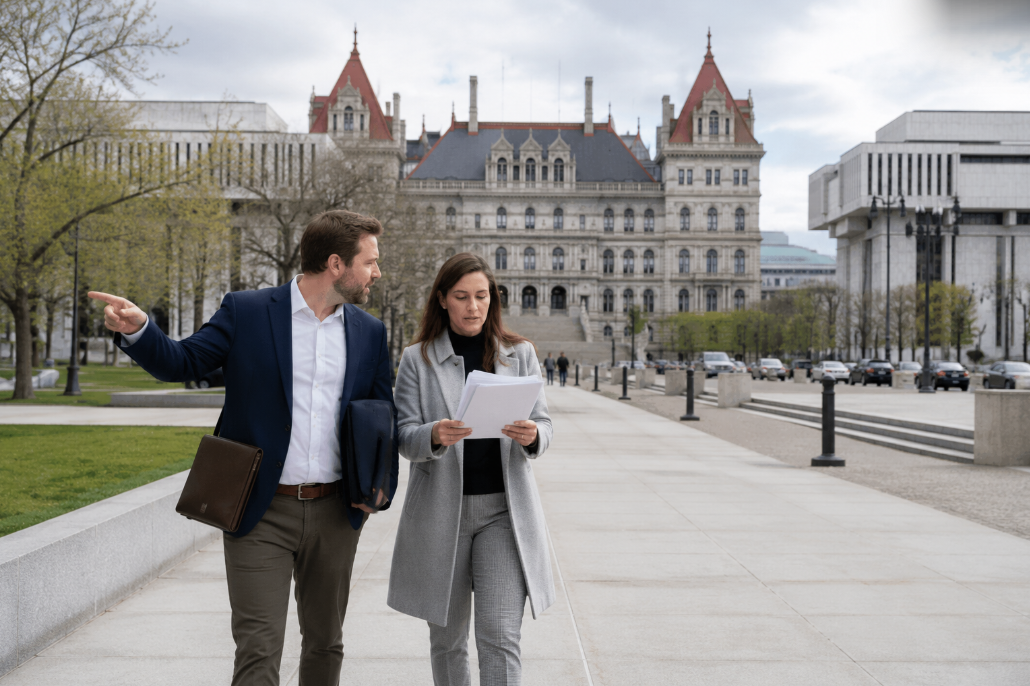
New York has some of the most detailed and strictly enforced housing regulations in the country, making landlord responsibilities in New York state more complex than many property owners expect. The New York State Attorney General’s office outlines extensive legal duties related to habitability, rent regulation, security deposits, and tenant protections. These laws carry serious penalties for non-compliance, including fines, lawsuits, and loss of rental rights. Landlord responsibilities in New York state are not optional guidelines; they are enforceable legal obligations that directly impact your income, reputation, and long-term investment security.
As regulations grow stricter, property owners often face pressing questions about their legal duties and risks. Common concerns include:
- What exactly are landlord responsibilities in New York state under rent stabilization laws?
- How do maintenance and habitability requirements affect daily property management?
- What deadlines apply to security deposit returns and lease renewals?
- Which tenant protections create the highest compliance risks?
- What penalties apply if landlord responsibilities in new york state are ignored?
These questions highlight how easily misunderstandings can turn into costly disputes.
This guide from Platuni answers those questions clearly and practically. You will find a structured breakdown of landlord responsibilities in new york state, backed by statutes, timelines, and real-world examples. Practical explanations, compliance insights, and expert guidance help you operate confidently while protecting your rental business. Platuni exists to simplify complex property laws and support smarter management decisions, giving landlords the clarity they need to stay compliant, reduce risk, and build lasting success.
Also Read: Are Landlords Responsible for Pest Control?
Landlord Responsibilities in New York State
Landlord responsibilities in New York State are clearly defined by statutes such as the New York Real Property Law, the Real Property Actions and Proceedings Law, and the Housing Maintenance Code. These laws require landlords to provide safe housing, follow strict eviction rules, maintain essential services, and respect tenant rights.
The Housing Stability and Tenant Protection Act of 2019 (HSTPA) significantly expanded tenant protections statewide. Therefore, landlords must operate with full legal awareness to avoid penalties, lawsuits, and fines.
Warranty of Habitability - Real Property Law § 235-b
One of the most important landlord responsibilities in New York State is the Warranty of Habitability under New York Real Property Law (RPL) § 235-b.
This statute requires landlords to ensure that rental properties are:
- Safe
- Livable
- Free from conditions dangerous to life, health, or safety
Courts interpret this law strictly. Landlords must provide:
- Heat during required months
- Hot water
- Structural safety
- Mold-free environments
- Pest-free premises
Failure to comply allows tenants to seek rent abatements or withhold rent through court proceedings.
Heat and Hot Water Requirements - NYC Admin Code § 27-2029
Heat and hot water are mandatory services.
Under New York City Administrative Code § 27-2029, landlords must provide:
- Heat from October 1 through May 31
- Minimum indoor temperatures of 68°F during the day
- 62°F at night
Hot water must remain available year-round at 120°F minimum. Outside NYC, similar obligations arise under local housing codes and the Warranty of Habitability.
Security Deposit Rules - General Obligations Law § 7-108
Security deposits fall under New York General Obligations Law (GOL) § 7-108, amended by the HSTPA.
Landlords must:
- Limit deposits to one month’s rent
- Return deposits within 14 days after move-out
- Provide an itemized list of deductions
- Hold deposits in a separate trust account
Failure to return the deposit within 14 days may result in forfeiture of any right to retain it.
Also Read: Boosting Tips For Overworked Landlords | Landlord Productivity Hacks
Disclosure Requirements - RPL § 231 and § 233
Landlords must provide specific disclosures.
- Under Real Property Law § 231, landlords must disclose the identity of the property owner in writing.
- Under Real Property Law § 233, landlords must disclose sprinkler system inspection information.
Federal law also requires lead-based paint disclosures for buildings constructed before 1978.
Repairs and Maintenance Obligations (Multiple Dwelling Law § 78)
Under New York Multiple Dwelling Law § 78, landlords must keep buildings in good repair.
This law requires landlords to maintain:
- Plumbing
- Electrical systems
- Structural components
- Fire escapes
- Public areas
Local housing codes enforce inspection standards.
Smoke and Carbon Monoxide Detectors (Multiple Dwelling Law § 15)
Under Multiple Dwelling Law § 15, landlords must install and maintain:
- Smoke detectors
- Carbon monoxide detectors
Tenants may reimburse landlords up to $10 for battery costs in certain situations, but installation remains the landlord’s duty. Therefore, landlord responsibilities in New York State include life-safety compliance.
Anti-Discrimination Requirements - New York Human Rights Law
The New York State Human Rights Law (Executive Law § 296) prohibits housing discrimination.
Landlords cannot discriminate based on:
- Race
- Religion
- National origin
- Gender
- Disability
- Lawful source of income
New York also protects tenants using housing vouchers. Violations may result in civil penalties and damages.
Notice Requirements for Rent Increases -RPL § 226-c
Under Real Property Law § 226-c, landlords must provide advance notice for rent increases above 5%.
Required notice periods:
- 30 days for tenants under 1 year
- 60 days for tenants 1–2 years
- 90 days for tenants over 2 years
Failure to provide notice invalidates the rent increase. Therefore, landlord responsibilities in New York State include proper rent increase notification.
Also Read: Common Landlord-Tenant Issues That Require an Attorney
Eviction Procedures - RPAPL Article 7
Evictions fall under Real Property Actions and Proceedings Law (RPAPL) Article 7.
Landlords must:
- Serve proper written notice
- File a court petition
- Obtain a court judgment
- Use a marshal or sheriff for enforcement
Self-help evictions are illegal under RPAPL § 768.
Duty to Mitigate Damages - RPL § 227-e
Under Real Property Law § 227-e, landlords must mitigate damages when a tenant breaks a lease. Landlords must make reasonable efforts to re-rent the unit. Failure to attempt re-renting limits recoverable damages. Therefore, landlord responsibilities in New York State require reasonable mitigation efforts.
Retaliation Prohibition (RPL § 223-b)
Under Real Property Law § 223-b, landlords cannot retaliate against tenants who:
- Report housing violations
- Join tenant organizations
- Assert legal rights
Retaliatory eviction attempts may be dismissed in court.
Recordkeeping and Financial Accountability
New York law emphasizes documentation.
Landlords should maintain:
- Lease agreements
- Payment records
- Repair invoices
- Inspection reports
- Notice documentation
Using platforms like Platuni allows landlords to track rent payments, document repairs, and maintain digital compliance records. Organized documentation strengthens legal protection if disputes arise.
Try Downloading the Platuni Property Manager App Today!
Strong recordkeeping supports landlord responsibilities in New York State by reducing compliance risk.
Also Read: Landlord Rules for Tenants: What’s Legal
Penalties for Non-Compliance
Violating landlord responsibilities in New York State can lead to:
- Civil penalties
- Rent abatements
- Treble damages
- Attorney fees
- Government fines
The New York Attorney General enforces housing protection laws. Compliance protects both property and reputation.
Conclusion
Landlord responsibilities in New York State are extensive and strictly enforced. Statutes such as RPL § 235-b, GOL § 7-108, RPAPL Article 7, and the Human Rights Law establish clear obligations for habitability, deposits, eviction procedures, and anti-discrimination compliance.
We recommend landlords:
- Maintain habitable conditions
- Follow proper notice requirements
- Handle deposits lawfully
- Avoid retaliation
- Document every transaction
Proper systems like Platuni help landlords track payments, repairs, and compliance records effectively. Understanding landlord responsibilities in New York State protects investments and ensures lawful property management.
Frequently Asked Questions on Landlord Responsibility in New York State
What are the main landlord responsibilities in New York State?
Landlord responsibilities in New York State include maintaining habitable housing under Real Property Law § 235-b, properly handling security deposits under General Obligations Law § 7-108, following lawful eviction procedures under RPAPL Article 7, and complying with anti-discrimination laws under Executive Law § 296.
Can a landlord refuse to make repairs in New York?
No. Under RPL § 235-b (Warranty of Habitability) and Multiple Dwelling Law § 78, landlords must keep rental properties in good repair and safe condition.
How quickly must a landlord return a security deposit?
Under General Obligations Law § 7-108, landlords must return the security deposit within 14 days after the tenant vacates.
Are self-help evictions legal in New York?
No. Self-help evictions are illegal under RPAPL § 768.
Can a landlord raise rent at any time in New York?
No. Under Real Property Law § 226-c, landlords must provide advance written notice for rent increases exceeding 5%.
The notice period depends on tenancy length:
- 30 days for less than 1 year
- 60 days for 1–2 years
- 90 days for more than 2 years
Rent-stabilized units follow additional rules under the Rent Stabilization Law. Landlord responsibilities in New York State require strict adherence to these notice requirements.
What happens if a landlord fails to provide heat?
Failure to provide required heat violates RPL § 235-b and local housing codes such as NYC Administrative Code § 27-2029.
Can a landlord discriminate against tenants based on income source?
No. The New York State Human Rights Law (Executive Law § 296) prohibits discrimination based on lawful source of income, including housing vouchers.
Does a landlord have to mitigate damages if a tenant breaks the lease?
Yes. Under Real Property Law § 227-e, landlords must make reasonable efforts to re-rent the apartment if a tenant leaves early.
What protections do tenants have against retaliation?
Under Real Property Law § 223-b, landlords cannot retaliate against tenants who report violations, request repairs, or join tenant associations.
What penalties apply if landlords violate New York housing laws?
Penalties vary depending on the violation. Courts may award:
- Rent abatements
- Treble damages
- Attorney fees
- Civil fines
- Government enforcement actions
The New York Attorney General may investigate systemic violations. Therefore, understanding landlord responsibilities in New York State protects landlords from significant financial and legal consequences.
Stay Informed
Subscribe to the Platuni B2B Newsletter to receive industry insights,
new feature announcements, and exclusive growth reports
Related Posts

SEPTEMBER 22, 2026
How to Build a Rental Maintenance Workflow From Request to Completion
Defines what should happen after a maintenance request comes in, logging, prioritizing, assigning, verifying, and documenting the repair through to completion.
Learn more
SEPTEMBER 22, 2026
QuickBooks vs Property Management Software for Rental Properties
Explains why QuickBooks and property management software solve different problems, and when a landlord needs one, the other, or both.
Learn more