
Tenant Relations & Experience
Security Deposit Return Letter | Legal Refund Notice
by Platuni | 30 Mar, 2026 | 8 mins read
Platuni
30 March, 2026
8 mins read
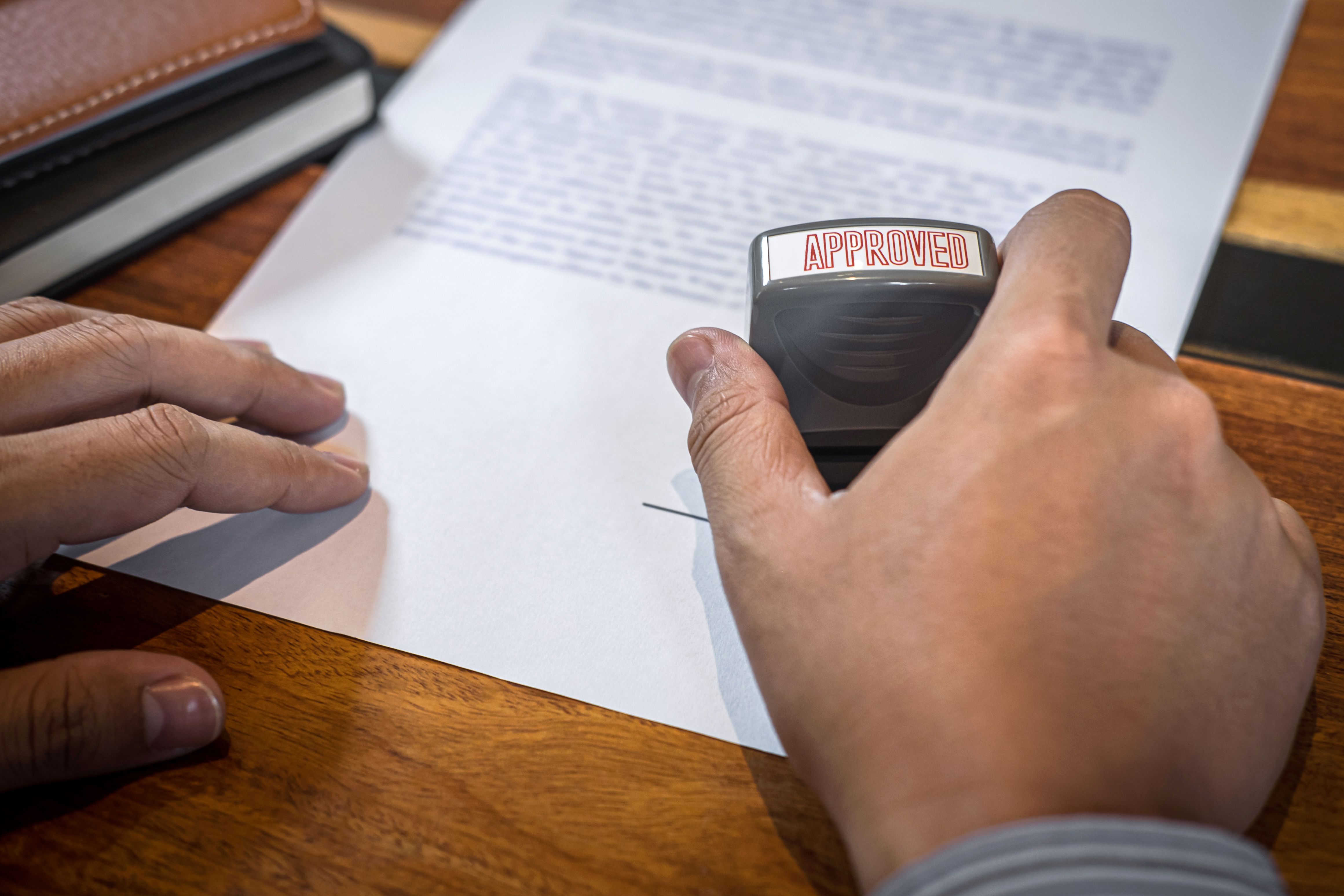
Have you ever wondered why a simple security deposit return letter can make or break the relationship between a landlord and a tenant? Many disputes don’t start from major damages. They start from poor communication and unclear documentation. In fact, studies from housing authorities show that security deposit disputes are among the most common landlord-tenant conflicts, often due to lack of transparency.
When tenants move out, expectations are high, they want their deposit back quickly and fairly. On the other hand, landlords need to account for damages, unpaid rent, or cleaning costs. Without a clear process, misunderstandings can escalate into legal issues, delayed payments, or even court cases.
So, what exactly should a security deposit return letter include? What are the legal requirements you must follow? And how can you avoid costly mistakes? In this post, we’ll answer these questions and more.
Also See: Rental Application Form Guide | Free Editable PDF & Word
What Is a Security Deposit Return Letter?
A security deposit return letter is a formal written notice from a landlord to a tenant, detailing the refund of their security deposit at the end of a lease. This letter communicates how much of the deposit is being returned, any deductions (if applicable), and the timeframe for the refund.
Moreover, it's a legal document that helps protect both the landlord and tenant by creating a clear record of the transaction. By using a well-structured security deposit return letter, landlords can avoid misunderstandings, reduce disputes, and ensure compliance with local rental laws.
Also See: Is Rental Income Passive Income? | IRS Rules Explained
Importance of a Security Deposit Return Letter
The security deposit return letter plays a critical role in protecting the interests of both landlords and tenants. Here’s why it matters:
#1. Legal Protection
A well-documented letter provides proof that the landlord has returned the deposit (or deducted appropriate costs) according to the law. This helps prevent legal disputes and demonstrates compliance with local regulations.
#2. Transparency and Trust
Providing a clear breakdown of deductions, if any, ensures tenants understand why certain amounts were withheld. This promotes transparency, reduces conflicts, and maintains a professional relationship.
#3. Organized Record-Keeping
Keeping copies of security deposit return letters helps landlords maintain proper records for accounting and future reference. It also supports any potential insurance claims or disputes that may arise later.
#4. Efficient Communication
Using a formal letter ensures that both parties are on the same page, eliminating confusion about timelines, amounts, or conditions related to the security deposit refund.
Also See: Illinois Eviction Laws | Legal Grounds, Notices, and Costs
Legal Requirements for Returning Security Deposits
When preparing a security deposit return letter, landlords must follow specific legal requirements to ensure compliance and avoid disputes. While laws vary by location, there are common rules that apply across many jurisdictions and they include:
Return Within the Legal Timeframe
Landlords are required to return the security deposit within a set period after the tenant moves out. According to the U.S. Federal Registry, “landlords are generally required to return a tenant’s security deposit within a specified period, often between 5 and 30 days depending on state law.”
Provide an Itemized List of Deductions
If any amount is withheld, landlords must clearly explain the deductions. This includes costs for unpaid rent, damages beyond normal wear and tear, or cleaning fees where applicable.
Deduct for Valid Reasons
Deductions must be reasonable and legally justified. Hence, landlords cannot charge tenants for normal wear and tear, such as minor scuffs or aging fixtures.
Send the Deposit to the Correct Address
The refund and the security deposit return letter should be sent to the tenant’s forwarding address. If none is provided, landlords should follow local rules for handling unclaimed funds.
Maintain Proper Documentation
Keeping records, such as inspection reports, receipts, and communication, helps support any deductions made and protects landlords in case of disputes.
Comply with Local or Provincial Laws
Requirements can differ significantly depending on the region. Some areas impose strict penalties for late returns or improper deductions, so it’s important to understand the rules that apply to your property.
Also See: Rental Business Insurance | Types and Coverage Guide
Key Elements to Include in a Security Deposit Return Letter
When drafting a security deposit return letter, including the right elements ensures clarity, professionalism, and legal compliance. Here are the key components every landlord should include:
- Tenant and Property Information: Start with the tenant’s full name, the rental property address, and the lease period. This makes it clear who and which property the letter refers to.
- Deposit Amount: Specify the total security deposit paid at the start of the lease.
- Deductions (if any): Clearly outline any deductions for damages, unpaid rent, or cleaning costs, with itemized amounts. This transparency helps prevent disputes.
- Refund Amount: State the exact amount being returned after deductions.
- Payment Method and Timeline: Indicate how and when the refund will be delivered, whether by check, bank transfer, or another method.
- Contact Information: Provide a way for the tenant to reach you with questions or concerns.
- Closing Statement: Include a polite closing that thanks the tenant for their tenancy and encourages open communication.
How to Write a Security Deposit Return Letter
Writing a security deposit return letter doesn’t have to be complicated. Follow these simple steps to create a clear and legally sound document:
- Start with a Proper Header: Include your name, contact information, and the date. Address the letter directly to the tenant.
- Reference the Lease and Deposit: Mention the lease period, property address, and the total security deposit amount.
- Detail Any Deductions: If applicable, list deductions for repairs, cleaning, or unpaid rent. Keep this section clear and itemized.
- State the Refund Amount: Clearly indicate the balance being returned to the tenant after deductions.
- Provide Payment Instructions: Specify how the tenant will receive their refund and the expected timeline.
- Include a Polite Closing: Thank the tenant for their tenancy, encourage questions if needed, and sign the letter.
- Keep a Copy for Records: Always keep a copy for your records to ensure proper documentation in case of disputes.
Also See: New Jersey Landlord Tenant Rental Laws & Rights for 2026
Free Security Deposit Return Letter Legal Refund Template
You can download the free template here
[Landlord/Property Manager Name] [Address] [City, State, ZIP Code] [Email Address] [Phone Number]
Date: [Insert Date]
Tenant Name: [Tenant Full Name] Rental Property Address: [Full Property Address]
Subject: Return of Security Deposit
Dear [Tenant Name],
This letter serves as formal notice regarding the return of your security deposit for the rental property located at [Property Address], following the end of your tenancy on [Move-Out Date].
Security Deposit Summary
| Description | Amount ($) |
|---|---|
| Original Security Deposit | [Amount] |
| Deductions (if any) | [Amount] |
| Total Refund Amount | [Amount] |
Deductions (If Applicable)
The following deductions have been made in accordance with the lease agreement and applicable laws:
- Unpaid Rent: $[Amount]
- Property Damage (beyond normal wear and tear): $[Amount]
- Cleaning Costs: $[Amount]
- Other Charges: $[Amount]
Supporting receipts or documentation are attached where required.
Refund Details
The remaining balance of $[Refund Amount] will be returned to you via:
- Check
- Bank Transfer
- Other: [Specify Method]
Payment Date: [Insert Date]
Forwarding Address
If not already provided, please confirm your forwarding address to ensure proper delivery of your refund.
Important Note
This refund has been processed in compliance with applicable landlord-tenant laws, which typically require landlords to return security deposits within a specific timeframe after tenancy ends.
Closing
Thank you for your tenancy. If you have any questions regarding this notice or the deductions listed, feel free to contact us.
Sincerely,
[Landlord/Property Manager Name] Signature: ________________________
Also Read: Landlord Responsibilities in New York State: Legal Guide
Common Mistakes to Avoid in a Security Deposit Return Letter
Typically, a well-intentioned security deposit return letter can lead to disputes if certain mistakes are made. Avoiding these common errors helps you stay professional, compliant, and stress-free. So, below are common mistakes to avoid:
- Failing to Provide an Itemized Breakdown: Not clearly listing deductions can create confusion and mistrust. Thus, always explain every charge in detail.
- Missing Legal Deadlines: Returning the deposit late can result in penalties in many jurisdictions. Timeliness is just as important as accuracy.
- Deducting for Normal Wear and Tear: Charging tenants for minor, expected wear can lead to disputes and legal challenges.
- Poor Documentation: Without photos, receipts, or inspection reports, it becomes difficult to justify deductions if questioned. Ensure to document every orovimm
- Unclear Communication: A vague or poorly written security deposit return letter can confuse tenants and escalate minor issues into bigger problems.
What to Do If a Tenant Disputes the Security Deposit Return
Disputes can happen, even when you follow the rules. The key is to handle them calmly, professionally, and with proper documentation. Here's what you should do:
- Review Your Security Deposit Return Letter: Start by ensuring your letter clearly outlines all deductions and aligns with the lease agreement.
- Provide Supporting Evidence: Share receipts, photos, and inspection reports to justify any deductions made. Transparency often resolves disagreements quickly.
- Communicate Clearly and Professionally: Open communication can prevent escalation. Hence, be willing to explain your reasoning and listen to the tenant’s concerns.
- Refer to the Lease Agreement and Local Laws: Always base your decisions on what was agreed in the lease and what the law permits.
- Seek Mediation if Necessary: If the issue persists, consider mediation or local tenancy dispute resolution services before it escalates further.
Download the Platuni Property Manager App Today
Frequently Asked Questions About Security Deposit Return Letter
How long does a landlord have to send a security deposit return letter?
The timeline varies by location, but most laws require landlords to send a security deposit return letter and refund within 14 to 30 days after the tenant moves out. Always check local regulations to stay compliant.
Can a tenant dispute a security deposit return letter?
Yes, tenants can dispute a security deposit return letter if they believe deductions are unfair. In such cases, landlords should provide clear documentation like receipts and inspection reports to support their claims.
Is a security deposit return letter legally required?
In many jurisdictions, providing a security deposit return letter is either required or strongly recommended to document the return process and ensure transparency between landlords and tenants.
Can a landlord deduct cleaning fees from a security deposit?
Yes, a landlord can deduct cleaning costs in a security deposit return letter, but only if the property is left in a condition beyond normal wear and tear. Meanwhile, routine cleaning is not deductible unless specified in the lease.
What happens if a landlord doesn’t send a security deposit return letter?
If a landlord fails to send a security deposit return letter within the required timeframe, they may face legal penalties, including being required to return the full deposit or pay additional damages, depending on local laws.
Can a security deposit return letter be sent electronically?
Yes, a security deposit return letter can often be sent via email or digital platforms, provided it meets local legal requirements and both parties have agreed to electronic communication. Tools like Platuni can help streamline and track this process efficiently.
Stay Informed
Subscribe to the Platuni B2B Newsletter to receive industry insights,
new feature announcements, and exclusive growth reports
Related Posts

SEPTEMBER 22, 2026
Tenant Background Check vs Credit Check vs Eviction Check: What Does Each Tell You?
Breaks down what a credit check, an eviction check, and a background check each actually reveal about a rental applicant, and what none of them prove alone.
Learn more
SEPTEMBER 21, 2026
Maintenance Portal vs Email and Text: When Should Landlords Switch?
Looks at when informal maintenance reporting by text and email stops working, and what a dedicated portal adds once request volume grows.
Learn more