
Property Management & Operations
How Often Can a Landlord Inspect their Property?
by Platuni | 06 Nov, 2025 | 10 mins read
Platuni
06 November, 2025
10 mins read
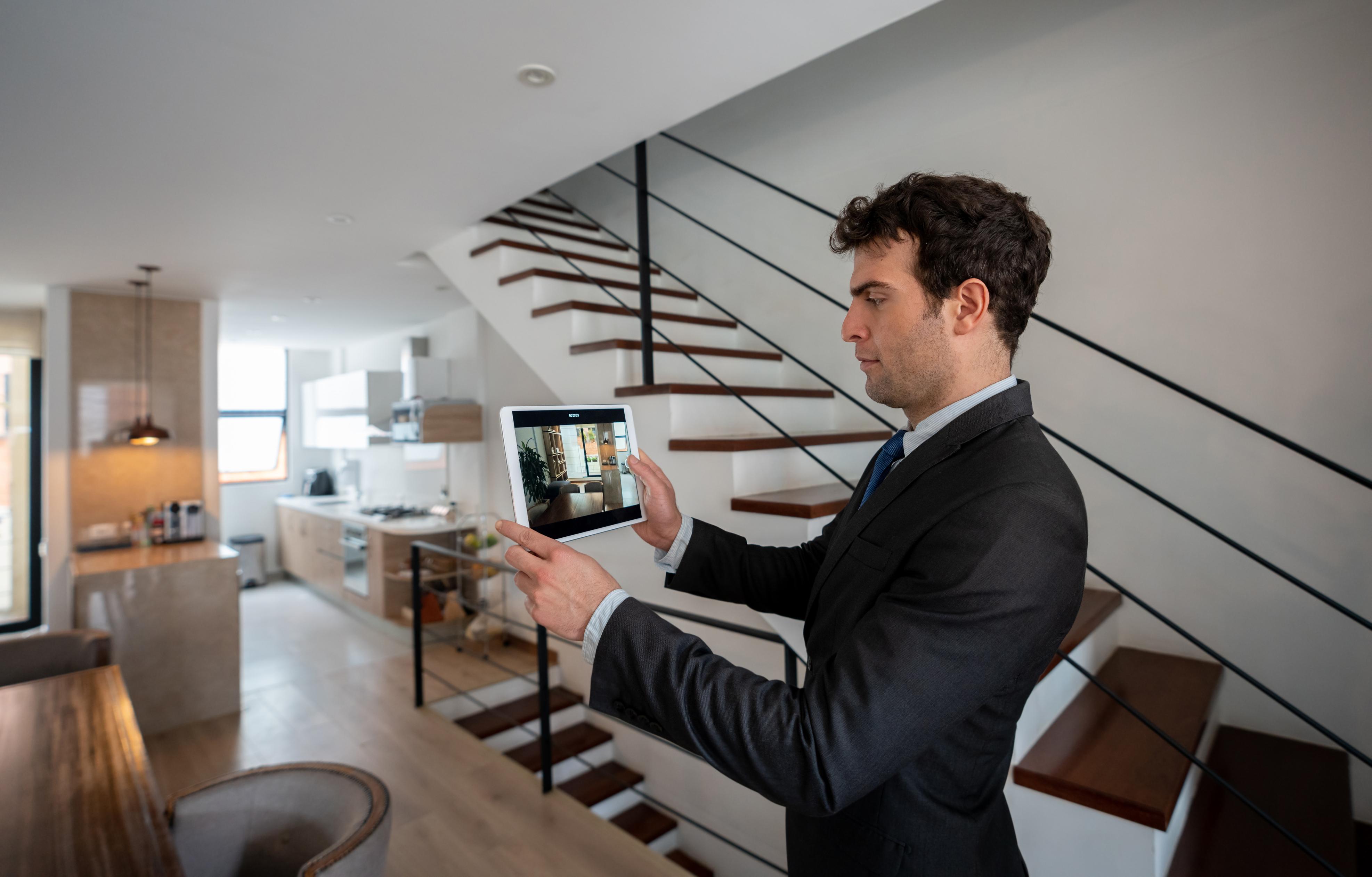
Owning a rental property is more than just collecting rent, it’s about maintaining value, ensuring tenant satisfaction, and protecting your investment. One question that often stirs debate among property owners is how often can a landlord inspect property?
If you’re an independent landlord or managing multiple units, regular inspections help you spot issues early, like leaks, damages, or neglect before they spiral into costly repairs. But there’s a fine line between being a responsible owner and an intrusive one. So, how do you strike the right balance?
In this article, we’ll break down how often landlords can inspect, explore the legal and ethical boundaries, and show you five key data points every landlord should track to keep your property running like clockwork. We’ll also explain how smart platforms like Platuni make inspection management effortless with automated reminders, digital logs, and tenant transparency tools.
Understanding the Legal Framework: How Often Can a Landlord Inspect Property?
The rules around inspections vary depending on location but generally, landlords must provide reasonable notice (typically 24 to 48 hours) before entering a property. Inspections should only occur at reasonable times, such as weekdays during daylight hours.
According to Martin & Co, landlords can conduct routine inspections once every three to six months unless urgent maintenance or lease violations require immediate attention. The goal isn’t to invade privacy, it's to maintain habitability and protect the property’s long-term health.
In Canada, most provinces follow similar standards. For instance:
- Ontario’s Residential Tenancies Act requires 24-hour written notice before an entry.
- British Columbia allows monthly inspections with proper notice.
- Alberta recommends inspection every six months or during lease renewal.
So, the short answer to “how often do landlords inspect?” depends on local law, but the best landlords balance compliance with communication.
You Can Also Read: How Often Can a Landlord Inspect Their Property?
Why Regular Inspections Matter More Than You Think
Many first time landlords shy away from inspections to “avoid tension” with tenants. But neglecting them can cost you thousands in the long run. Here’s why inspections are essential:
- Prevent Small Problems from Becoming Big Repairs: A leaky faucet might seem harmless until it damages cabinets or floors. Routine checks catch these early, saving you from expensive repairs.
- Maintain Compliance and Insurance Coverage: Most landlord insurance policies require proof of regular maintenance or inspections. Skipping them could void your policy during a claim.
- Strengthen Tenant Relationships: Transparent inspections build trust. Tenants appreciate proactive landlords who fix issues quickly rather than reacting after damage occurs.
- Protect Your ROI: A well-maintained property commands higher rent, attracts better tenants, and reduces turnover all key to maximizing your return on investment.
The Digital Advantage: Automating Inspections with Smart Tools
Modern landlords no longer rely on paper checklists and manual reminders. With digital property management tools like Platuni, landlords can schedule, track, and document inspections all in one place.
Here’s what automation brings to the table:
- Smart Scheduling: Set recurring reminders for quarterly or bi-annual inspections, no calendar clutter.
- Digital Checklists: Create standardized inspection templates for consistency.
- Photo Documentation: Upload before and after images directly to your property dashboard.
- Tenant Notifications: Notify tenants automatically via email or text, maintaining transparency and reducing disputes.
- Secure Records: Store inspection logs digitally for easy access during audits or insurance claims.
In short, platforms like Platuni make inspections seamless, compliant, and data driven, helping landlords save time and make smarter decisions.
The 5 Data Points Every Landlord Should Track During Inspections
To truly benefit from regular inspections, it’s not just about “checking the box”, it’s about tracking the right data.
Here are five crucial data points to monitor every time you inspect:
1. Property Condition Index (PCI)
Keep a record of the property’s physical state over time. Note changes in structure, paint, flooring, and fixtures. This helps estimate depreciation and plan upgrades proactively.
Pro Tip: Use Platuni’s property dashboard to log condition reports and generate trend insights across multiple units.
2. Maintenance Frequency
Track how often issues like plumbing, heating, or electrical repairs occur. If a particular system breaks down repeatedly, it’s time for a long term fix, not another patch-up. Spotting an issue is only helpful if you follow up on it. Be it a leaky tap or a bad light switch, acting quickly shows your tenants that you care and helps prevent small problems becoming bigger ones.
3. Tenant Behavior Trends
Are tenants reporting damages promptly? Are they following lease maintenance rules? Tracking this helps you identify responsible renters or patterns of negligence.
4. Energy and Utility Efficiency
Monitor energy usage, leaks, or inefficiencies. Smart landlords use this data to plan sustainability upgrades and reduce operating costs.
5. Cost-to-Repair Ratio
Measure how much you’re spending on maintenance relative to rental income. If this ratio increases, it’s time to re-evaluate your maintenance strategy or tenant screening process.
How Platuni Simplifies Inspection Management
Platuni isn’t just another property tool, it’s a complete property relationship platform built to empower small landlords.
Here’s how it changes the inspection game:
- Centralized Dashboard: Manage all your properties, tenants, and inspection records from one platform.
- Automated Communication: No need to chase tenants, notifications and updates are sent automatically.
- Compliance Made Easy: Stay aligned with local laws by tracking notice periods and inspection history.
- Custom Reports: Generate detailed inspection and maintenance summaries for financial tracking.
- Tenant Transparency: Build trust through visible updates and open communication channels.
Whether you manage one unit or ten, Platuni helps you maintain professionalism and consistency, the hallmarks of a successful modern landlord.
You Can Also Read: Why Independent Landlords Are Switching to Digital Dashboards
Balancing Inspections and Tenant Privacy
Remember, transparency is everything. Notify tenants early, explain the purpose of each inspection, and always follow local privacy laws.
A good rule of thumb will be to inspect quarterly or bi-annually, unless there’s an emergency. The key is clear communication, not constant supervision.
If you’re unsure of local regulations, check your state or provincial housing authority’s website or consult resources like Nolo’s Landlord Legal Center.
Conclusion
As the rental market evolves, landlords who embrace data-driven inspection practices are the ones staying ahead. Regular inspections protect your investment, build stronger tenant relationships, and ensure compliance but doing it manually can be exhausting.
That’s where Platuni steps in. With smart dashboards, automated reminders, and centralized reports, you can focus on growth, not guesswork.
Ready to manage smarter? Join the growing community of forward-thinking landlords on Platuni Business Accounts - where inspection, communication, and efficiency come together.
Frequently Asked Questions About Landlord Inspections
How often can a landlord inspect property?
Typically every three to six months, with at least 24–48 hours’ notice, depending on local laws.
Can a tenant refuse an inspection?
Only if the inspection notice doesn’t comply with notice requirements. Otherwise, tenants must allow entry for lawful reasons like maintenance or safety.
What should be included in an inspection checklist?
Include plumbing, electrical, flooring, appliances, safety devices, and signs of unauthorized alterations or pets.
Can inspections be done digitally?
Yes. Tools like Platuni let landlords conduct and record inspections digitally, improving accuracy and transparency.
What happens if I skip inspections?
You risk costly damages, insurance disputes, and tenant issues all avoidable with proactive management.
Stay Informed
Subscribe to the Platuni B2B Newsletter to receive industry insights,
new feature announcements, and exclusive growth reports
Related Posts

SEPTEMBER 22, 2026
How to Build a Rental Maintenance Workflow From Request to Completion
Defines what should happen after a maintenance request comes in, logging, prioritizing, assigning, verifying, and documenting the repair through to completion.
Learn more
SEPTEMBER 22, 2026
QuickBooks vs Property Management Software for Rental Properties
Explains why QuickBooks and property management software solve different problems, and when a landlord needs one, the other, or both.
Learn more