
Technology & Automation
Automated Property Management: Benefits and Tools
by Platuni | 01 Feb, 2026 | 10 mins read
Platuni
01 February, 2026
10 mins read

Imagine a world where overdue tenant reminders send themselves, maintenance requests are assigned automatically to the right vendor, rent gets collected without a single phone call, and your property portfolio expands without adding hours to your workweek. That’s not a futuristic dream, it’s the reality of automated property management. With the rise of advanced technologies and cloud-based systems, property owners and managers are transforming how they operate, cutting costs, improving tenant satisfaction, and freeing up time to focus on strategic growth.
According to multiple industry sources, automation helps property management teams streamline repetitive tasks, reduce errors, and enhance customer experiences all of which contribute to operational efficiency and portfolio scalability. Platforms like Platuni bring these benefits into a structured workflow, helping landlords and property managers connect operational data with financial tracking and communication tools, making automation not just a convenience but a competitive advantage.
In this comprehensive guide, we’ll explore what automated property management really means, its core benefits, the tools that make it possible, and how you can leverage automation to run smoother, more profitable rental operations.
Also Read: Common Landlord-Tenant Issues and How to Resolve Them
What Is Automated Property Management?
Automated property management refers to the use of technology, especially software platforms to handle routine tasks that would otherwise be manual, time-consuming, and error pronetenant communication tools. These include rent collection, lease renewals, tenant communications, maintenance tracking, financial reporting, and compliance documentation. With automation, processes that once required daily attention are executed at the right time without direct human input.
Automation systems often operate through cloud-based property management software, integrating multiple tasks into one platform that allows property managers to work more efficiently regardless of their location.
Core Benefits of Automated Property Management
1. Significant Time Savings
By automating routine tasks such as rent reminders, online payments, and document generation, property managers can reclaim hours each week previously spent on manual work. This time can then be devoted to high-value activities like tenant relations and growth strategy. Automated systems can manage repetitive tasks 24/7, helping teams handle larger workloads without scaling staffing proportionally.
2. Reduced Operational Costs
Automation reduces dependency on manual administrative labor reducing overhead and minimizing errors that can lead to costly fixes. For instance, avoiding missed rent reminders minimizes late payments and associated follow-ups. As automation systems standardize workflows, businesses avoid redundancy, eliminate repetitive tasks, and capture efficiencies that boost overall profitability.
3. Fewer Errors and Greater Consistency
Manual data entry and paper-based tracking are prone to mistakes. Automated systems ensure consistency and accuracy in financial records, lease dates, service schedules, and compliance documentation, minimizing the risk of errors that could lead to disputes or regulatory issues.
4. Enhanced Tenant Experience
Automation can dramatically improve the tenant experience. With online portals and automated communications, residents can pay rent, submit maintenance requests, access documents, and receive updates at their convenience. This responsiveness builds trust and often leads to higher retention rates.
5. Scalable Operations Without Added Headcount
A major strategic advantage of automation is scalability. As portfolio size increases, automation tools enable managers to take on more units without a matching increase in staff. Tasks like rent collection, background screening, reminders, and reporting can all be managed automatically enabling growth without proportional costs.
6. Better Maintenance Management
Automated maintenance systems allow tenants to submit requests via online platforms, automatically assign work orders, and track completion status. This not only speeds up response times but also helps managers stay ahead of problems before they escalate.
7. Real-Time Reporting and Analytics
Automated dashboards compile operational and financial data in real time, enabling property managers to monitor trends in occupancy, cash flow, and service requests. These insights support strategic decisions like pricing adjustments, marketing investments, and expansion timing.
Key Automation Tools for Property Management
Automated property management involves several categories of tools and systems. Below are some of the most impactful:
1. Rent Collection and Accounting Software
These tools automate rent payments with online portals, recurring payment options, automated reminders, and seamless integration with financial reporting. Integrations with accounting systems reduce manual entries and help with tax and owner reporting.
2. Lease Management and Document Automation
Digital lease platforms automate lease generation, approvals, electronic signatures, and secure storage. Automated reminders ensure that renewal notices and critical dates are never missed.
3. Maintenance and Work Order Systems
Software that tracks maintenance requests, schedules inspections, logs service histories, and enables tenant updates reduces response times and helps managers manage vendor assignments efficiently.
4. Communication and Messaging Automation
Automated messaging systems send alerts via SMS, email, or app notifications for rent due reminders, maintenance updates, community announcements, and lease notices enhancing communication consistency.
5. Reporting and Analytics Tools
Dashboards that gather data from financials, tenant activity, and operational tasks provide real-time insights, enabling strategic decision-making and forecasting.
How Platuni Supports Automated Property Management
Platforms like Platuni bring automation into the everyday workflows of property managers by centralizing operational, financial, and tenant data into a structured system. With automation integrated into a single platform, landlords can:
- Automate rent reminders and track payments without manual entry
- Schedule and track maintenance work orders systematically
- Centralize lease documents, communication logs, and compliance records
- Generate real-time reports that combine financial and operational data
By bringing multiple automated functions into one platform, Platuni reduces fragmentation and helps property managers operate more efficiently, with fewer tools to juggle and more consistency across properties.
Download the Platuni Property Manager App Today
Best Practices for Implementing Automated Property Management
1. Start with a Clear Needs Assessment
Map out all current manual tasks and identify where automation will have the biggest impact. Prioritize areas like rent collection, communication, and maintenance tracking.
2. Choose Scalable Tools
Select software that can grow with your portfolio. Cloud-based platforms are often more adaptable, offer remote access, and integrate with other tools like accounting and communication systems.
3. Standardize Data and Processes
Clean, consistent data ensures automation functions correctly. Standardize property and tenant information to avoid errors when migrating to automated systems.
4. Train Your Team
Even the best automation tools require proper setup and usage. Provide training to ensure your team understands how to use features, interpret reports, and respond to automated alerts effectively.
5. Monitor and Optimize
Regularly review automated workflows to identify issues and areas for improvement. Automation is not a set-and-forget solution, ongoing tuning ensures sustained performance gains.
Conclusion
Automated property management is a transformative shift in how rental properties are operated, offering significant gains in efficiency, accuracy, tenant experience, and scalability. By automating repetitive tasks such as rent collection, lease renewals, and maintenance requests, property managers free up time and resources to focus on strategic decision-making and growth. Tools like Platuni integrate automation into a centralized platform, helping property owners run operations more smoothly, reduce errors, and unlock capacity for expansion.
In an era of growing rental portfolios and increasing expectations from tenants, adopting automation is no longer optional, it’s a strategic imperative for long-term success.
Frequently Asked Questions on Automated Property Management
What is automated property management?
Automated property management uses software to handle routine tasks, such as rent reminders, maintenance tracking, and lease renewals without manual intervention, improving efficiency and consistency.
How does automation improve tenant satisfaction?
Automation enhances tenant experience by allowing online rent payments, real-time updates on requests, and automated communications, leading to faster responses and clearer interactions.
Can automation reduce property management costs?
Yes, by reducing manual labor, minimizing errors, and streamlining workflows, automation helps lower operational expenses and improve cash flow predictability.
What tasks can be automated in property management?
Common automated tasks include rent collection and reminders, lease document generation, maintenance request tracking, tenant communications, and financial reporting.
Stay Informed
Subscribe to the Platuni B2B Newsletter to receive industry insights,
new feature announcements, and exclusive growth reports
Related Posts
SEPTEMBER 21, 2026
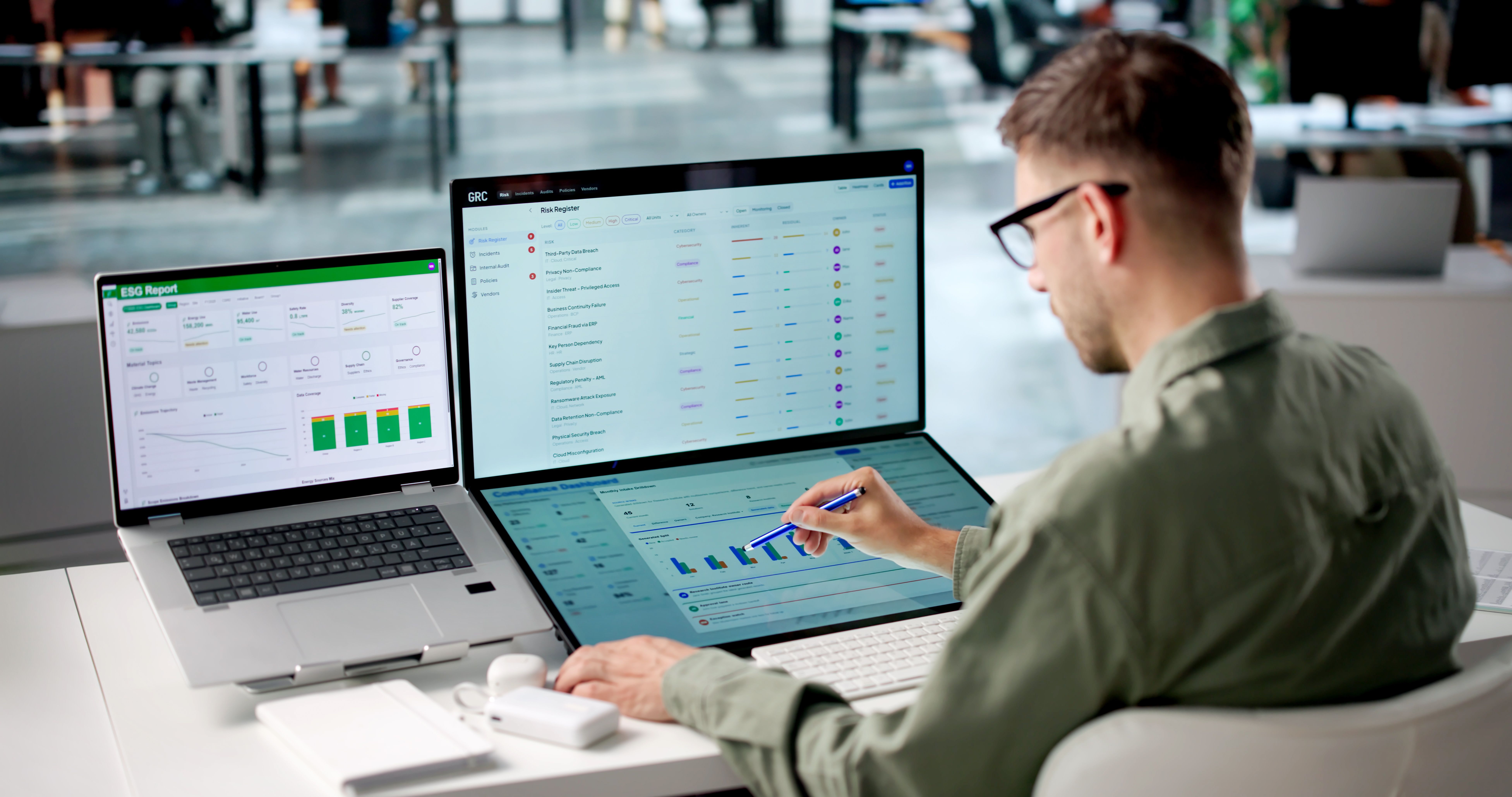
How to Automate Rental Property Management: 10 Tasks Landlords Can Stop Doing Manually
Ten repetitive landlord tasks, rent reminders, payment checks, report building, that automation can take over while judgment calls stay with the landlord.
Learn more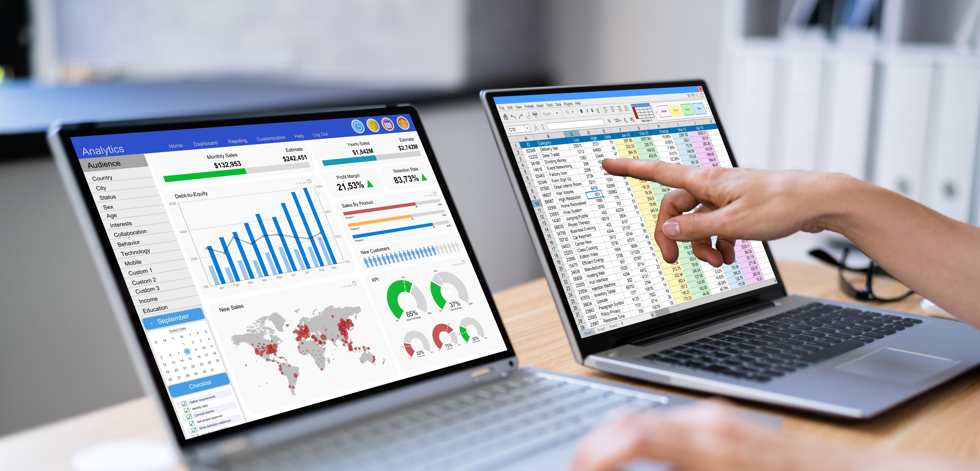
SEPTEMBER 18, 2026
Leasing Automation Software for Property Managers: What It Automates & What It Costs (2026)
Which steps in the leasing workflow are actually worth automating, what that automation costs, and who it isn't worth it for.
Learn more