
Property Management & Operations
Are Landlords Responsible for Pest Control in Ohio?
by Platuni | 27 Feb, 2026 | 7 mins read
Platuni
27 February, 2026
7 mins read
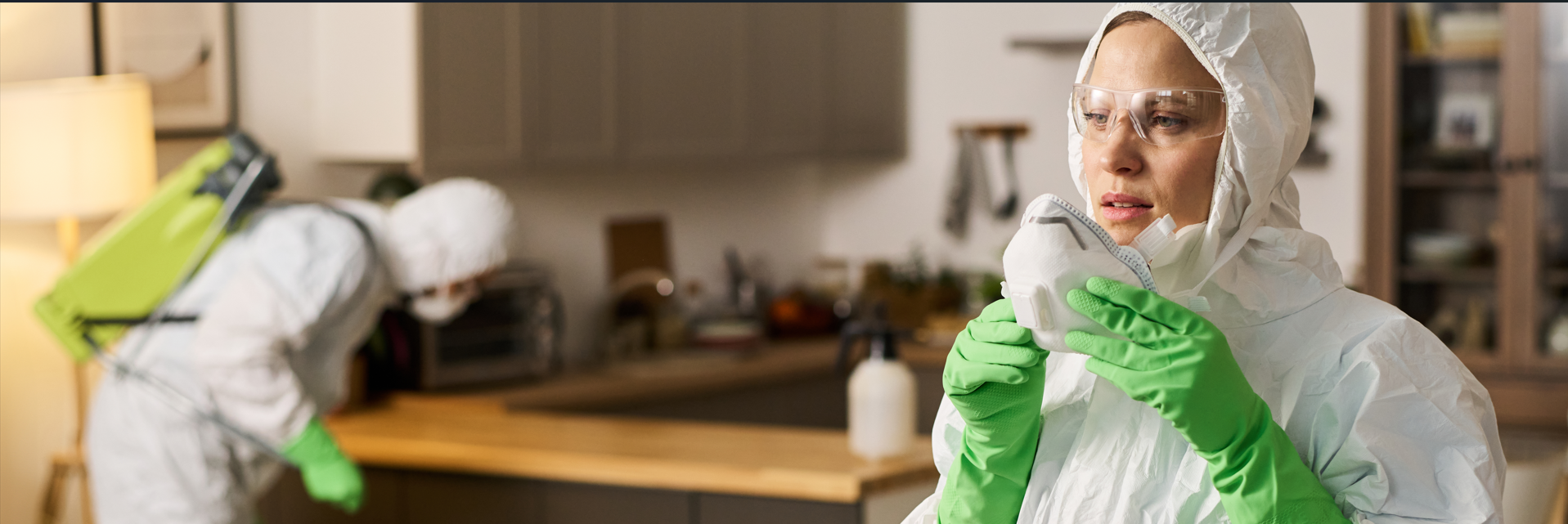
Pest problems can escalate quickly in rental properties, turning small complaints into legal disputes. Many property owners and tenants often ask, are landlords responsible for pest control in Ohio when infestations appear? Under the Ohio Landlord-Tenant Act (Ohio Revised Code § 5321.04), landlords must maintain rental premises in a fit and habitable condition, which can include addressing pest issues that affect health and safety. Failing to act may lead to rent withholding, legal claims, or costly repairs. Clarity on whether landlords are responsible for pest control in Ohio protects both income and compliance.
Uncertainty grows when responsibility depends on timing, cause, and lease terms. Property owners and tenants commonly ask:
- Are landlords responsible for pest control in Ohio for bed bugs or rodents?
- Does tenant negligence shift responsibility?
- What does Ohio law say about habitability and infestations?
- Can a tenant withhold rent if pests are not treated?
- How do lease clauses affect pest control obligations?
These questions highlight how easily confusion can turn into conflict.
This guide answers whether landlords are responsible for pest control in Ohio with clear legal explanations and practical examples. Platuni breaks down Ohio statutes, explains real-world scenarios, and shows how smart lease drafting prevents disputes. Our goal is simple: help landlords stay compliant and help tenants understand their rights. With Platuni’s guidance, rental relationships become clearer, disputes decrease, and properties remain safe, healthy, and profitable.
Also Read: What Are Landlords Responsible for in BC? Legal Guide
Landlord’s Responsibility in terms of Pest Control in Ohio
In Ohio, landlords are generally responsible for pest control to maintain a "fit and habitable" premise, as mandated by Ohio Revised Code 5321.04. Landlords must handle infestations of rodents, insects, or other pests, especially if they are not caused by the tenant's negligence.
We often see confusion about whether pest control falls on the landlord or tenant. Ohio law does not list every specific pest, but it requires landlords to comply with health and building codes and keep properties fit for living. Therefore, responsibility depends on habitability standards, lease terms, and the cause of the infestation. Tenants should provide written notice of pest issues.
Ohio Landlord Maintenance Duties (Ohio Revised Code § 5321.04)
The primary statute answering are landlords responsible for pest control in Ohio is Ohio Revised Code (ORC) § 5321.04(A).
Under this law, landlords must:
- Comply with building, housing, health, and safety codes
- Make necessary repairs
- Keep common areas safe and sanitary
- Maintain electrical, plumbing, heating, and structural systems
If pest infestations violate health or housing codes, landlords must address them.
Therefore, are landlords responsible for pest control in Ohio when infestation makes a property unsafe? Yes, under ORC § 5321.04.
Also Read: New Jersey Landlord Responsibilities: Legal Overview
Tenant Duties (Ohio Revised Code § 5321.05)
Tenant responsibilities also matter.
Under ORC § 5321.05, tenants must:
- Keep the premises safe and sanitary
- Dispose of garbage properly
- Maintain plumbing fixtures
- Avoid damaging the property
If a tenant’s negligence causes infestation, responsibility may shift.
Therefore, are landlords responsible for pest control in Ohio when the tenant creates unsanitary conditions? Not necessarily. Courts examine fault.
Habitability and Health Code Compliance
Ohio law requires landlords to comply with local housing and health codes. Many cities enforce sanitation rules that require pest-free environments.
Serious infestations involving:
- Rodents
- Cockroaches
- Bedbugs
- Fleas
Therefore, are landlords responsible for pest control in Ohio when infestation breaches health codes? Yes, compliance with local codes becomes mandatory under ORC § 5321.04.
Also Read: Landlord Responsibilities in New York State: Legal Guide
Multi-Unit vs. Single-Family Rentals
Property type affects responsibility.
In multi-unit buildings, infestations often spread through shared walls and ventilation systems. Courts typically place responsibility on landlords for common-area or building-wide infestations.
In single-family homes, lease agreements may assign routine pest control to tenants. However, structural defects remain the landlord’s duty.
Therefore, are landlords responsible for pest control in Ohio in every rental? It depends on property structure and lease terms.
Bedbugs and Structural Issues
Ohio statutes do not specifically name bedbugs. However, courts treat severe bedbug infestations as habitability violations.
If the infestation:
- Spreads between units
- Results from structural cracks
- Impacts multiple tenants
The landlord usually must coordinate treatment. Therefore, are landlords responsible for pest control in Ohio when bedbugs affect multiple units? In most multi-family settings, yes.
Also Read: Landlord Responsibilities in Florida: Legal Overview
Notice Requirements Before Legal Action (ORC § 5321.07)
Tenants must follow specific steps before withholding rent or terminating a lease.
Under ORC § 5321.07, tenants must:
- Provide written notice describing the problem
- Allow reasonable time for repair (usually 30 days, or sooner for emergencies)
- Give the landlord an opportunity to fix the issue
If the landlord fails to act, tenants may:
- Deposit rent with the court
- Request a court order
- Terminate the lease
Therefore, are landlords responsible for pest control in Ohio immediately after a complaint? They must respond within a reasonable timeframe after receiving written notice.
Rent Escrow and Legal Remedies
Ohio law allows tenants to use a rent escrow process under ORC § 5321.07 if landlords fail to fix serious issues.
Tenants can deposit rent with the municipal court rather than paying the landlord.
Courts then determine whether the landlord complied with maintenance obligations.
Therefore, are landlords responsible for pest control in Ohio to the extent tenants can use escrow remedies? Yes, if infestation violates statutory duties and remains uncorrected.
Also Read: Landlord Responsibilities in California: Legal Overview
Structural Maintenance Obligations
Landlords must maintain structural components under ORC § 5321.04.
If structural issues such as:
- Cracks in foundations
- Broken windows
- Damaged roofing
- Faulty plumbing
allow pests to enter, responsibility remains with the landlord.
Therefore, are landlords responsible for pest control in Ohio when structural neglect causes infestation? Yes, structural maintenance is clearly a landlord duty.
Preventive Pest Control Practices
Ohio law emphasizes compliance with health and safety standards. Preventive pest control reduces disputes and liability.
We recommend landlords:
- Schedule routine inspections
- Seal entry points
- Maintain sanitation in common areas
- Document pest control treatments
Using property management tools like Platuni helps track maintenance requests, invoices, and communication logs. Organized documentation protects landlords if legal disputes arise.
Clear records help answer questions about whether are landlords responsible for pest control in Ohio in specific cases.
Also Read: What a Landlord Cannot Do in Georgia: Legal Limits
Legal Consequences for Non-Compliance
If landlords fail to comply with ORC § 5321.04, consequences may include:
- Rent escrow actions
- Lease termination
- Court-ordered repairs
- Damages and attorney fees
Municipal health departments may also issue citations.
Understanding whether are landlords responsible for pest control in Ohio helps landlords avoid unnecessary legal exposure.
Best Practices for Ohio Landlords
We advise landlords to:
- Include pest control terms in lease agreements
- Respond promptly to written notices
- Hire licensed exterminators
- Keep repair documentation
- Maintain structural integrity
Proactive compliance prevents court disputes and financial loss.
Also Read: What a Landlord Cannot Do in Oregon: Legal Rules
Conclusion
Are landlords responsible for pest control in Ohio? Yes, particularly when infestations affect habitability, violate housing codes, or result from structural defects. Ohio Revised Code § 5321.04 establishes the landlord’s duty to maintain safe and sanitary premises.
We recommend landlords:
- Understand statutory maintenance obligations
- Act quickly after written notice
- Document all pest control efforts
- Maintain strong lease agreements
Using tools like Platuni strengthens recordkeeping and compliance management.
Clear understanding of whether are landlords responsible for pest control in Ohio ensures lawful property management and protects long-term investment value.
Frequently Asked Questions on Landlord Responsibility for Pest Control in Ohio
Are landlords responsible for pest control in Ohio apartments?
Yes. In multi-unit buildings, landlords usually must address infestations that affect common areas or multiple units.
Are landlords responsible for pest control in Ohio single-family homes?
It depends on the lease and the cause of infestation. Structural issues remain the landlord’s duty.
Can tenants withhold rent for pest problems in Ohio?
Tenants must follow ORC § 5321.07 and may deposit rent with the court if landlords fail to act after notice.
Are landlords responsible for pest control in Ohio for bedbugs?
Yes, especially if the infestation affects habitability or spreads across multiple units.
Stay Informed
Subscribe to the Platuni B2B Newsletter to receive industry insights,
new feature announcements, and exclusive growth reports
Related Posts

SEPTEMBER 22, 2026
How to Build a Rental Maintenance Workflow From Request to Completion
Defines what should happen after a maintenance request comes in, logging, prioritizing, assigning, verifying, and documenting the repair through to completion.
Learn more
SEPTEMBER 22, 2026
QuickBooks vs Property Management Software for Rental Properties
Explains why QuickBooks and property management software solve different problems, and when a landlord needs one, the other, or both.
Learn more