
Property Management Checklist for Landlords
by Platuni | 12 Oct, 2026 | 5 mins read
Platuni
12 October, 2026
5 mins read
Managing a rental property can feel overwhelming, especially when multiple responsibilities pile up at once. From tenant screening and rent collection to maintenance, legal compliance, and recordkeeping, even experienced landlords can miss critical steps without a clear system in place. That is why having a reliable checklist for property management is not just helpful, it is essential.
According to guidance from housing authorities such as the U.S. Department of Housing and Urban Development (HUD), many landlord-tenant disputes arise not from bad intentions, but from missed steps, unclear documentation, or inconsistent processes. A structured checklist helps landlords stay compliant, protect their investment, and deliver a better experience for tenants. Whether you manage one rental unit or an entire portfolio, a well-designed checklist for property management turns complex responsibilities into manageable actions.
This guide breaks down a practical, end-to-end checklist for landlords. It covers everything from pre-leasing tasks to move-out procedures, ongoing management, and long-term planning. You will also learn how using digital tools like Platuni can simplify checklist execution and reduce costly mistakes. Throughout the guide, we will return to one core idea: a strong checklist for property management is the foundation of a successful rental business.
Also Read: Free Rental Ledger Template: Track Rent Payments Accurately
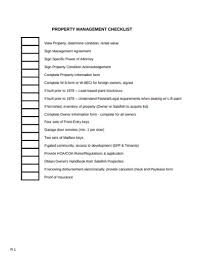
Every Landlord Needs a Property Management Checklist
Landlords juggle legal, financial, and operational duties at the same time. Missing even one step, such as failing to document a repair request or forgetting a legally required disclosure can lead to disputes, fines, or lost income.
A checklist for property management helps landlords:
- Stay compliant with landlord-tenant laws
- Maintain consistent standards across properties
- Reduce vacancies and tenant turnover
- Track responsibilities and deadlines
- Save time and mental energy
Instead of reacting to problems, landlords who use a checklist operate proactively. This shift alone can dramatically improve profitability and peace of mind.
Phase 1: Pre-Leasing Checklist for Property Management
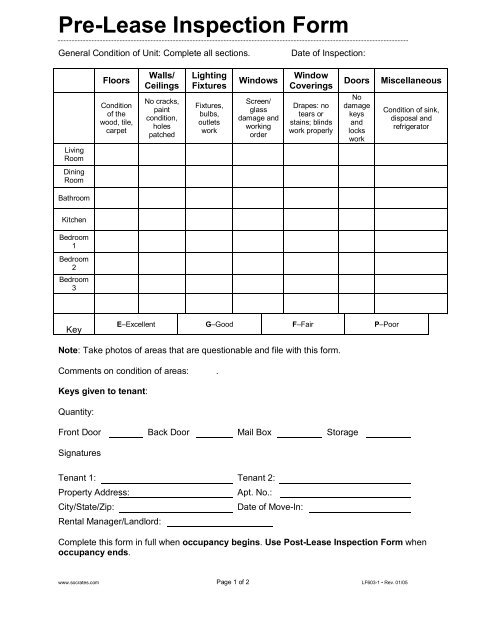
Before a property is listed for rent, several foundational tasks must be completed. Skipping this phase often leads to maintenance issues, poor tenant matches, or legal exposure later.
#1. Property Readiness and Safety
The first step in any checklist for property management is ensuring the property is safe, habitable, and legally rentable. Most landlord-tenant laws require landlords to provide housing that meets basic habitability standards, including working utilities, safe structures, and functional appliances. Key areas to review include plumbing, electrical systems, heating and cooling, smoke and carbon monoxide detectors, locks, windows, and common areas. Any issues should be addressed before marketing the unit.
#2. Market Analysis and Rent Pricing
Setting the right rent is both a financial and strategic decision. Overpricing leads to vacancies, while underpricing reduces long-term returns. A proper checklist for property management includes reviewing comparable rentals, market demand, and seasonal trends before listing. Accurate pricing also helps attract qualified tenants and reduces the need for frequent rent adjustments.
#3. Legal Disclosures and Documentation
Many jurisdictions require landlords to provide specific disclosures before or at lease signing. These may include lead-based paint disclosures, mold notices, or information about tenant rights. Preparing these documents in advance ensures compliance and professionalism.
Phase 2: Tenant Screening and Leasing Checklist
Tenant selection is one of the most important parts of property management. A structured checklist for property management helps landlords apply consistent, fair screening standards while reducing risk.
#1. Rental Application Process
Every applicant should complete a standardized rental application. This ensures you collect consistent information and avoid discrimination claims. Applications typically include employment details, income verification, rental history, and consent for background checks.
#2. Screening and Verification
Tenant screening often includes credit checks, criminal background checks (where permitted by law), eviction history, and reference verification. Fair housing laws require that screening criteria be applied equally to all applicants. A checklist helps ensure that no step is skipped and that decisions are documented properly.
#3. Lease Agreement Preparation
The lease is the backbone of the landlord-tenant relationship. A proper checklist for property management includes reviewing lease terms carefully, ensuring they align with current laws, and clearly outlining rent, fees, maintenance responsibilities, and rules. Before signing, landlords should confirm that all parties understand the lease and that required disclosures are attached.
Also Read: Chicago Landlord-Tenant Ordinance: What You Need to Know
Phase 3: Move-In Checklist for Property Management
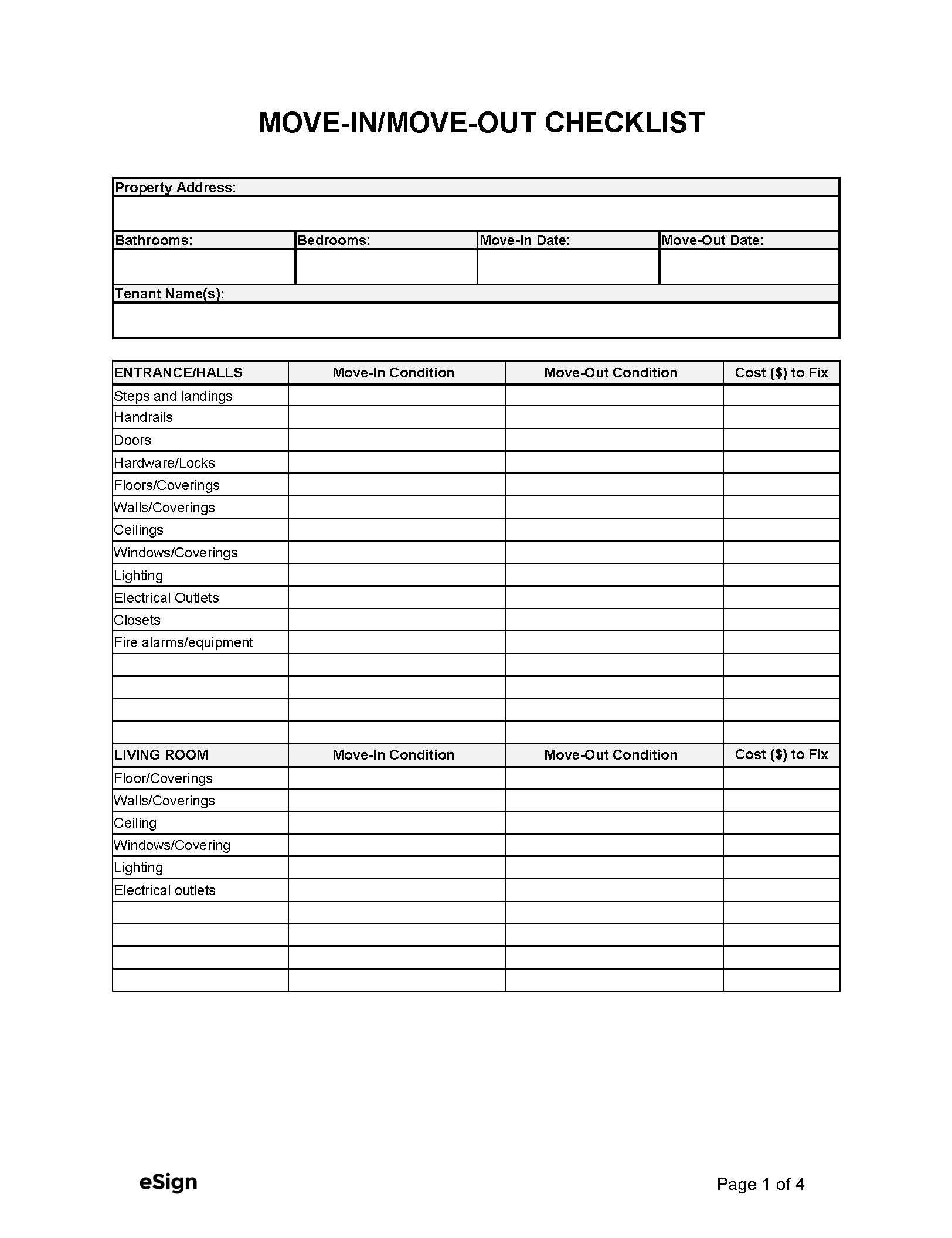
The move-in phase sets the tone for the entire tenancy. Clear communication and documentation during this stage prevent disputes later.
#1. Move-In Inspection and Condition Report
A move-in inspection documents the property’s condition at the start of the lease. Both landlord and tenant should review and acknowledge this report. Photos and written notes provide valuable evidence if disagreements arise at move-out.
#2. Utility Setup and Access
The checklist should confirm that utilities are active, keys or access codes are provided, and tenants know how to submit maintenance requests or contact management.
#3. Rent Collection Setup
Rent payment methods should be explained clearly. Many landlords now use digital platforms to automate rent collection, track payments, and reduce late fees. Including this step in your checklist for property management improves consistency and cash flow.
Phase 4: Ongoing Property Management Checklist
Once a tenant moves in, ongoing management begins. This is where many landlords feel overwhelmed without a clear system.
#1. Maintenance and Repairs
Routine maintenance protects property value and ensures habitability. A checklist for property management includes scheduling regular inspections, responding promptly to repair requests, and documenting all maintenance activity.
Preventive maintenance, such as servicing HVAC systems or checking for leaks, reduces costly emergency repairs later.
#2. Rent Tracking and Financial Records
Accurate financial records are essential for budgeting, tax reporting, and performance analysis. Landlords should track rent payments, expenses, fees, and invoices consistently. A checklist ensures that nothing slips through the cracks, especially when managing multiple properties.
#3. Communication and Documentation
All tenant communication especially regarding repairs, notices, or lease changes should be documented. This protects both parties and provides a clear history if disputes arise.
Phase 5: Legal and Compliance Checklist
Laws governing rental housing change frequently. A strong checklist for property management includes periodic legal reviews to ensure policies remain compliant.
#1. Notices and Entry Requirements
Most jurisdictions require landlords to give advance notice before entering a rental unit, except in emergencies. Tracking notice requirements prevents violations of tenant privacy rights.
#2. Rent Increases and Lease Renewals
Rent increases must follow local rules regarding notice periods and caps. Lease renewals should be documented properly, with updated terms if needed.
Also Read: How Predictive Analytics Is Shaping the Future of Tenant Screening
#3. Eviction and Dispute Handling
If eviction becomes necessary, landlords must follow strict legal procedures. A checklist ensures proper notice delivery, documentation, and court filing steps are followed exactly.
Phase 6: Move-Out Checklist for Property Management
The move-out process is just as important as move-in. A clear checklist helps close the tenancy smoothly and fairly.
#1. Move-Out Inspection
Comparing the move-out condition to the move-in report helps determine whether damage exceeds normal wear and tear. This step is critical for handling security deposits correctly.
#2. Security Deposit Accounting
Most laws require deposits to be returned within a specific timeframe, along with an itemized list of deductions if applicable. Missing deadlines can result in penalties.
#3. Property Turnover Preparation
Cleaning, repairs, and updates should be scheduled promptly to minimize vacancy time. The checklist ensures the property is ready for the next tenant efficiently.
| Phase | Key Focus Areas |
|---|---|
| Pre-Leasing | Safety, pricing, disclosures |
| Leasing | Screening, lease drafting |
| Move-In | Inspections, access, rent setup |
| Ongoing | Maintenance, records, communication |
| Compliance | Notices, renewals, legal updates |
| Move-Out | Inspections, deposits, turnover |
This table gives landlords a bird’s-eye view of a complete checklist for property management.
Also Read: Top 5 Rental Business Ideas with High ROI
Common Mistakes a Checklist Helps Prevent
Without a checklist, landlords often forget small but important tasks. A structured checklist for property management reduces these risks by creating repeatable processes. Common issues include
- Missed disclosures,
- Undocumented repairs,
- Inconsistent screening,
- Late deposit returns, and
- Poor recordkeeping.
How Platuni Improve Checklist Execution
Modern property management platforms like Platuni help landlords centralize tasks, documents, and communication. Instead of juggling spreadsheets, emails, and paper files, landlords can manage their checklist digitally. Platuni allow reminders, document storage, maintenance tracking, and transparent fee management, all of which strengthen checklist compliance and reduce stress.
Start Free Trial with Platuni Today
Try Downloading the Platuni Property Manager App Today!
Not all rentals are the same. Single-family homes, multi-unit buildings, and short-term rentals may require different checklist items. The key is flexibility. A strong checklist for property management can be adapted while maintaining core principles like compliance, documentation, and communication.
Conclusion
Property management does not have to feel chaotic. A well-structured checklist for property management transforms a long list of responsibilities into a clear, repeatable system. It protects landlords legally, improves tenant relationships, and preserves property value over time. Whether you are a new landlord or a seasoned investor, adopting a comprehensive checklist, and supporting it with the right tools, can make property management more efficient, less stressful, and far more successful.
Frequently Asked Questions on Property Management Checklist
Why is a checklist for property management important?
A checklist helps landlords stay organized, compliant, and consistent. It reduces mistakes, saves time, and improves tenant satisfaction.
How often should landlords review their property management checklist?
At least once a year, or whenever laws change. Regular reviews ensure the checklist stays accurate and effective.
Can small landlords benefit from a checklist?
Yes. Even landlords with one property benefit from having a clear checklist to track responsibilities and deadlines.
Should a checklist be digital or paper-based?
Either can work, but digital checklists are easier to update, share, and automate, especially for growing portfolios.
Stay Informed
Subscribe to the Platuni B2B Newsletter to receive industry insights,
new feature announcements, and exclusive growth reports