
Property Management & Operations
Rental Application Form Templates: Free and Paid Options
by Platuni | 26 Jan, 2026 | 15 mins read
Platuni
26 January, 2026
15 mins read
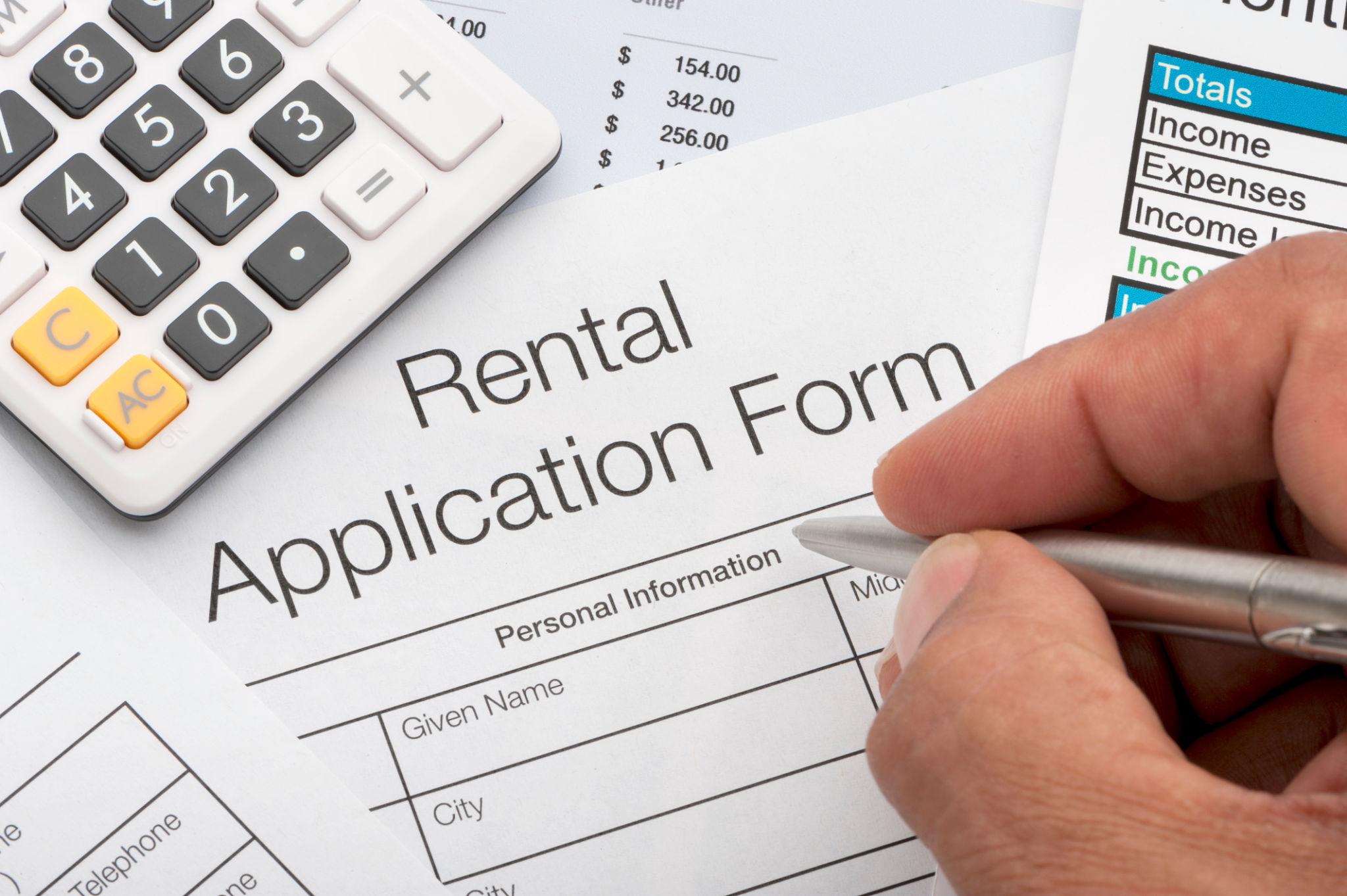
Choosing the right tenant can make or break a rental experience, not just financially, but emotionally and legally. Whether you’re a first-time landlord or managing a growing portfolio, your first step in any tenant screening process is a well-crafted rental application form template. A strong application form helps you collect the right information, vet applicants efficiently, and make informed decisions, while also ensuring fairness and legal compliance.
Think of a rental application like a tenant “resume”, it shows who they are, how they’ve behaved in the past, and if they have the means and integrity to honor a tenancy agreement. Using a standardized form also protects you from inconsistencies that could lead to disputes or legal risk. Application forms are essential for gathering necessary personal, financial, and rental history information from prospective tenants.
In this guide, we’ll cover what rental application form templates are, what key sections they should include, free and paid template options.
What Is a Rental Application Form Template?
A rental application form template is a pre-designed document landlords and property managers use to collect consistent information from prospective tenants. It usually includes fields for personal details, rental history, income and employment verification, references, and consent for background and credit checks.
This form is typically completed before a lease is signed so you can assess whether a tenant is likely to meet lease obligations, pay rent on time, and maintain the property responsibly. A good rental application should feel familiar, structured, professional, and easy to complete while being comprehensive enough to support screening decisions.
Also Read- Rental Property Application Template: What to Include & Free Examples
Why Rental Application Templates Matter
Using a standardized template helps landlords:
- Collect consistent information: Every applicant answers the same questions in the same order.
- Compare tenants fairly: Side-by-side comparisons become easier when all forms follow the same structure.
- Stay legally compliant: A well-designed form avoids prohibited questions that could violate fair housing laws (more on this later).
- Streamline screening: Templates set the stage for background and credit checks, income verification, and reference checks, forming the foundation of responsible tenant selection.
According to screening flow guidelines, incomplete or poorly managed applications can lead to rushed decisions that may result in evictions, nonpayment, or property damage later on. Templates reduce those risks by creating a predictable process.
Key Sections Every Rental Application Form Template Should Include
While forms vary slightly based on property type or jurisdiction, most comprehensive rental application templates include the following core sections:
1. Property & Unit Information
This clarifies exactly which rental property and unit the applicant is seeking.
Examples of fields:
- Property address
- Unit number
- Desired move-in date
2. Applicant’s Personal Information
This section gathers core identity details.
Typical fields include:
- Full legal name
- Contact phone and email
- Date of birth
- Government ID (e.g., driver’s license)
- Social Security number (used for background checks with consent)
Landlords must handle sensitive information with care and follow local privacy regulations.
3. Other Occupants
Even if someone isn’t signing the lease, you need to know who will live in the unit.
This helps enforce occupancy limits and protects you legally if residents change unexpectedly.
4. Rental History
Understanding a prospective tenant’s rental behavior is one of the best predictors of future reliability.
Typical questions include:
- Previous addresses
- Landlord names and contact info
- Duration at each residence
- Reason for leaving
This information supports background checks and helps landlords identify patterns such as frequent moves or prior lease violations.
5. Employment & Income Verification
This section assesses whether an applicant has the financial capacity to pay rent.
Common fields are:
- Current employer
- Position/title
- Monthly or annual income
- Employer contact details
- Attachments for pay stubs or bank statements
Many landlords look for income at least three times the monthly rent to ensure financial stability.
6. Background & Screening Consent
Before running credit or criminal checks, landlords should obtain written consent on the application itself.
This protects you from legal issues related to credit reporting and compliance with the Fair Credit Reporting Act (FCRA).
7. References
Personal and professional references support character evaluation.
Including:
- Previous landlords
- Employers
- Professional contacts
8. Signature & Authorization
A signed authorization confirms that the information provided is accurate and that the applicant consents to screening procedures such as credit and background checks.
Free Rental Application Templates: Where to Find Them
If you’re just getting started, here are some well-structured free options:
1. Platuni

Platuni goes beyond rental application templates by offering a structured, digital-first system designed for modern landlords, especially those managing shared living or multi-tenant properties. Instead of standalone forms, Platuni integrates rental applications into a broader tenant management workflow, allowing landlords to collect applicant information, organize documentation, track approvals, and maintain clear records in one centralized platform. This approach reduces administrative friction, supports consistency, and strengthens compliance from the very first tenant interaction.
Download the Platuni Property Manager App Today
2. American Apartment Owners Association (AAOA)
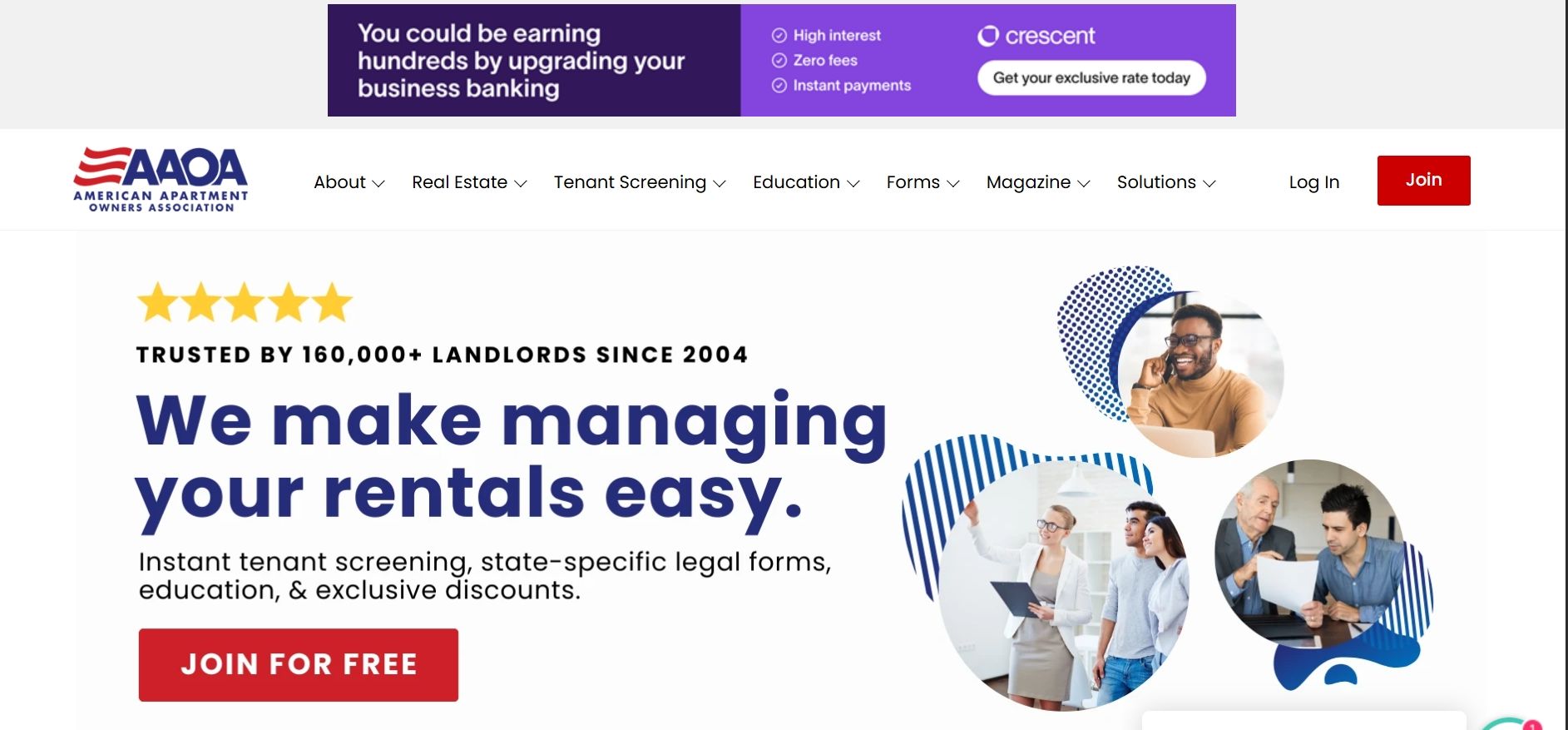
AAOA offers free basic rental application forms as part of its landlord resources. These forms collect key applicant data and help you evaluate potential tenants in a consistent way.
3. Doc-Templates
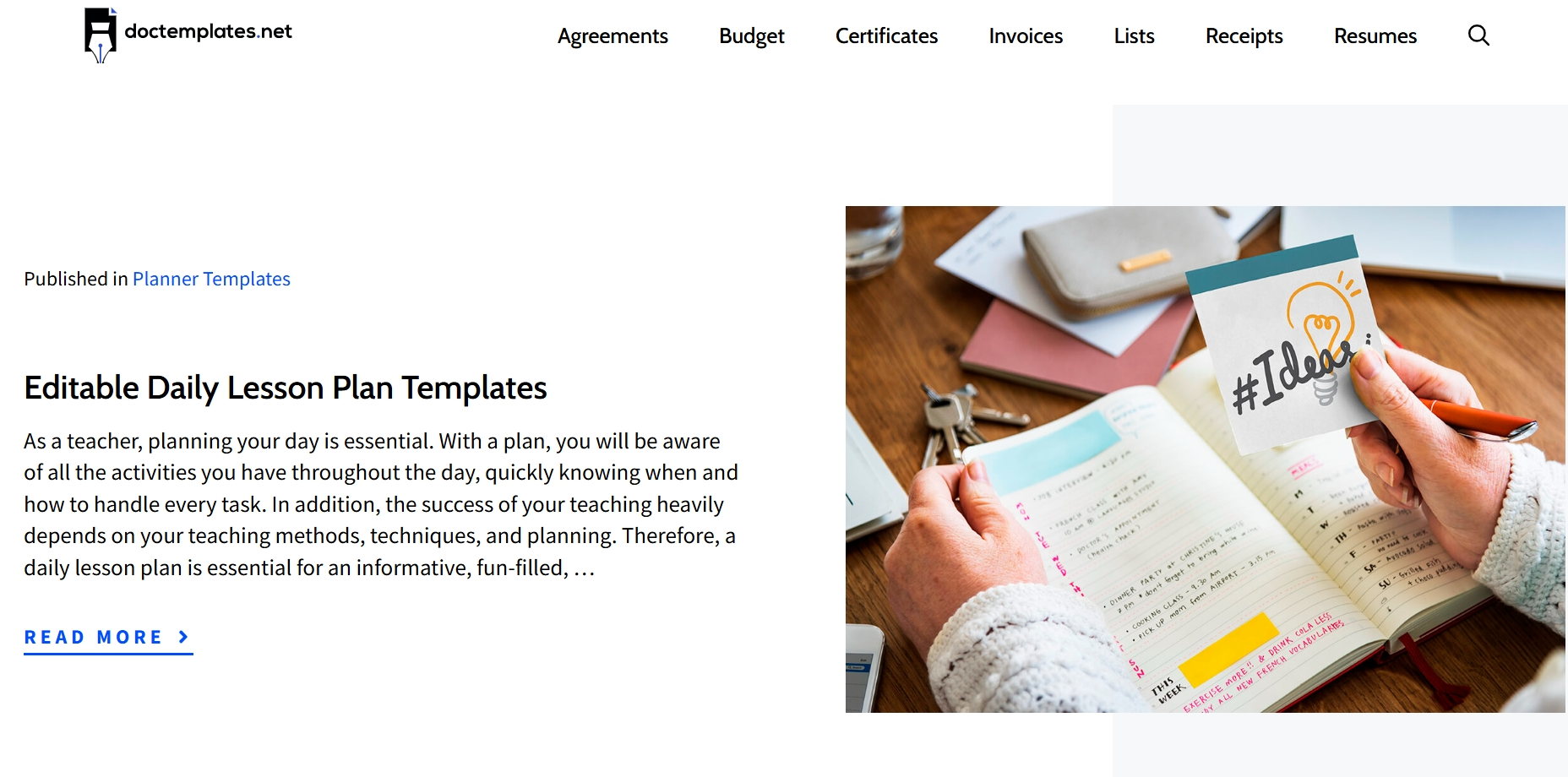
Doc-Templates offers printable templates that include rental history, financial information, and references, suitable for basic landlord screening needs.
These free templates are ideal for landlords managing a small number of units or just beginning to formalize tenant screening processes.
Paid Rental Application Form Templates
Paid options often come with additional features, customization, and legal vetting:
1. Comprehensive Industry Templates
Services like AAOA with membership give you access to vetted forms, often reviewed by real estate professionals and attorneys.
2. Subscription Platforms
Some paid solutions include integrated screening, digital signatures, and automated form distribution. These are especially helpful for landlords managing larger portfolios for example, rental software services that include built-in application workflows.
3. State-Specific Forms
Many legal form providers create templates tailored to specific state requirements, which can help ensure your forms comply with local screening and privacy laws.
Critical Legal Considerations
Using a rental application isn’t just about gathering data, it’s about protecting your business while complying with legal obligations.
Fair Housing Laws
Under the Fair Housing Act, landlords must not discriminate based on race, color, religion, sex, national origin, familial status, or disability when screening applicants. Asking discriminatory questions or applying inconsistent criteria can expose you to legal risk.
This means your application template should avoid questions that could lead to discriminatory denial of housing.
Fair Credit Reporting Act (FCRA)
If you plan to run credit and background checks based on application info, you must comply with the FCRA, including obtaining consent and providing adverse action notices if an applicant is rejected based on consumer report data.
Application Fees and Local Rules
Some states limit how much landlords can charge for application fees or how those fees are handled. Always check local rental laws in your area to remain compliant.
Best Practices for Using Rental Application Form Templates
1. Be Consistent
Use the same template and screening criteria for every applicant to avoid claims of discrimination.
2. Protect Sensitive Data
Handle personal data like Social Security numbers securely and only request what’s legally necessary.
3. Provide Clear Instructions
Make the application easy to complete by using plain language and explaining how the information will be used.
4. Include Consent for Checks
Explicitly state that you may run background and credit checks, and get applicant consent.
5. Follow Up Promptly
Let applicants know time frames for decisions and any additional documentation you need.
Also Read: Best Vacation Rental Software to Streamline Operations
Frequently Asked Questions on Rental Application Form Templates
What are rental application form templates?
Templates are structured documents landlords use to collect essential tenant information like personal details, rental history, income, and consent for screening.
Are there free rental application templates I can use?
Yes, organizations like AAOA and eForms offer downloadable free templates that include common screening fields.
Can I add any questions I want to my application?
No, you must avoid discriminatory questions and follow fair housing laws when designing your form.
Do I need applicant consent for credit and background checks?
Yes, federal law (FCRA) requires written consent before running such reports and governing steps if you deny based on them.
Stay Informed
Subscribe to the Platuni B2B Newsletter to receive industry insights,
new feature announcements, and exclusive growth reports
Related Posts

SEPTEMBER 22, 2026
How to Build a Rental Maintenance Workflow From Request to Completion
Defines what should happen after a maintenance request comes in, logging, prioritizing, assigning, verifying, and documenting the repair through to completion.
Learn more
SEPTEMBER 22, 2026
QuickBooks vs Property Management Software for Rental Properties
Explains why QuickBooks and property management software solve different problems, and when a landlord needs one, the other, or both.
Learn more