
Tenant Relations & Experience
New Mexico HOA Laws: A Comprehensive Guide
by Platuni | 29 Apr, 2026 | 7 mins read
Platuni
29 April, 2026
7 mins read
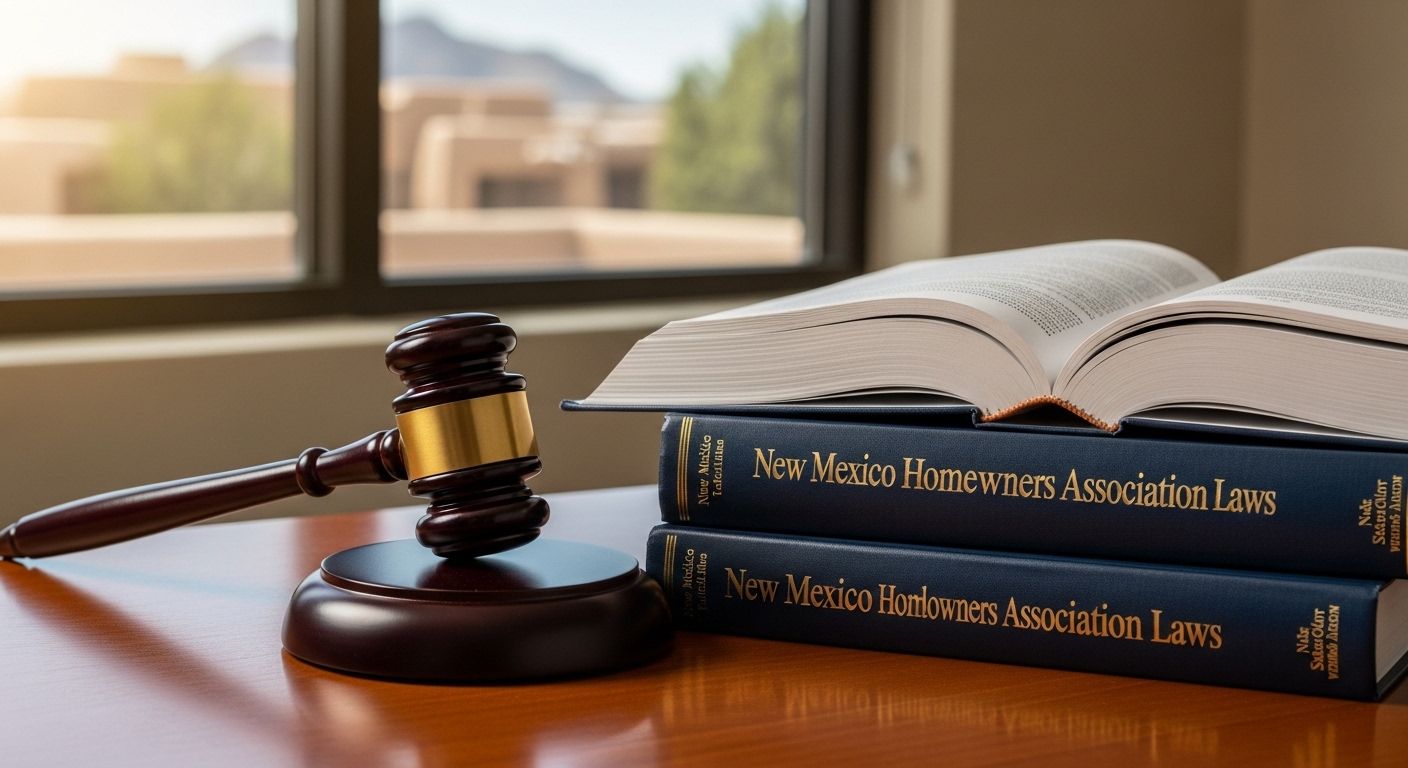
Have you ever received an HOA notice and wondered, “Can they really do this?” If so, you’re already asking the right question. New Mexico HOA laws exist to provide structure and fairness, but without understanding them, it’s easy to feel overwhelmed or even powerless. The reality is, both homeowners and HOA boards must operate within clearly defined legal boundaries.
Moreover, HOAs are designed to create organized, well-maintained communities, but that structure only works when everyone understands the rules of the game. From enforcing property standards to collecting dues and resolving disputes, HOA boards rely on legal authority. At the same time, homeowners are protected by rights that ensure transparency, fairness, and accountability. That balance is exactly what New Mexico HOA laws are built to achieve.
This article will walk you through the essentials clearly and conversationally. You’ll learn how HOA laws work, what powers boards actually have, and how you can protect your interests as a homeowner.
Also See: South Carolina Squatter's Rights & Adverse Possession Laws
How Does the New Mexico HOA Laws Work?
The New Mexico HOA laws provide the legal framework that governs how homeowners associations (HOAs) operate, enforce rules, collect fees, and resolve disputes within a community. At the core, New Mexico HOA laws regulate the relationship between homeowners and their associations. When you purchase a property within an HOA community, you automatically agree to follow the association’s governing documents.
This includes the Declaration of Covenants, Conditions, and Restrictions (CC&Rs), bylaws, and rules. These documents outline what homeowners can and cannot do, as well as the responsibilities of the HOA board.
Another key aspect of how New Mexico HOA laws work is enforcement. Hence, HOAs have the authority to impose fines, place liens on properties for unpaid dues, and take legal action when necessary. However, they must follow due process, which includes providing notice, an opportunity for a hearing, and clear documentation of violations.
Duties and Powers of HOA Boards in New Mexico
Under New Mexico HOA laws, HOA boards play a central role in managing the community, enforcing rules, and ensuring financial and operational stability. Their authority comes from state statutes, governing documents, and fiduciary obligations to act in the best interest of homeowners. Below is a clear breakdown of their key duties and powers:
Also See: Minnesota Security Deposit Laws | Deductions & Rights
Core Duties of HOA Boards
- Enforce Governing Documents: HOA boards must enforce the community’s CC&Rs, bylaws, and rules fairly and consistently. This ensures uniform standards across the community.
- Maintain Common Areas: Boards are responsible for maintaining shared spaces such as landscaping, roads, recreational facilities, and other common elements.
- Act in a Fiduciary Capacity: Board members must act in good faith and in the best interest of the association. They are expected to make decisions that benefit the community as a whole, not their personal interests.
- Ensure Financial Accountability: HOA boards must manage funds responsibly, maintain accurate financial records, and provide transparency to homeowners.
- Hold Meetings and Facilitate Participation: Boards are required to conduct regular meetings, provide proper notice, and allow homeowners to participate in discussions and decision-making processes.
- Maintain Records and Provide Access: Under New Mexico HOA laws, boards must keep proper records and make them available to homeowners upon request, ensuring transparency.
Key Powers of HOA Boards
- Levy Fees and Assessments: HOA boards have the authority to collect regular dues and impose special assessments to cover community expenses.
- Impose Fines and Penalties: Boards can issue fines for violations of HOA rules, provided they follow due process, including notice and an opportunity for a hearing.
- Place Liens on Properties: If homeowners fail to pay dues or assessments, the board can place a lien on the property, which may lead to further legal action if unresolved.
- Adopt and Amend Rules: HOA boards can create and modify community rules, as long as they align with governing documents and New Mexico HOA laws.
- Hire and Manage Vendors: Boards can hire property managers, contractors, and service providers to handle maintenance, repairs, and administrative tasks.
- Initiate Legal Action: When necessary, HOA boards can take legal action to enforce rules, collect unpaid dues, or resolve disputes.
Also See: Ohio Security Deposit Laws | Deductions & Rights
Key Statutes Governing New Mexico HOA Laws
To fully understand New Mexico HOA laws, it’s important to know the key statutes that shape how HOAs operate in the state. These statutes include:
#1. New Mexico Homeowner Association Act
The New Mexico Homeowner Association Act is one of the primary laws governing HOAs in the state. It sets rules for how associations are created, managed, and dissolved. It also outlines requirements for meetings, voting procedures, and access to records. This statute ensures transparency and accountability in HOA operations.
#2. New Mexico Condominium Act
For condominium communities, the New Mexico Condominium Act plays a major role in shaping New Mexico HOA laws. It governs the formation and management of condominium associations, including how units are owned, how common areas are maintained, and how assessments are collected.
#3. New Mexico Nonprofit Corporation Act
Most HOAs in New Mexico are structured as nonprofit organizations. As a result, they must comply with the New Mexico Nonprofit Corporation Act, which governs how boards are formed, how meetings are conducted, and how decisions are made. This law ensures proper corporate governance and ethical management of HOA affairs.
#4. Fair Housing Laws (Federal and State)
While not specific to HOAs, fair housing laws significantly influence New Mexico HOA laws. These laws prohibit discrimination based on race, religion, gender, disability, familial status, and other protected characteristics. Therefore, HOAs must ensure their rules and enforcement practices comply with these regulations.
#5. Local Ordinances and Regulations
In addition to state statutes, local city or county regulations can also affect how New Mexico HOA laws are applied. Zoning laws, building codes, and local ordinances may influence what HOAs can regulate within their communities.
Also See: Nevada Security Deposit Laws | Deductions & Rights
Rights and Responsibilities of Homeowners Under New Mexico HOA Laws
Understanding your rights and responsibilities is essential when living in an HOA community governed by New Mexico HOA laws. These laws aim to balance the authority of the association with the protection of homeowners.
Rights of Homeowners
Right to Access HOA Records
Under New Mexico HOA laws, homeowners have the right to request and review association records. The law requires HOAs to provide access to documents, such as financial records and governing rules, within a reasonable timeframe. Typically, within 10 business days of a written request.
Right to Attend and Participate in Meetings
Homeowners can attend HOA meetings and, in many cases, speak on community matters. This promotes transparency and allows members to stay informed about decisions affecting their property and community.
Right to Fair Treatment and Due Process
Before an HOA imposes fines or penalties, homeowners must receive proper notice and an opportunity to respond. This ensures that enforcement actions are fair and not arbitrary.
Right to Receive Financial Transparency
HOAs must prepare and share budgets and financial information with homeowners. This allows members to understand how their dues are used and ensures accountability.
Also See: Oregon Rent Control Laws | The Complete Guide
Responsibilities of Homeowners
Compliance With Governing Documents
Homeowners must follow the HOA’s CC&Rs, bylaws, and rules. These documents outline acceptable property use, maintenance standards, and community expectations.
Payment of HOA Fees and Assessments
Under New Mexico HOA laws, homeowners are required to pay dues and assessments on time. Failure to do so can result in liens against the property, which may be enforced similarly to a mortgage.
Maintenance of Property Standards
Homeowners must maintain their property in accordance with HOA rules. This helps preserve property values and ensures a consistent community appearance.
Participation in Community Governance
While not always mandatory, homeowners are encouraged to participate in voting, meetings, and decision-making processes to support effective HOA management.
Also See: New Mexico Squatter’s Rights & Adverse Possession Laws
What Are the New Mexico HOA Laws?
The New Mexico HOA laws ensure transparency, protect homeowner rights, and define the powers and responsibilities of HOA boards. Below are the key laws.
#1. New Mexico Homeowner Association Act (NMSA §§ 47-16-1 to 47-16-20)
The New Mexico Homeowner Association Act is the primary statute governing most HOAs in the state. It outlines how associations are formed, how they operate, and how they must interact with homeowners.
The law clearly establishes the foundation of an HOA by stating that an association is created through a recorded declaration. As noted in the statute, “A homeowners association is an entity created pursuant to a declaration”, which defines the rights and obligations of property owners within the community.
This Act also requires transparency in operations, including access to records, proper notice of meetings, and fair enforcement of rules. Likewise, it ensures that homeowners can participate in governance while holding HOA boards accountable.
#2. New Mexico Condominium Act (NMSA §§ 47-7A-1 to 47-7D-20)
For condominium communities, the New Mexico Condominium Act plays a central role in shaping New Mexico HOA laws. It governs ownership structures, common elements, and the management of condominium associations.
The Act explains how ownership is divided and managed, stating that “each unit owner is entitled to an undivided interest in the common elements”. This means that all owners share responsibility for maintaining common areas such as hallways, parking spaces, and recreational facilities.
#3. New Mexico Nonprofit Corporation Act (NMSA §§ 53-8-1 et seq.)
Most HOAs in New Mexico operate as nonprofit organizations, making the New Mexico Nonprofit Corporation Act highly relevant. This law governs how HOA boards are structured, how decisions are made, and how meetings are conducted.
The statute provides a framework for governance, noting that “all corporate powers shall be exercised by or under the authority of the board of directors”.
This gives HOA boards the authority to manage the association while requiring them to act in the best interest of the community. It also establishes rules for voting, record-keeping, and fiduciary duties, ensuring that HOA leadership remains accountable and transparent.
#4. Federal Fair Housing Act
Although not specific to New Mexico, the Federal Fair Housing Act significantly influences New Mexico HOA laws by prohibiting discriminatory practices in housing. Hence, HOAs must ensure that their rules and enforcement actions comply with these protections.
The Act states that it is unlawful to discriminate in housing-related activities based on protected characteristics, including race, religion, sex, disability, familial status, and national origin. Specifically, it provides that “it shall be unlawful… to refuse to sell or rent… or otherwise make unavailable or deny a dwelling to any person because of” these protected classes. Overall, this law ensures that HOA policies and enforcement remain fair, inclusive, and legally compliant.
#5. Local Ordinances and Municipal Regulations
In addition to state statutes, local ordinances also influence how new Mexico HOA laws are applied. Generally, cities and counties may enforce zoning laws, building codes, and property regulations that HOAs must follow.
While these rules vary by location, they work alongside state laws to ensure that communities operate within broader legal and safety standards. HOAs cannot enforce rules that conflict with local or state regulations.
Enforcement of Rules and Penalties Under New Mexico HOA Laws
Enforcement is where New Mexico HOA laws truly come to life. While HOA rules set expectations, enforcement ensures those rules are followed fairly and consistently. Without proper enforcement, community standards can quickly decline, but when done correctly, it protects property values and maintain order.
How Rule Enforcement Works
Under New Mexico HOA laws, HOA boards have the authority to enforce rules outlined in the CC&Rs, bylaws, and policies. However, enforcement is not arbitrary, it must follow a structured and fair process.
- Clear Rules Must Exist: The HOA can only enforce rules that are properly documented in governing documents.
- Consistent Application: Rules must be applied equally to all homeowners to avoid claims of discrimination or unfair treatment.
- Notice of Violation: Homeowners must receive written notice detailing the violation, including what rule was broken and how to correct it.
- Opportunity to Cure the Violation: Before penalties are imposed, homeowners are typically given time to fix the issue (e.g., remove an unauthorized structure or pay overdue fees).
Types of Penalties HOAs Can Impose
Under New Mexico HOA laws, HOAs have several enforcement tools at their disposal, and they include:
- Fines and Monetary Penalties: HOAs can impose fines for rule violations, provided the process is fair and documented.
- Suspension of Privileges: Access to amenities such as pools, gyms, or community facilities may be temporarily restricted.
- Late Fees and Interest on Dues: If homeowners fail to pay assessments, the HOA can charge late fees and interest.
- Liens on Property: Unpaid dues or fines can result in a lien being placed on the property, which must be settled before sale or refinancing.
- Legal Action: In serious cases, the HOA may pursue legal action to enforce compliance or recover unpaid amounts.
Due Process and Homeowner Protection: A key principle of New Mexico HOA laws is fairness. HOAs must follow due process before enforcing penalties.
Frequently Asked Questions About the New Mexico HOA Laws
Can an HOA fine homeowners in New Mexico?
Yes. Under New Mexico HOA laws, HOAs can impose fines for violations, but they must follow proper procedures, including notice and an opportunity for the homeowner to respond.
Can an HOA place a lien on my property for unpaid dues?
Yes. If you fail to pay assessments or fines, the HOA can place a lien on your property, which may lead to further legal action if unresolved.
Do I have the right to dispute an HOA penalty?
Absolutely. New Mexico HOA laws require that homeowners be given a chance to challenge violations, usually through a hearing or formal response process.
Can an HOA take legal action against a homeowner?
Yes. HOAs can initiate legal proceedings to enforce rules, recover unpaid dues, or address serious violations.
How can I avoid penalties from my HOA?
The best way to avoid penalties is to understand and comply with your HOA’s governing documents, pay dues on time, and communicate promptly if issues arise.
How can homeowners keep track of HOA rules and avoid violations?
Staying organized is key to avoiding penalties under New Mexico HOA laws. Thus, you can use digital tools like Platuni to store HOA documents, track rules, and monitor important notices, making it easier to stay compliant and avoid unnecessary fines.
How can HOA boards manage enforcement more efficiently?
HOA boards can streamline enforcement by using platforms like Platuni to track violations, document notices, and manage communication with homeowners. This ensures transparency, consistency, and proper record-keeping while enforcing New Mexico HOA laws.
Stay Informed
Subscribe to the Platuni B2B Newsletter to receive industry insights,
new feature announcements, and exclusive growth reports
Related Posts

SEPTEMBER 21, 2026
Maintenance Portal vs Email and Text: When Should Landlords Switch?
Looks at when informal maintenance reporting by text and email stops working, and what a dedicated portal adds once request volume grows.
Learn more
SEPTEMBER 18, 2026
Residence Life & Dorm Software: What Campus Housing Systems Need to Do
What university housing offices and PBSA operators need from software that a generic property management tool was never built to handle.
Learn more