
Tenant Relations & Experience
Minnesota Eviction Laws: The Process & Timeline In 2026
by Platuni | 16 May, 2026 | 10 mins read
Platuni
16 May, 2026
10 mins read
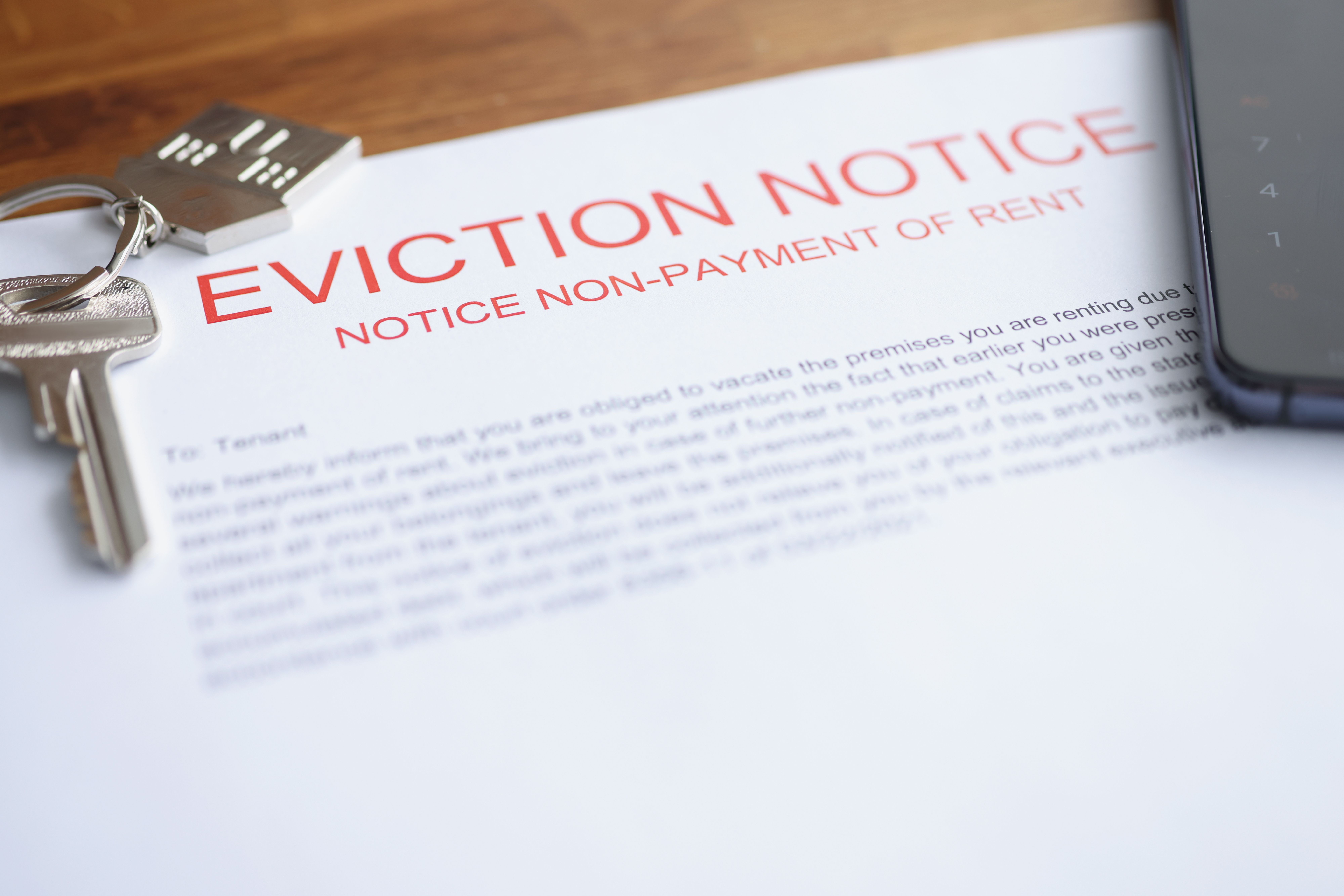
In recent years, housing courts across the U.S. have continued to process hundreds of thousands of eviction filings annually, showing just how important it is for landlords and tenants to understand their legal responsibilities before disputes escalate. In Minnesota, the Minnesota eviction laws create a structured process that landlords must follow carefully. This covers notices, court filings, judgments, and physical removals. Even small procedural mistakes can delay a case or create legal complications.
For many landlords, eviction is never the first option. It often begins with missed rent payments, lease violations, communication breakdowns, or unresolved disputes that gradually become difficult to manage. Tenants, on the other hand, may not fully understand their legal rights, available defenses, or the long-term consequences an eviction record can have on future housing opportunities. That’s why understanding how the process actually works matters for everyone involved.
At Platuni, we believe legal education should be practical, clear, and easy to apply in real-world situations. That’s why we carefully put together this guide on Minnesota eviction laws to help landlords, property managers, and tenants better understand the eviction timeline in 2026. In this article, you’ll learn about legal grounds for eviction, notice requirements, court procedures, tenant rights, timelines, and strategies for staying compliant while reducing unnecessary disputes.
Also See: Michigan Security Deposit Laws | Deductions & Rights
What Are the Legal Grounds for Eviction Under Minnesota Law?
Under the Minnesota eviction laws, landlords must have a legally recognized reason before filing an eviction case. Generally, Minnesota courts require landlords to demonstrate that the tenant violated the lease agreement. According to the Minnesota Legislature, the following are some of the most common legal grounds for eviction:
- Nonpayment of Rent: A landlord may file for eviction if the tenant fails to pay rent when due. This is one of the most common grounds under Minnesota eviction laws.
- Violation of Lease Terms: Eviction may occur if a tenant breaches the lease agreement, such as keeping unauthorized occupants, violating pet policies, or damaging the property.
- Holding Over After Lease Expiration: If a tenant stays in the property after the lease ends without permission, the landlord may seek eviction.
- Illegal Activity: Certain criminal or illegal activities on the property can justify eviction under Minnesota law.
- Health or Safety Violations: Serious conduct that threatens the health or safety of others may provide grounds for eviction.
What are the Minnesota Eviction Laws?
The Minnesota eviction laws are primarily governed by Chapter 504B of the Minnesota Statutes, along with procedures established by the Minnesota Judicial Branch. These laws regulate how landlords and tenants must handle eviction proceedings, notices, court filings, tenant protections, and property recovery.
Below are some of the major laws and legal principles that shape the eviction process in Minnesota.
Also See: Maryland HOA Laws: A Comprehensive Guide
Landlords Cannot Legally Evict Tenants Without a Court Order
Under Minnesota eviction laws, landlords generally cannot remove tenants through self-help methods such as changing locks, shutting off utilities, or physically forcing tenants out. According to the Minnesota Judicial Branch, the only way to legally evict a tenant is for the landlord to start a court case and get an order from the judge. This means eviction must proceed through the formal court system, even if the landlord believes the tenant clearly violated the lease.
Minnesota Requires Legal Grounds for Eviction
Landlords must have a legally recognized reason before filing an eviction action under the eviction laws in Minnesota. Common grounds include nonpayment of rent, lease violations, illegal activity, or remaining in the property after the lease ends. The Minnesota Judicial Branch recognizes eviction as a legal remedy tied to violations of landlord-tenant obligations rather than a landlord’s personal preference.
Proper Service of Court Papers
Minnesota law requires tenants to be formally served with a summons and complaint before an eviction hearing can proceed. According to Justia, Minnesota eviction documents generally must first be personally served before alternative methods such as mail-and-post service may be used. Improper service can delay or even dismiss an eviction case.
Also See: Maine Squatter's Rights & Adverse Possession Laws
Right to Appear and Defend Themselves in Court
According to the Minnesota eviction laws, tenants have the right to challenge the eviction in court and raise legal defenses. They may dispute allegations involving unpaid rent, lease violations, improper notices, habitability issues, retaliation, or discrimination. The Minnesota Judicial branch also explains that tenants may access court resources, mediation, and in some qualifying cases, court-appointed attorneys.
Lockouts and Utility Shutoffs
Minnesota prohibits landlords from illegally locking tenants out of their homes or shutting off essential services as a way to force them out. The law specifically notes that lockouts and similar tactics are unlawful without a court order. This protection exists even when a tenant owes rent or violates the lease.
Protection Against Retaliatory Evictions
Under Minnesota eviction laws, landlords generally cannot evict tenants solely because they reported housing code violations, requested repairs, or exercised legal tenant rights. These protections are intended to prevent landlords from using eviction as retaliation against tenants asserting lawful rights.
Rent Escrow for Repair Issues
Minnesota law permits tenants to file rent escrow actions when landlords fail to make necessary repairs. The Minnesota law permits tenants to deposit rent with the court while seeking judicial intervention to address habitability problems. This law creates a formal process for handling serious maintenance disputes while protecting tenant rights.
Expunging of Eviction Records
Minnesota provides pathways for eviction expungement under certain circumstances. The Minnesota Judicial Branch explains that courts may expunge eviction records when doing so serves the interests of justice or when statutory conditions for mandatory expungement are met. This law is particularly important because eviction records can affect future housing applications and tenant screening reports.
Sheriff-Enforced Eviction Requirement
Even after a landlord wins an eviction judgment, only authorized officers may physically remove tenants from the property. Under Minnesota eviction laws, landlords cannot personally carry out removals themselves. This ensures that the enforcement process remains supervised and legally controlled.
Also See: Indiana Eviction Laws: The Process & Timeline
What Notices Must a Landlord Serve Before Filing for Eviction in Minnesota?
Before filing an eviction action under Minnesota eviction laws, landlords are often required to provide tenants with notice depending on the reason for the eviction and the type of tenancy involved. Proper notice is important because failing to follow notice requirements can delay or weaken an eviction case.
Here are some common notices landlords may use:
- Notice for Nonpayment of Rent: In some cases, landlords may provide notice demanding payment before pursuing eviction for unpaid rent.
- Notice to Cure Lease Violations: A tenant may be informed about a lease violation and allowed to correct the issue before further legal action.
- Notice to Terminate Month-to-Month Tenancy: For periodic tenancies, landlords generally provide advance notice before ending the rental agreement.
- Notice Related to Illegal Activity: Certain serious violations or criminal conduct may allow landlords to move forward more quickly under eviction laws.
How Does the Minnesota Eviction Court Process Work?
Once a landlord moves forward under eviction laws in Minnesota, the matter enters the court system through a formal legal process. Minnesota courts handle eviction actions according to structured procedures designed to allow both landlords and tenants to present their case. Below is how the Minnesota eviction court process works:
Step 1: Filing the Eviction Complaint
The landlord begins by filing an eviction complaint with the appropriate court. This document explains why the landlord is seeking possession of the property and outlines the alleged lease violations or legal grounds for eviction.
Step 2: Service of Summons and Complaint
The tenant must receive official notice of the lawsuit through a summons and complaint. Proper service is essential under the eviction law because the court generally cannot proceed unless the tenant is properly notified.
Also See: Massachusetts Security Deposit Laws | Deductions & Rights
Step 3: Court Hearing
Minnesota eviction hearings are often scheduled relatively quickly. During the hearing, both sides may present evidence, lease agreements, payment records, photographs, notices, or witness testimony. The judge reviews whether the landlord followed the law and whether legal grounds for eviction exist.
Step 4: Court Decision
If the court rules in favor of the landlord, it may issue a judgment for recovery of the property. If the tenant successfully challenges the case or procedural errors exist, the court may dismiss or delay the eviction.
Step 5: Writ of Recovery
After judgment, the landlord may request a Writ of Recovery of Premises and Order to Vacate. This authorizes law enforcement to enforce the eviction if the tenant does not leave voluntarily.
Step 6: Enforcement by Law Enforcement
Only authorized officers can physically remove tenants under Minnesota eviction laws. Landlords are generally prohibited from self-help actions such as changing locks, shutting off utilities, or removing belongings without court authorization.
Also See: Kentucky Eviction Laws: The Process & Timeline
How Can Minnesota Landlords Reduce Eviction Risks in Minnesota?
Reducing eviction risks under Minnesota eviction laws often starts long before a dispute reaches the courtroom. Here's how you can minimise such risks:
- Use detailed lease agreements
- Screen tenants carefully
- Maintain organized records of rent payments, repair requests, inspections, notices, and communication with tenants.
- Address maintenance issues promptly
- Communicate early about problems
- Use property management platforms like Platuni, Buildium, and AppFolio
Download the Platuni Property Manager App Today
Frequently Asked Questions About the Minnesota Eviction Laws
Can a landlord evict a tenant immediately in Minnesota?
Generally, no. Under Minnesota eviction laws, landlords usually must follow a formal legal process that includes proper notice, court filings, and a hearing before a tenant can legally be removed from the property.
Does an eviction stay on your record in Minnesota?
An eviction case can appear on tenant screening reports and court records. However, Minnesota law allows certain eviction records to be expunged in qualifying situations, depending on the outcome of the case and other legal factors.
Can tenants fight an eviction case in Minnesota?
Yes. Tenants have the right to appear in court and present defenses under Minnesota eviction laws. Common defenses may involve improper notice, landlord retaliation, habitability issues, discrimination, or disputes over rent payments.
What should landlords avoid doing during an eviction in Minnesota?
Landlords should avoid self-help actions such as changing locks, removing tenant belongings, shutting off utilities, or threatening tenants outside the legal process. These actions may violate Minnesota eviction laws and expose landlords to legal liability.
Stay Informed
Subscribe to the Platuni B2B Newsletter to receive industry insights,
new feature announcements, and exclusive growth reports
Related Posts

SEPTEMBER 22, 2026
Tenant Background Check vs Credit Check vs Eviction Check: What Does Each Tell You?
Breaks down what a credit check, an eviction check, and a background check each actually reveal about a rental applicant, and what none of them prove alone.
Learn more
SEPTEMBER 21, 2026
Maintenance Portal vs Email and Text: When Should Landlords Switch?
Looks at when informal maintenance reporting by text and email stops working, and what a dedicated portal adds once request volume grows.
Learn more