
Tenant Relations & Experience
Landlord Eviction Services: What to Expect
by Platuni | 22 Jan, 2026 | 10 mins read
Platuni
22 January, 2026
10 mins read
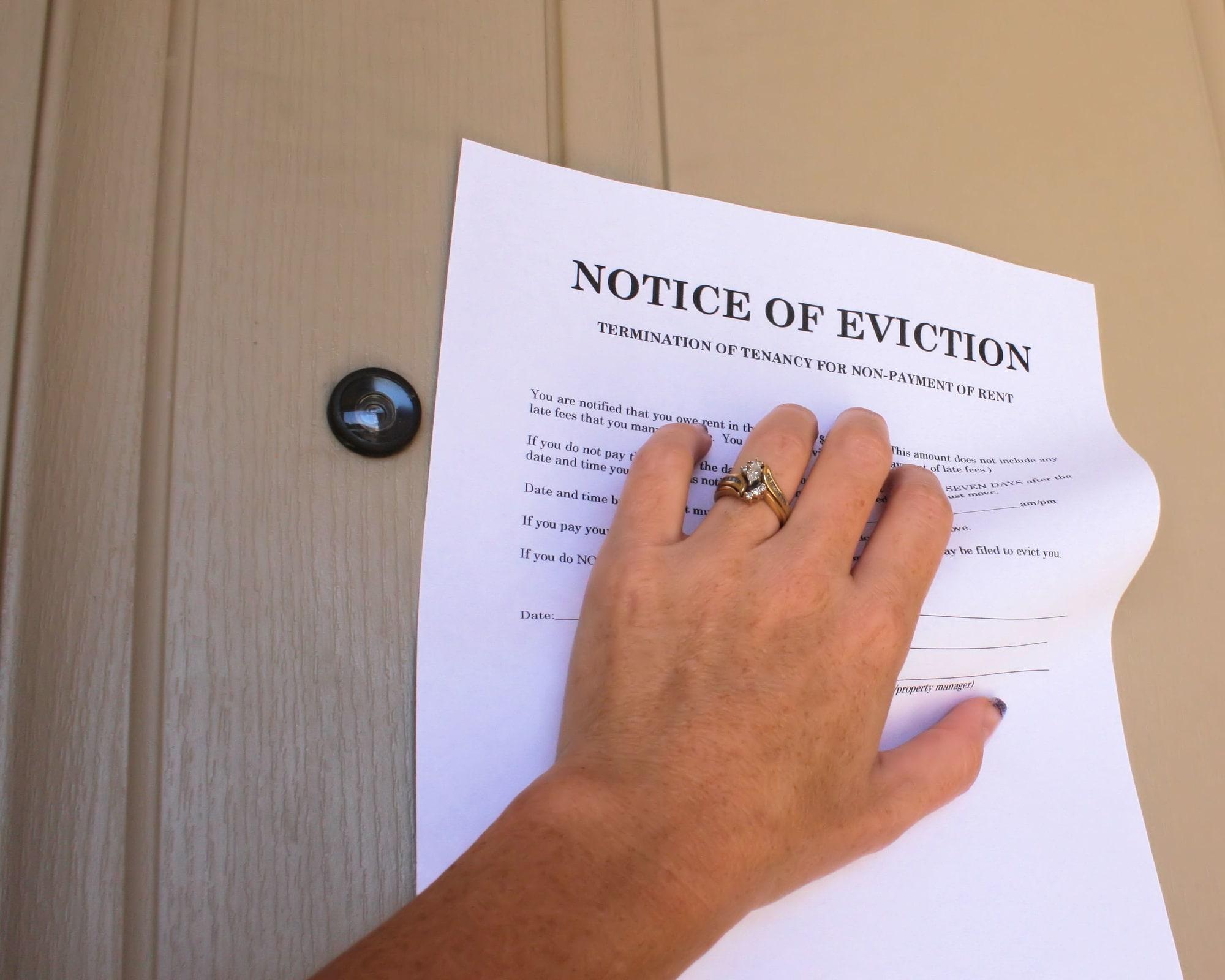
Landlord-tenant relationships do not always go as planned. Missed rent payments, lease violations, or unresolved disputes can quickly turn a stable rental agreement into a legal challenge. When these issues escalate, landlords eviction service becomes a necessary option for property owners who want to protect their investment while staying within the law. Understanding how eviction services work helps landlords make informed decisions and avoid costly legal mistakes.
Evictions are not as simple as asking a tenant to leave. Laws strictly regulate the process, timelines, and documentation involved. A professional landlords eviction service exists to guide property owners through this complexity, ensuring every step follows local and state regulations. At the same time, tenants also have rights, and failure to respect them can delay or completely dismiss an eviction case.
At Platuni, we understand that eviction is never just about removing a tenant. It is about protecting income, preserving property value, and staying legally compliant in a complex rental environment. That is why understanding how a landlords eviction service works is essential for every property owner. This guide explains what landlords eviction service includes, how the eviction process works, what tenants and landlords should expect at each stage, and how professional eviction support reduces stress, delays, and legal exposure.
Also Read: Common Landlord-Tenant Issues That Require an Attorney

What Is a Landlords Eviction Service?
A landlords eviction service is a professional solution that helps property owners legally remove tenants who violate lease terms. These services handle the eviction process from start to finish, including notices, court filings, documentation, and coordination with law enforcement when required.
Rather than navigating eviction laws alone, landlords rely on eviction services to ensure compliance, accuracy, and speed. Each jurisdiction has its own rules, forms, and timelines, which makes professional guidance especially valuable. Typical landlords eviction service offerings include:
- Drafting and serving legally compliant eviction notices
- Filing eviction cases in court
- Managing court documentation and deadlines
- Representing or coordinating legal support
- Enforcing court judgments lawfully
Common Reasons Landlords Use Eviction Services
Many landlords underestimate how complex eviction laws can be. A single mistake such as serving the wrong notice or missing a deadline can cause a case to be dismissed. Most landlords do not choose eviction lightly. A landlords eviction service is usually considered after repeated attempts to resolve issues fail.Common reasons include:
- Non-payment of rent for several months
- Lease violations that remain unresolved
- Property damage beyond normal wear
- Illegal activities or safety risks
- Refusal to vacate after lease expiration
In situations like pandemic-related income loss, many tenants fall behind on rent. While rental assistance programs may help, unresolved debt often leads landlords to explore eviction as a last resort.
Also Read: How to Reduce Tenant Turnover and Increase Retention
How the Eviction Process Works Step by Step
Eviction is not a single action. It is a legal process with clearly defined stages. Although eviction laws vary by location, the eviction process generally follows five key stages. A professional landlords eviction service ensures each step is executed correctly.
#Step 1: Notice to Quit or Pay-or-Quit Notice
The process starts with a formal written notice. This notice informs the tenant of the violation and provides a deadline to fix the issue or move out.
Notices may be served through:
- Personal delivery
- Posting on the tenant’s door
- First-class or certified mail
In non-payment cases, tenants usually have three to five days to pay or vacate, depending on local law. A landlords eviction service ensures the correct notice type is used, as serving the wrong notice can invalidate the case.
#Step 2: Filing the Eviction Case and Summons
If the tenant does not comply with the notice, the landlord can file an eviction lawsuit. The tenant then receives a summons or complaint stating the court date.
At this stage, a landlords eviction service handles:
- Court filings
- Service of summons
- Compliance with legal deadlines
Tenants must respond or appear in court. Failure to do so usually results in an automatic ruling in favor of the landlord.
#Step 3: Court Hearing and Evidence Review
The court hearing allows both parties to present evidence. Judges review lease agreements, payment records, notices, and repair documentation.
A landlords eviction service prepares landlords with:
- Organized evidence
- Correct documentation
- Procedural guidance
Tenants may raise defenses such as improper notice, uninhabitable conditions, or retaliation. Professional eviction support reduces the risk of dismissal due to technical errors.
#4: Court Decision and Judgment
After reviewing evidence, the judge issues a ruling. If the tenant wins, the eviction stops, often under specific conditions. If the landlord wins, the court grants a judgment for possession.
A landlords eviction service explains post-judgment options, including appeals or negotiated move-out timelines, helping landlords proceed strategically.
#Step 5: Writ of Execution and Final Removal
Even after winning, landlords cannot remove tenants themselves. Law enforcement must execute the final eviction.
A landlords eviction service coordinates with:
- Sheriffs or marshals
- Court clerks
- Legal enforcement officers
The tenant receives a final notice to vacate before physical removal occurs.
Also Read: Tenant Tracker Tools: How Landlords Monitor Payments and Issues
Mistakes That Can Delay or Dismiss an Eviction
Evictions are often delayed due to landlord errors. A reliable landlords eviction service prevents common mistakes such as:
- Serving the wrong type of notice
- Filing before notice deadlines expire
- Improper service of legal documents
- Missing court deadlines
- Incomplete or inaccurate records
While some errors only delay eviction, others can force landlords to restart the entire process, increasing costs and lost rental income.
What Happens If the Tenant Wins?
If the tenant wins, eviction stops. In some cases, tenants may receive compensation for legal fees or damages. Courts may also require landlords to make repairs before rent payments resume.
A landlords eviction service helps landlords understand compliance requirements and avoid future disputes.
What Happens If the Tenant Loses?
If the tenant loses and no appeal is filed, eviction proceeds quickly. Law enforcement schedules removal, usually within days.
In limited cases, tenants may request a temporary stay due to hardship. A landlords eviction service helps landlords respond appropriately while protecting their legal rights.
Why Professional Eviction Services Matter
Professional eviction services are critical for landlords because they ensure legal compliance, reduce the risk of costly mistakes, and handle the high-stress, time-consuming process of removing non-compliant tenants. They prevent illegal "self-help" evictions, manage complex paperwork, and provide expert representation in court, ultimately saving time and protecting property investments.
Key Reasons Professional Eviction Services Matter
#1. Legal Expertise and Compliance
Eviction laws vary by state and are complex. Professionals ensure all notices and filings strictly follow local laws to prevent cases from being dismissed.
#2. Time Efficiency
Professionals handle the entire process from serving notices to court representation, allowing landlords to focus on other business aspects.
#3. Reduced Risk and Liability
Mistakes in the eviction process can cause delays or legal liability for the landlord. Experts minimize this risk, including avoiding illegal lockouts or illegal actions.
#4. Safety and De-escalation
They act as an intermediary, reducing direct conflict between landlords and tenants, which can prevent volatile or threatening situations.
#5. Cost-Effectiveness
Although they charge fees, these services prevent prolonged vacancy, lost rent, and the high costs of a failed, re-started eviction process.
#6. Handling Complex Cases
They provide expert help for difficult situations, such as non-paying tenants, lease violations, or, in the case of commercial properties, squatters and trespassers.
Using professional services, such as specialized eviction attorneys or paralegal firms, provides peace of mind and ensures that property is reclaimed legally and efficiently.
Also Read: Complete Landlord Solutions for Managing Rentals Efficiently
Costs of Using a Landlords Eviction Service
Using a landlord eviction service costs vary widely, from a few hundred dollars for simple cases to $3,500 or more for complex ones, with major expenses including attorney fees ($150-$400+/hour or flat fees), court filing fees ($50-$500), process server/sheriff fees ($40-$150), and significant lost rental income, plus potential property damage and turnover costs like cleaning/repairs.
Costs escalate significantly with tenant opposition, leading to prolonged legal battles, potentially thousands in legal fees, and extended vacancy.
Key Cost Categories
Legal & Court Fees
- Attorney Fees: $300–$1,000+ (flat) or $150–$400+/hour; contested cases add more.
- Court Filing Fees: $50–$500, depending on jurisdiction.
- Process Server/Sheriff Fees: $40–$150 for serving notices and executing orders.
- Bailiff/Enforcement Fees: Additional costs if a sheriff must physically remove the tenant.
Lost Income & Vacancy
- Lost Rent: One of the biggest costs, covering unpaid rent during the eviction period (often 1–3 months).
- Vacancy Costs: Marketing for a new tenant (often $100–$200) and lost rent during the new vacancy.
Property-Related Costs
- Property Damages & Repairs: $200–$5,000+, can include replacing damaged items.
- Property Turnover: Professional cleaning, changing locks, and general reconditioning (often $150–$1,000+).
- Storage/Disposal: Fees for storing or disposing of abandoned tenant belongings.
Administrative & Hidden Costs
- Time/Labor: Your own time spent on the process, which could be used for other activities.
- Travel Expenses: Gas and travel to and from the property or court.
Also Read: What Are Administrative Fees for Apartments? Explained Clearly
Cost Influencing Factors
- Tenant Cooperation: An amicable, uncontested eviction is far cheaper than a prolonged, opposed legal battle.
- Case Complexity: More complicated legal situations require more attorney time.
- Local Laws: Eviction laws and fees vary significantly by state and county.
Example Cost Breakdown
- Simple Eviction (No Fight): ~$1,500 (includes some lost rent, minimal fees/repairs).
- Average Eviction: ~$3,500 (includes more lost rent, legal fees, some repairs).
- Contested Eviction (Worst Case): $5,000 to $10,000+, with legal fees potentially running into thousands.
Also Read: How Often Can a Landlord Raise Rent in California?
How Platuni Supports Smarter Eviction Management
Evictions rarely happen without warning signs. Organized records are critical when eviction becomes necessary. Property management software like Platuni helps landlords stay organized long before eviction becomes necessary. From tracking rent payments and documenting maintenance to managing tenant communication, Platuni provides the data landlords eviction service providers rely on.
When eviction becomes unavoidable, Platuni ensures landlords have:
- Accurate records
- Clear timelines
- Documented compliance
This preparation increases success rates and minimizes legal exposure. Eviction is never simple, but understanding how a landlords eviction service works makes the process clearer and more manageable. With the right support and the right tools, landlords can protect their investments while staying compliant and professional.
Platuni empower landlords to stay ahead reducing disputes, improving documentation, and ensuring that when eviction becomes unavoidable, it is handled correctly from day one.
Try Downloading the Platuni Property Manager App Today!
Frequently Asked Questions on Landlord Eviction Services
How long does a landlords eviction service process take?
Timelines vary by state, but most evictions take several weeks to a few months. Errors can significantly extend this period.
Can a landlord evict a tenant without court involvement?
No. A landlords eviction service ensures eviction only happens through legal court orders. Self-help evictions are illegal.
What is the most common eviction mistake landlords make?
Using the wrong notice or serving it incorrectly is the most common error that delays eviction.
Is a landlords eviction service worth the cost?
Yes. Professional services reduce legal risk, prevent dismissals, and often save landlords money long-term.
Stay Informed
Subscribe to the Platuni B2B Newsletter to receive industry insights,
new feature announcements, and exclusive growth reports
Related Posts

SEPTEMBER 22, 2026
Tenant Background Check vs Credit Check vs Eviction Check: What Does Each Tell You?
Breaks down what a credit check, an eviction check, and a background check each actually reveal about a rental applicant, and what none of them prove alone.
Learn more
SEPTEMBER 21, 2026
Maintenance Portal vs Email and Text: When Should Landlords Switch?
Looks at when informal maintenance reporting by text and email stops working, and what a dedicated portal adds once request volume grows.
Learn more