
Property Management & Operations
Are Landlords Responsible for Pest Control in NC?
by Platuni | 15 Apr, 2026 | 8 mins read
Platuni
15 April, 2026
8 mins read
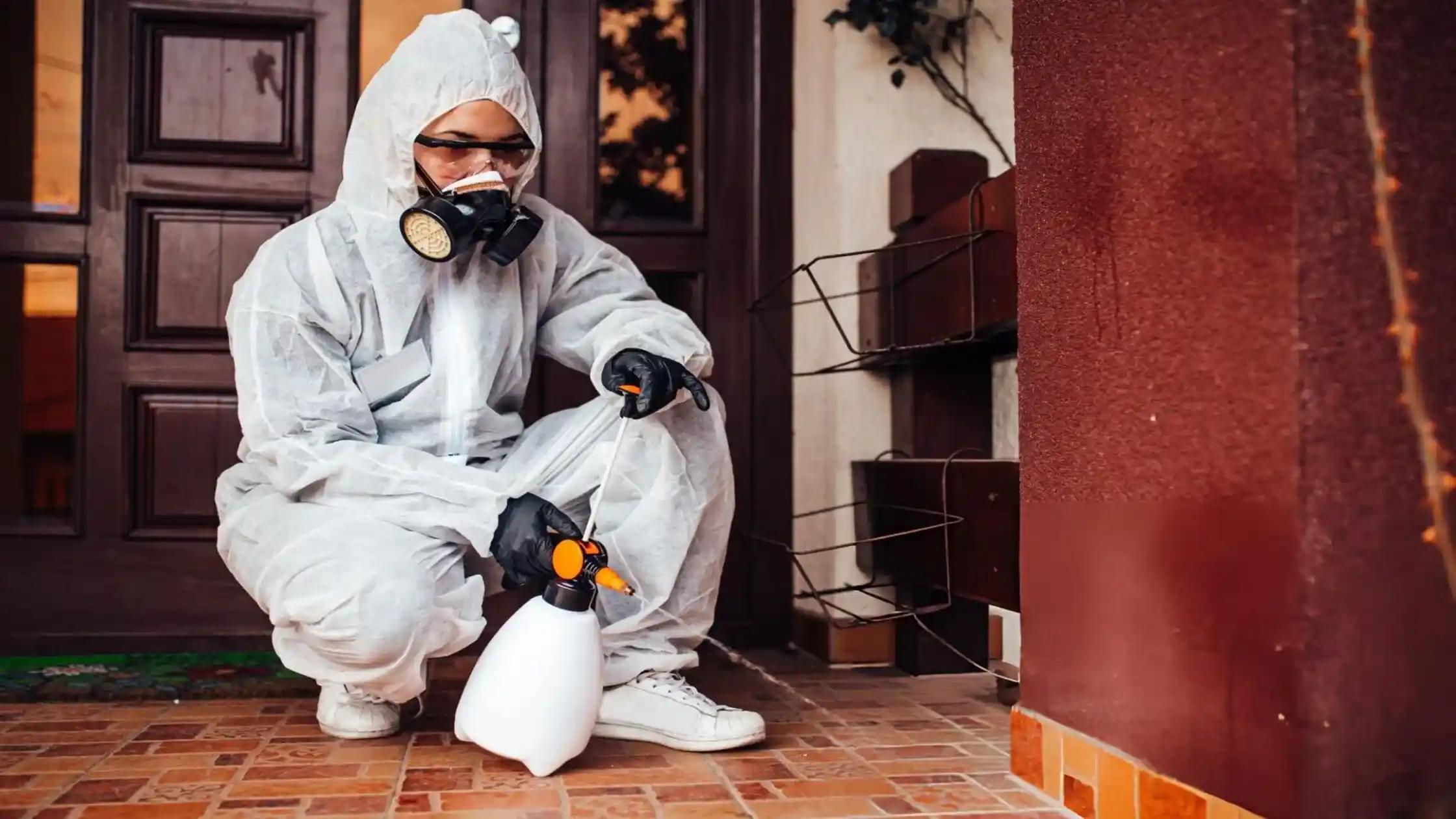
In rental housing, few issues create as much urgency and discomfort as pest infestations. Whether it is rodents, cockroaches, termites, or bedbugs, the presence of pests can quickly transform a livable property into an unsafe environment. For tenants and landlords in North Carolina, a common and important question arises: are landlords responsible for pest control in NC?
The answer is not always straightforward. It depends on legal standards, lease agreements, the source of the infestation, and the condition of the property at the time of occupancy. Like many aspects of property management, pest control sits at the intersection of legal responsibility, operational discipline, and clear communication.
In a landscape where compliance and tenant satisfaction are increasingly interconnected, structured systems such as those emphasized by platforms like Platuni highlight the importance of proactive maintenance, documentation, and service coordination. When pest issues are handled systematically rather than reactively, both landlords and tenants benefit from faster resolution and reduced conflict.
This guide provides a comprehensive legal and practical overview of pest control responsibilities in North Carolina, supported by credible institutions and designed to answer the real concerns of property owners and tenants.
The Legal Foundation of Habitability in North Carolina
To understand whether landlords are responsible for pest control, it is essential to begin with the legal concept of habitability. In North Carolina, landlords are required to provide rental properties that are safe and fit for human habitation.
This obligation is established under the North Carolina Residential Rental Agreements Act, which outlines landlord duties related to maintenance and property conditions. According to this law, landlords must comply with applicable building and housing codes and make necessary repairs to keep the premises in a habitable condition.
Pest infestations often fall under this requirement because they can affect health, sanitation, and overall livability. The presence of pests may indicate structural issues, poor maintenance, or environmental conditions that landlords are expected to address.
Also Read: House Rental in Fredericton | What Tenants Should Know
When Landlords Are Typically Responsible for Pest Control
In general, landlords in North Carolina are responsible for pest control when the infestation is linked to the condition of the property or exists before the tenant moves in.
If a rental unit is infested at the beginning of a lease, the landlord is expected to resolve the issue before or shortly after occupancy. This responsibility aligns with the legal requirement to provide habitable housing.
Additionally, if pests enter the property due to structural issues such as cracks, leaks, or improper waste management systems, the landlord is typically responsible for addressing both the root cause and the infestation itself.
According to housing standards referenced by the U.S. Department of Housing and Urban Development, maintaining sanitary conditions and preventing infestations are essential components of habitable housing. These standards reinforce the expectation that landlords must take reasonable steps to prevent and address pest problems.
In multi-unit properties, responsibility often falls more clearly on the landlord because infestations can spread between units, making individual tenant control impractical.
Situations Where Tenants May Be Responsible
While landlords carry significant responsibility, tenants are not entirely exempt. Pest control responsibility may shift to tenants if the infestation is clearly caused by their actions or negligence.
For example, if a tenant fails to maintain basic cleanliness, improperly stores food, or allows garbage to accumulate, and this behavior directly leads to an infestation, the tenant may be held responsible for addressing the issue.
Lease agreements often outline these expectations, specifying that tenants must maintain sanitary conditions and report issues promptly.
According to guidance from the Centers for Disease Control and Prevention, sanitation plays a critical role in pest prevention. Poor hygiene and waste management can attract pests, reinforcing the shared responsibility between landlords and tenants.
However, even in these situations, determining responsibility may require careful evaluation, particularly if structural or environmental factors are also involved.
The Importance of Lease Agreements in Pest Control Responsibility
Lease agreements play a critical role in clarifying pest control obligations. While state law establishes baseline responsibilities, leases can define how those responsibilities are shared or implemented.
Some leases may specify that landlords handle routine pest control services, while others may assign certain responsibilities to tenants, particularly for minor or preventable issues.
However, it is important to note that lease terms cannot override fundamental habitability requirements. A landlord cannot contract out of their legal obligation to provide a safe and habitable property.
Clear, well-documented lease agreements supported by structured platforms like Platuni help reduce ambiguity and ensure that both parties understand their roles from the outset.
Also Read: New Jersey Landlord Tenant Rental Laws & Rights for 2026
Preventative Pest Control and Property Management Practices
Effective pest control is not only reactive but also preventative. Proactive maintenance plays a significant role in reducing infestations.
This includes regular inspections, sealing entry points, maintaining landscaping, and ensuring proper waste disposal systems.
Research and property management standards referenced by the National Pest Management Association emphasize that integrated pest management strategies are more effective than reactive treatments alone. These strategies focus on prevention, monitoring, and targeted intervention.
For landlords, adopting preventative practices reduces long-term costs and improves tenant satisfaction. For tenants, it creates a healthier and more comfortable living environment.
Health and Safety Implications of Pest Infestations
Pest infestations are not merely an inconvenience; they can pose serious health risks. Rodents, insects, and other pests can carry diseases, trigger allergies, and contaminate food supplies.
According to the Centers for Disease Control and Prevention, pests such as rodents and cockroaches are associated with the spread of bacteria and allergens that can affect respiratory health.
This public health perspective reinforces why pest control is closely tied to habitability standards and why landlords are often required to address infestations promptly.
Dispute Resolution: What Happens When Responsibility Is Unclear
Disputes over pest control responsibility are not uncommon. When disagreements arise, documentation becomes critical.
Tenants should report infestations promptly and keep records of communication. Landlords should document inspections, maintenance efforts, and responses.
In North Carolina, disputes may be resolved through legal channels, including small claims court or housing-related proceedings.
Structured documentation systems such as those supported by Platuni can significantly reduce disputes by providing clear records of actions taken, timelines, and responsibilities.
The Role of Professional Pest Control Services
In many cases, professional pest control services are necessary to effectively resolve infestations. Landlords often engage licensed pest control providers to ensure thorough treatment and compliance with safety standards.
Professional services not only address current infestations but also help identify underlying causes and prevent recurrence.
According to the National Pest Management Association, professional intervention is often more effective than DIY methods, particularly for persistent or large-scale infestations.
Operational Efficiency and Modern Property Management
As rental portfolios grow, managing pest control alongside other responsibilities becomes increasingly complex. Coordinating inspections, tracking service requests, documenting treatments, and communicating with tenants requires structured systems.
This is where modern platforms like Platuni become relevant. By organizing maintenance workflows, centralizing communication, and ensuring accountability, such systems help landlords address issues like pest control more efficiently and consistently.
This operational clarity not only improves compliance but also enhances tenant trust and satisfaction.
Download the Platuni Property Manager App Today
Conclusion
The question are landlords responsible for pest control in NC does not have a single universal answer, but it is guided by clear legal principles. Landlords are generally responsible for ensuring that rental properties are habitable, which includes addressing pest infestations that arise from property conditions or pre-existing issues. At the same time, tenants share responsibility for maintaining cleanliness and preventing conditions that attract pests.
Understanding these roles is essential for avoiding disputes and maintaining a healthy rental environment. Clear lease agreements, proactive maintenance, and effective communication all contribute to successful pest management.
In an increasingly complex rental landscape, structured approaches to property management such as those emphasized by Platuni provide a practical framework for aligning legal compliance with operational efficiency. By combining legal awareness with disciplined systems, landlords and tenants can navigate pest control challenges with clarity and confidence.
Frequently Asked Questions on Landlords Responsibility for Pest Control in NC?
Are landlords always responsible for pest control in North Carolina?
Not always. Landlords are typically responsible if the infestation is due to property conditions or existed before the tenant moved in. Tenants may be responsible if their actions caused the issue.
Can a lease agreement make tenants responsible for all pest control?
Lease agreements can assign certain responsibilities, but landlords cannot avoid their legal obligation to provide habitable housing.
What should a tenant do if pests appear in their rental unit?
Tenants should notify the landlord immediately in writing and keep records of communication and conditions.
Are pest infestations considered a health issue?
Yes, according to the Centers for Disease Control and Prevention, pests can spread disease and trigger health problems, making them a serious concern.
Stay Informed
Subscribe to the Platuni B2B Newsletter to receive industry insights,
new feature announcements, and exclusive growth reports
Related Posts

AUGUST 3, 2026
Missouri HOA Laws: A Comprehensive Guide
Know your rights! Learn how Missouri's unique laws and recent court rulings protect your rights regarding HOA fees, solar panels, and liens.
Learn more
AUGUST 3, 2026
Montana Squatter's Rights & Adverse Possession Laws
Learn Montana's strict squatter laws! Discover how the 5-year tax payment rule and new 2025 expedited removal laws protect your property.
Learn more