
Property Management & Operations
How Many Rental Properties Do You Need Before Property Management Software Makes Sense?
by Platuni | 20 Sep, 2026 | 8 mins read
Platuni
20 September, 2026
8 mins read
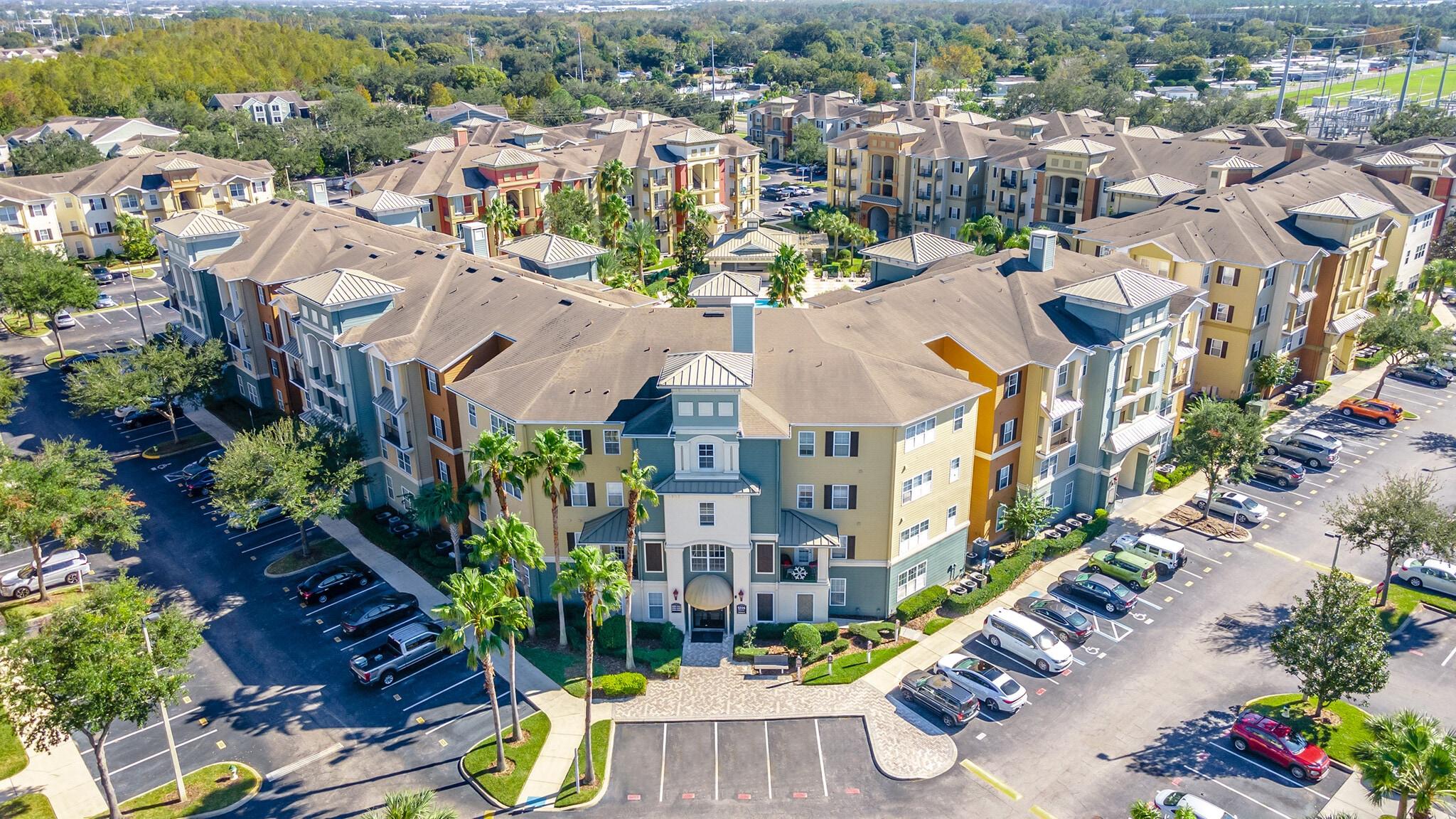
Managing one rental property with a spreadsheet, a few calendar reminders, and scattered messages may feel perfectly manageable. Add a second or third property, though, and the same system can start demanding far more attention than expected, multiple rent payments to track, lease dates to remember, maintenance requests to follow up on, and tenant records living in different places.
So, when do you actually need property management software? There is no magic number of rental properties that automatically makes software necessary. For some landlords, one property is simple enough to manage manually. For others, just two or three rentals can create enough administrative work to justify a more organized system.
The better question is whether your current process is still helping you stay in control, or quietly creating more work. This guide will help you identify that tipping point and decide when property management software genuinely makes sense for your portfolio.
How Many Rental Properties Do You Need Before Software Makes Sense?
There is no fixed number of rental properties that determines when you should start using property management software. The right time depends more on how difficult your portfolio has become to manage than on the number of units you own.
A landlord with one property may be comfortable tracking rent, documents, maintenance, and tenant communication manually. Another landlord with two or three properties may already be spending too much time switching between spreadsheets, emails, payment records, and reminders.
Property management software starts to make sense when your current system becomes harder to maintain consistently. Common warning signs include missed follow-ups, difficulty finding important records, repeated administrative work, or uncertainty about what needs attention across your rentals.
So, instead of asking whether you have enough properties for software, ask whether your current process is still giving you the visibility, organization, and control you need. Property count matters, but management complexity is the better threshold.
A Practical Guide by Portfolio Size
Property count can still be a useful reference point, as long as it is treated as a guide rather than a hard rule.
| Portfolio Size | What Management Often Looks Like | When Software Starts to Help |
|---|---|---|
| 1 property | Rent, maintenance, documents, and communication may still be manageable manually. | Useful if you already want better organization or fewer scattered tools. |
| 2 to 4 properties | More tenants, lease dates, payments, and maintenance requests begin overlapping. | Often worth considering when spreadsheets and reminders start requiring regular upkeep. |
| 5 to 10 properties | Repetitive administrative tasks increase quickly and it becomes harder to maintain visibility across every rental. | Software can become increasingly valuable for centralizing recurring workflows. |
| 10+ properties | Managing payments, leases, maintenance, records, and tenant communication manually can become time-consuming and difficult to scale. | A dedicated system is usually much easier to justify. |
The important point is that two landlords with the same number of properties can have completely different workloads.
A landlord with five long-term tenants and few maintenance issues may have a relatively simple setup. Another landlord managing three properties with frequent repairs, lease changes, payment follow-ups, and multiple documents may already need a more structured system.
Use portfolio size as a starting point, but let your actual workload and management complexity determine when it is time to upgrade.
7 Signs You Have Reached the Software Threshold
You do not need to wait until your portfolio feels unmanageable before changing your system. In many cases, the clearest signal is that routine tasks are starting to take more time, attention, or follow-up than they should.
Here are seven signs that property management software may already be worth considering:
- You are tracking rent in multiple places.If payment records live across spreadsheets, bank statements, messages, or notes, it becomes harder to maintain a clear picture of who has paid and what is still outstanding.
- You are relying heavily on reminders.Lease renewals, inspections, payment dates, and maintenance follow-ups can become difficult to manage when everything depends on manual calendar entries.
- Tenant communication is scattered.Important conversations spread across email, text messages, and phone calls can be difficult to reference later.
- Maintenance requests are becoming harder to follow.When you have to remember which issue was reported, what action was taken, and whether it was resolved, things can easily slip through the cracks.
- Finding documents takes too long.Lease agreements, receipts, inspection records, and tenant information should be easy to locate when needed.
- You are repeating the same administrative tasks.Re-entering information, sending similar reminders, or updating multiple records can quickly become inefficient.
- You no longer have a clear view of your portfolio.If answering a simple question about payments, leases, maintenance, or tenant activity requires checking several different tools, your current setup may have reached its limit.
The more of these signs you recognize, the stronger the case for moving from scattered manual processes to a centralized property management system.
What Can Stay Manual and What Should Move Into Software First?
Moving to property management software does not mean every part of your rental business needs to become automated overnight. For smaller landlords, the best approach is often to start with the tasks that create the most repetition, confusion, or risk.
Activities that are occasional and easy to control may still be handled manually. For example, a landlord with one or two properties may prefer to personally handle property inspections, important tenant conversations, or decisions about repairs and renewals.
The first processes worth moving into software are usually the ones that repeat across every property, such as:
- Rent and payment tracking, so you can quickly see what has been paid and what requires follow-up.
- Lease and document management, so important records are stored in one accessible place.
- Maintenance tracking, so requests, updates, and resolutions are easier to follow.
- Tenant information, so contact details and rental records are not spread across different files.
- Reminders and recurring deadlines, so fewer important dates depend entirely on memory.
You do not need the most advanced system available. Start by centralizing the workflows that consume the most time or create the most uncertainty, then expand your use of the software as your portfolio and management needs grow.
The Hidden Cost of Waiting Too Long
The cost of staying with a manual system is not always obvious. You may not be paying for software, but you can still be paying with time, duplicated work, missed follow-ups, and poor visibility across your properties.
As your portfolio grows, small inefficiencies begin to multiply. Updating the same information in different places, searching through messages for maintenance details, checking several records to confirm a payment, or trying to locate an old receipt can turn simple tasks into unnecessary work.
Disorganized records can also create problems when you need accurate financial information. The IRS requires rental income to be reported and supporting records to be maintained, while the Canada Revenue Agency similarly requires rental property owners to report rental income and eligible expenses. Good recordkeeping therefore matters long before a landlord owns a large portfolio.
The real risk is waiting until your system completely breaks down. If routine information is already becoming difficult to find, update, or follow through, improving your management process earlier can prevent those small problems from becoming larger ones.
What Should Property Management Software Actually Centralize?
The biggest advantage of property management software is not having more features. It is bringing the information and recurring tasks you already manage into one organized system.
For a small landlord, the most useful platform should centralize the core activities that happen repeatedly across a rental portfolio. These typically include tenant records, leases, rent and payment tracking, maintenance requests, documents, and important property information. These are also common core functions across current property management platforms.
A practical system should make it easier to:
- See payment activity without checking multiple records.
- Keep leases and important documents accessible in one place.
- Track maintenance requests from report to resolution.
- Maintain organized tenant and property information.
- Monitor important lease dates and recurring responsibilities.
Platuni, for example, structures property operations around centralized management of leases, payments, maintenance, and documents.
The goal is not to digitize every task simply because you can. Focus first on creating one reliable source of information for the workflows you manage most often. If software reduces the number of places you need to check to understand what is happening across your rentals, it is already solving one of the biggest problems of managing a growing portfolio.
Will Software Save You More Than It Costs?
The value of property management software should not be judged by subscription price alone. The better question is whether the system saves enough time, reduces enough repetitive work, and improves organization enough to justify its cost.
Pricing varies widely. Some landlord platforms offer free or freemium options, while others charge monthly fees, per-unit rates, or additional fees for certain features and services. Avail, for example, currently offers both free and paid plans, while TenantCloud and Buildium use paid subscription models with different pricing structures.
For a small landlord, a simple value check can help:
- How many hours do you spend each month on repetitive property administration?
- How often do scattered records or manual processes create extra work?
- Which tasks could one system simplify or centralize?
If software costs less than the time and administrative friction it helps remove, the investment may already make sense, even with a relatively small portfolio.
The goal is not to buy more technology. It is to make each property easier to manage as your responsibilities grow.
How to Choose Software Without Overbuying
Once you decide software could help, the next mistake is choosing a system with far more complexity than your portfolio actually needs. Small landlords should focus on solving their current management problems first, while leaving enough room for future growth.
Start by identifying the features you genuinely need. These may include rent collection, lease management, maintenance tracking, tenant records, document storage, and basic reporting. Platuni's own small-landlord software guidance similarly emphasizes ease of use, affordability, core features, and scalability when evaluating platforms.
Also compare how pricing changes as your portfolio grows. Current platforms use different models. Avail offers a free plan with an optional per-unit upgrade, TenantCloud uses tiered subscriptions, while Buildium offers broader plans with additional charges for some services.
The best software is not necessarily the platform with the longest feature list. It is the one that makes your everyday rental tasks easier without adding unnecessary cost or complexity.
When Is the Right Time to Make the Switch?
You do not need to reach a specific number of rental properties before property management software becomes worthwhile. The better signal is what managing those properties now requires from you.
If rent tracking, lease dates, maintenance, documents, and tenant information are becoming harder to coordinate, a centralized system can help bring those recurring responsibilities together.
The goal is not to add technology for its own sake. It is to choose a system when it gives you more control, reduces unnecessary administrative work, and makes your portfolio easier to manage as it grows.
Frequently Asked Questions
Is there a specific number of properties that means I need software?
No fixed number applies to every landlord. Some owners manage one property comfortably by hand, while others find that two or three rentals already create enough administrative work to justify a system. Management complexity, not property count, is the better indicator.
What is the clearest sign that I've outgrown a manual system?
Tracking rent in more than one place is usually the earliest and clearest signal. If payment records live across spreadsheets, bank statements, and messages, it has become difficult to answer a simple question about who has paid without checking several sources.
Do I need to switch every task to software at once?
No. The tasks worth centralizing first are the ones that repeat across every property, rent tracking, lease and document storage, maintenance requests, and recurring deadlines. Tasks that happen occasionally, like inspections or one-off tenant conversations, can often stay manual longer without creating risk.
How do I know if the cost of software is actually worth it?
Compare the subscription cost against the hours spent each month on repetitive administrative work and the extra effort caused by scattered records. If the software costs less than the time and friction it removes, the investment is typically justified even for a small portfolio.
What happens if I wait too long to switch?
The cost of waiting is often hidden rather than obvious. Small inefficiencies, duplicated data entry, missed follow-ups, and hard-to-find records tend to multiply as a portfolio grows, and disorganized records can also complicate accurate income and expense reporting.
Stay Informed
Subscribe to the Platuni B2B Newsletter to receive industry insights,
new feature announcements, and exclusive growth reports
Related Posts

SEPTEMBER 21, 2026
How to Manage Maintenance Requests Across Multiple Rental Properties
A system for keeping every maintenance request visible across a portfolio: what was reported, how urgent it is, and who owns the next step.
Learn more
SEPTEMBER 21, 2026
How to Manage Multiple Rental Properties Without Hiring a Property Manager
A repeatable system for running several rentals without hiring a property manager, built around one place for information instead of scattered spreadsheets and reminders.
Learn more