
Property Management & Operations
How to Manage Multiple Rental Properties Without Hiring a Property Manager
by Platuni | 21 Sep, 2026 | 8 mins read
Platuni
21 September, 2026
8 mins read
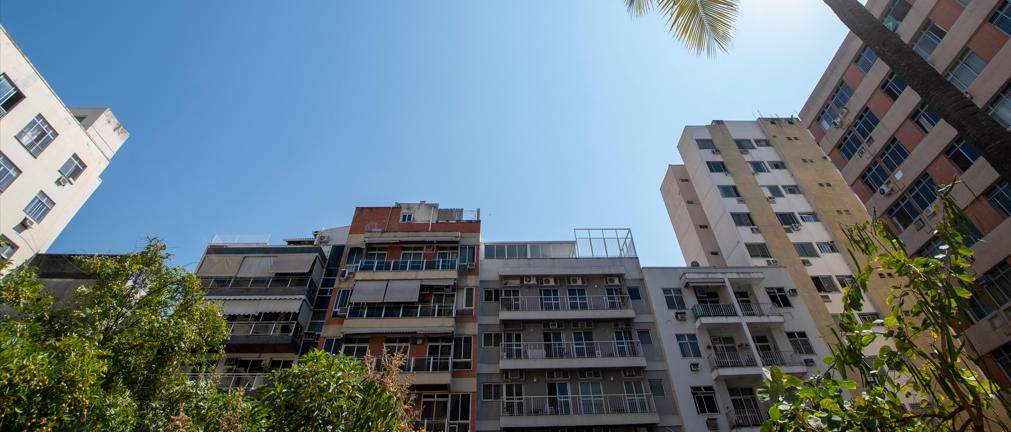
Managing one rental property can feel straightforward. Managing several at once is different. Every additional property brings another lease, payment schedule, maintenance history, tenant relationship, document trail, and set of deadlines to keep under control.
The problem is not simply having more properties. It is trying to manage each one with separate spreadsheets, reminders, messages, folders, and routines.
If you want to manage multiple rental properties without hiring a property manager, the key is to stop treating each rental like a separate operation. You need one repeatable system that keeps information organized, standardizes recurring tasks, and shows you what needs attention across the entire portfolio.
This guide will show you how to build that system so you can stay in control without turning property management into a full-time administrative burden.
What Changes When One Rental Becomes a Portfolio?
With one rental, it is relatively easy to know what is happening without a formal system. You may remember when rent is due, where the lease is stored, which repair is outstanding, and when the next inspection needs to happen.
With multiple properties, that approach becomes harder to sustain. Property management involves ongoing responsibilities such as rent collection, recordkeeping, maintenance coordination, and operational oversight. As more rentals are added, those responsibilities begin happening at the same time across different tenants and properties.
The challenge is no longer completing individual tasks. It is knowing:
- Which rent payments need attention.
- Which leases are approaching renewal.
- Which maintenance requests remain open.
- Which documents belong to each property.
- Which tenant conversations require follow-up.
- Which deadlines are coming next.
This is the point where self-management needs to become portfolio management. Instead of relying on memory or checking every property separately, you need a consistent system that makes the entire portfolio visible while still keeping each property's records organized.
Build One Operating System for Every Property
Once you manage multiple rentals, the goal should be to stop creating a separate system for each property. Instead, every rental should feed into the same operating structure.
Your core system should give you one place to manage:
- Properties and units.
- Tenants and lease information.
- Rent payments and outstanding balances.
- Maintenance requests.
- Important documents.
- Tenant communication.
- Financial and operational records.
- Upcoming deadlines and tasks.
Property management platforms are designed around this kind of centralization. Current systems commonly combine leasing, payments, maintenance, tenant communication, documents, and reporting so landlords can oversee several properties from a shared dashboard rather than relying on disconnected processes.
Platuni follows the same centralized approach by bringing rent collection, lease tracking, maintenance management, financial reporting, and compliance documentation into one dashboard.
Centralization does not mean mixing every property's information together. Each rental should still have its own records. The difference is that you can access those records through one consistent management system.
That gives you both views you need: the details of an individual property and a clear picture of what is happening across your entire portfolio.
Standardize the Tasks That Repeat Across Every Rental
Managing several properties becomes easier when the same recurring task follows the same process every time. Instead of deciding how to handle rent, maintenance, lease renewals, or tenant communication separately for each rental, create a standard workflow that applies across the portfolio.
Property management guidance consistently recommends documented processes for recurring work because standard operating procedures make operations more consistent and easier to scale. Buildium, for example, recommends documenting repeatable processes for areas such as leasing, maintenance, communication, finances, inspections, and renewals.
Start by standardizing processes such as:
- Rent collection: Use consistent due dates, payment tracking, reminders, and follow-up procedures.
- Lease management: Follow the same process for storing leases, monitoring expiration dates, and preparing for renewals.
- Maintenance: Use one method for receiving requests, determining priority, tracking progress, and confirming completion.
- Tenant communication: Decide where important conversations should happen and how they will be recorded.
- Move-ins and move-outs: Use repeatable checklists so inspections, documents, keys, and property conditions are handled consistently.
- Routine tasks: Create predictable processes for inspections, document reviews, and recurring property checks.
Platuni also recommends standardizing data and processes before introducing automation, particularly across rent collection, communication, maintenance, and lease-related workflows.
The goal is not to make every property identical. Each rental will still have different tenants, expenses, and maintenance needs. What should remain consistent is how you respond when the same type of task appears.
That consistency reduces the number of decisions you have to make repeatedly and makes adding another property less likely to require rebuilding your management process from scratch.
Keep Financial and Property Records Separate but Easy to See Together
Managing several rentals requires two levels of organization. You need accurate records for each individual property, but you also need a portfolio-level view that shows how everything is performing together.
For each property, keep its income, expenses, receipts, lease documents, maintenance costs, and other supporting records clearly separated. This makes it easier to understand what each rental earns, what it costs to operate, and where money is being spent.
Good recordkeeping also matters for tax reporting. The IRS requires landlords to report rental income and maintain records that support income and deductible expenses, while the Canada Revenue Agency similarly requires rental owners to report rental income and expenses.
A practical structure is to maintain:
- Property-level records for rent, repairs, utilities, taxes, insurance, receipts, and other expenses.
- Portfolio-level reporting so you can compare properties and understand overall performance.
- Supporting documents that can be traced back to the appropriate property and transaction.
The goal is not to mix every property's finances into one record. It is to keep the details separated while making the bigger picture easy to see.
Platuni, for example, allows properties to be grouped so landlords can filter areas such as performance, payments, and maintenance across a portfolio.
When your records are organized this way, you can answer two important questions quickly: How is this specific property performing, and what is happening across my entire portfolio?
Create a Maintenance System That Does Not Depend on Your Memory
Maintenance becomes difficult across multiple rentals when requests arrive through different channels and you have to remember which issue is urgent, who is handling it, and whether the repair was completed.
A better approach is to give every maintenance issue the same workflow:
- Receive the request in one place. Avoid relying on scattered calls, texts, emails, and personal notes.
- Record the property, issue, and relevant details. Photos or supporting information can make the problem easier to assess.
- Determine the priority. Separate emergencies and urgent habitability or safety concerns from routine repairs.
- Assign the work. Record which contractor, vendor, or responsible person is handling the issue.
- Track the status. Use clear stages such as reported, assigned, in progress, awaiting action, and completed.
- Confirm completion. Close the request only after the work has been completed and the outcome recorded.
Professional property management standards emphasize scheduling and monitoring routine and preventive maintenance, as well as overseeing contractors who perform repair work.
The goal is simple: you should be able to see every open maintenance issue across your portfolio without trying to remember what happened at each property. Platforms such as Platuni support this by centralizing work orders and vendor coordination within the broader property record.
Use One Calendar for Leases, Inspections, and Recurring Deadlines
When you manage several rentals, every property creates dates that can easily compete for attention. Lease expirations, inspections, maintenance schedules, rent follow-ups, and other recurring responsibilities should not live in separate calendars or depend on memory.
Create one portfolio calendar that tracks important dates across every property.
Include:
- Lease expiration and renewal dates.
- Property inspections.
- Preventive maintenance.
- Rent-related follow-ups.
- Safety or equipment servicing.
- Recurring property checks.
- Other property-specific deadlines that require action.
The important part is to create reminders before the actual deadline, not only on the day something is due. Property management systems commonly use alerts for lease renewals, inspections, and other upcoming tasks so landlords can act before important dates are missed.
Keep in mind that inspection requirements, notice periods, and other legal deadlines can vary by jurisdiction and lease terms, so your calendar should reflect the rules that apply to each property rather than using one universal timeline.
Platuni also supports tracking deadlines, inspections, and lease agreements across multiple properties in one place.
A single portfolio calendar turns scattered dates into a predictable schedule, helping you see what is coming next instead of reacting after something becomes urgent.
Centralize Tenant Communication and Documents
When you manage several rentals, important information can easily become scattered across text messages, emails, cloud folders, and paper files. That makes it harder to understand what happened, which property it relates to, and whether follow-up is still required.
Use one consistent system for tenant communication and document storage. Property management platforms commonly centralize messaging, tenant records, leases, maintenance information, and documents so landlords can access the context behind each issue without searching across several tools.
For each property, keep:
- Tenant and contact information.
- Current lease documents.
- Notices and important correspondence.
- Maintenance-related communication.
- Payment-related records.
- Inspection or property documents.
Platuni's tenant management tools are designed around keeping tenant records, lease information, communication, rent tracking, and issue resolution within a centralized system.
The goal is not simply to store more information. It is to make every important record easy to find in the context of the correct tenant and property.
When communication and documents are organized this way, you spend less time searching for information and more time acting on what actually needs attention.
Manage by Exception With a Simple Portfolio Review Routine
Once your systems are centralized, you should not need to inspect every property, payment, lease, and maintenance request with the same level of attention every day. Instead, build a short portfolio review routine around the items that actually require action.
During each review, look for:
- Overdue or missing rent payments.
- Open or aging maintenance requests.
- Leases approaching expiration.
- Unanswered tenant issues.
- Upcoming inspections or deadlines.
- Documents or tasks still awaiting completion.
This is management by exception. Routine activity continues through your established processes while your attention goes to anything late, unresolved, expiring, unusual, or blocked. Buildium describes automated status notifications and overdue alerts as a way to keep property teams focused on exceptions rather than manually chasing every update.
A centralized portfolio view makes this approach easier. Platuni brings properties, leases, payments, maintenance, documents, compliance, and reporting into one platform, while its property tools provide portfolio-level visibility across multiple properties.
The goal is not to watch everything constantly. It is to create a system that makes the next issue requiring your attention easy to find.
Managing More Properties Requires Better Systems, Not More Hours
Managing multiple rental properties without hiring a property manager is possible, but it becomes much harder when every property has its own spreadsheets, reminders, messages, documents, and routines.
The more scalable approach is to standardize recurring workflows, centralize important information, and focus your attention on the issues that actually require action.
Platuni is built around that model, connecting property and unit records with leasing, payments, maintenance, communication, and reporting in one workspace.
The goal is simple: manage the portfolio as one organized operation while keeping every property's information clear and accessible.
Frequently Asked Questions
How do you manage multiple rental properties efficiently?
Use one repeatable system for rent collection, leases, maintenance, tenant communication, documents, finances, and deadlines. Centralizing these workflows reduces the need to check separate spreadsheets, inboxes, and calendars for every property. Property management software is specifically designed to coordinate these operational areas across rental portfolios.
Can one person manage multiple rental properties?
Yes. A landlord can self-manage multiple rentals when responsibilities are organized into consistent processes and the workload remains manageable. As complexity grows, centralized systems can reduce administrative work while the landlord retains responsibility for management decisions.
What records should I keep for each rental property?
Keep records that clearly document rental income, expenses, receipts, repairs, leases, and other transactions associated with the property. For U.S. landlords, the IRS states that a recordkeeping system should clearly show income and expenses and that rental income and deductible expenses must be properly reported.
Do I need property management software for multiple properties?
Not necessarily, but software becomes useful when coordinating payments, leases, maintenance, communication, financial records, and other responsibilities across properties starts consuming too much time or becoming difficult to track reliably. Modern property management platforms centralize these workflows so landlords can oversee a portfolio from one system.
Stay Informed
Subscribe to the Platuni B2B Newsletter to receive industry insights,
new feature announcements, and exclusive growth reports
Related Posts

SEPTEMBER 21, 2026
How to Manage Maintenance Requests Across Multiple Rental Properties
A system for keeping every maintenance request visible across a portfolio: what was reported, how urgent it is, and who owns the next step.
Learn more
SEPTEMBER 20, 2026
Property Management Software vs a Property Manager: Which Do You Actually Need?
Clarifies the real choice landlords face between better tools to self-manage and handing operations to a property manager, since the two solve different problems.
Learn more