
Property Management & Operations
Town House Meaning: Town House vs Apartment
by Platuni | 03 Aug, 2026 | 7 mins read
Platuni
03 August, 2026
7 mins read
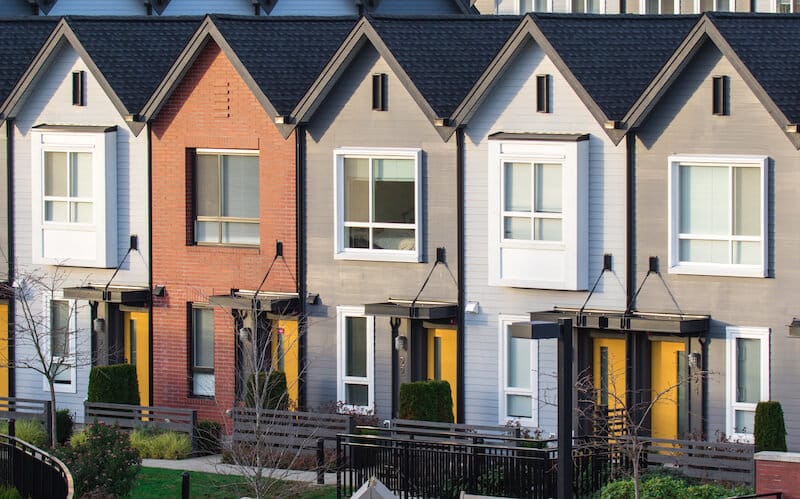
Did you know that attached housing, including town houses, condominiums, and apartments, accounts for a significant share of new residential construction in the United States? According to data from the U.S. Census Bureau, demand for higher-density housing continues to grow as buyers and renters seek more affordable alternatives to detached single-family homes.
Yet despite their popularity, many people still misunderstand the true town house meaning and often confuse a town house apartment with a traditional apartment. At first glance, they may seem similar, but the differences in ownership, privacy, maintenance responsibilities, and long-term costs can significantly affect your housing experience and financial future.
At Platuni, we're committed to helping renters, buyers, landlords, and property investors make informed real estate decisions. In this guide, we'll explain what a town house is, compare a town house vs apartment, explore the advantages and disadvantages of each option, examine costs, and help you determine which property type best suits your lifestyle and goals.
Also Read: Single Family Home: Meaning and Definition
What Is a Town House?
A town house is a type of residential property that typically consists of multiple homes built in a row, with each unit sharing one or two walls with neighboring properties. Unlike a traditional detached house, a town house is individually owned and often spans two or more floors, offering more living space and privacy than many apartments.
Most town houses feature private entrances, multiple bedrooms, dedicated parking spaces, and, in some cases, small yards or outdoor areas. They are commonly found in urban and suburban neighborhoods where land is limited but homeowners still want more space than a typical apartment can provide.
What Is the Difference Between a Town House and an Apartment?
When comparing a town house vs apartment, the differences go far beyond appearance. Although both provide residential housing, they vary significantly in ownership structure, privacy, space, maintenance responsibilities, and lifestyle.
Here are some of the key differences between town house vs apartment:
Ownership and Structure
- Town House: Often individually owned and may be purchased like a traditional home.
- Apartment: Usually rented from a property owner or management company.
Space and Layout
- Town House: Typically offers more square footage, multiple floors, and additional storage space.
- Apartment: Usually provides a more compact living arrangement with fewer levels.
Privacy
- Town House: Shares fewer walls and generally provides greater privacy.
- Apartment: Often shares walls, floors, and ceilings with multiple neighboring units.
Outdoor Areas
- Town House: May include a private patio, yard, rooftop terrace, or garage.
- Apartment: Outdoor spaces are often shared or limited to a balcony.
Maintenance Responsibilities
- Town House: Owners may be responsible for certain maintenance tasks, although HOA services may cover some exterior upkeep.
- Apartment: Maintenance is generally handled by the landlord or property management company.
Monthly Costs
- Town House: May involve mortgage payments, property taxes, insurance, and HOA fees.
- Apartment: Typically requires monthly rent and possibly utility or amenity fees.
Also Read: Co-Signer vs Guarantor: Key Differences Explained
What Are the Pros and Cons of Living in a Town House?
Understanding the advantages and disadvantages of a town house can help you decide whether this housing style aligns with your needs. While many people are attracted to the extra space and home-like feel, there are also trade-offs worth considering.
Below are the pros and cons of living in a town house:
Pros of Living in a Town House
- More Living Space: Compared to many apartments, a town house often provides larger floor plans, multiple levels, and additional storage areas.
- Greater Privacy: Because a town house typically shares fewer walls than an apartment, residents often enjoy a quieter living environment.
- Homeownership Opportunities: Many town houses can be purchased rather than rented, allowing owners to build equity over time.
- Private Amenities: Depending on the property, a town house may include:
- A garage
- A private entrance
- A patio or backyard
- Additional storage space
- Community Features: Many town house communities offer shared amenities such as:
- Parks
- Walking trails
- Clubhouses
- Fitness centers
- Swimming pools
Cons of Living in a Town House
- HOA Fees: Many town house developments require homeowners to pay monthly or annual HOA fees to maintain common areas and community amenities.
- Shared Walls: Although privacy is generally greater than in an apartment, you'll still share walls with neighboring homes.
- Maintenance Responsibilities: Unlike apartment renters, town house owners may be responsible for some repairs, maintenance, and upkeep costs.
- Multiple Stairs: Most town houses feature multiple floors, which may not be ideal for everyone, particularly individuals with mobility challenges.
- Potential HOA Restrictions: Some communities impose rules regarding:
- Exterior modifications
- Landscaping
- Parking
- Pets
- Rental policies
Also Read: Using a 401(k) Loan to Buy a House: Pros and Cons
What Are the Pros and Cons of Living in an Apartment?
If you're deciding between a town house apartment and a traditional apartment, it's important to understand that apartment living comes with its own set of advantages and trade-offs. For some people, apartments offer convenience and affordability. For others, the limited space and shared environment may become drawbacks over time.
Here are more pros and cons of living in an apartment:
Pros of Living in an Apartment
- Lower Upfront and Monthly Costs: Apartments are often more affordable than a town house when it comes to rent, utilities, and maintenance expenses. This makes them attractive to students, young professionals, and renters looking to keep housing costs manageable.
- Less Maintenance Responsibility: One of the biggest benefits of apartment living is convenience. In most cases, the landlord or property management company handles:
- Landscaping
- Exterior maintenance
- Appliance repairs
- Building upkeep
- Access to Amenities: Many apartment communities offer amenities that would be expensive to maintain individually, such as:
- Fitness centers
- Swimming pools
- Clubhouses
- Package lockers
- Security features
- Prime Locations: Apartments are often located closer to city centers, business districts, public transportation, restaurants, and entertainment venues.
Cons of Living in an Apartment
- Limited Living Space: Compared to a town house, apartments typically offer less square footage and fewer storage options.
- Less Privacy: Apartment residents often share walls, ceilings, hallways, and common areas with multiple neighbors, which can lead to noise concerns.
- Fewer Customization Options: Renters generally have limited freedom to renovate, repaint, or make significant changes to their living space.
- No Equity Building: Unlike purchasing a town house, renting an apartment does not help you build ownership equity over time.
For individuals who prioritize convenience and affordability, apartments can be an excellent choice. However, those seeking more space and privacy may find a town house more appealing.
Also Read: Fully Furnished Home: What You Need To Know
Town House vs Apartment: Which Is the Better Investment for Property Owners?
For property investors, the town house vs apartment debate is not just about living preferences, it's about returns, appreciation potential, maintenance costs, and long-term profitability. The better investment depends on your financial goals, target tenants, and the local real estate market.
A town house often appeals to families, professionals, and long-term renters who want more space, privacy, and amenities than a traditional apartment can provide. Because town houses typically include multiple bedrooms, garages, and outdoor areas, they may command higher rental rates and attract tenants who stay longer. Additionally, town houses often appreciate in value alongside the land they occupy, which can enhance long-term wealth creation.
Apartments, on the other hand, are frequently favored by investors seeking lower entry costs and potentially higher rental demand in urban areas. Apartments may be easier to fill in locations with large student populations, young professionals, or residents who prioritize convenience over space. They can also require less exterior maintenance responsibility, particularly when managed through a condominium association or professional property management company.
Reasons a Town House May Be the Better Investment
- Potential for stronger long-term appreciation
- More living space can justify higher rents
- Often attracts longer-term tenants
- Greater appeal to families and growing households
- May offer a balance between affordability and homeownership benefits
Reasons an Apartment May Be the Better Investment
- Lower purchase price in some markets
- Strong demand in dense urban locations
- Potentially lower maintenance obligations
- Easier diversification by purchasing multiple units
- May generate steady occupancy rates in high-demand rental markets
Key Factors to Evaluate Before Investing
Regardless of whether you choose a town house or apartment, consider:
- Local rental demand
- Vacancy rates
- Property taxes
- HOA or condominium fees
- Maintenance costs
- Expected appreciation
- Cash flow potential
- Tenant demographics
Also Read: Why Are HOAs Legal? Understanding HOA Authority
Town House vs Apartment: Which One Is Right for You?
There is no universal winner in the town house vs apartment debate. The best option depends on your lifestyle, financial goals, family size, and personal preferences.
A town house may be right for you if:
- You want more living space
- You need multiple bedrooms or floors
- You value privacy
- You want a garage, patio, or yard
- You plan to buy and build equity
A town house apartment can also provide some of these benefits while allowing you to rent rather than purchase.
An apartment may be a better fit if:
- You want lower housing costs
- You prefer minimal maintenance responsibilities
- You value access to urban amenities
- You frequently relocate for work
- You want flexibility without long-term ownership commitments
When comparing town house vs apartment living, think beyond the monthly payment. Consider:
- Your commute
- Storage needs
- Family plans
- Privacy preferences
- Maintenance expectations
- Long-term financial objectives
Also Read: How to Get Out of a Lease Early Legally
How Much Does It Cost to Rent or Buy a Town House vs an Apartment?
One of the most common questions in the town house vs apartment discussion is cost. While prices vary significantly by location, market conditions, and property features, there are some general trends that can help you set realistic expectations.
Rental Costs
In many markets, apartments are typically less expensive to rent than town houses because they generally offer less space and fewer private amenities. According to LendingTree's 2025 housing cost analysis, the median U.S. apartment rent was approximately $1,750 per month, while single-family rentals averaged around $2,130 per month. Although town house rental prices vary by market, they often fall between apartment rentals and detached homes because they provide additional space and privacy.
Home Purchase Costs
If you're looking to buy rather than rent, town houses are often more affordable than detached single-family homes while providing many of the same benefits. According to zillow, the median U.S. town house (townhome) sale price was approximately $368,180 as of April 2026.
Also Read: How to Save Energy in Your Home | Smart Tips to Cut Bills
How Can Platuni Help You Find and Manage a Town House or Apartment With Ease?
Whether you're searching for a town house, comparing a town house vs apartment, or managing multiple rental properties, staying organized can make the entire process much easier. From finding the right property to handling applications, leases, and tenant communications, having the right tools can save time and reduce stress.
Here's how Platuni can help:
- Browse and Compare Available Properties: Platuni can help streamline the property search process, making it easier to evaluate different housing options based on your needs and budget.
- Manage Rental Listings Efficiently: Property owners and managers can organize and market available town house and apartment units more effectively.
- Centralize Lease Documents: Store lease agreements, property records, and important documents in one secure location for easy access.
- Track Tenant and Property Information: Keep all relevant information organized, whether you're managing a single rental unit or an entire portfolio.
- Simplify Communication: Maintain clear communication between landlords, property managers, and tenants through a centralized platform.
- Monitor Maintenance Requests: Track repair requests and maintenance updates to help ensure issues are addressed promptly.
- Improve Financial Organization: Manage rent payments, expenses, and property-related records from a single dashboard.
- Scale as Your Portfolio Grows: Whether you're renting your first town house apartment or managing multiple properties, having an organized system becomes increasingly valuable as your housing needs expand.
Get Started with Platuni Today!
Also Read: Property Inspection Checklist | Move-In & Move-Out Guide
Frequently Asked Questions About Town Houses and Apartments
Is a town house a good option for first-time homebuyers?
Yes, a town house can be an excellent option for first-time homebuyers. It often costs less than a detached single-family home while still offering benefits such as additional living space, a private entrance, and the opportunity to build equity.
Are town houses usually quieter than apartments?
In many cases, yes. When comparing a town house vs apartment, town houses generally provide more privacy because they typically share fewer walls and do not have neighbors living directly above or below. However, noise levels can still vary depending on the property's design and location.
Do town houses have homeowners association (HOA) fees?
Many town house communities have HOA fees that help cover expenses such as landscaping, exterior maintenance, shared amenities, and common area upkeep. Therefore, before purchasing a town house, you should review the HOA's fees, rules, and responsibilities to understand the total cost of ownership.
What should you consider before choosing between a town house and an apartment?
You should evaluate several factors, including:
- Your budget
- Desired living space
- Privacy preferences
- Maintenance responsibilities
- Commuting needs
- Long-term housing goals
Stay Informed
Subscribe to the Platuni B2B Newsletter to receive industry insights,
new feature announcements, and exclusive growth reports
Related Posts

SEPTEMBER 21, 2026
How to Manage Maintenance Requests Across Multiple Rental Properties
A system for keeping every maintenance request visible across a portfolio: what was reported, how urgent it is, and who owns the next step.
Learn more
SEPTEMBER 21, 2026
How to Manage Multiple Rental Properties Without Hiring a Property Manager
A repeatable system for running several rentals without hiring a property manager, built around one place for information instead of scattered spreadsheets and reminders.
Learn more