
Property Management & Operations
Are Landlords Responsible for Appliances?
by Platuni | 30 Jul, 2026 | 10 mins read
Platuni
30 July, 2026
10 mins read
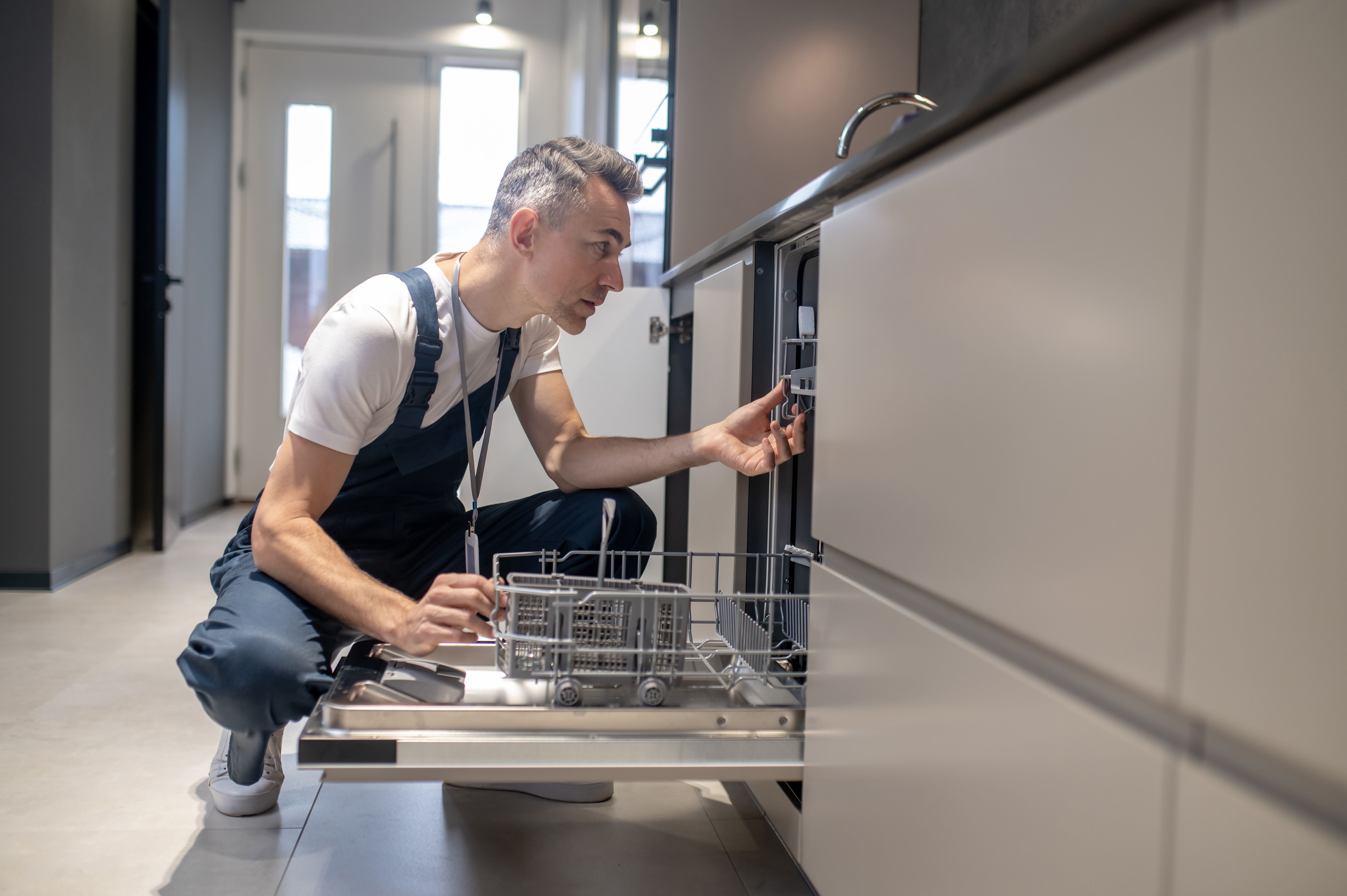
Avoid unnecessary costs, disputes, and legal issues by simply understanding your responsibilities for rental appliances as a Landlord. A landlord's responsibility for appliances depends on local laws, habitability standards, and the terms of the lease agreement. In some jurisdictions, certain appliances are considered essential to providing a habitable rental, while in others, responsibility is determined entirely by what is outlined in the lease.
Knowing who is responsible for repairs, maintenance, and replacements from the outset helps set clear expectations for both landlords and tenants. It also reduces misunderstandings and creates a more positive rental experience.
In most rentals, if the landlord supplied the appliance and it fails through normal use, the landlord is responsible for repairing or replacing it. If a tenant caused the damage, or the tenant owns the appliance themselves, responsibility usually shifts to them. The exact line depends on the lease and, in a growing number of states, on local habitability law.
Property management platforms like Platuni make it easier to stay on top of these responsibilities by helping landlords document appliance inventories, track maintenance requests, schedule repairs, and maintain organized records. With the right systems in place, landlords can manage appliance-related obligations more efficiently while protecting both their investment and their relationship with tenants.
When Landlords Are Usually Responsible
If a refrigerator, stove, dishwasher, or washer/dryer was included in the unit and listed in the lease, it's part of what the tenant is paying for. Landlords must keep it in working order for the length of the tenancy and repair or replace it if it fails through age or normal use, not because of anything the tenant did.
In some states this isn't just lease-driven. North Carolina's landlord-tenant statute (G.S. §42-42(a)(4)), for example, requires landlords to maintain all appliances they supply in good, safe working order once the tenant gives written notice of a problem. Rules like this exist alongside whatever the lease says, not instead of it.
The Lease Decides When Landlords Are Responsible for Appliances
General legal practice leans toward landlord responsibility for supplied appliances, but the lease is what actually settles most disputes. Check it first.
- If the lease says the landlord maintains listed appliances, that governs.
- If the lease shifts responsibility to the tenant even for landlord-supplied appliances, that provision usually holds, as long as it doesn't conflict with local habitability law.
- If the lease is silent or ambiguous, responsibility typically defaults to the landlord for anything they provided.
The fix here is prevention: every lease should include a dedicated appliance addendum listing what's supplied and who maintains it. This matters more than it sounds like it should; a huge share of appliance disputes trace back to a lease that never specified whether an appliance was "included" or just "present," or that used vague language without defining what that actually covers once something breaks. A one-page addendum, itemized appliance by appliance, closes that gap before it becomes a dispute.
What Counts as a Landlord's Appliance
Landlords are generally responsible for appliances that are listed in the lease, included in the move-in inventory, or supplied as part of the rental package, typically refrigerators, freezers, stoves and ovens, dishwashers, washers and dryers (when provided), and any microwave that came with the unit. If the landlord didn't supply it, they usually aren't responsible for it, even if it's used in the unit daily.
Who Pays: A Quick Reference
| Situation | Who's Responsible |
|---|---|
| Landlord-supplied appliance fails from age or normal use | Landlord |
| Landlord-supplied appliance damaged by tenant misuse or negligence | Tenant (often via security deposit or reimbursement, if the lease allows) |
| Tenant-owned appliance breaks | Tenant |
| Pre-existing issue noted at move-in | Landlord |
| Damage from a prior tenant | Landlord |
Determining which bucket a repair falls into often comes down to documentation — move-in photos, condition reports, and dated repair requests are what separate "normal wear" disputes from clear-cut cases.
Repair Timelines: How Fast Is Fast Enough?
There's no single national deadline, but the urgency generally scales with how essential the appliance is:
| Appliance Type | Typical Expectation |
|---|---|
| Stove, oven, refrigerator (tied to habitability) | Days, not weeks; treat as urgent once notified |
| Washer/dryer, dishwasher, microwave (convenience appliances) | A reasonable time, often within 1–2 weeks |
| Any appliance where failure creates a safety issue (e.g., gas smell, electrical fault) | Immediate treat as an emergency repair |
Local housing codes and habitability laws can tighten these further, so always check what applies where the unit is located.
What to document at every stage:
- A dated inventory and photos of each appliance at move-in
- The written repair request, with the date it was received
- Photos or video of the issue when it's reported
- Receipts and service records for any repair or replacement
- A dated note of when the repair was completed
This is the same record set that decides most disputes when a tenant claims a repair took too long, or a landlord claims damage was pre-existing. Keeping it consistent across units, rather than filing it away per incident, is what actually makes it useful when a question comes up months later.
Legal and Habitability Considerations
Beyond the lease, the implied warranty of habitability recognized in most states requires a rental to remain safe and livable throughout the tenancy. If a non-working stove or refrigerator makes the unit unlivable and the landlord doesn't fix it, that can amount to a habitability violation with real legal consequences.
States are increasingly writing appliance requirements directly into law rather than leaving them to habitability doctrine alone. California is the clearest example: AB 628, effective January 1, 2026, amends Civil Code §1941.1 so that a working stove and refrigerator are now required, not optional, for any lease entered into, renewed, or amended on or after that date. Under the law, the landlord must always provide the stove; a tenant may choose to supply their own refrigerator instead, but only through a written agreement signed at lease signing. If either appliance is recalled, the landlord has 30 days from notice to repair or replace it. A handful of housing types are exempt, including permanent supportive housing and units with shared kitchens.
North Carolina and California are two examples of very different approaches: one rooted in a general maintenance statute, the other in a specific new appliance mandate. Rules vary significantly by state, so always confirm what applies in the unit's actual location before assuming either example applies directly.
Handling Repairs in Practice
- Document appliances at move-in. A dated inventory with photos of each supplied appliance and its condition prevents most "was it already broken?" disputes.
- Respond promptly once notified in writing. Inspect, diagnose, and repair within the timeline the appliance's urgency calls for, faster for anything tied to habitability.
- Require maintenance requests through a documented channel. Verbal requests get lost; written ones create a paper trail that protects both sides.
- Centralize expense records. Keep receipts, service records, and tenant correspondence tied to the specific unit and tenant, not scattered across email and paper. For anyone managing more than a handful of units, this is usually where disputes get won or lost. A repair that was actually completed on time looks unresolved if there's no record tying the receipt to the request.
- Communicate the timeline. Tell the tenant what to expect, and when most frustration comes from silence, not from the repair itself taking time.
Case Scenarios: Who Pays?
Landlord-supplied refrigerator stops cooling from a wiring failure. Normal use: landlord-owned; the landlord repairs or replaces it.
Tenant drops a heavy object in a landlord-owned dishwasher, cracking the tub. Tenant-caused damage: the landlord may repair it and seek reimbursement or deduct from the security deposit, per the lease.
Tenant's own microwave breaks. Tenant-owned, tenant-responsible; the landlord has no obligation here.
Conclusion
Are landlords responsible for appliances? In most cases, yes if they supplied it and it failed through normal use. But the lease sets the specifics, tenant-caused damage shifts the cost, and a growing number of states (California chief among them right now) are writing appliance obligations directly into habitability law. Documenting condition at move-in, responding on a reasonable timeline, and keeping the lease's appliance terms clear protects both sides from disputes neither one wants.
Frequently Asked Questions on Landlords Responsible for Appliances
Are landlords always responsible for appliance repairs in a rental property?
Usually, if the appliance was supplied by the landlord and listed in the lease, the landlord must repair or replace it when it breaks down due to normal wear and tear.
What if an appliance breaks because a tenant misused it?
If the tenant’s misuse causes damage, the landlord may seek reimbursement from the tenant or deduct costs from the security deposit, depending on lease terms.
How long does a landlord have to fix a broken appliance?
There is no universal deadline, but landlords should address repairs within a reasonable timeframe after written notice, often interpreted as days or a few weeks, depending on urgency and local standards.
Stay Informed
Subscribe to the Platuni B2B Newsletter to receive industry insights,
new feature announcements, and exclusive growth reports
Related Posts
JUNE 29, 2026
What to Do If Squatters Occupy Your Property
Protect your property! Learn how to legally remove squatters, navigate new state laws, and avoid costly "self-help" eviction mistakes.
Learn more
JUNE 29, 2026
Montana Squatter's Rights & Adverse Possession Laws
Learn Montana's strict squatter laws! Discover how the 5-year tax payment rule and new 2025 expedited removal laws protect your property.
Learn more